Chinas premier tells asean gulf nations remove trade barriers – China’s Premier tells ASEAN and Gulf nations to remove trade barriers, sparking a flurry of speculation about the future of regional trade. This bold directive, a significant development in the complex tapestry of international economics, hints at China’s ambitions for expanded economic influence and potentially smoother trade flows between the three regions. What exactly are the barriers, and what are the potential consequences for businesses and consumers in the ASEAN, Gulf, and Chinese economies?
The statement from China’s Premier, a key figure in the country’s economic strategy, sets the stage for a crucial discussion on the benefits and challenges of reducing trade barriers. The call to action underscores the interconnectedness of global economies and the potential for mutually beneficial partnerships.
Background of China’s Premier’s Statement
China’s recent call for ASEAN and Gulf nations to reduce trade barriers reflects a strategic approach to deepening economic ties within the Asia-Pacific region. This initiative underscores China’s growing influence and its desire to shape a more interconnected and mutually beneficial trading landscape. The statement signals a proactive stance toward fostering economic cooperation, highlighting China’s ambition to be a key player in global trade.
China’s premier recently urged ASEAN and Gulf nations to dismantle trade barriers, highlighting the importance of seamless economic cooperation. This comes as China is actively seeking to build consensus with the US after candid trade talks, as detailed in this article china calls building up consensus with us after candid trade talks. Ultimately, China’s push for reduced trade barriers with these regions underscores their commitment to a more interconnected and prosperous global economy.
Historical Context of China’s Relationship with ASEAN and Gulf Nations
China has a long history of engagement with both ASEAN and Gulf nations, though the nature of those relationships has evolved significantly over time. Historically, China’s interactions with Southeast Asian nations were primarily focused on cultural exchange and trade along the ancient Silk Road. Meanwhile, relationships with Gulf nations have been more recent, driven by energy needs and resource acquisition.
The current era sees China actively seeking to establish robust economic partnerships, moving beyond historical patterns.
Recent Economic Trends and Trade Dynamics
Recent years have witnessed substantial growth in trade between China, ASEAN, and Gulf nations. China’s Belt and Road Initiative (BRI) has played a significant role in connecting these regions through infrastructure projects, further stimulating trade and investment flows. The rise of e-commerce and digital trade has also accelerated the pace of exchange, offering new opportunities for businesses in all three regions.
Economic integration is being driven by increasing interdependence, showcasing the significant role of trade in these nations’ economic growth.
China’s Stated Goals and Objectives in Promoting Regional Trade
China’s stated goals in promoting regional trade revolve around fostering economic growth, creating new markets, and securing vital resources. A key objective is to reduce reliance on single markets and diversify trade partners, thereby building a more resilient and robust economic system. By lowering trade barriers, China aims to facilitate the seamless flow of goods and services, ultimately benefitting all participating nations.
The benefits are intended to extend beyond economic gains to encompass broader regional cooperation and development.
Potential Motivations Behind the Premier’s Call for Reduced Trade Barriers
The premier’s call for reduced trade barriers could be driven by a desire to bolster China’s economic standing on the global stage. Reduced trade barriers can lead to increased trade volumes, attracting foreign investment, and creating jobs. Furthermore, it potentially strengthens China’s diplomatic influence and establishes it as a pivotal force in regional economic affairs. Lowering barriers might also be part of a larger strategy to attract investments from both ASEAN and Gulf nations into China’s own economy.
Examples of Existing Trade Agreements and Collaborations
Numerous trade agreements and collaborations already exist between China, ASEAN, and Gulf nations. These include participation in the Regional Comprehensive Economic Partnership (RCEP), which involves several ASEAN nations and other countries. Additionally, there are bilateral agreements focused on specific sectors, such as energy, technology, and infrastructure. China’s BRI initiative also encompasses various projects across these regions, demonstrating a wide range of existing collaborations and trade activities.
Summary of Historical Trade Figures and Events
| Period | Key Events | Trade Figures (approximate, in billions USD) |
|---|---|---|
| 1990s – 2000s | Early stages of trade expansion, focus on raw materials and manufactured goods | Relatively low, with significant growth potential |
| 2010s | Rise of BRI, increased infrastructure development, growing e-commerce | Significant increase in trade volume |
| 2020s | Ongoing initiatives for deeper economic integration, new trade agreements | Continued growth expected with further reductions in trade barriers |
Specifics of Trade Barriers and Proposed Solutions
China’s call for reduced trade barriers between itself, ASEAN, and Gulf nations signals a significant step towards fostering economic integration. This initiative, while promising, necessitates a careful examination of existing trade barriers, potential impacts, and the efficacy of various solutions. Addressing these complexities is crucial for the success of this ambitious undertaking.Existing trade barriers between China, ASEAN, and Gulf nations often stem from differing regulations, tariffs, and non-tariff barriers.
These obstacles can manifest as complex customs procedures, differing product standards, or varying intellectual property protections. Understanding these specific obstacles is paramount to crafting effective solutions.
Types of Trade Barriers
Trade barriers encompass a multitude of restrictions that hinder the free flow of goods and services between nations. These impediments can include tariffs, quotas, and non-tariff barriers. Tariffs are taxes imposed on imported goods, increasing their cost and reducing competitiveness. Quotas limit the quantity of specific goods that can be imported. Non-tariff barriers include regulations, technical standards, and sanitary and phytosanitary measures that can create hurdles for businesses seeking to export to other nations.
Potential Impacts on Businesses and Consumers
The removal of trade barriers between China, ASEAN, and Gulf nations could significantly benefit businesses in all regions. Increased market access would allow companies to expand their customer base, potentially boosting sales and profitability. Consumers would benefit from a wider variety of goods and services at potentially lower prices. Conversely, some domestic industries might face challenges due to increased competition from foreign producers.
Approaches to Reducing Trade Barriers
Several approaches can be used to reduce trade barriers. Bilateral or multilateral negotiations and agreements are common strategies. These agreements can establish standardized procedures, harmonize regulations, and reduce tariffs. Regional trade agreements can also play a vital role in fostering closer economic ties.
Obstacles to Implementing Solutions
Several obstacles could hinder the implementation of proposed solutions. Political disagreements between nations, differing levels of economic development, and concerns about domestic industries are potential roadblocks. The complexity of negotiating and implementing agreements across diverse regions could also pose challenges.
Comparison of Trade Barrier Types and Potential Solutions
| Trade Barrier Type | Description | Potential Solutions |
|---|---|---|
| Tariffs | Taxes on imported goods | Negotiated reductions or elimination through bilateral/multilateral agreements |
| Quotas | Limits on the quantity of imported goods | Negotiated increases in quota limits or elimination |
| Non-Tariff Barriers | Regulations, standards, or procedures that hinder trade | Harmonization of standards, mutual recognition agreements, and dispute resolution mechanisms |
Examples of Successful Trade Barrier Reductions
The creation of the European Union (EU) demonstrates the positive impact of reduced trade barriers. The elimination of tariffs and other barriers fostered significant economic growth and integration among member states. Similarly, the North American Free Trade Agreement (NAFTA), now the USMCA, facilitated trade between the United States, Canada, and Mexico, illustrating the benefits of regional trade agreements.
These examples highlight the potential for improved economic outcomes when nations collaborate to reduce trade barriers.
Potential Impacts and Implications
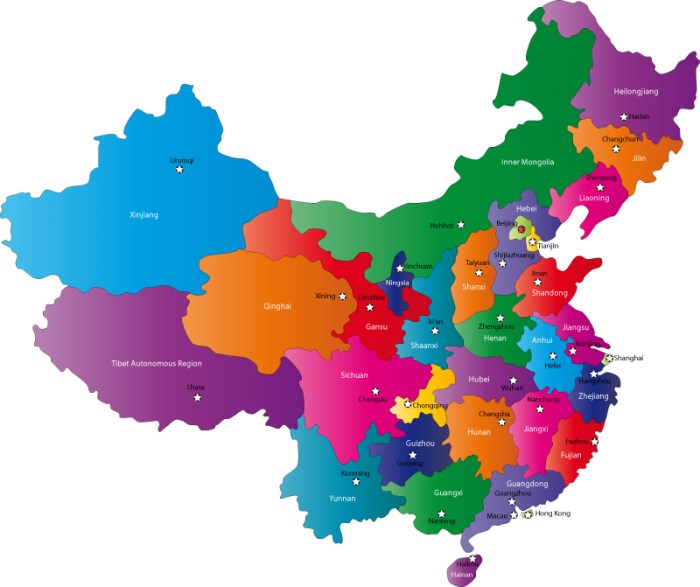
The proposed removal of trade barriers between China, ASEAN, and Gulf nations holds significant promise for economic growth and development across the regions. However, this initiative also presents potential challenges and necessitates careful consideration of the social, political, and environmental ramifications. This analysis explores the potential impacts, examining both the benefits and drawbacks of this significant shift in regional trade dynamics.
Economic Benefits for Participating Nations
The reduction of trade barriers will likely lead to increased trade volumes and economic activity across all three regions. China, with its vast manufacturing capacity, stands to gain from increased exports to ASEAN and Gulf nations. Conversely, ASEAN nations, known for their diverse resources and production capabilities, can tap into new markets in China and the Gulf. The Gulf nations, with their significant capital and strategic location, can benefit from access to a wider range of goods and services, fostering industrial diversification and economic development.
Increased trade flows will likely lead to lower prices for consumers and greater choices in all three regions.
Social and Political Ramifications, Chinas premier tells asean gulf nations remove trade barriers
Changes in trade relationships often bring about social and political shifts. Increased trade can lead to greater cultural exchange and understanding between the three regions. However, the potential for labor migration and competition for jobs needs careful consideration. Furthermore, the influx of foreign goods might impact local industries and necessitate adjustments in local policies and regulations. The need for equitable labor practices and fair trade agreements becomes paramount.
Potential Winners and Losers
Several actors will be directly affected by the reduced trade barriers. Chinese manufacturing companies and exporters will likely be significant winners, as their goods gain wider access to new markets. Similarly, ASEAN businesses focused on specific sectors like agriculture or manufacturing are poised for expansion. Gulf nations’ importers and sectors that rely on imported goods may benefit from lower prices and a wider selection of products.
Conversely, some domestic industries in all three regions might face challenges due to increased competition. Smaller businesses and industries with limited resources might struggle to compete with larger multinational corporations.
Implications for Global Trade and Supply Chains
The proposed changes have implications for global trade and supply chains. The increased trade between these three regions could lead to a more diversified and resilient global supply chain. This increased interconnectivity could lead to greater efficiencies and lower costs for businesses worldwide. However, a potential shift in global trade flows could impact existing trade partnerships in other regions.
Environmental Effects of Increased Trade
Increased trade volumes will invariably have environmental consequences. Increased transportation of goods will contribute to carbon emissions. The need for sustainable practices and environmentally conscious policies becomes crucial. The impact of increased consumption patterns and waste generation in all three regions must be carefully evaluated. Focus on sustainable packaging, efficient transportation, and environmentally friendly production processes will be critical.
Potential Impacts on Specific Industries
| Region | Industry | Potential Impact |
|---|---|---|
| China | Manufacturing | Increased exports, potential for job creation, but some domestic industries might face challenges. |
| China | Agriculture | Increased demand for agricultural products from ASEAN, potential for specialization. |
| ASEAN | Agriculture | Expanded market access for agricultural products, potential for higher incomes. |
| ASEAN | Tourism | Increased tourism from China and Gulf nations, potential for economic growth. |
| Gulf Nations | Oil and Gas | Potential for increased demand from China and ASEAN, need to consider diversification. |
| Gulf Nations | Financial Services | Potential for increased investments and financial opportunities. |
Regional Cooperation and Integration
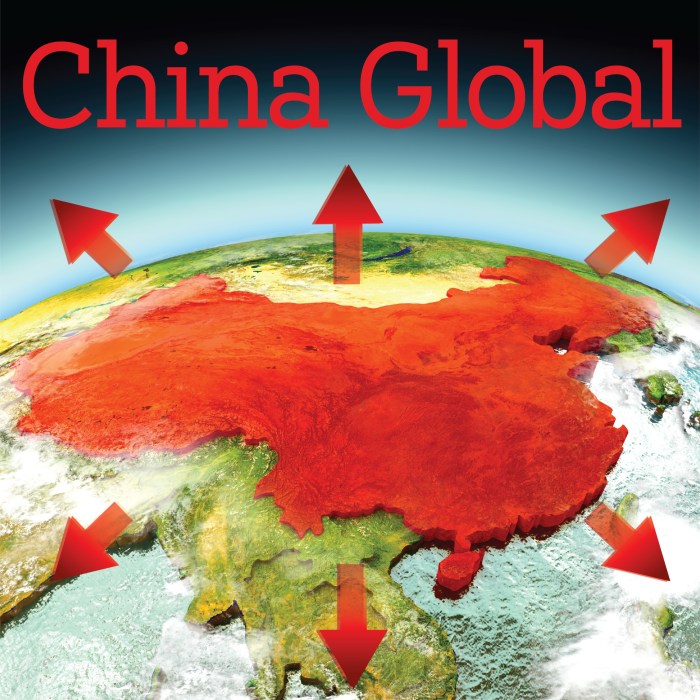
Regional cooperation is crucial for facilitating trade between nations. A shared commitment to reducing barriers, harmonizing regulations, and fostering mutual understanding creates a more predictable and efficient environment for businesses. This interconnectedness benefits all participants by stimulating economic growth, creating jobs, and driving innovation.Strong regional ties enhance the collective bargaining power of participating nations, enabling them to negotiate more favorable trade agreements with other blocs.
This interconnectedness can lead to a more prosperous and stable regional environment.
Significance of Regional Cooperation in Facilitating Trade
Regional cooperation fosters trade by creating a predictable and streamlined environment for businesses. Harmonized regulations, reduced tariffs, and common standards reduce transaction costs and increase market access. This, in turn, encourages investment, promotes specialization, and enhances overall economic efficiency.
Role of International Organizations in Promoting Trade Liberalization
International organizations, such as the World Trade Organization (WTO), play a pivotal role in promoting trade liberalization by providing a platform for member countries to negotiate trade agreements, resolve disputes, and monitor trade policies. Their framework establishes guidelines and fosters transparency, reducing the likelihood of trade wars and promoting global economic growth. The WTO’s dispute settlement mechanism, for instance, provides a structured approach to resolving trade disagreements, ensuring that trade relations remain stable and predictable.
Potential Challenges and Opportunities in Fostering Stronger Regional Ties
While regional cooperation offers significant opportunities, it also faces challenges. Political disagreements, differing economic priorities, and security concerns can hinder progress. However, the potential for increased trade, investment, and economic growth serves as a strong incentive for overcoming these hurdles. Building trust and establishing mechanisms for conflict resolution are vital for successful regional integration.
China’s Premier recently urged ASEAN and Gulf nations to reduce trade barriers, highlighting the importance of seamless global commerce. Meanwhile, the Wild hockey team just locked down a key player, re-signing F Marcus Johansson for another year, which is a smart move for their future. This demonstrates a focus on stability and continuity, much like China’s push for reduced trade barriers between key regions, creating a positive cycle of economic growth for all parties involved.
wild re sign f marcus johansson one year deal. Ultimately, removing trade hurdles is a win-win, fostering better trade relations.
Comparison of Regional Cooperation Models of Different Trade Blocs
Different trade blocs, like the European Union (EU) and ASEAN, have developed unique regional cooperation models. The EU, for example, has a highly integrated structure with a common market, free movement of goods, services, capital, and people, and a unified currency. ASEAN, while having a more diverse range of economies, has also seen success in promoting trade liberalization through agreements and initiatives.
Studying and adapting successful models from other regions can inform strategies for fostering stronger regional ties.
Examples of Successful Regional Trade Initiatives in Other Parts of the World
The North American Free Trade Agreement (NAFTA), now the United States-Mexico-Canada Agreement (USMCA), exemplifies the potential benefits of regional trade liberalization. While facing challenges, it has spurred economic growth and increased trade among the participating countries. The success of the European Union in creating a single market showcases the transformative power of deep regional integration. Learning from these examples is critical for crafting effective regional trade initiatives.
Potential Collaborative Projects between China, ASEAN, and Gulf Nations
| Project Area | Potential Collaborative Activities |
|---|---|
| Infrastructure Development | Joint investment in transportation networks (roads, ports, railways) connecting the regions, facilitating seamless movement of goods and people. |
| Energy Cooperation | Exploration and development of joint energy projects, fostering sustainable energy solutions, and promoting energy security. Examples include exploring renewable energy resources and developing energy infrastructure. |
| Technological Innovation | Joint research and development initiatives in key technological sectors, promoting knowledge sharing and fostering innovation in areas like artificial intelligence, biotechnology, and renewable energy. |
| Financial Integration | Development of cross-border payment systems, establishment of regional financial institutions, and promotion of financial market integration to facilitate trade and investment flows. |
| Tourism Development | Joint marketing campaigns to promote tourism in each region, promoting cultural exchange, and developing infrastructure to attract tourists. |
Illustrative Examples and Case Studies
China’s Premier’s call for reduced trade barriers between China, ASEAN, and Gulf nations highlights the importance of seamless regional economic integration. These barriers, often stemming from differing regulations, tariffs, and bureaucratic processes, can stifle trade and hinder economic growth. Understanding specific examples of trade friction and successful agreements is crucial to evaluating the potential impacts of proposed solutions.
Specific Example of Trade Friction
Trade friction between China, ASEAN, and Gulf nations often arises from differing standards for product certification and labeling. For example, a Chinese company exporting electronics to the UAE might encounter delays and costs associated with adapting their products to meet UAE-specific safety and environmental regulations. Simultaneously, a Gulf nation exporter of oil and gas might face difficulties accessing the Chinese market due to complex import procedures and varying environmental regulations for the products involved.
These discrepancies can lead to higher costs, reduced market access, and decreased competitiveness for all parties involved.
Successful Trade Agreement Example
The ASEAN-China Free Trade Area (ACFTA) serves as a model for successful regional trade agreements. ACFTA significantly reduced tariffs and non-tariff barriers between China and ASEAN countries. This led to a substantial increase in trade volumes and economic growth for participating nations. The agreement facilitated increased investment flows and fostered stronger economic ties between the two regions.
Furthermore, ACFTA’s success highlights the importance of collaborative efforts in establishing transparent and efficient trade procedures, benefiting all participating economies.
Impact on Specific Industries
Trade barriers disproportionately affect specific industries. The automotive industry, for instance, often faces complex regulations regarding vehicle emissions and safety standards, potentially leading to increased costs and reduced competitiveness for manufacturers operating across multiple regions. Likewise, the agricultural sector might encounter difficulties due to differing sanitary and phytosanitary regulations, affecting the ability of producers to access foreign markets.
The challenges are amplified when dealing with multiple countries with varying regulatory frameworks.
Effects of Removing Barriers on a Company
Consider a hypothetical electronics manufacturer, “TechGlobal,” based in China, exporting to the Gulf region. Removing trade barriers, like harmonizing product safety standards, would significantly reduce the cost of compliance for TechGlobal. This reduction in compliance costs would allow them to lower prices, increase market share, and potentially expand production to meet increased demand. This, in turn, could create new jobs and stimulate economic growth within China and the Gulf region.
Case Study of Trade Liberalization Initiative
The Regional Comprehensive Economic Partnership (RCEP) is a significant example of a trade liberalization initiative. RCEP aims to reduce tariffs and trade barriers among participating countries, encompassing China, ASEAN, and other nations. By creating a unified market, RCEP fosters economic growth and reduces costs for businesses involved in cross-border trade. The agreement’s success is measured by increased trade volumes, investment flows, and improved economic conditions across the participating nations.
China’s premier urging ASEAN and Gulf nations to reduce trade barriers is definitely a positive step for global commerce. However, it’s worth noting that, alongside this, Moody’s is highlighting potential risks with retail investors increasingly pouring money into private credit, a trend that could create instability. Ultimately, while China’s focus on trade liberalization is good, navigating these complexities will be crucial for continued success.
Illustrative Infographic
<table border="1" cellpadding="5" cellspacing="0">
  <tr>
    <th>Country/Region</th>
    <th>Goods Exported to China</th>
    <th>Goods Exported to ASEAN</th>
    <th>Goods Exported to Gulf Nations</th>
  </tr>
  <tr>
    <td>China</td>
    <td>Electronics, Machinery</td>
    <td>Manufactured Goods, Textiles</td>
    <td>Infrastructure Projects, Investments</td>
  </tr>
  <tr>
    <td>ASEAN</td>
    <td>Agricultural Products, Textiles</td>
    <td>Electronics, Manufactured Goods</td>
    <td>Tourism, Services</td>
  </tr>
  <tr>
    <td>Gulf Nations</td>
    <td>Oil and Gas, Investment Products</td>
    <td>Investment, Financial Services</td>
    <td>Manufactured Goods, Consumer Products</td>
  </tr>
</table>
This table, formatted as an infographic, illustrates the potential flow of goods between China, ASEAN, and Gulf nations. Each cell represents the major categories of goods exported by one region to another. The visual representation highlights the interconnectedness of these regions through trade and the potential benefits of reduced trade barriers.
Analyzing Different Perspectives
The Chinese Premier’s call for ASEAN and Gulf nations to reduce trade barriers presents a complex tapestry of viewpoints. Different stakeholders, from businesses to governments, will likely interpret the statement through their own lenses, shaping their responses and influencing the ultimate success or failure of the initiative. Understanding these diverse perspectives is crucial to anticipating the potential challenges and opportunities that lie ahead.
Examining the varied responses to the initiative reveals crucial insights into the political and economic landscape. This analysis considers potential criticisms, alternative viewpoints, and the possible impact on different interest groups. By exploring these diverse perspectives, a more nuanced understanding of the initiative’s potential outcomes can be achieved.
Stakeholder Perspectives
Understanding the varied responses from different stakeholders is crucial. Different actors will react differently to the proposed trade liberalization, based on their individual interests and priorities.
- Businesses: Businesses in both China and the targeted regions may view the initiative positively, potentially leading to increased market access and lower costs. However, some businesses might be concerned about potential competition or disruptions to established supply chains. The specific industry and size of the business will significantly influence their response. For example, smaller businesses may struggle to adapt to the increased competition, while larger multinational corporations may have the resources to navigate the challenges more easily.
- Governments: Governments in ASEAN and Gulf nations may support the initiative if it benefits their economies. However, concerns about domestic industries facing competition, potential job losses, and the need to protect domestic industries might lead some governments to be more cautious or resistant to the proposed policies. The political climate in each country will also play a significant role in the government’s response.
For instance, countries with strong nationalist sentiments might be less inclined to support the initiative.
- Labor Unions: Labor unions in the targeted regions might express concerns about potential job losses or wage stagnation. They may advocate for protective measures to safeguard workers’ rights and interests. The bargaining power and organizational strength of labor unions will determine their ability to influence the policy outcomes.
Potential Criticisms and Responses
Potential criticisms of the initiative are important to consider. Identifying and addressing these criticisms proactively is essential for the initiative’s success.
- Protectionist Sentiments: Some stakeholders might oppose the removal of trade barriers, arguing that it would harm domestic industries and lead to job losses. Governments may respond to these concerns by implementing support programs for affected industries or sectors, including retraining programs for displaced workers. The ability to effectively implement such programs will influence the overall outcome.
- Unfair Competition: Concerns about unfair competition from more developed economies like China might be raised. The response to these criticisms should include transparent discussions about ensuring fair and equitable trade practices. This might include mechanisms to address intellectual property theft or subsidies. Providing a level playing field is essential for the success of the initiative.
- Implementation Challenges: The initiative’s practical implementation could face significant challenges, such as differing regulations, bureaucratic hurdles, and cultural differences. A strong focus on building trust and establishing clear communication channels can help address these challenges. Collaboration and mutual understanding are key to smooth implementation.
Alternative Viewpoints and Counterarguments
Alternative viewpoints and counterarguments are valuable in fostering a more comprehensive understanding. Analyzing these alternative perspectives enriches the discussion and allows for a more balanced assessment of the potential implications.
- Long-term Economic Benefits: Proponents might argue that the long-term economic benefits of increased trade outweigh the short-term costs. This could be supported by historical data demonstrating that trade liberalization has generally led to economic growth. The extent to which this argument resonates will depend on the specific context and the available evidence.
- Regional Integration: The initiative could be viewed as a step toward greater regional economic integration, fostering closer ties and cooperation among the participating nations. This is particularly relevant in a globalized world, where economic cooperation is becoming increasingly important.
- Increased Consumer Choice: Removing trade barriers could lead to greater consumer choice and lower prices for consumers in participating countries. This can stimulate economic activity and increase overall welfare. The extent to which this occurs will depend on factors such as the level of competition and the availability of substitutes.
Last Point: Chinas Premier Tells Asean Gulf Nations Remove Trade Barriers
China’s Premier’s call for reduced trade barriers between China, ASEAN, and Gulf nations promises a complex interplay of opportunities and challenges. The potential economic benefits are substantial, but obstacles remain, including differing political and economic ideologies, and existing trade agreements. This discussion highlights the need for careful consideration and potential solutions, paving the way for a potential era of increased trade and economic growth, albeit with a multitude of considerations to bear in mind.