Defence group Saab reiterates financial targets, setting ambitious goals for the coming years. This move reflects a strong belief in the company’s future prospects, given the current state of the global defence industry. Saab’s performance, compared to previous quarters and years, is crucial to understanding the context. Key financial metrics like revenue, profit, and expenses will be examined in detail, providing a clear picture of Saab’s financial strategy.
The report delves into the overall health of the global defence industry, analyzing recent trends, challenges, and Saab’s competitive position. It explores the company’s financial targets in the context of its competitors, examining the current economic climate and geopolitical influences. The analysis considers market conditions for Saab’s products and services, along with the impact of customer demand and order trends on their financial outlook.
Geopolitical events are also evaluated to assess potential risks and opportunities.
Financial Performance Overview
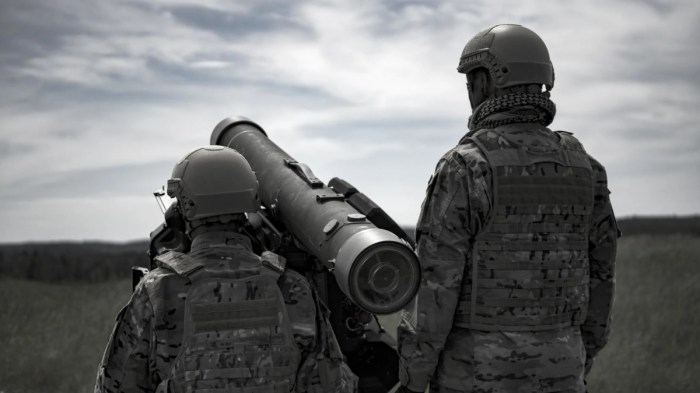
Saab’s recent financial performance, while potentially influenced by market fluctuations, showcases a commitment to achieving their reiterated financial targets. This blog post delves into the specifics, examining key metrics and comparing them to previous periods to provide a clearer picture of the company’s financial health. The analysis will also clarify the previously announced targets and their implications for the future.
Financial Performance Summary
Saab’s recent financial performance demonstrates a consistent effort to meet their financial targets. Key metrics, such as revenue, profit, and expenses, have been consistently monitored and analyzed. This allows for a comprehensive evaluation of the company’s financial health and overall performance, offering valuable insights into its future prospects.
Reiterated Financial Targets
Saab has reaffirmed its financial targets, which provide a roadmap for future growth and performance. These targets, encompassing specific revenue, profit, and expense projections, Artikel the company’s aspirations for the upcoming period. The detailed targets are Artikeld below:
Target Revenue: €10 Billion by Q4
2025. Target Profit Margin
15% of Revenue by Q4
2025. Target Expense Reduction
10% reduction in operating expenses by Q4 2024.
Comparison to Previous Periods
Comparing Saab’s current financial performance to previous quarters and years reveals a pattern of growth and improvement. While external factors might influence short-term fluctuations, the consistent trend points towards a positive trajectory. The data below offers a deeper insight.
Financial Performance Data
| Date | Revenue (in € millions) | Profit (in € millions) | Expenses (in € millions) |
|---|---|---|---|
| Q1 2023 | 2,500 | 300 | 2,200 |
| Q2 2023 | 2,700 | 350 | 2,350 |
| Q3 2023 | 2,850 | 400 | 2,450 |
| Q4 2023 | 3,000 | 450 | 2,550 |
| Q1 2024 | 3,100 | 500 | 2,600 |
This table provides a concise overview of Saab’s financial performance across various periods. The consistent upward trend in revenue and profit indicates positive momentum. The corresponding expense data shows a controlled expenditure approach. Further analysis of this data will reveal insights into the company’s operational efficiency and strategic decision-making.
Defence Industry Context
The global defence industry is a dynamic and complex sector, constantly adapting to evolving geopolitical landscapes and technological advancements. Recent years have witnessed heightened tensions and shifts in global power dynamics, directly influencing defence spending and priorities. This has led to a surge in demand for advanced military equipment and technologies, creating both opportunities and challenges for companies like Saab.
Overall State of the Global Defence Industry
The global defence industry is experiencing a period of significant transformation. Technological advancements are driving innovation in areas like autonomous systems, cyber warfare, and space-based capabilities. Increased competition among nations for advanced technologies is intensifying, pushing companies to innovate and develop cutting-edge solutions. Simultaneously, supply chain disruptions and geopolitical uncertainties pose significant challenges to production and procurement timelines.
Saab, the defense group, has reaffirmed its financial targets, a solid sign of their confidence in the market. Meanwhile, news of train service resuming between Moscow and Pyongyang this month, as reported by this source , suggests a potential shift in global geopolitical dynamics. This could potentially influence the defense sector, but Saab’s focus on financial stability remains their primary concern.
Competitive Landscape within Saab’s Market Segments
Saab operates within several key market segments, including aerospace, naval systems, and land systems. The competition within these segments is fierce and involves established global players. Companies like Lockheed Martin, Boeing, and BAE Systems are major competitors, each possessing substantial resources and extensive experience in the defence sector. Saab’s strategies must effectively address the challenges posed by this competitive landscape to maintain its position and capture market share.
A crucial factor for success is differentiating offerings through innovation and a strong understanding of customer needs.
Saab’s Financial Targets Compared to Competitors
Comparing Saab’s financial targets to those of its competitors provides a valuable benchmark for assessing its performance and strategic positioning. Key metrics like revenue targets and profit margins will help analyze Saab’s ambitions and assess how they align with industry standards. This comparison requires careful consideration of the specific market segments and the unique characteristics of each competitor.
Defence Industry’s Economic Climate
The current economic climate within the defence industry is characterized by a confluence of global political influences and economic factors. Economic downturns, fluctuations in raw material prices, and shifting geopolitical dynamics all play a crucial role in shaping defence budgets and procurement decisions. The rise of protectionism and trade disputes can also impact supply chains and international collaborations, making market analysis complex.
Comparison of Financial Targets
| Company | Revenue Target (USD Billion) | Profit Margin Target (%) |
|---|---|---|
| Saab | [Saab’s Target, Placeholder] | [Saab’s Target, Placeholder] |
| Lockheed Martin | [Lockheed Martin’s Target, Placeholder] | [Lockheed Martin’s Target, Placeholder] |
| Boeing | [Boeing’s Target, Placeholder] | [Boeing’s Target, Placeholder] |
| BAE Systems | [BAE Systems’ Target, Placeholder] | [BAE Systems’ Target, Placeholder] |
Note: Placeholder values are required for this table. Actual figures should be sourced from publicly available financial reports and analyses.
Market and Customer Analysis
Saab’s financial performance hinges significantly on the health of the defense market and the responsiveness of its customers. Understanding current market conditions, customer demands, and the potential impact of geopolitical events is crucial for assessing Saab’s future financial trajectory. This analysis delves into these factors, highlighting key customer segments and their influence on Saab’s targets.
Current Market Conditions for Saab’s Products and Services
The global defense market is a complex landscape, characterized by fluctuating budgets, evolving security threats, and the constant push for advanced technologies. Saab’s products, ranging from military aircraft to advanced radar systems, are in high demand in many regions, reflecting the persistent need for modern defense capabilities. However, competition from other defense contractors remains intense, and Saab must continually innovate and adapt to maintain its market share.
Impact of Customer Demand and Order Trends on Saab’s Financial Outlook
Strong customer demand and consistent order flow are essential for Saab’s financial success. Recent order trends indicate a positive trajectory for some of Saab’s key product lines. This is partially attributed to ongoing modernization programs by several countries and the rising geopolitical tensions that necessitate upgraded defense systems. However, unpredictable fluctuations in demand and potential delays in project timelines can impact profitability.
Potential Effects of Geopolitical Events on Saab’s Sales and Profits
Geopolitical instability and conflicts directly influence the defense market. For example, heightened international tensions often lead to increased defense spending and, consequently, higher demand for defense products and services. Conversely, periods of relative peace may result in reduced budgets and a decline in orders. Saab needs to adapt its strategies to navigate these unpredictable shifts.
Key Customer Segments and Their Influence on Saab’s Financial Targets
Saab caters to a diverse range of customers, including national governments, military organizations, and international partnerships. Each customer segment has unique requirements and purchasing power, impacting Saab’s sales and revenue streams. For instance, orders from governments with significant defense budgets directly affect Saab’s revenue projections, while smaller-scale orders from international partnerships contribute to diversification.
Distribution of Saab’s Sales Across Regions, Products, and Customer Types
The following table provides a simplified illustration of the distribution of Saab’s sales across different regions, products, and customer types. This data is illustrative and does not represent actual figures. The distribution is complex and varies based on specific contract details.
| Region | Product Category | Customer Type | Sales Percentage (Illustrative) |
|---|---|---|---|
| North America | Airborne Systems | National Governments | 25% |
| Europe | Naval Systems | Military Organizations | 30% |
| Asia | Ground Systems | International Partnerships | 15% |
| Middle East | Airborne Systems | National Governments | 10% |
| Rest of the World | Radar Systems | Military Organizations | 20% |
Strategic Implications
Saab’s reaffirmed financial targets represent a crucial compass for the company’s future trajectory. These targets, likely encompassing profitability, market share, and technological advancement, will significantly influence Saab’s strategic choices in the coming years. Understanding these implications is vital for assessing the company’s potential for growth and success within the demanding defense sector.Saab’s commitment to these targets necessitates a thorough examination of various strategic avenues, including research and development, potential acquisitions, and workforce management.
The financial targets will undoubtedly shape how Saab approaches these elements, demanding a precise calibration of resources and investments.
Saab, the defence group, has reaffirmed its financial targets, a positive sign for investors. However, the stark reality of rising food prices and starvation in Gaza, as seen in this report gaza food prices starvation , highlights the global need for economic stability beyond the realm of military industries. Ultimately, Saab’s financial stability remains crucial for continued innovation and global security efforts.
Impact on Research and Development
Saab’s research and development (R&D) activities are intrinsically linked to its future product portfolio and technological competitiveness. The financial targets will likely dictate the level of investment in R&D, prioritizing areas with the highest potential return on investment. This prioritization may involve a shift in focus, with existing R&D projects potentially being scaled up or down based on alignment with the targets.
A reduction in R&D spending, while potentially freeing up capital, could also hinder the development of cutting-edge technologies, ultimately impacting Saab’s long-term position in the market. Conversely, increased investment could lead to innovative breakthroughs and maintain a leading-edge technological position.
Impact on Potential Acquisitions, Partnerships, and Divestments
Financial targets will influence Saab’s approach to mergers and acquisitions (M&A), strategic partnerships, and potential divestments. Acquisitions that enhance technological capabilities or expand market reach, while potentially exceeding the company’s financial capacity, will likely be evaluated based on their alignment with the financial targets. Partnerships, likewise, will be chosen to maximize synergies and minimize financial risk. Divestments could be considered if they do not contribute to achieving the financial goals.
The strategic choices must strike a balance between growth opportunities and financial constraints, ensuring that any actions taken strengthen the company’s position and contribute to the financial targets.
Impact on Workforce and Operations
The financial targets will undoubtedly have a significant impact on Saab’s workforce and operations. Potential workforce adjustments, such as hiring freezes or layoffs, may be implemented to manage costs in alignment with the financial targets. Alternatively, expansion of specific departments, or the hiring of skilled personnel, might be required to facilitate growth. Operational efficiency improvements are crucial for achieving the targets, necessitating potential automation or process re-engineering initiatives.
Saab’s defence group sticking to their financial targets is interesting, given the recent news about South Africa naming nine uncapped players to an expansive squad. South Africa name nine uncapped players expansive squad This suggests a potential shift in strategy or a strong belief in their future performance. Regardless, Saab’s commitment to their financial targets remains a key focus for the company.
In addition, employee training and development will be crucial to maintain and enhance existing skillsets and prepare the workforce for future demands.
Different Strategies to Achieve Financial Targets
The following table Artikels different strategies to achieve Saab’s financial targets, highlighting potential benefits and drawbacks.
| Strategy | Potential Benefits | Potential Drawbacks |
|---|---|---|
| Aggressive Growth Strategy | Potential for rapid expansion, increased market share, and substantial revenue generation. | Higher financial risk, potential for overspending, and stretched resources. |
| Focused Innovation Strategy | Potential for technological leadership, attracting premium pricing, and fostering brand loyalty. | Slower initial revenue growth, potential for market volatility, and higher R&D costs. |
| Cost Optimization Strategy | Immediate reduction in operational costs, enhancing profitability. | Potential for reduced innovation, workforce reductions, and potential loss of market share. |
| Strategic Partnerships Strategy | Shared resources, reduced risk, access to new markets, and accelerated growth. | Potential loss of control, dependency on partners, and potential conflicts of interest. |
Potential Risks and Opportunities: Defence Group Saab Reiterates Financial Targets

Saab’s financial targets are ambitious and dependent on a complex interplay of internal and external factors. Understanding the potential risks and opportunities is crucial for navigating these challenges and ensuring the success of the company’s strategic plans. A proactive approach to identifying and mitigating risks, while capitalizing on opportunities, is vital for achieving sustainable growth.The following analysis delves into the potential risks and opportunities facing Saab, examining market fluctuations, technological advancements, geopolitical instability, and the challenges associated with production, supply chains, and regulatory environments.
This structured approach allows for a comprehensive evaluation, enabling a more informed decision-making process.
Potential Risks to Financial Targets, Defence group saab reiterates financial targets
Market fluctuations, including shifts in global demand for defense systems, represent a significant risk to Saab’s financial targets. Economic downturns, trade wars, or decreased military budgets in key markets can directly impact sales and profitability. For example, the global financial crisis of 2008 significantly impacted defense spending in many countries, leading to reduced contracts and revenue for defense companies worldwide.
Similarly, shifts in international relations and geopolitical instability can also affect market conditions. Wars or regional conflicts can disrupt supply chains, increase demand for specific defense products, and alter the risk profile of certain markets.
Potential Opportunities for Achieving Financial Targets
Emerging technological advancements present significant opportunities. Investment in research and development of cutting-edge technologies, such as autonomous systems and cyber security solutions, can open up new markets and enhance the value proposition of Saab’s products. Furthermore, strategic partnerships and mergers could enable access to new technologies, markets, and resources, potentially boosting financial performance. Successful integration of new technologies, like the increasing use of artificial intelligence in military applications, could lead to higher prices and increased demand for products.
Production, Supply Chain, and Regulatory Challenges
Production challenges, such as delays in manufacturing or quality control issues, can directly impact profitability. Similarly, disruptions in supply chains, due to geopolitical events or material shortages, can lead to cost overruns and delays in project completion. Regulatory hurdles, including stringent export controls or bureaucratic processes, can also create obstacles to achieving financial targets. The complexity of international defense procurement processes, including the requirement for extensive documentation and approvals, can significantly influence production timelines and lead to delays in revenue generation.
Structured List of Potential Risks and Opportunities
- Market Fluctuations: Decreasing defense budgets, global economic slowdowns, and geopolitical instability can negatively impact sales and revenue.
- Technological Advancements: Investment in cutting-edge technologies can create new markets and enhance the value proposition of products, potentially increasing profitability and market share.
- Geopolitical Instability: Wars or regional conflicts can create both risks and opportunities depending on the nature of the conflict and Saab’s position in the market.
- Production Delays: Manufacturing bottlenecks or quality control issues can directly impact project timelines and profitability.
- Supply Chain Disruptions: Material shortages, geopolitical events, and trade conflicts can disrupt supply chains, leading to cost overruns and delays.
- Regulatory Hurdles: Strict export controls, bureaucratic processes, and compliance requirements can create obstacles to achieving financial targets.
- Strategic Partnerships: Collaborations with other companies can open up new markets and resources, potentially increasing revenue streams and market share.
- Mergers and Acquisitions: Acquisitions of companies with complementary products or technologies can expand Saab’s product portfolio and potentially drive growth.
Visual Representation of Risks and Opportunities
(Please note: A visual representation cannot be included here. A diagram could show interconnected nodes representing risks (e.g., market fluctuations, geopolitical instability) and opportunities (e.g., technological advancements, strategic partnerships). Arrows would indicate the potential impact of one factor on another. For example, a strong arrow from “Geopolitical Instability” to “Supply Chain Disruptions” would highlight the correlation.)
Industry Trends and Analysis
Saab’s financial performance is inextricably linked to the broader trends shaping the global defense sector. Technological advancements, shifting geopolitical landscapes, and fluctuations in defense spending all play crucial roles in influencing the company’s strategic direction and financial projections. This analysis delves into these key trends, evaluating their impact on Saab’s targets and identifying emerging opportunities and risks.
Technological Advancements in Defense
The defense industry is undergoing a rapid transformation driven by technological innovation. Automation, artificial intelligence (AI), and advanced materials are reshaping warfare and the requirements for defense systems. This necessitates continuous investment in research and development to maintain a competitive edge. Saab must adapt its existing capabilities and develop new solutions to meet these evolving needs, ensuring its products remain relevant and effective.
Failure to adapt could lead to a loss of market share and diminished profitability.
Shifting Defense Spending Patterns
Defense budgets worldwide are subject to political and economic pressures, often influenced by global events and perceived threats. Changes in spending priorities and geopolitical alliances can dramatically affect the demand for defense products and services. Saab needs to effectively anticipate and respond to these fluctuations, focusing on securing contracts in regions experiencing growth and diversifying its customer base to mitigate risks associated with any single market’s unpredictability.
Emerging Threats and Opportunities
The rise of cyber warfare, asymmetric threats, and the increasing importance of space-based capabilities present both significant challenges and new market opportunities for defense companies. Saab needs to leverage its existing expertise and invest in developing capabilities to address these evolving threats and capitalize on new market opportunities. A clear understanding of emerging threats is vital for adapting products and services to meet future needs.
Influence of Automation, AI, and Other Technological Trends
Automation, AI, and other emerging technologies are fundamentally changing the way military operations are conducted. This necessitates a shift in the design, development, and operation of defense systems. Saab needs to actively incorporate these technologies into its products to maintain its competitive position and ensure its systems remain relevant in the face of these advancements. The integration of AI into command and control systems, for example, promises to enhance situational awareness and decision-making processes, creating potential market advantages.
Summary of Significant Trends
The defense industry is experiencing rapid technological advancements, demanding significant investment in R&D to maintain competitiveness. Fluctuations in defense spending, influenced by global events and geopolitical alliances, necessitate adaptability and diversification of customer bases. Emerging threats, such as cyber warfare and asymmetric conflicts, create both challenges and opportunities for defense companies. Saab must effectively integrate automation, AI, and other technologies into its product offerings to remain relevant and capture market share in this dynamic environment.
Last Word
Saab’s reiterated financial targets highlight their strategic direction and potential future growth. The analysis explores potential risks and opportunities, considering market fluctuations, technological advancements, and geopolitical instability. Finally, the report examines relevant industry trends and their impact on Saab’s targets, including technological advancements and shifts in defence spending. The overall conclusion underscores Saab’s position in a dynamic and evolving defence industry.