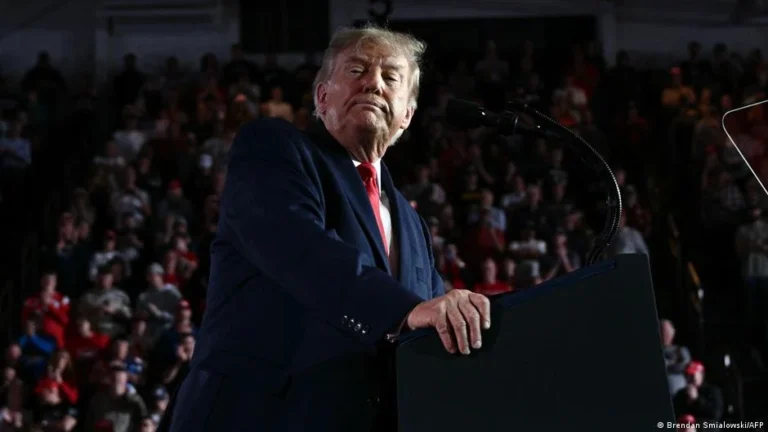
The 2026 midterm elections have concluded with a decisive shift in the legislative balance of power, as the Democratic Party secured control of both the House of Representatives and the Senate. This electoral outcome represents a significant reversal of fortune for the incumbent administration and serves as a critical stress test for the resilience of United States democratic institutions. As the dust settles, the implications for domestic policy, international relations, and the future trajectory of the Republican Party are coming into sharp focus.
A Chronology of the 2026 Election Cycle
The road to the 2026 midterms was defined by intense polarization. Following the electoral cycles of the early 2020s, the political climate was marked by legislative gridlock and high-profile executive actions. The build-up to this November saw a concentrated effort by both parties to define the narrative of American governance.
Early in 2026, the legislative agenda was stalled by disputes over infrastructure funding and social spending, prompting President Trump to rely increasingly on executive orders. By mid-summer, polling suggested that voter anxiety regarding the state of democratic norms was peaking. The final weeks of the campaign saw an unprecedented level of mobilization, particularly among younger demographics and voters in traditionally conservative-leaning districts. When the final ballots were tallied on Tuesday, the results indicated a clear mandate from the electorate for a return to legislative oversight and institutional stability.
The Institutional Resilience of US Democracy
For years, political scientists and historians have debated the durability of the American constitutional framework in the face of populist pressure. The storming of the Capitol in early 2021 and subsequent attempts to alter electoral certification procedures fostered a pervasive concern that the U.S. was drifting toward an authoritarian model. However, the 2026 midterms have demonstrated that the system’s "checks and balances" remain operational.
Data from an extensive post-election survey conducted by the Associated Press reveals that approximately 30% of the electorate identified the "state of democracy" as the paramount issue facing the nation. Furthermore, 70% of respondents expressed that Congress had failed to provide adequate oversight of the presidency. By reclaiming the legislature, voters have empowered the Democratic Party to utilize the "power of the purse"—the ability to control federal spending—to act as a structural constraint on executive overreach. This shift ensures that future executive orders, particularly those attempting to bypass traditional legislative hurdles, will face rigorous scrutiny in committee hearings and budgetary reviews.
Changing Tides: The Democratic Party’s Evolution
The Democratic victory was characterized by surprising penetration into Republican strongholds. Beyond maintaining core urban bases, the party secured critical victories in Texas and South Carolina, states that have historically been reliable markers of conservative strength. The most symbolic win occurred in Kansas, where a Democrat captured a Senate seat for the first time since 1932.
This electoral success has been attributed to a strategic pivot toward a new generation of leadership. A notable trend was the success of candidates affiliated with, or endorsed by, the Democratic Socialists of America (DSA). By focusing on tangible economic issues such as affordable housing, healthcare reform, and the curtailing of corporate influence, these candidates resonated with a younger, disaffected voting bloc. Brandon Bohrn, an expert on trans-Atlantic relations at the Bertelsmann Foundation, noted that the success of these progressive figures challenges the traditional view that such policies are non-viable on a national stage. This development is expected to ignite a vigorous internal debate regarding the party’s ideological direction ahead of the 2028 presidential campaign.
The Republican Reckoning and Internal Fragmentation
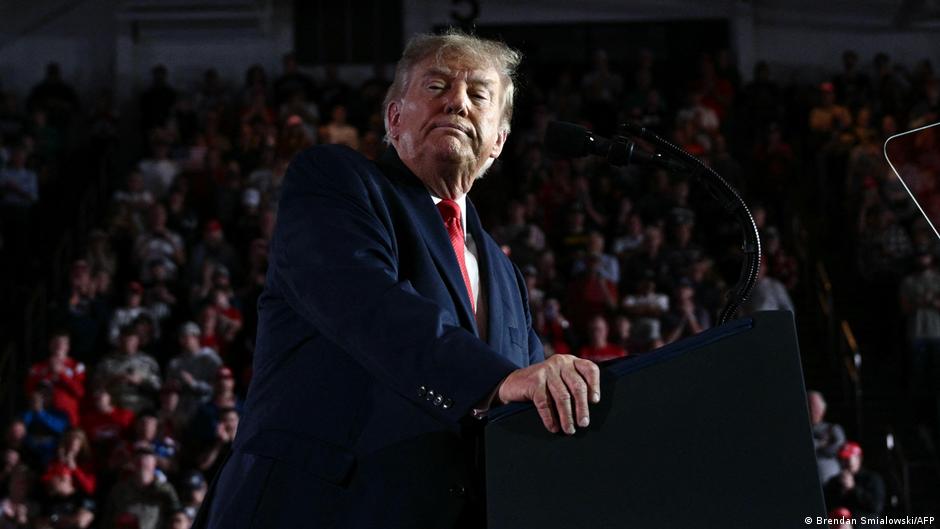
The Republican Party is currently navigating a period of profound uncertainty. President Trump’s immediate reaction to the defeat, characterized by a refusal to accept personal responsibility for the party’s performance, has created a visible rift within the GOP. While the party’s base remains fiercely loyal to the former president, moderate and establishment-aligned Republicans are increasingly vocal about the need for a post-Trumpian strategy.
The constitutional reality that Donald Trump cannot seek a third term in 2028 has turned the midterm failure into a catalyst for an internal power struggle. Potential successors are already maneuvering to position themselves as the future of the party, with factions debating whether to double down on the populist rhetoric of the past six years or return to traditional conservative principles regarding limited government and fiscal restraint. The lack of a clear, unified policy platform following the election suggests that the GOP will spend much of the coming legislative session in a state of self-reflection and potential fragmentation.
Global Implications: Iran and the Middle East
The midterm results carry significant weight for international stability, particularly concerning the administration’s foreign policy toward Iran. The ongoing conflict in the region has been a source of economic strain in the U.S., contributing to inflationary pressures and energy price volatility—factors that proved detrimental to Republican candidates.
Domestic pressure to resolve the economic fallout of the conflict is mounting. There are early indications that the administration is adjusting its posture; recent announcements regarding the scaling back of military aid to Israel, though tied to existing expiration dates, signal a potential shift in strategy. With a Democratic-controlled Congress, the executive branch will face increased pressure to prioritize diplomatic solutions over prolonged military engagement. Observers suggest that the administration may be forced to seek a more sustainable, long-term framework for its Middle Eastern policy to appease a weary domestic audience.

The Trans-Atlantic Relationship and European Strategy
For European allies, the shift in Congressional control is viewed as a pivotal moment for trans-Atlantic relations. Ian Lesser of the German Marshall Fund emphasizes that the return of legislative power to the Democrats provides a mechanism to stabilize the U.S.-Europe partnership.
"This actually makes a big difference for Europe in a number of different important ways," Lesser noted. With the power to influence budget decisions and dictate military funding, the Democrats are positioned to bolster U.S. commitment to NATO, potentially insulating the alliance from unilateral executive attempts to reduce support. Furthermore, there is an optimistic outlook regarding potential cooperation on climate policy and environmental regulation, areas where the previous administration had retreated.
However, complex economic tensions remain. While Congress is expected to resist the implementation of new, aggressive tariff measures, existing trade disputes will not be resolved overnight. The protectionist tendencies embedded within both parties suggest that a complete reversal of current trade policy is unlikely. Nevertheless, the restoration of a degree of predictability in U.S. foreign policy is expected to be welcomed by European leaders as a necessary step toward restoring the broader trans-Atlantic alliance.
Conclusion: A New Legislative Chapter
The 2026 midterms have effectively ended the period of unchallenged executive dominance and signaled a return to a more traditional, albeit contentious, style of American governance. By utilizing their new mandate, the Democrats intend to address the voters’ demands for accountability and economic relief. As the focus shifts to the upcoming legislative session, the national conversation will move from the campaign trail to the halls of Congress, where the interplay between a resistant executive and a newly empowered legislature will determine the nation’s course for the next two years. The long-term impact of this election—whether it leads to renewed bipartisanship or deeper systemic division—remains to be seen, but the baseline for American political life has been fundamentally reset.