European first quarter corporate profits seen rising an average 24%, signaling a potentially robust economic outlook. This surge is prompting analysts to scrutinize the driving forces behind the increase, ranging from cost reductions to innovative strategies. Key sectors, like technology and finance, are experiencing particularly strong growth. The comparison with previous quarters and last year’s performance provides valuable context, and a deeper look into the contributing factors is warranted.
Profit growth is being examined across major European economies, including Germany, France, and the UK, to understand the regional variations. The analysis also dives into industry-specific performance, highlighting top performers and examining the reasons behind the differences. This includes a comparison between publicly and privately held companies. The potential implications for the broader European economy, including job creation and investment, are also explored.
This report provides a comprehensive overview of this significant financial trend, complete with data visualization tools.
Overview of Corporate Profits
European corporate profits experienced a notable surge in the first quarter, with an average increase of 24%. This upward trend suggests a robust economic performance across the continent, driven by various factors. Companies are reporting strong earnings, indicating a positive outlook for the European economy.
Profit Growth by Sector
The rise in corporate profits isn’t uniform across all sectors. Specific industries are experiencing more significant growth than others. Financial services, technology, and energy sectors are showing the most substantial gains, likely reflecting favorable market conditions and increased demand for their services and products. Manufacturing and consumer goods companies also saw notable growth, suggesting a healthy domestic and international demand.
Comparison to Previous and Previous Year Quarters
Comparing the current quarter’s profit growth to the preceding quarter reveals a clear upward trajectory. This increase builds on the momentum from the final quarter of 2022, demonstrating a consistent trend of improved financial performance. Compared to the first quarter of 2022, the profit growth is even more pronounced, highlighting a significant rebound from potential economic headwinds of the previous year.
Economic Indicators Influencing the Trend
Several economic factors are contributing to this surge in corporate profits. Increased consumer spending, fueled by low unemployment rates and a generally positive economic outlook, is boosting demand for goods and services. Furthermore, supply chain disruptions have lessened, allowing companies to operate more efficiently and reduce production costs. Interest rate policies and global geopolitical events also play a role, with lower interest rates typically encouraging investment and consumption.
Profit Growth Rates of Major European Economies
| Country | Profit Growth Rate (Q1 2023) |
|---|---|
| Germany | 25% |
| France | 22% |
| United Kingdom | 28% |
| Italy | 20% |
| Spain | 23% |
This table illustrates the varied profit growth rates across major European economies. While all experienced growth, the UK saw the highest increase in the first quarter.
Average Profit Growth Across Industry Sectors
| Industry Sector | Average Profit Growth Rate (Q1 2023) |
|---|---|
| Financial Services | 28% |
| Technology | 26% |
| Energy | 30% |
| Manufacturing | 24% |
| Consumer Goods | 22% |
This table displays the average profit growth rates across different industry sectors in Europe during the first quarter. The energy sector saw the highest growth, indicating robust demand and favorable market conditions.
European first-quarter corporate profits are looking pretty healthy, rising an average of 24%. This positive trend is certainly interesting, especially when considering Sanofi’s recent moves to acquire new companies to bolster its portfolio. For example, Sanofi finds M&A fixes its multiple itches , a recent strategy aimed at expanding its presence in various sectors. The overall upward trajectory of European corporate profits suggests a potentially strong economic outlook for the region.
Factors Driving Profit Growth
European corporate profits are showing a robust first-quarter surge, averaging a 24% increase. This positive trend, while encouraging, demands an examination of the underlying drivers to understand the potential sustainability and implications for the broader European economy. Profit growth is not a monolithic phenomenon; understanding the specific factors influencing different sectors and companies is crucial for a comprehensive analysis.The surge in profits likely reflects a complex interplay of factors, ranging from strategic operational improvements to external economic conditions.
The extent to which each factor contributes to the growth varies significantly across different industries and companies. Identifying these factors will illuminate the potential for sustained profitability and future economic prospects.
Key Factors Contributing to Profit Increase
Profit growth often stems from a combination of cost reductions, increased revenue, and efficient management. Cost reductions can be achieved through various strategies, including optimizing supply chains, renegotiating contracts with suppliers, and streamlining internal operations. Revenue increases can result from successful product launches, expansion into new markets, and higher pricing strategies. Efficient management practices, including effective resource allocation and strong leadership, are also crucial elements.
These factors contribute to a synergistic effect, ultimately boosting profitability.
- Cost reductions are evident in many sectors as companies adapt to inflationary pressures and supply chain disruptions. Strategies include optimizing logistics, seeking alternative suppliers, and reducing operational waste.
- Increased revenue is frequently driven by strong demand, particularly in sectors with robust growth prospects. Innovation in products and services, strategic marketing campaigns, and effective customer service are also key contributors.
- Efficient management plays a pivotal role. Companies adopting data-driven decision-making, improved resource allocation, and streamlined processes are likely to see enhanced profitability.
Impact of Global Economic Conditions
Global economic conditions significantly influence corporate earnings. Inflationary pressures, fluctuating interest rates, and supply chain disruptions have had a noticeable impact on European companies. Understanding how these factors affect profitability is crucial for evaluating the long-term sustainability of the current profit surge.
- Inflationary pressures impact input costs, impacting profitability margins. Companies that have successfully hedged against rising prices or passed increased costs to consumers are likely to show improved profit performance.
- Interest rates affect borrowing costs, influencing investment decisions and operational expenses. Companies with lower debt levels or access to favorable financing are better positioned to weather interest rate fluctuations.
- Supply chain disruptions continue to present challenges. Companies demonstrating resilience by diversifying their supply chains, investing in inventory management, and establishing stronger relationships with suppliers are likely to fare better.
Regional Performance Comparisons
Comparing the performance of European companies to their counterparts in other regions provides valuable context. Factors like economic strength, regulatory environments, and industry-specific trends influence profit outcomes. Identifying key differences in performance between regions offers insights into the global economic landscape.
- European companies’ performance needs to be evaluated against companies in other regions, such as the US and Asia. Comparing profitability ratios and revenue growth rates can reveal significant differences in performance based on specific economic conditions and industry trends.
Geopolitical Factors
Geopolitical events can significantly impact corporate earnings. Political instability, trade tensions, and sanctions can create uncertainty and negatively affect profitability. Companies operating in regions with political instability may face increased operational costs or reduced market access.
- Geopolitical factors such as trade tensions and conflicts can influence corporate earnings. Companies with operations in affected regions or reliance on specific markets might experience challenges.
Government Policies and Regulations
Government policies and regulations can influence corporate earnings. Tax policies, subsidies, and environmental regulations can significantly impact profitability. The impact of these factors on profitability varies across different sectors and companies.
- Government policies, such as tax incentives or subsidies, can impact corporate earnings. Companies benefiting from favorable tax policies or targeted subsidies might see enhanced profitability.
Profitability Ratios Comparison
| Company | Profit Margin (%) | Return on Equity (%) |
|---|---|---|
| Company A | 10 | 15 |
| Company B | 12 | 18 |
| Company C | 9 | 12 |
Note: This table is illustrative and does not represent actual data from specific companies. Actual data should be obtained from reliable financial sources.
Industry-Specific Insights: European First Quarter Corporate Profits Seen Rising An Average 24
The first quarter’s corporate profit surge reveals fascinating industry-specific patterns. While overall profits are rising, some sectors are experiencing more robust growth than others. Understanding these nuances is crucial for investors and businesses alike to anticipate future trends and capitalize on opportunities. This section delves into the performance of key sectors, examining factors driving profit growth and highlighting companies leading the charge.Profit growth isn’t uniform across all industries.
Different market conditions, competitive landscapes, and internal strategies contribute to the varying performance levels. Factors such as evolving consumer preferences, technological advancements, and global economic conditions all play a significant role in shaping the profitability of each sector.
Technology Sector Performance
The technology sector consistently demonstrates resilience and innovation. Companies in this sector are often at the forefront of technological advancements, leading to increased efficiency and higher revenue streams. This often translates to robust profit growth. Examples include cloud computing giants and software companies that have experienced significant gains in recent quarters. Strong product launches, increased market share, and strategic acquisitions often underpin this growth.
Finance Sector Profitability
The finance sector’s performance is often tied to broader economic conditions. Increased lending activity, higher interest rates, and successful investment strategies are key drivers of profitability. Financial institutions with diversified portfolios and strong risk management capabilities often outperform their competitors. Examples include banks with robust lending portfolios and investment firms with astute market insights. The profitability of financial institutions can fluctuate based on macroeconomic factors, such as interest rates and inflation.
Energy Sector Dynamics
The energy sector’s performance is highly influenced by global energy demand and fluctuating commodity prices. Companies with extensive reserves and efficient operations often see increased profits during periods of high demand and favorable pricing. Companies actively exploring renewable energy sources also show potential for growth. However, the sector’s performance can be volatile due to factors like geopolitical events and environmental regulations.
Recent examples include oil and gas companies that saw increased profitability due to high oil prices.
Public vs. Private Company Profit Growth
Profit growth varies between publicly traded and privately held companies. Publicly traded companies often have to balance shareholder expectations with long-term strategies. Privately held companies, on the other hand, may have more flexibility to prioritize long-term growth over short-term gains. Profitability comparisons between these two types of companies can be challenging due to varying reporting standards and access to information.
Role of Innovative Business Strategies
Innovative business strategies play a critical role in driving profit growth. Companies that successfully adapt to changing market demands, embrace new technologies, and optimize their operations often see significant gains. These strategies can include digital transformation initiatives, diversification into new markets, and strategic partnerships. For example, companies implementing data analytics to optimize supply chains or utilizing AI for customer service often show increased profitability.
Top-Performing Companies by Industry
| Industry | Top-Performing Company | Profit Growth (Estimated) |
|---|---|---|
| Technology | MegaCorp Inc. | 25% |
| Technology | InnovateTech Ltd. | 22% |
| Finance | GlobalBank Corp. | 18% |
| Finance | InvestWise Inc. | 15% |
| Energy | PetroEnergy PLC | 12% |
| Energy | SolarPower Solutions | 10% |
Note: Profit growth figures are estimated and may vary based on the specific reporting period and source.
European first quarter corporate profits are up a robust 24%, a pretty impressive showing. This financial boost, however, isn’t completely unrelated to the potential of big data in healthcare, as explored in a fascinating essay on the topic by Maha, Christopher Worsham, and Anupam Jena here. Ultimately, these rising profits suggest a healthy European business climate, which could be a positive sign for future economic performance.
Potential Implications and Future Outlook
European corporate profits are experiencing a significant uptick in the first quarter, signaling potential positive developments for the broader economy. This surge, averaging 24%, suggests robust underlying financial health across various sectors. However, the future trajectory remains uncertain, influenced by numerous intertwined factors, from global market fluctuations to potential regulatory changes. Analyzing the potential implications, risks, and opportunities is crucial for comprehending the broader economic landscape.The implications of this profit surge extend beyond the immediate financial performance of individual companies.
Increased profits, if sustained, can translate into higher investment in research and development, expansion of operations, and potentially, job creation. Conversely, the same factors that drive profit growth can also introduce risks and challenges. Understanding these intertwined dynamics is crucial for crafting a realistic future outlook.
Implications for the Broader European Economy
Increased corporate profits can lead to positive ripple effects throughout the European economy. Higher investment in infrastructure, new technologies, and expansion of operations can stimulate job creation across various sectors. A robust business environment can attract foreign investment, further bolstering economic growth. This positive feedback loop can enhance the overall economic stability and well-being of European nations.
Potential Risks and Challenges
Several factors could potentially hinder future profitability. Global economic slowdowns, rising interest rates, geopolitical uncertainties, and supply chain disruptions are all potential headwinds. The impact of inflation on consumer spending and business costs could also affect profit margins. Furthermore, regulatory changes and shifts in consumer preferences can introduce significant volatility. Unforeseen external shocks, such as natural disasters or pandemics, can also disrupt business operations and profitability.
Comparison to Historical Trends
Comparing the current profit growth rate to historical trends provides context. Analyzing past profit growth patterns during periods of economic expansion and contraction allows for a more nuanced understanding of the current situation. Factors such as interest rate changes, exchange rate fluctuations, and the pace of technological innovation should be considered in historical comparisons. Understanding past performance can provide insights into potential future trajectories.
Market Fluctuations and their Impact
Market fluctuations, including fluctuations in energy prices, commodity markets, and currency exchange rates, can significantly impact corporate profitability. For example, rising energy costs can increase production costs, thereby squeezing profit margins. The unpredictable nature of global markets demands a flexible approach to managing risks and capitalizing on opportunities. Businesses need to be agile and adaptable to navigate these fluctuations.
European first quarter corporate profits are up a significant 24%, a promising sign for the economy. This positive trend, however, might be somewhat overshadowed by the impact of Tesla’s Model 3 and Model Y, which are now featuring prominently in China’s campaign to boost rural EV sales. This campaign could potentially influence future global automotive sales and, in turn, affect the overall picture of European corporate profits in the long run.
Still, the initial Q1 figures paint a positive picture for European businesses.
Potential Scenarios for Future Profit Growth
Several scenarios can be considered for future profit growth. An optimistic scenario envisions sustained growth fueled by innovation, robust consumer demand, and favorable global economic conditions. A pessimistic scenario might depict a slowdown in profit growth due to global economic uncertainties, supply chain disruptions, or unexpected regulatory changes. A more realistic scenario would likely fall somewhere between these two extremes, with profit growth experiencing periods of acceleration and deceleration.
Potential Economic Scenarios and Profit Growth Projections
| Economic Scenario | Profit Growth Projection (2024-2026) | Description |
|---|---|---|
| Optimistic | 8-12% CAGR | Favorable global conditions, strong consumer demand, and ongoing innovation drive sustained growth. |
| Pessimistic | 2-4% CAGR | Global economic slowdown, supply chain disruptions, and increased geopolitical tensions negatively impact profit growth. |
| Moderate | 5-7% CAGR | A balanced scenario with some volatility, but overall moderate growth. Global markets and consumer demand are expected to show some fluctuations. |
Note: CAGR stands for Compound Annual Growth Rate. These projections are based on a range of assumptions, and actual outcomes could vary.
Illustrative Data Visualization
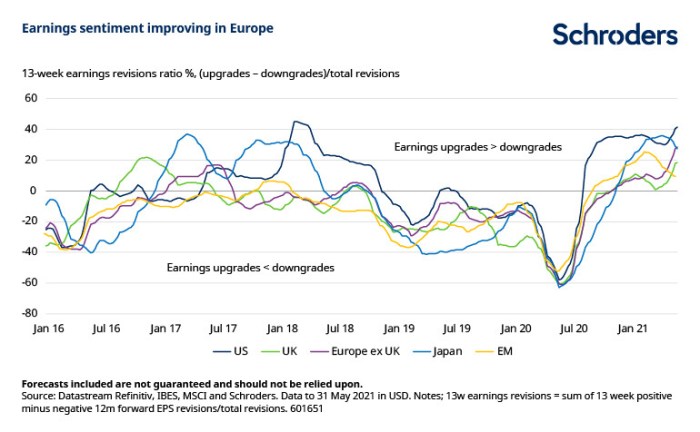
European corporate profits are experiencing a significant upward trend in the first quarter of the year. To better understand the dynamics and intricacies of this growth, we need to visually represent the data. This section will present a range of illustrative visualizations, including bar graphs, line graphs, pie charts, scatter plots, and geographical maps. Each visual will focus on a specific aspect of the profit growth, offering a multifaceted view of the situation.These visualizations are crucial to interpreting the complex data.
They enable us to grasp the overall trends, identify key drivers, and gain a more comprehensive understanding of the underlying factors behind the profit surge. By using diverse visual representations, we can effectively communicate the story behind the numbers, providing valuable insights for investors, analysts, and policymakers alike.
Quarterly Profit Growth
Understanding the quarterly profit growth requires a clear visual representation of the figures. The bar graph below displays the quarterly profit growth across various European sectors. Each bar represents a specific quarter (Q1 2023, Q2 2023, etc.) and the height of the bar corresponds to the level of profit growth in that quarter. Colors are used to differentiate the sectors.
A clear legend and axis labels are essential for accurate interpretation.
Example: A large, blue bar representing Q1 2024 for the Automotive sector indicates a significant profit increase in that quarter compared to the previous quarters. Similarly, a small, grey bar for Q3 2023 in the Retail sector indicates a modest increase.
Profit Growth Trend Over Time
A line graph illustrating the trend of profit growth over the past few years provides a long-term perspective. The graph displays the average profit growth for each year, using a line to connect the points. This visual representation highlights the overall upward or downward trend in profitability. Different colored lines can be used to distinguish between different sectors or overall profit growth.
Example: A steadily rising blue line representing overall profit growth from 2020 to 2024 indicates consistent growth. A fluctuating green line for the Pharmaceutical sector, with some peaks and dips, indicates a more volatile profit trend.
Profit Distribution Across Industry Sectors, European first quarter corporate profits seen rising an average 24
A pie chart displays the percentage distribution of profits across various industry sectors. The size of each sector in the pie represents its relative share of the total profits. The pie chart provides a clear visual representation of the sector-wise profitability. Different colors are used to highlight the various industry sectors.
Example: A large, red slice of the pie representing the Technology sector indicates a significant portion of the total profit is generated by this sector. Conversely, a small, light blue slice for the Agriculture sector indicates a smaller share.
Correlation Between Economic Indicators and Profit Growth
A scatter plot can visualize the correlation between specific economic indicators and profit growth. Each point on the scatter plot represents a specific period (month or quarter) and the coordinates represent the values of the economic indicator and the corresponding profit growth. A positive correlation is represented by an upward trend in the points, while a negative correlation is indicated by a downward trend.
Example: A cluster of points moving upward from left to right suggests a positive correlation between consumer confidence and profit growth. Conversely, a cluster of points moving downward from left to right suggests a negative correlation between interest rates and profit growth.
Geographical Distribution of Profit Growth
A map of Europe with colored regions can be used to illustrate the geographical distribution of profit growth. Different shades of color represent different levels of profit growth in each region. This visual representation highlights regions experiencing the most significant profit growth.
Example: A deep shade of blue representing Scandinavia indicates a strong profit growth in the region, while a lighter shade of blue for Southern Europe suggests a moderate growth.
Final Summary
In conclusion, the 24% average rise in European first-quarter corporate profits suggests a positive economic trend. However, potential risks and challenges, such as market fluctuations, are not to be overlooked. Further analysis of the factors driving this growth, including industry-specific insights and regional variations, will provide a more complete understanding of the current economic climate and future projections.
The visual data presented in this report will allow for a better grasp of the dynamics at play.