Finnair cancel 110 flights friday due industrial action – Finnair cancel 110 flights Friday due to industrial action, causing widespread disruption for passengers. This major airline hiccup highlights the complex interplay between labor disputes and the ripple effects on travel plans, finances, and the overall aviation industry. The cancellation numbers alone paint a picture of significant disruption, and the potential for financial losses is substantial for both the airline and impacted travelers.
This blog post delves into the impact of the cancellations, exploring the airline’s response, the context of the industrial action, financial implications, public perception, and future implications. We’ll analyze the factors driving this significant event and what it means for the future of air travel. Passengers’ rights, potential compensation, and the airline’s communication strategy will be key discussion points.
Impact on Passengers
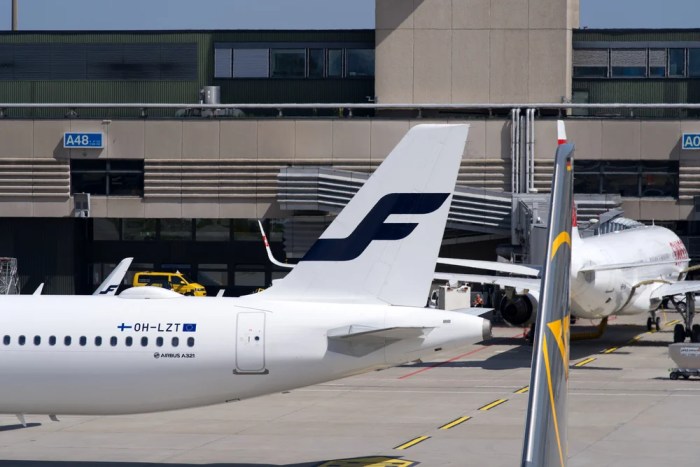
Finnair’s recent cancellation of 110 flights due to industrial action has significantly disrupted travel plans for numerous passengers. The disruption caused by these cancellations extends beyond inconvenience, impacting various aspects of passengers’ journeys and potentially leading to financial losses. Understanding the scope of this disruption and the potential support available to affected travelers is crucial.The impact of the flight cancellations on passengers is multifaceted, encompassing missed connections, delayed travel plans, and, in some cases, financial losses.
The scale of the disruption is substantial, and Finnair has a responsibility to address the concerns of those affected by the industrial action.
Number of Passengers Affected
The cancellation of 110 flights due to industrial action has undoubtedly affected a significant number of passengers. Precise figures on the total number of passengers impacted are not readily available. However, a single flight cancellation can impact dozens, or even hundreds, of travelers, especially if they have connecting flights or rely on that specific schedule. Estimating the total number of passengers affected requires collating data from each canceled flight.
Types of Impacts on Passengers
Passengers face a range of impacts due to the flight cancellations. Missed connections are a significant concern, as delayed or canceled flights can lead to the loss of subsequent connections. Travel plans may be disrupted, requiring passengers to rearrange their schedules, potentially leading to inconvenience and additional expenses. Financial losses can occur if passengers have booked flights and accommodation through a specific package or are required to rebook their travels at higher prices.
Potential Compensation Options
Finnair, as the airline responsible for the cancellations, should offer suitable compensation to affected passengers. Potential compensation options may include, but are not limited to, reimbursement for flight costs, assistance with alternative travel arrangements, or vouchers for future travel. The specific form and extent of compensation will depend on the individual circumstances and the terms of the passenger’s ticket.
So, Finnair canceled 110 flights this Friday due to industrial action, causing major travel disruptions. It’s a real shame, and highlights the potential for these sorts of issues to snowball. This reminds me of how similar disruptions can be caused by other factors, like the political climate, for instance, Trump’s sweeping tax cut bill, which included provisions to weaken court powers, as detailed here.
Ultimately, these things can all lead to unpredictable ripple effects, and it seems like travel chaos is in the air right now.
Passenger Rights in Flight Cancellations
Passengers have certain rights when flights are canceled, especially due to circumstances like industrial action. These rights often vary based on the specific regulations and agreements in place. For instance, in some jurisdictions, passengers may be entitled to compensation if the cancellation is beyond the airline’s control. Passengers should familiarize themselves with the specific regulations in place to understand their rights and options.
Table Outlining Passenger Impacts
| Passenger Category | Impact | Potential Compensation |
|---|---|---|
| Passengers with connecting flights | Missed connections, delayed onward travel, potentially significant travel disruptions. | Reimbursement for flight costs, assistance with rebooking, and potential vouchers for future travel. |
| Passengers with pre-booked accommodations | Disrupted travel plans, need for re-arrangement, possible financial losses due to rebooking expenses. | Reimbursement for accommodation expenses, assistance with rebooking, and potentially voucher options for future travel. |
| Passengers who booked through travel packages | Disrupted travel plans, potentially needing to rebook accommodation and flights, leading to financial losses. | Full or partial reimbursement of package costs, depending on the terms and conditions of the package deal. |
Airline’s Response: Finnair Cancel 110 Flights Friday Due Industrial Action
Finnair’s decision to cancel 110 flights on Friday due to industrial action highlights the complexities of managing disruptions in the aviation industry. The airline’s response to this significant operational hiccup is crucial in determining passenger satisfaction and maintaining public trust. This analysis will examine Finnair’s official statement, their assistance measures, and compare their actions to previous incidents, identifying potential lessons learned and evaluating their communication strategy.Finnair’s official statement regarding the cancellations likely detailed the reasons for the industrial action, emphasized the airline’s commitment to minimizing disruptions, and Artikeld the steps taken to rebook affected passengers.
This statement served as a public communication channel to inform passengers about the situation and their rights.
Official Statement and Passenger Assistance
Finnair’s official communication likely addressed the underlying cause of the flight cancellations, the industrial action. It would also have Artikeld the extent of the cancellations, specifying the affected routes and flight numbers. Crucially, the statement would have communicated Finnair’s commitment to assisting passengers affected by the cancellations, including options for rebooking, refunds, or alternative transportation arrangements.
Measures Taken to Assist Passengers
Finnair’s measures to assist affected passengers would have included providing clear communication channels for passengers to inquire about their options, offering rebooking options, and outlining policies for baggage handling and compensation. Passengers would have been informed about their rights and the specific procedures for requesting assistance. The availability of customer support channels, such as phone lines, email addresses, and online portals, would also have been highlighted.
Comparison to Past Incidents
Comparing Finnair’s response to similar incidents in the past will offer insights into their handling of disruptions. Past responses, including specific details about communication strategies, rebooking procedures, and compensation offered, could serve as benchmarks for assessing the effectiveness of the current response. Such comparisons could reveal trends in Finnair’s approach to crisis management.
Potential Lessons Learned
Potential lessons learned from the airline’s response could include the importance of proactive communication, the effectiveness of various rebooking options, and the efficiency of customer service channels. Lessons learned from previous incidents could guide the airline’s future crisis management strategies.
Communication Strategy During the Crisis
Finnair’s communication strategy during the crisis was likely crucial for managing passenger expectations and maintaining a positive image. The clarity and timeliness of communication would have been vital in minimizing passenger frustration and concerns. Analyzing the effectiveness of the communication strategy, including social media engagement and the accuracy of information, would be important for future crisis management.
Effectiveness of Actions Taken
Industrial Action Context
Finnair’s recent cancellation of over 110 flights due to industrial action highlights the complex interplay between labor relations and airline operations. Understanding the reasons behind the dispute, the role of unions, and the demands of the workers is crucial to comprehending the full impact on passengers and the airline’s future strategy. This analysis delves into the specifics of this labor dispute, placing it within the broader context of aviation industry labor relations.The industrial action stems from a disagreement between Finnair and its employees regarding working conditions, compensation, and job security.
This conflict is not unique to Finnair; similar issues have arisen in other sectors, including other airlines, where labor unions play a vital role in advocating for their members’ rights and interests.
Reasons Behind the Industrial Action
The industrial action at Finnair is rooted in several key issues. These often include concerns about pay levels, benefits packages, and the implementation of new working practices, which employees feel disproportionately affect their jobs and work-life balance. These concerns can be further amplified by wider economic pressures, impacting cost of living and the overall economic climate. Additionally, issues surrounding job security and potential redundancies during periods of industry change or downturn frequently fuel industrial action.
Role of Labor Unions
Labor unions, such as the one representing Finnair employees, are crucial mediators in labor disputes. They act as advocates for their members’ interests, negotiating terms and conditions of employment, and ensuring fair treatment. Their role is to represent the collective voice of employees and to fight for their rights. Unions provide a platform for workers to voice their concerns and negotiate collectively, which is often more effective than individual action.
The strength of the union and its ability to mobilize support plays a key role in the success or failure of the dispute.
Worker Demands
The specific demands of Finnair’s striking workers are not publicly available in detail. However, these often involve concrete improvements in compensation and working conditions, such as higher wages, improved benefits, and better scheduling. Workers may also be seeking job security guarantees, especially during times of industry restructuring or economic uncertainty.
History of Labor Relations at Finnair
Finnair’s labor relations history is marked by periods of both cooperation and conflict. Past agreements and disputes have shaped the current landscape and set precedents for the current negotiations. Understanding this history is critical to predicting the outcome of the current industrial action.
Comparison to Other Aviation Industry Disputes
Similar labor disputes have occurred throughout the aviation industry. These range from issues concerning crew scheduling and working hours to concerns over pay and benefits. The impact on airline operations and passenger travel can be significant, leading to disruptions and delays. The strategies employed by unions and management in these disputes often serve as precedents for future negotiations.
Key Players, Roles, and Demands
| Player | Role | Demands |
|---|---|---|
| Finnair Management | Employer | To reach a mutually acceptable agreement that minimizes disruption to operations and ensures the airline’s financial stability. |
| Finnair Employees’ Union | Representative of workers | Improvements in pay, benefits, and working conditions, as well as job security. |
| Finnish Government | Regulatory body (potential role in mediation) | To facilitate a resolution that is fair to both parties and beneficial to the Finnish economy. |
Financial Implications
Finnair’s decision to cancel 110 flights due to industrial action carries significant financial implications, impacting not only the airline itself but also the broader Finnish economy and tourism sector. Estimating precise figures is challenging, as various factors influence the final outcome, including the duration of the strike, the nature of the disruption, and the response of passengers. However, a comprehensive analysis of potential losses is crucial for understanding the severity of the situation.The immediate impact of these cancellations is a direct hit to Finnair’s revenue stream.
Lost ticket sales, ancillary revenue from meals and other services, and potential penalties for missed connections all contribute to a substantial loss. Further, operational costs associated with re-scheduling and accommodating affected passengers add another layer of financial burden. Beyond the immediate, the long-term consequences could extend into reputational damage, affecting passenger confidence and potentially impacting future bookings.
Estimated Financial Losses
Assessing the financial impact requires careful consideration of various factors. The number of cancelled flights, the typical revenue per flight, and the cost of re-routing passengers all contribute to the total loss. For instance, a cancellation of a flight with 150 passengers at a typical ticket price of €500 per person could lead to a loss of €75,000 in revenue alone.
Furthermore, the cost of re-scheduling flights and potentially offering refunds adds to the financial strain.
Potential Long-Term Impacts on Finnair’s Reputation
Disruptions like this can severely damage a company’s reputation. Negative publicity and dissatisfied passengers can lead to a decline in customer loyalty and brand perception. The severity of this reputational damage depends on how Finnair handles the situation and the communication strategies implemented to address passenger concerns and maintain transparency. Historical examples of airline disruptions show that the restoration of trust takes considerable time and effort.
Impact on the Finnish Economy
Finnair plays a vital role in the Finnish economy, supporting jobs, generating tax revenue, and fostering tourism. The cancellation of flights disrupts this economic engine. Reduced passenger numbers directly impact businesses that rely on the airline’s services, such as hotels, restaurants, and tour operators. The disruption also indirectly affects other industries dependent on tourism.
Impact on Tourism
The cancellations directly affect the tourism sector. Cancelled flights mean fewer tourists arriving or departing from Finland, which can significantly impact local businesses that rely on tourism revenue. Potential loss of revenue for hotels, tour operators, and other related industries could be substantial.
Impact on Finnair’s Stock Price
Negative events like these often lead to a decline in a company’s stock price. Investors may react negatively to the disruption, and the uncertainty surrounding the situation can negatively affect the perceived value of Finnair’s stock. This effect is dependent on the duration of the strike and the airline’s ability to mitigate the damage.
Potential Revenue Loss and Cost Implications
| Category | Impact |
|---|---|
| Lost Ticket Revenue | Significant loss due to cancelled flights and potential refunds. |
| Ancillary Revenue Loss | Reduced revenue from in-flight meals, beverages, and other services. |
| Rescheduling Costs | Expenses associated with re-routing passengers and managing their travel arrangements. |
| Refund Costs | Costs incurred for providing refunds to passengers affected by cancellations. |
| Operational Costs | Increased costs for maintaining operations and addressing passenger issues during the disruption. |
Public Perception
Finnair’s recent cancellation of 110 flights due to industrial action sparked significant public reaction, with online discussions ranging from sympathy to criticism. Understanding the public’s perspective is crucial for the airline to navigate the situation effectively and potentially mitigate long-term reputational damage. The following analysis delves into the public’s sentiment and the key themes emerging from the online discourse.
Finnair cancelled a hefty 110 flights this Friday due to industrial action, causing major travel disruptions. Meanwhile, it’s interesting to see how societies, like Poland, are trying to learn from their past mistakes, as highlighted in this article on how Poland is trying to move past its reliance on coal power to a cleaner energy future society watch poland tries learn lesson past it seeks power past coal.
This situation highlights the ripple effect of such industrial action on not just individual travelers but the entire global economy, similar to the potential disruptions from a shift away from coal in Poland. Hopefully, Finnair can quickly resolve the issue and get things back on track.
Public Reaction to Flight Cancellations
The public response to the flight cancellations was varied and complex. While some passengers expressed understanding of the situation, citing the industrial action as a legitimate reason for the disruptions, others voiced frustration and anger. Many highlighted the inconvenience and disruption caused by the cancellations, particularly those with tight travel schedules or those who had to reschedule their plans.
The significant impact on passengers’ travel plans and associated costs was a central theme.
Finnish airline Finnair cancelled a whopping 110 flights on Friday due to industrial action, causing major travel disruptions. It’s interesting to consider this in the context of other recent travel restrictions, like when Trump signed a proclamation banning travel from 12 countries, as reported by CBS News. While the reasons and impacts differ, both situations highlight the complexities and potential disruptions in global travel.
Hopefully, Finnair’s issues will be resolved quickly and passengers can get back on track.
Key Themes in Public Discussion
Several key themes emerged from the public discussion surrounding the flight cancellations. These included: the inconvenience and disruption caused to passengers; concerns regarding communication from Finnair; the legitimacy of the industrial action; and the airline’s handling of the situation. The effectiveness of Finnair’s communication strategy and the fairness of the industrial action were also frequently debated.
Social Media Discussions, Finnair cancel 110 flights friday due industrial action
Social media platforms became a crucial forum for public expression. Examples included numerous complaints about cancelled flights, lost luggage, and difficulty in getting information. Some posts highlighted the lack of clear communication from Finnair regarding flight status updates. Other posts emphasized the need for improved customer service and support for affected passengers. Many users shared their negative experiences, highlighting the disruption to their travel plans and the associated costs.
The sentiment was overwhelmingly negative, with posts focused on the inconvenience and lack of clear communication.
Impact on Finnair’s Brand Image
The flight cancellations undoubtedly had a negative impact on Finnair’s brand image. The disruption to passenger experience and the perceived lack of responsiveness to the situation created a sense of distrust and dissatisfaction. This could lead to long-term consequences, impacting future bookings and loyalty programs. The incident potentially damages Finnair’s reputation as a reliable and efficient airline.
Overall Sentiment Toward Finnair
The overall sentiment toward Finnair, based on online discussions, was predominantly negative. Many passengers expressed frustration and disappointment with the airline’s handling of the situation, particularly regarding communication and support for affected travelers. The public perceived the situation as largely negative, with a significant emphasis on the disruption to travel plans.
Public Sentiment Analysis
| Platform | Sentiment | Example Post |
|---|---|---|
| Negative | “Absolutely awful experience with Finnair. Cancelled flight with no clear communication. Extremely frustrating!” | |
| Mixed | “I understand there’s industrial action, but the lack of updates is unacceptable. Finnair needs to improve their communication.” | |
| Negative | “Finnair is a joke. Cancelled my flight, offered no compensation, and their customer service is non-existent. Avoid this airline.” | |
| Negative | “My trip was ruined by Finnair. They cancelled my flight with no notice. What a terrible experience!” |
Future Implications
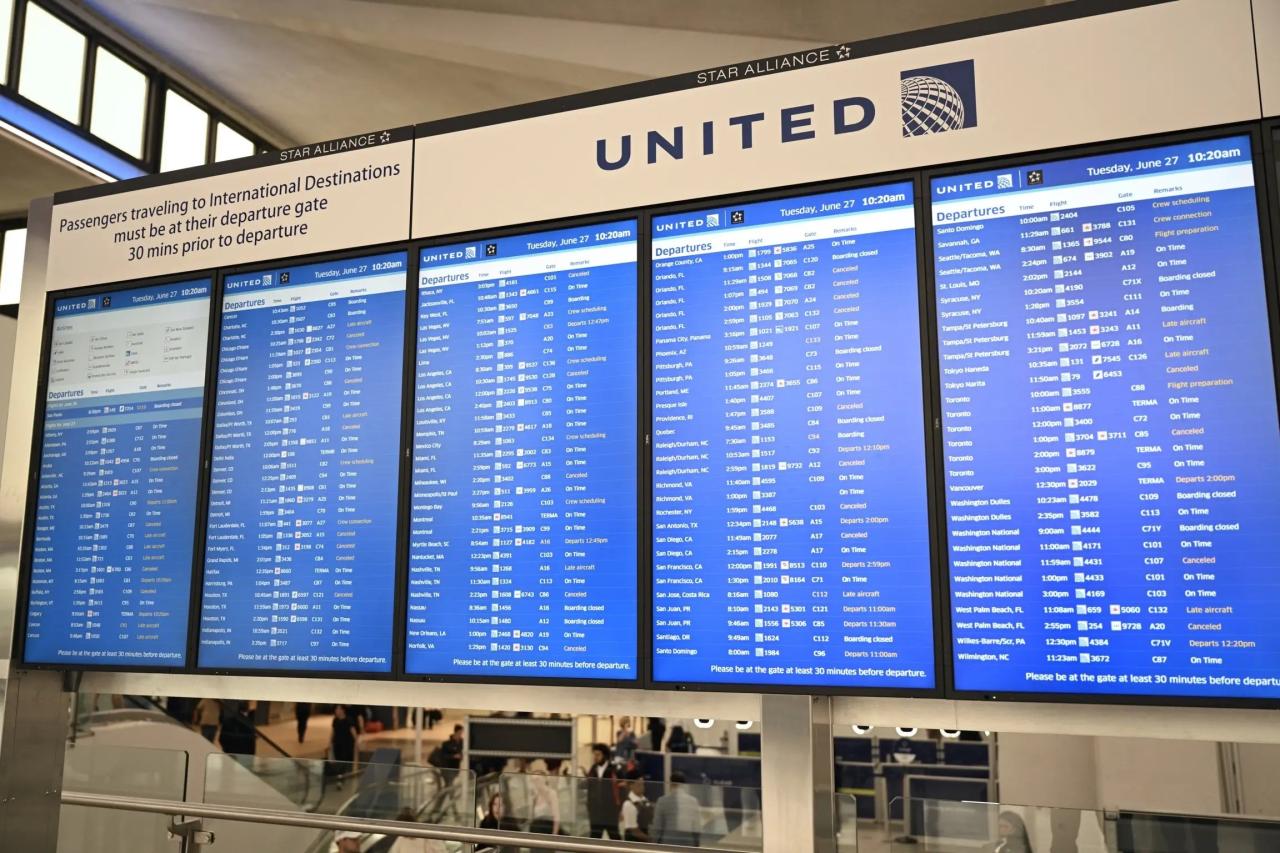
Finnair’s significant flight cancellations, attributed to industrial action, underscore the complex interplay between labor relations, operational efficiency, and passenger experience in the aviation industry. This incident highlights the need for proactive measures to mitigate disruptions and build resilience in the face of potential future challenges. The airline’s response and the long-term impact on both Finnair and the broader aviation sector will be crucial to observe.
Potential Changes to Finnair’s Operations
Finnair may need to reassess its operational strategies in response to the industrial action. This could involve exploring alternative staffing models, implementing contingency plans for future labor disputes, and potentially investing in advanced technologies to reduce reliance on specific personnel during critical periods. The disruption may also force Finnair to re-evaluate its workforce structure and explore more flexible arrangements.
They may need to consider the cost-benefit analysis of automation and technology upgrades to maintain service levels in the future.
Suggestions for Preventing Similar Incidents in the Future
Stronger communication channels between Finnair and its workforce are essential. Proactive engagement and negotiation, coupled with a clear understanding of employees’ concerns, can prevent escalation. Investing in robust dispute resolution mechanisms, including mediation and arbitration processes, could expedite conflict resolution. Regular reviews of labor contracts and working conditions, along with open dialogue on potential areas of improvement, can help prevent similar situations from arising.
Impact on Air Travel in General
The impact extends beyond Finnair. The industrial action highlights the vulnerability of air travel to unforeseen disruptions. The experience of passengers facing cancelled flights and logistical challenges emphasizes the need for robust contingency plans across the entire industry. This underscores the importance of transparent communication and passenger support mechanisms during unforeseen disruptions.
Potential Regulatory Changes or Industry Standards
Regulatory bodies might consider introducing stricter standards for handling industrial disputes in the aviation sector. This could involve mandatory dispute resolution procedures or specific requirements for contingency planning in the event of labor-related disruptions. Furthermore, the need for more standardized communication protocols during cancellations and delays might emerge.
Strategies to Enhance Passenger Experience and Support During Similar Disruptions
Finnair should prioritize proactive communication with passengers during potential disruptions. This includes providing clear, real-time updates on flight status and alternative travel options. Enhanced compensation packages for delayed or cancelled flights, and increased support for affected passengers, can significantly improve their experience. Implementing a user-friendly, easily accessible online platform to manage flight changes, track delays, and access customer service can further bolster support.
Potential Long-Term Impacts and Preventative Measures
| Potential Impact | Preventative Measure |
|---|---|
| Reduced passenger confidence and loyalty | Implementing a comprehensive customer relations strategy, emphasizing transparency and timely communication. |
| Increased operational costs due to contingency planning | Prioritizing preventative measures, such as open communication and robust negotiation with labor unions, to minimize the likelihood of future disruptions. |
| Negative impact on Finnair’s reputation | Building and maintaining a strong brand image through proactive customer service, transparency, and reliability. |
| Increased scrutiny from regulatory bodies | Adhering to established industry best practices and proactively engaging with regulatory bodies to address potential concerns. |
Final Review
In conclusion, Finnair’s decision to cancel 110 flights due to industrial action demonstrates the far-reaching consequences of labor disputes in the aviation sector. The impact on passengers, the airline’s response, and the public perception all reveal a complex web of issues. The financial ramifications and potential long-term implications for Finnair and the industry as a whole are significant.
Ultimately, this event serves as a reminder of the interconnectedness of labor relations, travel, and the global economy.