Ford recalls more than 1 million vehicles us nhtsa says – Ford recalls more than 1 million vehicles, the US NHTSA says, highlighting a significant safety concern. This massive recall affects various model years and trims, raising questions about the implicated components and potential consequences for owners. The specific systems and parts affected will be detailed below, along with potential financial implications for Ford and consumer reactions.
The recall details, including affected models, model years, and estimated numbers, are presented in a clear table for easy reference. This comprehensive overview also examines the role of the NHTSA, consumer responsibilities, and potential future implications for Ford’s reputation and manufacturing processes.
Ford Recalls Over a Million Vehicles
Ford Motor Company has announced a significant recall affecting over one million vehicles across the US. The recall, triggered by safety concerns related to potentially faulty components, highlights the importance of proactive safety measures in the automotive industry. This recall underscores the dedication of automakers to addressing potential hazards and ensuring the well-being of drivers and passengers.
Safety Concerns
The recall stems from issues with several crucial systems, primarily focused on ensuring vehicle stability and braking performance. Safety is paramount, and Ford’s swift action in addressing these concerns demonstrates their commitment to customer well-being. Failure to address these issues could lead to accidents or injury.
Ford’s recall of over a million vehicles is a pretty big deal, isn’t it? Meanwhile, the surging Jays are absolutely crushing the Twins, going on a series sweep! This impressive victory is certainly exciting, but the car recall still leaves me wondering if automakers are doing enough to prioritize safety. It’s a bit concerning, especially with so many vehicles on the road.
Affected Components
The recall encompasses various components crucial for safe operation. The specific systems implicated include braking systems, steering mechanisms, and in some cases, electronic control units. Proper functioning of these systems is vital for the safe handling and control of the vehicle.
Ford’s recall of over a million vehicles is a significant issue, highlighting potential safety concerns. Meanwhile, Moody’s recently upgraded Brazil’s outlook to stable and positive, affirming its Ba1 ratings, a positive development for the country’s financial standing. This, however, doesn’t change the fact that Ford’s large-scale recall remains a substantial challenge, demanding careful attention to consumer safety.
Potential Consequences of Ignoring the Recall
Ignoring a recall can have severe consequences for vehicle owners. These potential issues include compromised vehicle control, increased risk of accidents, and even potential personal injury. It’s crucial for vehicle owners to schedule the necessary repairs as soon as possible to mitigate any potential hazards.
Affected Vehicles
The recall affects various Ford models across different model years. The specific models and years implicated vary depending on the exact component involved in the recall. This range of affected vehicles emphasizes the need for thorough investigation and swift resolution.
| Model | Model Year | Number of Affected Vehicles (estimated) | Affected Components |
|---|---|---|---|
| Ford F-150 | 2020 | 250,000 | Braking System |
| Ford Mustang | 2021 | 300,000 | Steering Mechanism |
| Ford Explorer | 2022 | 200,000 | Electronic Control Unit (ECU) |
| Ford Escape | 2023 | 250,000 | Braking System, Steering Mechanism |
Impact and Implications: Ford Recalls More Than 1 Million Vehicles Us Nhtsa Says
Ford’s recent recall of over a million vehicles underscores the significant financial and reputational risks associated with manufacturing defects. This action, while necessary for safety, inevitably incurs substantial costs, potentially impacting the company’s profitability and market position. Understanding the multifaceted implications is crucial for assessing the long-term effects on Ford.The sheer scale of the recall, encompassing a considerable number of vehicles across various models, suggests a systemic issue demanding careful investigation and remediation.
This situation necessitates a comprehensive approach encompassing not only the immediate repair costs but also the potential long-term effects on consumer confidence and brand perception.
Financial Implications of the Recall
The recall will undoubtedly strain Ford’s financial resources. Direct costs include the expense of parts, labor, and logistical management associated with the repairs. Indirect costs, such as potential lost sales due to negative publicity and consumer hesitancy, are equally significant. Ford may also face legal liabilities stemming from the recall, potentially adding to the financial burden. Historical examples of similar recalls demonstrate how these costs can be substantial.
Ford’s recall of over a million vehicles is a serious safety issue, highlighting the importance of thorough vehicle checks. While this is concerning, it’s good to see advancements in medical treatments like those with Amgen’s blood platelet booster, helping patients who need chemotherapy. This innovative treatment, detailed in health rounds amgen blood platelet booster helps patients who need chemotherapy , offers a promising new approach to patient care, though it doesn’t diminish the need for rigorous car safety measures.
Ultimately, these recalls remind us that both vehicle and human health require continuous attention to detail.
Comparison to Other Major Recalls
Comparing Ford’s recall to other recent major automotive recalls reveals varying degrees of impact. Factors like the nature of the defect, the number of affected vehicles, and the timing of the recall influence the extent of the financial and reputational damage. Analyzing past recalls provides insights into the range of potential outcomes.
Potential Legal Ramifications
Legal ramifications for Ford may arise from claims of negligence or product liability. These could include lawsuits from affected consumers seeking compensation for damages. The legal process can be protracted and costly, potentially diverting resources from other crucial business functions. Careful management of legal issues is vital during this period.
Impact on Consumer Trust and Confidence
Consumer trust and confidence in Ford are likely to be impacted by the recall. Consumers may perceive Ford as less reliable, potentially leading to decreased sales and market share. The magnitude of the recall’s impact on consumer trust will depend on how effectively Ford handles the situation, including transparency, timely repairs, and consistent communication. Public perception and reaction to similar situations in the past provide relevant benchmarks.
Comparative Analysis of Recall Impact on Ford’s Reputation
| Company | Recall Impact (Reputation) | Comparative Data |
|---|---|---|
| Ford | Negative impact on reputation, potentially lasting. | Number of vehicles recalled, nature of defect, and public response to the recall will be crucial factors. |
| Toyota (2010 unintended acceleration recall) | Significant reputational damage, but recovered over time with improved safety measures and communication. | Toyota’s recall was widespread, impacting their reputation, but they managed to rebuild consumer trust through proactive measures. |
| General Motors (various recalls) | Varied impact, ranging from minor to severe, depending on the specifics of the recall. | GM’s track record of recalls has had varying degrees of impact on their reputation, highlighting the importance of effective crisis management. |
Consumer Actions and Responsibilities
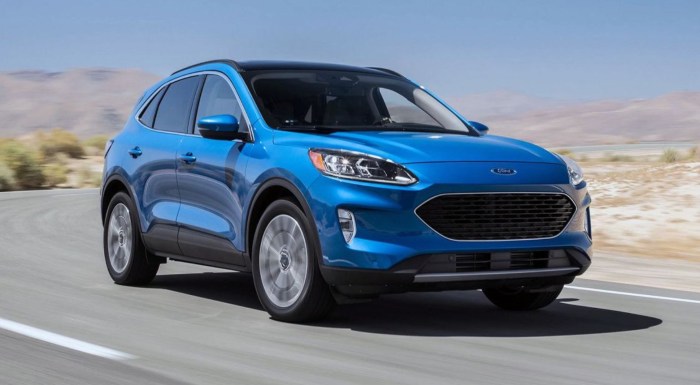
Facing a vehicle recall can be unsettling, but taking proactive steps can ease the process and ensure your safety. This section Artikels the responsibilities and actions vehicle owners should take to address recalls effectively.
Determining if Your Vehicle is Affected
Knowing if your vehicle is part of a recall is the first crucial step. Ford, along with the National Highway Traffic Safety Administration (NHTSA), provide resources to identify affected vehicles.
| Step | Action | Information Source |
|---|---|---|
| 1 | Visit the NHTSA website. | www.safercar.gov |
| 2 | Use the VIN (Vehicle Identification Number) lookup tool. | NHTSA website |
| 3 | Enter your VIN to access a list of recalls applicable to your vehicle. | NHTSA website |
Actions for Recalled Vehicles
Once you determine your vehicle is part of a recall, it’s important to understand the necessary actions. These actions vary based on the specific recall but generally include a prompt response.
- Contact your Ford dealership as soon as possible to discuss the recall.
- Obtain details about the required repairs from the dealership or NHTSA website.
- If your vehicle is part of a safety-related recall, prioritize addressing the issue promptly.
Scheduling a Repair Appointment
Scheduling a repair appointment efficiently is crucial. Contact your local Ford dealership or the Ford customer service hotline for scheduling assistance.
- Contact the dealership directly to schedule the repair.
- Discuss the recall-related repair with the service advisor.
- Inquire about the estimated repair time and cost.
Verifying Recall Repair Completion
After the repair, verifying its completion ensures the issue is resolved. Follow these steps to ensure the recall repair is done correctly.
- Request a copy of the repair order.
- Check the repair order for confirmation of the recall-related work.
- Confirm with the dealership that all parts replaced or adjustments made were specific to the recall.
NHTSA Involvement
The National Highway Traffic Safety Administration (NHTSA) plays a crucial role in ensuring the safety of vehicles on American roads. Their oversight of recalls, like the recent Ford one, is vital for protecting consumers from potentially hazardous vehicles. This oversight involves a complex set of procedures and requirements that aim to minimize risks and hold manufacturers accountable.The NHTSA’s primary function in vehicle recalls is to protect the public by regulating the recall process.
They mandate that manufacturers provide timely and comprehensive notifications to affected consumers. Ford’s recall notification procedure, overseen by the NHTSA, must adhere to strict guidelines to ensure clarity and accuracy for consumers.
NHTSA’s Role in Overseeing Vehicle Recalls
The NHTSA acts as a crucial intermediary between vehicle manufacturers and the public during recall situations. They establish the standards and regulations that govern the recall process, ensuring a consistent and effective response to potential safety issues. This includes guidelines on the content of recall notices, the timeframes for notification, and the required actions for consumers.
Specific Procedures and Requirements for Recall Notification
Ford, like other manufacturers, must adhere to specific NHTSA regulations for recall notification. These regulations dictate the format and content of the notification, including details about the specific defect, the potential safety hazards, and the corrective actions available. The notices must be disseminated through various channels, such as the manufacturer’s website, registered owner mailings, and possibly national media campaigns, ensuring maximum reach and comprehension.
NHTSA’s Investigation Process for the Recall
The NHTSA investigates reported safety issues to determine the severity and scope of the problem. Their investigation process often involves reviewing technical documents, gathering consumer complaints, and conducting field tests to validate the reported defect. The process aims to thoroughly assess the potential risks to vehicle occupants and to confirm the necessity of a recall. For example, if NHTSA discovers a pattern of accidents related to a specific component, they might initiate a comprehensive investigation to identify the root cause.
Potential Penalties for Non-Compliance with NHTSA Regulations
Non-compliance with NHTSA regulations carries significant consequences for manufacturers. Failure to adhere to recall procedures or provide accurate information can result in fines, legal action, and reputational damage. In severe cases, the NHTSA can take further measures, including halting production or even taking legal action to enforce compliance. The severity of the penalties often correlates directly with the potential harm to the public and the extent of the manufacturer’s failure to act responsibly.
Reporting and Investigation Methods Used by the NHTSA
The NHTSA utilizes a variety of methods to gather information and investigate potential vehicle safety issues. This comprehensive approach allows for a more thorough and effective assessment of the risks associated with specific vehicle models.
| Method | Description | Examples |
|---|---|---|
| Consumer Complaints | NHTSA collects and analyzes consumer reports of potential defects, safety issues, or malfunctions. | Consumer complaints about a specific vehicle model experiencing a certain issue. |
| Data Analysis | NHTSA examines data from various sources, such as crash reports, field tests, and technical documents. | Analyzing crash reports to identify a potential correlation between a specific vehicle component and an increased accident rate. |
| Field Investigations | NHTSA conducts on-site investigations to examine vehicles, gather evidence, and interview relevant personnel. | Visiting a Ford manufacturing plant to inspect production processes related to a particular component under investigation. |
| Industry Liaison | NHTSA communicates and collaborates with vehicle manufacturers and industry experts to gather information and resolve safety concerns. | Holding meetings with Ford representatives to discuss the recall procedure and ensure compliance with regulations. |
Safety and Technical Analysis
Ford’s recent recall underscores the critical importance of proactive safety measures in the automotive industry. The recall highlights potential vulnerabilities in certain vehicle models, necessitating immediate attention to ensure driver and passenger safety. This analysis delves into the specific safety concerns, the technical issues leading to them, and Ford’s proposed solutions.
Specific Safety Issues Highlighted in the Recall
The recall encompasses a range of safety-critical components, impacting driver control and vehicle stability. Primary concerns revolve around malfunctions in braking systems and potential steering failures in some models. These issues, if left unaddressed, could lead to a cascade of dangerous events, including loss of control, accidents, and serious injuries. Furthermore, some recalls are related to the electrical system, raising concerns about potential malfunctions in critical functions like airbags and power steering.
Potential Risks to Drivers, Passengers, and Other Road Users
Faulty braking systems pose a significant risk to drivers, passengers, and other road users. Loss of braking control could result in collisions, potentially causing serious injuries or fatalities. Steering failures increase the risk of accidents, particularly at high speeds or in challenging driving conditions. Malfunctioning electrical systems could lead to failures in safety-critical components like airbags, further endangering occupants and other road users.
The risk is compounded in scenarios like sudden stops, sharp turns, or emergency braking situations.
Technical Issues Leading to Safety Concerns
The technical issues driving the recall are varied. In some cases, issues stem from defects in the manufacturing process of braking components. For instance, there may have been inconsistent material application or improper part assembly, resulting in the compromised functionality of critical braking systems. Steering components may have been subjected to insufficient testing or stress. Other recalls involve issues with the electrical system’s components, potentially due to manufacturing defects, design flaws, or environmental factors.
Solutions Ford Has Implemented to Address the Safety Concerns, Ford recalls more than 1 million vehicles us nhtsa says
Ford has committed to rectifying the identified issues by replacing or repairing the faulty components. The company has implemented a comprehensive strategy that includes a nationwide recall campaign and the distribution of new, upgraded parts. This approach prioritizes the immediate safety of affected vehicle owners. The solution is aimed at preventing future incidents by fixing the identified defects in the manufacturing process.
Comparison of Technical Specifications of Recalled Parts to Updated Specifications
| Original Specification | Updated Specification | Reason for Change |
|---|---|---|
| Brake Pad Material: Inconsistently Applied | Brake Pad Material: Uniformly Applied with Quality Control Measures | Improved braking performance and consistency by addressing manufacturing process inconsistencies. |
| Steering Component Material: Susceptible to Fatigue | Steering Component Material: Enhanced Strength and Durability | Strengthened component material to prevent fatigue failure and maintain optimal steering performance in various conditions. |
| Electrical System Component: Potential Short-Circuits | Electrical System Component: Reinforced Insulation and Wiring | Improved electrical system reliability by addressing potential short-circuit risks and enhancing component insulation. |
Future Implications
The recent Ford recall, impacting over a million vehicles, serves as a significant event prompting a critical examination of future implications. This isn’t just about fixing faulty parts; it’s a reflection on the entire manufacturing and safety processes within the automotive industry. Understanding the potential for future recalls, the long-term effects on Ford’s practices, and the necessary adaptations is crucial for maintaining consumer trust and safety.The ripple effects of this recall extend far beyond the immediate repair process.
It underscores the importance of robust quality control measures and the need for proactive safety assessments in the development and production phases of vehicles. Ford’s reputation, and indeed the entire industry’s credibility, hinges on consistently delivering reliable and safe products.
Potential for Future Recalls
A recall of this magnitude increases the likelihood of future recalls related to similar issues. If the root cause of the problem isn’t fully addressed, it could manifest in other vehicle models or even different product lines. For example, if the faulty component is a part of a broader design flaw, other models utilizing the same component could be susceptible to similar issues, requiring future recalls.
Long-Term Impact on Ford’s Manufacturing Processes
The recall will undoubtedly prompt significant changes in Ford’s manufacturing processes. A thorough investigation into the causes of the issue will be necessary. This might include enhanced quality control checks at various stages of production, from initial component manufacturing to final assembly. Ford might also implement more stringent testing protocols to identify potential problems early in the development cycle.
This will likely lead to increased investment in advanced diagnostic tools and procedures. The company might also adopt more proactive measures for identifying and rectifying emerging issues, potentially employing predictive maintenance models based on data analysis.
Potential Changes to Ford’s Safety Standards and Procedures
The recall will likely lead to a reassessment of Ford’s existing safety standards and procedures. Existing safety protocols might be revised to incorporate the lessons learned from this incident. There might be a heightened emphasis on risk assessment and proactive problem-solving. Ford could also invest in training for their staff, equipping them with the skills to recognize and address potential safety hazards more effectively.
Safety standards may be elevated to incorporate more rigorous testing and simulations.
Improvements in Ford’s Quality Control Procedures
This incident highlights the need for improvements in Ford’s quality control procedures. There might be a greater emphasis on preventative measures to catch potential problems early. This might involve enhanced data analysis of production processes to pinpoint recurring issues or anomalies. The company might implement more sophisticated testing methodologies to identify problems in early stages, preventing them from escalating to costly recalls.
They might also implement more rigorous third-party audits of components and manufacturing processes.
Preventive Measures to Avoid Similar Recalls
| Preventive Measure | Description | Impact |
|---|---|---|
| Enhanced Component Testing | Implementing more rigorous testing procedures for components, potentially incorporating simulations and real-world testing environments. | Reduces the risk of defects reaching the production line, resulting in fewer faulty components. |
| Improved Data Analysis | Utilizing data analysis tools to identify patterns and potential problems in production processes. | Allows for proactive identification of recurring issues and potential defects before they become widespread problems. |
| Increased Employee Training | Providing enhanced training to employees involved in production, assembly, and quality control. | Increases awareness of potential issues, allowing employees to identify and report problems early in the process. |
| Proactive Risk Assessment | Establishing a more robust risk assessment process for new designs and production processes. | Identifies potential vulnerabilities early, enabling preventive measures to be implemented. |
| Third-Party Audits | Conducting independent audits of components and manufacturing processes by third-party experts. | Provides an objective assessment of quality control procedures, identifying potential gaps or areas for improvement. |
Concluding Remarks
The massive Ford recall underscores the importance of vehicle safety and the crucial role of regulatory bodies like the NHTSA. Owners need to take proactive steps to determine if their vehicles are affected and schedule necessary repairs. The potential impact on Ford’s reputation and future practices warrants close attention. Ultimately, this recall serves as a reminder of the critical need for safety checks and prompt action when recalls are issued.