Stephen Timmis, 68, and his wife Janet Timmis, 61, are set to face a rigorous legal process following the decision by the Crown Prosecution Service (CPS) to charge the couple with multiple counts of serious sexual offenses. The charges, which stem from a historical investigation into activities occurring nearly two decades ago, have sent shockwaves through the Sheffield community and the broader religious landscape in South Yorkshire. The defendants, both residents of Sheffield, are currently facing eight counts of rape each, relating to allegations involving a single victim. These alleged incidents are reported to have taken place over a five-month window between May and September 2008.
Chronology of the Allegations and Legal Proceedings
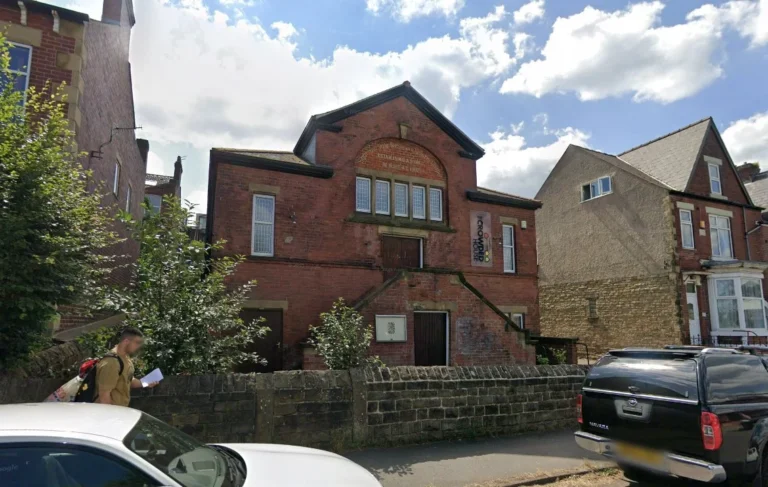
The investigation into the conduct of the couple represents a significant development in a long-standing inquiry conducted by the South Yorkshire Police. While the formal charges were announced in late October 2026, the timeline of events dates back to the spring and summer of 2008. During this period, Stephen Timmis held a prominent leadership role at the Crowded House Church in Sheffield, an independent congregation that was active within the city’s religious network at the time.
The investigation was reopened and intensified following reports brought to the attention of law enforcement, leading to a thorough evidence-gathering process. After evaluating the gathered testimony and forensic materials, the CPS authorized the charges against both Stephen and Janet Timmis. The couple has been granted conditional bail ahead of their first scheduled court appearance. They are expected to appear before the Sheffield Magistrates’ Court on December 1, 2026, where the initial procedural hearings will take place. As the case progresses, it is anticipated that it will be transferred to the Crown Court, given the gravity of the charges and the potential for a lengthy trial.
Supporting Data and Contextual Framework
The case brings to the forefront the complexities of historical sexual abuse investigations. In the United Kingdom, historical cases—those occurring years or even decades prior to the report—often present unique challenges for the justice system. The reliance on witness testimony, often recovered after significant time has elapsed, requires meticulous corroboration by police services.
South Yorkshire Police have dedicated specialized units to handle this investigation, reflecting a broader trend in UK policing to prioritize cases of sexual violence and domestic abuse. According to the Office for National Statistics (ONS), reports of historical sexual offenses have seen a steady increase over the last decade, partly attributed to a heightened public awareness of safeguarding and a greater willingness among victims to come forward. This specific case is categorized under the "historical abuse" umbrella, a classification that requires specialized interviewing techniques and a trauma-informed approach for all parties involved.
Official Responses and Police Appeals
In the wake of the announcement, the South Yorkshire Police have issued a formal call for public cooperation. The force is actively seeking to engage with individuals who may have been members of the Crowded House Church during the 2008 period or those who may have relevant information regarding the defendants’ conduct at that time.
"We understand that this news may be distressing for many, and we want to assure the community that we are committed to conducting a thorough and impartial investigation," a spokesperson for the South Yorkshire Police stated. The police have emphasized that they have established a support network for potential witnesses, ensuring that anyone coming forward will have access to victim advocacy and psychological support services.
The police have directed interested parties to utilize their official online reporting platform or to reach out through dedicated channels established for this inquiry. By centralizing the information flow, authorities aim to maintain the integrity of the evidence while ensuring that all potential leads are exhausted.
The Role of Church Leadership and Institutional Safeguarding
The involvement of a former church leader in such serious criminal allegations raises pertinent questions regarding institutional accountability and the evolution of safeguarding policies within religious organizations. In the years since 2008, the UK has seen a significant overhaul in how religious bodies manage internal conduct and the protection of vulnerable individuals.
Independent churches, such as the one involved in this case, often operate with a degree of autonomy that can make oversight difficult. However, the current legal environment mandates strict adherence to safeguarding protocols, including Disclosure and Barring Service (DBS) checks and the implementation of clear reporting lines for abuse. This case serves as a stark reminder of the potential for abuse of power within close-knit religious environments and the necessity for robust, external accountability measures.
Broader Impact and Implications for the Justice System
The legal proceedings against the Timmis couple will likely serve as a litmus test for the effectiveness of the modern judicial approach to historical sex crime allegations. The court will be tasked with weighing the evidence presented, which will likely involve archival records, contemporary witness statements, and expert analysis.
For the legal community, the case highlights the importance of the "presumption of innocence," a fundamental pillar of the British legal system. As the defendants have not been convicted, they remain innocent under the law. The upcoming court sessions will provide the forum for the prosecution to present its case and for the defense to challenge the validity and reliability of the allegations.
Furthermore, the impact on the local Sheffield community cannot be understated. For those who were part of the congregation at the Crowded House Church in 2008, the charges may prompt a re-evaluation of past experiences and internal dynamics. Local community leaders and support organizations are bracing for potential fallout, noting that the trial may be a lengthy and emotionally taxing process for everyone involved.
Looking Ahead: The December 1 Hearing
As the December 1, 2026, date approaches, the legal teams for both the prosecution and the defense are finalizing their preparations. The magistrates’ court will focus on administrative matters, including the formal reading of the charges and the scheduling of future dates. Given the nature of the charges, it is highly probable that the case will eventually be escalated to a higher court, where a jury will ultimately determine the verdict.
The court’s handling of this matter will be observed closely by legal experts, human rights advocates, and the general public. It serves as a significant case study in the state’s duty to pursue justice for alleged victims, regardless of the time that has passed since the alleged events occurred. As the judicial process unfolds, the priority remains the preservation of a fair trial, the protection of the judicial process, and the ultimate pursuit of truth.
In conclusion, the situation surrounding Stephen and Janet Timmis is a sobering development that underscores the persistence of historical justice. As the legal system prepares to examine these eight counts of rape, the broader implications regarding institutional safeguarding, the rights of the accused, and the support of survivors continue to be central to the public discourse. The coming months will be critical in determining the trajectory of this case and its ultimate conclusion within the framework of the United Kingdom’s legal system.