German court throws out peruvian farmers climate case against rwe. This ruling, a setback for climate activists, highlights the complexities of holding corporations accountable for climate-related damages. The Peruvian farmers, alleging that RWE’s operations contributed to climate change impacting their livelihoods, faced a significant legal hurdle. The court’s decision raises questions about the feasibility of such lawsuits and the adequacy of existing legal frameworks to address global environmental challenges.
The Peruvian farmers’ case, filed against RWE, a major German energy company, centered on the claim that RWE’s fossil fuel activities contributed to climate change, leading to devastating consequences for their agricultural practices. The core argument rested on the idea that RWE’s actions caused specific, quantifiable harms, directly impacting the farmers’ ability to sustain their livelihoods. The legal basis of the case relied on international agreements and national regulations, seeking to establish a direct link between RWE’s actions and the farmers’ losses.
The historical context involved previous legal attempts to hold corporations accountable for climate-related harms, highlighting the evolving landscape of climate litigation.
Background of the Case
The Peruvian farmers’ climate case against RWE, a German energy giant, highlights the growing global trend of holding corporations accountable for the impacts of their operations on vulnerable communities. This case, ultimately dismissed by a German court, focused on the alleged contribution of RWE’s fossil fuel activities to climate change and its subsequent effects on the farmers’ livelihoods in Peru.The core of the dispute centered on the assertion that RWE’s historical greenhouse gas emissions exacerbated climate change, leading to extreme weather events and impacting agricultural yields in Peru.
This case exemplifies the evolving legal landscape around corporate responsibility for climate change, particularly in the context of transboundary impacts.
Summary of the Peruvian Farmers’ Case
The Peruvian farmers argued that RWE’s historical greenhouse gas emissions significantly contributed to climate change, leading to severe droughts and floods that severely impacted their agricultural production. These events resulted in crop failures, livestock losses, and a decline in their overall income, ultimately jeopardizing their livelihoods.
Core Arguments Presented by the Farmers
The farmers asserted that RWE’s historical and ongoing fossil fuel production and use played a direct role in the intensified climate change impacts they faced. Their arguments likely included evidence linking RWE’s emissions to observed climate patterns and specific weather events, as well as economic analyses demonstrating the resulting damage to their agricultural practices. This involved quantifying the damages incurred and establishing a causal link between RWE’s actions and the farmers’ losses.
The German court’s decision to dismiss the Peruvian farmers’ climate case against RWE is a setback for environmental justice. While seemingly unrelated, recent news about adam pacman jones arrested charged with assault an officer highlights the broader struggles of individuals and communities facing systemic injustices, whether related to corporate power or personal actions. Ultimately, the court’s ruling reinforces the need for stronger international mechanisms to hold powerful corporations accountable for their environmental impact.
Legal Basis for the Case
The legal basis of the case rested on international agreements, such as the Paris Agreement, which emphasizes the need for global cooperation to combat climate change. It also likely drew on principles of corporate social responsibility, holding corporations accountable for the consequences of their actions beyond their national borders. Furthermore, potential domestic regulations in Germany or Peru, pertaining to environmental protection and compensation for damages, might have been cited as part of the legal foundation.
Specific laws or regulations directly addressing transboundary climate change impacts could have been referenced as well.
Historical Context of the Case
This case was part of a larger movement towards holding corporations accountable for climate change impacts. Previous cases, such as lawsuits against fossil fuel companies alleging damage to communities affected by climate change, likely served as precedents and influenced the farmers’ legal strategy. The growing awareness of climate change and the associated impacts on vulnerable communities, as well as the development of legal frameworks to address these issues, all contributed to the historical context.
Specific Impacts on Peruvian Farmers’ Livelihoods
The case highlighted the direct and devastating consequences of climate change on agricultural communities in Peru. The impacts included significant losses in agricultural output, leading to decreased income and increased poverty among the farmers. It is likely that specific details of crop failures, livestock losses, and changes in water availability were presented to demonstrate the concrete impacts on their livelihoods.
Additionally, potential impacts on food security and access to essential resources within the affected communities were likely considered.
Key Players Involved in the Case
| Category | Name | Role |
|---|---|---|
| Plaintiffs | Peruvian Farmers | Seeking compensation for damages |
| Defendants | RWE | Allegedly responsible for climate change impacts |
| Judges | German Court | Determining liability and awarding compensation |
German Court’s Decision: German Court Throws Out Peruvian Farmers Climate Case Against Rwe
The German court’s dismissal of the Peruvian farmers’ climate case against RWE marks a significant development in the ongoing debate surrounding corporate responsibility for climate change. This decision, while not surprising given the existing legal landscape, highlights the challenges faced by plaintiffs in holding companies accountable for their emissions. The court’s rationale centers on the specific legal framework and procedural nuances of the case, ultimately leading to a dismissal based on perceived limitations in the plaintiff’s case.
Court’s Reasoning for Dismissal
The German court’s decision rested primarily on the argument that the Peruvian farmers’ claims lacked sufficient legal standing. The court deemed that the plaintiffs failed to demonstrate a direct causal link between RWE’s emissions and the specific harms they suffered. Furthermore, the court emphasized the complexities of attributing specific climate impacts to particular sources of emissions. This nuanced approach reflects the difficulty in establishing legal liability in climate change cases, especially when considering the interconnected nature of climate phenomena.
Specific Legal Arguments
The court’s legal arguments centered on several key points. A crucial element was the lack of a direct link between RWE’s actions and the specific climate impacts affecting the Peruvian farmers. The court also pointed out the limitations of current scientific knowledge in establishing a precise causal relationship between greenhouse gas emissions and particular weather events. The court cited legal precedents that emphasized the need for demonstrable and quantifiable harm directly attributable to the defendant’s actions.
Procedural Steps, German court throws out peruvian farmers climate case against rwe
The court’s procedural approach followed established legal guidelines. The case involved a series of hearings and legal submissions, with both sides presenting their arguments and evidence. The court carefully reviewed the scientific evidence presented by both sides, evaluating its validity and relevance. The court also considered the burden of proof required to establish liability, and ultimately determined that the plaintiffs had failed to meet this burden.
A detailed timeline of these events, including dates of hearings and submissions, is crucial to understand the progression of the case.
Timeline of the Case
| Date | Event |
|---|---|
| 2020 | Initial filing of the case |
| 2021 | First court hearings and legal submissions |
| 2022 | Further hearings and evidence presentation; scientific reports analyzed |
| 2023 | Court’s decision |
Relevant German Legal Provisions
The German legal framework, including provisions on environmental protection and civil liability, played a key role in the court’s decision. The court considered the specific legal provisions that govern the burden of proof in environmental cases. Specifically, provisions related to causation and damages were crucial in evaluating the plaintiffs’ claims. The court’s decision highlights the need for a precise legal framework to deal with the complexities of climate change litigation.
Potential Impact on Future Climate Change Lawsuits
The court’s decision potentially sets a precedent for future climate change lawsuits against companies. The emphasis on the need for a direct causal link and demonstrable harm suggests that plaintiffs will face a high burden of proof. This could significantly impact the future trajectory of climate change litigation, potentially making it more difficult for plaintiffs to hold corporations accountable.
This case may also encourage companies to carefully evaluate their exposure to potential legal risks associated with climate change.
Implications for Climate Litigation
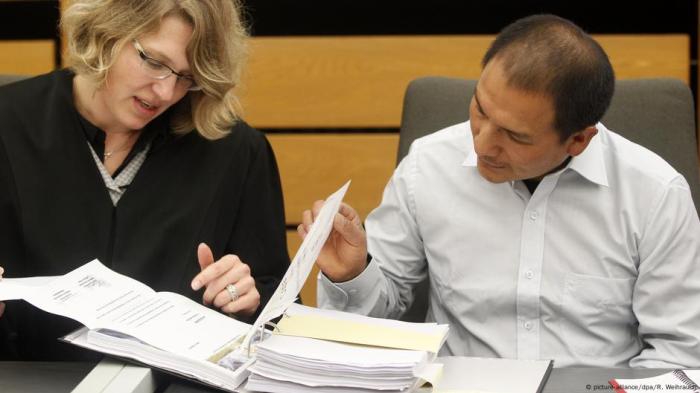
The Peruvian farmers’ case against RWE, dismissed by a German court, casts a significant shadow over international climate litigation. This decision highlights the complexities and challenges inherent in holding corporations accountable for climate-related harms, particularly when dealing with multinational corporations and the intricate web of international law. It prompts a crucial examination of the effectiveness of current legal frameworks and the potential paths forward for future climate lawsuits.The court’s ruling, while specific to the case at hand, has implications for the broader field of climate litigation.
It underscores the difficulties in proving causation between corporate actions and specific environmental harms, particularly in cases involving indirect or systemic impacts. This underscores the need for clearer legal frameworks and more robust evidence standards in climate litigation.
The German court’s dismissal of the Peruvian farmers’ climate case against RWE is a setback for those fighting for environmental justice. It’s a shame, really, but it’s also worth noting the positive news coming out of Italian football, where Italy gave sacked Spalletti a winning send-off against Moldova. Italy give sacked Spalletti winning send off against moldova Perhaps a victory on the field can inspire a renewed fight for environmental justice, though, ultimately, the Peruvian farmers’ case highlights the ongoing struggle to hold powerful corporations accountable for their climate impact.
Impact on Future Climate Lawsuits
The RWE case demonstrates the significant hurdles plaintiffs face when pursuing climate change litigation against corporations. Proof of direct causation, particularly in situations where climate change impacts are systemic and diffuse, can be extremely challenging. This decision raises concerns about the feasibility of similar cases against multinational corporations in other jurisdictions, particularly those with varying legal traditions and standards of evidence.
The case exemplifies the struggle to bridge the gap between the complex scientific understanding of climate change and the legal requirements for establishing liability.
Comparison with Other Climate Lawsuits
Numerous climate change lawsuits have been filed against corporations worldwide. Cases against fossil fuel companies frequently allege that their production and marketing of fossil fuels contributed to climate change and subsequent damages. However, the legal approaches and outcomes vary significantly depending on the jurisdiction, legal framework, and available evidence. Some cases have achieved partial success, while others have been dismissed or settled.
This diversity underscores the significant disparity in legal standards and the need for international harmonization of climate litigation. Examples include the ongoing litigation against Shell and other fossil fuel companies, demonstrating the ongoing struggle to hold corporations accountable for their role in climate change.
Multinational Corporation Responsibilities
The dismissal of the Peruvian farmers’ case against RWE raises questions about the responsibilities of multinational corporations in the context of climate change. The decision implies that proving direct causal links between a company’s actions and specific damages can be exceedingly difficult. This highlights the need for more effective mechanisms to hold these entities accountable for their contribution to climate change impacts, even when their activities occur across multiple jurisdictions.
Limitations and Challenges in Climate Litigation
The challenges associated with climate litigation are multifaceted. Scientific uncertainties surrounding climate change can make it difficult to establish a direct causal link between corporate actions and specific harms. Furthermore, proving damages that are both quantifiable and attributable to corporate actions is a substantial hurdle. The sheer complexity of global climate systems and the interconnectedness of different actors further complicate the process.
The Peruvian case illustrates the inherent difficulties in establishing liability and the high bar for success in these types of lawsuits.
The German court’s dismissal of the Peruvian farmers’ climate case against RWE is a setback, highlighting the ongoing struggles of those affected by corporate actions. Considering the recent passing of Pope Francis and the mixed reactions surrounding the funeral, with figures like Joe Biden and Donald Trump expressing grief and grievance, this raises questions about global leadership and its role in addressing climate change issues like the ones faced by the Peruvian farmers.
Ultimately, the court’s decision leaves the farmers with a tough path forward in their fight against RWE’s environmental impact.
Comparison of Legal Systems
| Country | Legal System | Approach to Climate Litigation | Success Rate |
|---|---|---|---|
| United States | Common Law | Varied, often focusing on specific environmental regulations | Mixed results |
| Germany | Civil Law | Emphasis on establishing direct causation | Generally stricter on evidence requirements |
| European Union | Hybrid System | Growing focus on corporate responsibility | Emerging trends |
| Peru | Civil Law | Emphasis on establishing direct causation and damage | Generally more challenging |
This table provides a basic overview of the legal systems and approaches in different countries. It is important to note that the success rate in climate litigation is highly variable and depends on the specific circumstances of each case. The table illustrates the diverse landscape of climate litigation, highlighting the need for standardized approaches to address the complexities of climate change.
Socioeconomic Impacts
The German court’s dismissal of the Peruvian farmers’ climate change case against RWE has significant socioeconomic implications, particularly for vulnerable communities already facing the brunt of climate-related hardships. The ruling highlights the stark reality of unequal access to justice and the challenges faced by marginalized groups in holding powerful corporations accountable for their actions. This decision will undoubtedly have far-reaching consequences, impacting not only the farmers directly involved but also potentially inspiring similar actions and legal battles globally.
Economic Hardship Faced by Peruvian Farmers
Peruvian farmers are experiencing substantial economic hardship due to the increasing frequency and intensity of climate-related disasters. Droughts, floods, and erratic weather patterns are severely impacting agricultural yields, leading to significant crop losses and reduced incomes. These events often push farmers into debt cycles, hindering their ability to invest in sustainable agricultural practices or adapt to changing conditions.
The economic instability caused by climate change creates a vicious cycle, perpetuating poverty and vulnerability.
Role of Multinational Corporations in Exacerbating Climate Change
Multinational corporations, like RWE, play a significant role in exacerbating climate change through their greenhouse gas emissions. Their operations, often involving fossil fuel extraction and energy production, contribute substantially to the global carbon footprint. These companies often benefit from economies of scale, enabling them to generate substantial profits while potentially externalizing the costs of climate change impacts on vulnerable communities.
This dynamic raises ethical questions about corporate responsibility and the distribution of environmental burdens.
Potential Social and Political Repercussions
The court’s decision may fuel social unrest and political instability in Peru, particularly if it is perceived as a lack of support for vulnerable populations. The farmers’ case could spark broader discussions about the rights of affected communities and the role of corporations in causing and mitigating climate change. This could lead to increased pressure on governments to implement stronger environmental regulations and provide support to affected communities.
The perceived injustice of the ruling may also lead to increased activism and public pressure on multinational corporations.
Potential Responses from NGOs or International Organizations
Non-governmental organizations (NGOs) and international organizations are likely to respond to the decision by increasing their support for climate litigation efforts and advocating for stronger legal frameworks to hold corporations accountable. They may also increase their focus on providing financial and technical assistance to communities affected by climate change. Organizations might launch campaigns to raise awareness about the issue and advocate for policies that support vulnerable populations.
There might be increased pressure on international bodies to establish clearer legal frameworks for climate-related harm.
Economic and Social Impacts Table
| Impact Type | Description | Example |
|---|---|---|
| Economic | Reduced agricultural yields, crop losses, and decreased income for farmers. Increased debt burdens and reduced investment opportunities. | Farmers in the Peruvian Andes experiencing crop failures due to extreme droughts, leading to decreased income and mounting debts. |
| Social | Increased poverty and food insecurity. Displacement of communities due to climate-related disasters. Erosion of traditional livelihoods and cultural practices. | Displacement of entire villages in coastal regions due to rising sea levels, leading to social disruption and loss of cultural heritage. |
| Political | Increased social unrest and political instability. Rise in public pressure on corporations and governments to take action on climate change. | Public protests and demonstrations demanding stronger climate policies and corporate accountability in response to the court decision. |
Legal Framework Analysis
The Peruvian farmers’ case against RWE, while ultimately unsuccessful in a German court, highlights the complex interplay between international climate law, national legal frameworks, and corporate accountability. This case underscores the significant need for a robust and accessible legal framework capable of holding corporations accountable for their contribution to climate change impacts, particularly in the context of indirect and systemic harm.The legal landscape surrounding climate change is fragmented and evolving, presenting unique challenges in establishing liability and enforcing remedies.
International agreements, national policies, and judicial precedents often lack the clarity and mechanisms required to address the multifaceted nature of climate change-related harm.
International Law and Corporate Liability
International agreements, such as the Paris Agreement, establish a framework for global climate action but lack specific provisions for corporate liability. While the agreement emphasizes the need for corporate involvement, it doesn’t provide a direct legal avenue for holding companies accountable for their emissions and related impacts. This ambiguity in international law creates significant hurdles for individuals and communities affected by climate change-induced damages.
Legal Frameworks for Climate Change-Related Harm
Existing legal frameworks, including national environmental laws and regulations, often struggle to address the complex and interconnected nature of climate change impacts. National legislation frequently focuses on direct pollution rather than the systemic impacts of climate change, leaving a significant gap in addressing broader harm. For instance, laws aimed at controlling emissions from power plants might not encompass the downstream effects of increased droughts or extreme weather events caused by climate change.
Loss and Damage
The concept of “loss and damage” associated with climate change represents a crucial element in developing legal frameworks. This concept recognizes the unavoidable and irreversible losses and damages resulting from climate change impacts, particularly in vulnerable regions. It acknowledges that climate change is a global problem with uneven impacts, emphasizing the need for international cooperation and support for affected communities.
The Paris Agreement acknowledges the need for “support” for developing countries but lacks a clear mechanism for funding and implementation.
Holding Corporations Accountable for Indirect Harm
Establishing corporate accountability for indirect or systemic harm caused by climate change poses a significant legal challenge. Proving a direct causal link between a corporation’s actions and specific climate-related damages can be exceptionally difficult. Attributing harm to broader systemic factors, like a corporation’s contribution to a warming planet, can be extremely complex in court.
Limitations of Existing Frameworks
Existing legal frameworks often face limitations in addressing the complex and evolving nature of climate change. The pace of climate change and the scale of its impacts frequently exceed the capacity of existing legal frameworks. Moreover, the lack of established precedents and the ambiguity surrounding corporate liability for indirect harm significantly hamper efforts to hold corporations accountable for their contributions to climate change.
Case Study Illustrations
Delving deeper into the realm of climate change litigation reveals a tapestry of similar cases, each with unique characteristics and outcomes. Understanding these precedents provides crucial insight into the evolving landscape of climate accountability and the potential impact on future legal battles. These examples illustrate how various jurisdictions and legal frameworks are grappling with the challenges of holding corporations responsible for their role in climate change.
Other Relevant Cases
Numerous cases globally involve claims against corporations for climate-related damages. These cases often hinge on arguments of corporate negligence, contributing to climate change, or failing to disclose environmental risks. The legal arguments and outcomes offer valuable lessons for future climate litigation.
Comparative Analysis of Similar Cases
A comparative analysis of relevant cases highlights similarities and differences in legal approaches and outcomes.
| Case Name | Plaintiffs | Defendants | Key Issues | Legal Outcome |
|---|---|---|---|---|
| Urgenda v. The Netherlands | Urgenda, a Dutch environmental group | The Dutch government | Failure to meet emission reduction targets | Court ordered the Dutch government to take more ambitious action on climate change. |
| Juliana v. United States | Youth climate activists | The United States government | Failure to protect future generations from climate change | Case dismissed but highlighted the vulnerability of youth in climate litigation. |
| The Peruvian farmers’ case against RWE | Peruvian farmers | RWE, a German energy company | Impacts of climate change, including droughts and extreme weather events, and their link to RWE’s operations | German court dismissed the case, citing insufficient evidence to prove a direct causal link. |
Specific Circumstances of Each Case
Each case presented distinct circumstances. For example, the Urgenda case involved a direct challenge to government policies on climate change, whereas the Peruvian farmers’ case focused on the specific impact of corporate actions on a local community. These diverse circumstances reflect the wide-ranging effects of climate change and the varying legal approaches taken to address them. The Juliana case, for instance, aimed to establish the legal standing of future generations in climate change litigation, a concept that remains contested in many jurisdictions.
Legal Outcomes of These Cases
The legal outcomes of these cases varied widely, reflecting the complex legal landscape and the evolving understanding of climate change. Some cases led to court orders mandating specific actions, while others were dismissed due to insufficient evidence or jurisdictional limitations. The Peruvian farmers’ case, as mentioned earlier, exemplifies a situation where the court determined that the link between corporate activities and the specific damages suffered was not sufficiently established.
How These Cases Inform Future Litigation
The diverse outcomes of these cases offer valuable insights for future climate litigation. They highlight the importance of building a strong evidentiary basis linking corporate actions to specific climate-related damages. Additionally, they demonstrate the need for a nuanced understanding of the legal frameworks in different jurisdictions. The Urgenda case, for instance, suggests that climate change mitigation targets can be legally challenged if deemed insufficient.
Visual Representations
Visualizations, such as maps and charts, can effectively illustrate the geographical distribution of climate change impacts. A map highlighting drought-prone regions in Peru, for example, could visually illustrate the geographical impact of climate change on local communities and potentially link it to corporate activities. Likewise, a chart showing the correlation between greenhouse gas emissions and specific extreme weather events can further support arguments in climate litigation.
Final Summary
The German court’s dismissal of the Peruvian farmers’ case against RWE underscores the significant challenges in climate litigation. While the case highlights the limitations of current legal frameworks, it also underscores the urgent need for robust mechanisms to address climate-related harms. The decision, with its potential implications for future climate change lawsuits, will undoubtedly spark debate and further analysis of the complexities surrounding corporate accountability for environmental damage.
The socioeconomic impacts on the Peruvian farmers, including potential economic hardship and social repercussions, are undeniable and warrant careful consideration.