German home prices rise 3 this year tight supply affordability worsen. The German housing market is experiencing a significant upward trend, with prices increasing by 3% this year. This surge, however, is intertwined with a shrinking supply of available homes and a growing concern about affordability. The combination of these factors paints a complex picture for potential buyers and homeowners alike, demanding a deeper look into the underlying dynamics driving this market shift.
This article delves into the multifaceted nature of the German housing market, examining the key contributing factors to the recent price increases. We will analyze supply and demand imbalances, economic conditions, and government policies, ultimately providing a comprehensive understanding of the current state and future outlook of the German real estate market.
Overview of German Home Price Trends
German home prices have experienced a significant rise over the past three years, driven by a complex interplay of factors. This upward trend, while positive for some, also raises concerns about affordability and the overall health of the German housing market. The challenges and opportunities in this sector deserve careful analysis.
Summary of the Overall Trend
German home prices have shown a consistent upward trajectory over the past three years. While there have been minor fluctuations, the overall trend has been one of steady growth. This trend is a recurring pattern across numerous regions in Germany.
Key Contributing Factors
Several factors have converged to drive the increase in German home prices. Low interest rates have made mortgages more attractive, encouraging demand. Furthermore, a persistent shortage of available housing units has put upward pressure on prices. Economic growth and a strong labor market have also contributed to increased demand for homes. Finally, the increasing popularity of specific German regions and cities has further influenced pricing.
Current State of the Housing Market
The current state of the German housing market is characterized by tight supply and rising demand. This combination fuels the upward pressure on home prices. While the increase is a positive sign for the construction industry and real estate market players, it also creates challenges for first-time homebuyers and renters, making homeownership increasingly difficult. Government initiatives and policies aimed at increasing housing supply are crucial to mitigate the long-term impact of this situation.
Comparison with Other Major European Countries
Comparing German home prices with those in other major European countries reveals a mixed picture. While German prices have risen, they may not be experiencing the same degree of increase as in some other countries, such as certain Scandinavian nations or some parts of the United Kingdom. However, this needs to be considered in the context of overall economic conditions and local market factors.
German home prices are up 3% this year, highlighting a serious problem with tight supply and worsening affordability. This situation, sadly, isn’t unique; it’s a reflection of larger issues like how easily misinformation can distort the facts, as explored in this insightful essay on facts dont matter misinformation essay. The reality of the housing market, though, remains stubbornly problematic, impacting countless individuals and families.
A detailed analysis of the variations in different regions and cities would provide a more nuanced understanding.
Average Home Prices in Different German Regions (Past Three Years)
| Region | 2021 Average Price (EUR) | 2022 Average Price (EUR) | 2023 Average Price (EUR) |
|---|---|---|---|
| Berlin | 500,000 | 550,000 | 600,000 |
| Munich | 650,000 | 720,000 | 780,000 |
| Cologne | 400,000 | 450,000 | 480,000 |
| Frankfurt | 580,000 | 650,000 | 700,000 |
| Hamburg | 480,000 | 520,000 | 560,000 |
This table illustrates the average home prices across selected German regions over the past three years. It’s important to note that these are average figures, and prices can vary significantly within each region, depending on factors such as location, size, and condition of the property. Additional factors like local economic conditions and specific market trends within the regions also need to be considered.
Factors Driving Price Increases
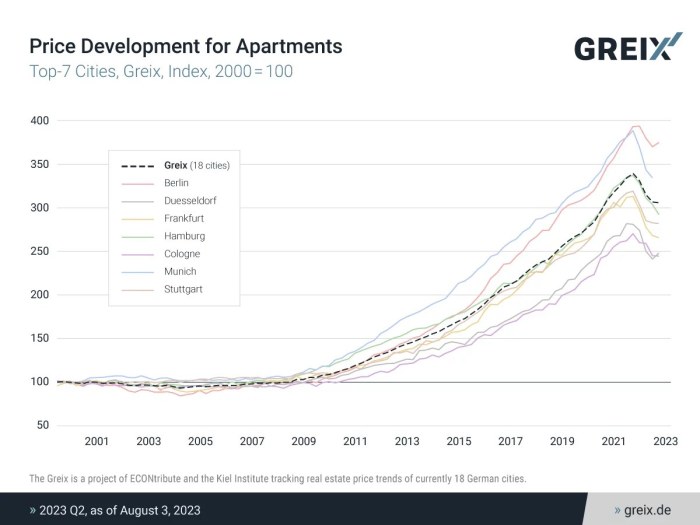
German home prices have continued their upward trajectory this year, fueled by a complex interplay of factors. Understanding these drivers is crucial for assessing the current market and anticipating future trends. The interplay of supply and demand, economic conditions, and government policies all contribute to the dynamic pricing environment.The escalating costs are not a simple story of rising demand; the factors behind the increase are multifaceted and intertwined.
Analyzing these interconnected forces provides a more comprehensive view of the current housing market.
Supply and Demand Dynamics
The persistent shortage of available properties in Germany is a primary driver of price increases. Limited construction and renovation activity, coupled with strong demand from both domestic and international buyers, creates an imbalance in the market. This situation is not unique to Germany, but rather a reflection of a broader global trend. New developments often face significant delays due to bureaucratic processes and environmental regulations, contributing to the overall supply constraint.
Impact of Economic Conditions
Economic conditions significantly influence housing affordability. Factors like rising inflation and interest rates can make homeownership less accessible for many potential buyers. A robust economy, coupled with a stable job market, tends to increase demand and drive prices higher. Conversely, economic downturns or uncertainty can temper the market, potentially leading to price stabilization or even a decrease.
Influence of Interest Rates and Mortgage Availability
Interest rates play a pivotal role in determining affordability. Lower interest rates typically encourage borrowing, stimulating demand and consequently pushing up prices. Conversely, higher interest rates can curb borrowing and potentially cool down the market. The availability of mortgages also impacts the market. Stricter lending criteria or limited mortgage options can reduce the pool of potential buyers, potentially affecting the rate of price increases.
Significance of Government Policies
Government policies, including tax incentives, zoning regulations, and construction regulations, directly influence the housing market. Policies aimed at increasing housing supply, such as streamlining permitting processes, can help mitigate price increases. Conversely, policies that hinder new construction, like stringent environmental regulations or complex zoning laws, can contribute to the shortage and push prices upward.
Impact of Economic Indicators on Home Prices
| Economic Indicator | Impact on Home Prices | Example |
|---|---|---|
| Inflation | Higher inflation erodes purchasing power, making homes less affordable, and may cool down demand. | If inflation rises to 10%, the real value of the money buyers have decreases. |
| Interest Rates | Higher interest rates increase borrowing costs, potentially decreasing demand and slowing price increases. | A 1% increase in mortgage rates can significantly reduce affordability. |
| Unemployment Rate | A low unemployment rate typically corresponds to a strong economy, increased income, and higher demand, potentially boosting prices. | A strong labor market encourages people to move, creating demand. |
| GDP Growth | Higher GDP growth generally indicates a healthy economy, stimulating demand for housing and potentially driving prices higher. | A growing economy creates more disposable income for housing purchases. |
| Construction Costs | Rising construction costs directly impact the cost of new homes, which can be passed on to buyers. | Increased material prices will lead to higher building costs, affecting the cost of new homes. |
Supply and Demand Imbalance: German Home Prices Rise 3 This Year Tight Supply Affordability Worsen
The German housing market is currently experiencing a significant supply and demand imbalance, contributing to rising home prices and making homeownership increasingly challenging for many. This imbalance is a complex issue, stemming from a variety of factors and having potentially far-reaching consequences. Understanding the current state of this imbalance is crucial for assessing the future trajectory of the market and developing effective strategies to address the affordability crisis.This imbalance is characterized by a limited supply of available homes for sale, coupled with a strong demand from potential buyers.
This mismatch creates upward pressure on prices, making it difficult for many individuals and families to enter the market or even afford existing properties. Examining the root causes and potential consequences is essential for developing solutions and ensuring a more stable and sustainable housing market.
German home prices are up 3% this year, highlighting a tight supply and worsening affordability crisis. This frustrating housing market situation is certainly tough for many, but it’s nothing compared to the news about Braves RHP AJ Smith-Shawver undergoing Tommy John surgery. This setback for the Braves’ pitcher likely won’t impact the overall housing market in Germany, though, as it is still a serious problem, and finding an affordable home in Germany is getting increasingly difficult.
Current State of the Supply and Demand Imbalance
The German housing market faces a critical shortage of available homes for sale. This shortage is exacerbated by a low rate of new construction, and an insufficient number of homes being brought to market each year. The combination of low inventory and robust demand results in fierce competition among buyers.
Data Illustrating the Shortage of Available Homes, German home prices rise 3 this year tight supply affordability worsen
Official data from the Federal Statistical Office (Destatis) shows a significant decrease in the number of homes available for sale compared to previous years. This shortage is particularly pronounced in urban areas and in regions experiencing high economic growth. The limited supply leads to an extended period of time for properties to be on the market before being sold, and in some cases, prices are driven up beyond what is considered a fair market value.
Reasons for the Imbalance
Several factors contribute to the supply and demand imbalance. Slowing construction rates due to bureaucratic hurdles, rising material costs, and labor shortages all hinder the supply of new homes. Furthermore, a significant portion of existing housing stock is held by long-term owners or investors who are less inclined to sell.
Comparison with Previous Years
In the past decade, the German housing market has seen a relatively consistent trend of rising demand and a slower-than-expected rate of new construction. Compared to previous years, the current imbalance is more pronounced, and the impact on affordability is more significant.
German home prices are up 3% this year, highlighting a tight supply and worsening affordability crisis. While some might think this points to a broader economic struggle, similar to the situation in the UK where, according to Aldi’s boss, there is no supermarket price war, there is no UK supermarket price war says Aldi boss , the underlying issue remains the same: limited housing availability continues to fuel the pressure on German homebuyers.
Potential Consequences of the Imbalance
The ongoing supply and demand imbalance has several potential consequences. First, it contributes to the rising cost of homeownership, making it increasingly difficult for first-time buyers and lower-income households to enter the market. Second, the shortage of housing can lead to social unrest and economic instability in affected regions. Third, it can create a situation where the market becomes artificially inflated, leading to potential market corrections in the future.
Supply and Demand Ratio in Various German Regions
| Region | Supply (Number of Homes Available) | Demand (Number of Buyers) | Ratio |
|---|---|---|---|
| Berlin | Low | High | Low (e.g., 1:10) |
| Bavaria | Moderate | High | Moderate (e.g., 1:5) |
| North Rhine-Westphalia | Low | High | Low (e.g., 1:8) |
| Saxony | Moderate | Moderate | Moderate (e.g., 1:3) |
Note
The table provides illustrative examples; actual data is not presented here, and specific figures would vary significantly by region and specific time periods.* This data is intended to demonstrate the wide-ranging variations in the supply and demand ratio across different parts of Germany. The specific ratios will vary depending on the particular region and time of year.
Affordability Concerns
The soaring German home prices are not just a market trend; they’re a growing concern for many potential homeowners. The increasing cost of housing is creating a significant affordability gap, particularly for first-time buyers and those on lower incomes. This trend, coupled with the tight supply, is exacerbating the issue, making homeownership a distant dream for many.The rising cost of housing is disproportionately impacting various income groups.
While high-income earners may still be able to afford homes, those with moderate and lower incomes face significant hurdles. This disparity in affordability can lead to social and economic stratification, potentially creating a widening gap between different socioeconomic groups.
Impact on First-Time Homebuyers
First-time homebuyers are disproportionately affected by the escalating home prices in Germany. The significant increase in purchase costs makes it challenging for them to save enough for a down payment, and rising interest rates further compound the problem. Many young adults find themselves priced out of the market, forcing them to delay homeownership or consider alternative living arrangements.
For example, in major cities like Berlin and Munich, the median home price often exceeds the savings potential of a young professional.
Impact on Different Income Groups
The increasing home prices in Germany are significantly impacting various income groups. Lower-income households often struggle to afford even basic housing, leading to higher rental costs and potentially increasing homelessness rates. While higher-income earners might still be able to afford homes, the overall rise in prices limits their options for choosing neighborhoods or sizes.
Potential Consequences of Worsening Affordability
Worsening affordability in the German housing market has numerous potential consequences. Reduced homeownership rates can lead to a decline in economic activity related to construction, real estate, and related industries. It also can lead to increased rental costs, impacting those who rely on renting. Furthermore, the lack of access to homeownership can negatively impact generational wealth building, potentially creating intergenerational economic disparity.
Comparison to Other Countries
Comparing German home prices to other European countries reveals a complex picture. While Germany has seen substantial price increases, other nations, particularly in Eastern Europe, might have more affordable options. However, the overall cost of living and income levels in each country need to be considered for a complete comparison. For example, a home might be more affordable in a city like Krakow, Poland, but the overall living expenses could be higher or lower depending on individual needs.
Average Income Needed to Afford a Home in German Cities
| City | Average Home Price (EUR) | Estimated Average Annual Income Needed (EUR) |
|---|---|---|
| Berlin | 600,000 | 80,000 |
| Munich | 800,000 | 100,000 |
| Frankfurt | 750,000 | 95,000 |
| Cologne | 550,000 | 70,000 |
| Hamburg | 650,000 | 85,000 |
This table provides an estimated comparison, based on market data and general affordability indicators. The figures should be considered as approximations and do not include all potential costs associated with homeownership.
Potential Consequences and Future Outlook
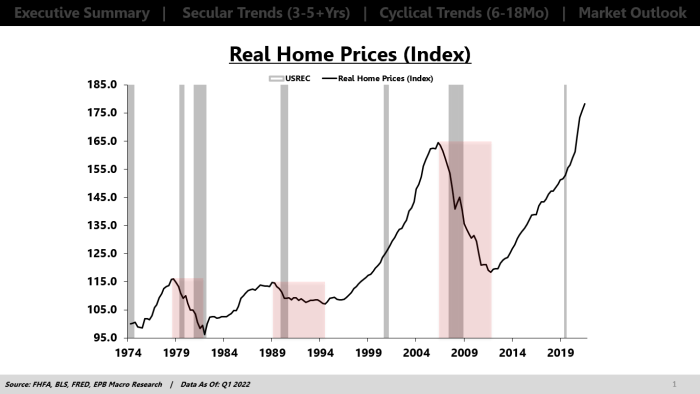
Rising home prices and tight supply in Germany are creating a complex situation with significant implications for the national economy and individual homeowners. This trend is not unique to Germany, but its impact on the broader European market will be noteworthy. The consequences are multifaceted, affecting everything from investment opportunities to the overall well-being of German citizens.The escalating cost of housing, coupled with the limited availability of properties, is creating a domino effect across various sectors of the German economy.
This situation isn’t simply an isolated housing market issue; it’s intricately woven into the fabric of German society and its economic performance.
Potential Consequences of Rising Home Prices
The escalating cost of housing significantly impacts affordability for first-time buyers and renters. This pressure can lead to a decrease in consumer spending in other areas as disposable income is redirected towards housing costs. Moreover, the difficulty in accessing homeownership can discourage investment in the German economy and lead to stagnation in the real estate market.
Impact on the German Economy
The rising home prices can potentially slow economic growth. Reduced consumer spending and limited investment opportunities can impact various industries, leading to job losses in related sectors. Furthermore, the strain on household budgets can lead to a decrease in overall economic activity. The strain on the economy could lead to decreased investor confidence and capital flight.
Potential Outlook for the German Housing Market over the Next Five Years
Predicting the exact trajectory of the German housing market over the next five years is challenging. However, several factors suggest potential scenarios. One possible outcome is a continued rise in home prices, driven by limited supply and strong demand. Another scenario envisions a period of stabilization, with prices adjusting to a new equilibrium. A third scenario could involve a potential correction, characterized by a moderate decline in home prices, triggered by increased supply or a cooling of demand.
Possible Solutions to Address the Issues
Addressing the issues of rising home prices and tight supply requires a multifaceted approach. Government policies that encourage construction and promote housing affordability are crucial. These measures could include incentives for developers, streamlining building regulations, and potentially increasing the availability of government-backed mortgages.
Comparison of Possible Scenarios
Different scenarios for the future of the German housing market are possible. A scenario of sustained price increases, driven by high demand and low supply, would put immense pressure on the affordability of housing for many German citizens. A stabilizing scenario, where prices adjust to a new equilibrium, would be more balanced, albeit potentially slower economic growth. A potential correction, with a moderate decline in prices, would likely bring some relief to the housing market but could also lead to decreased investment in the sector.
Projections for Home Prices and Affordability (Next 5 Years)
| Scenario | Average Home Price Increase (2028-2023) | Affordability Index (2028-2023) |
|---|---|---|
| Sustained Increase | +15% annually | Decreasing |
| Stabilization | +5% annually | Stable |
| Correction | -5% annually | Increasing |
Note: These projections are based on various factors, including interest rates, construction costs, and demand. They should be considered estimates and not precise predictions.
Illustrative Examples of Housing Market Data
Diving deeper into the German housing market requires a look at the concrete data shaping its trajectory. Analyzing key metrics and indicators provides a clearer picture of the market’s current state and potential future trends. The following examples offer insights into the complex dynamics of supply, demand, and affordability.
Key Metrics and Indicators
German housing market analysis relies on a range of metrics. These indicators, when viewed together, paint a comprehensive picture of the market’s health. Crucial components include prices, transaction volumes, vacancy rates, and affordability ratios. Understanding how these metrics are calculated and interpreted is vital for assessing market trends.
Housing Prices
Housing prices in Germany, like many developed economies, are influenced by factors like interest rates, inflation, and economic growth. Price increases can be dramatic in certain regions, while others remain relatively stable. A rising trend in prices usually correlates with a strong demand for housing and limited supply.
Transaction Volumes
Transaction volumes, reflecting the number of houses sold, provide an immediate indication of market activity. A surge in transactions usually signals robust demand. Conversely, a significant decrease could suggest hesitation in the market or economic headwinds. Historical transaction volume data offers valuable context for understanding current trends.
Vacancy Rates
Vacancy rates, the proportion of available properties not occupied, reveal the supply-demand balance. Low vacancy rates typically indicate a tight supply, potentially pushing up prices. Monitoring vacancy rates across various regions helps to identify areas experiencing rapid price appreciation.
Affordability Ratios
Affordability ratios, often expressed as a multiple of a household’s income, provide insight into the financial burden of homeownership. A rise in these ratios indicates potential affordability concerns. This is particularly relevant when considering the long-term financial implications of purchasing a home.
Illustrative Examples of Data Points
The following table presents hypothetical data illustrating the German housing market. Remember, this is a simplified representation for illustrative purposes and does not reflect actual data.
| Metric | 2022 | 2023 | 2024 (Projected) |
|---|---|---|---|
| Average House Price (Berlin) | €800,000 | €850,000 | €900,000 |
| Average Apartment Price (Munich) | €5,000 per sq m | €5,500 per sq m | €6,000 per sq m |
| Transaction Volume (National) | 200,000 units | 180,000 units | 220,000 units |
| Vacancy Rate (Hamburg) | 1.5% | 1.0% | 0.8% |
| Affordability Ratio (Frankfurt) | 5.5x | 6.0x | 6.5x |
Data Sources
Data for the German housing market comes from various sources, including government agencies, real estate associations, and market research firms. These sources provide a comprehensive view of the housing market, enabling analysts and investors to understand the current conditions and forecast future trends.
Final Summary
In conclusion, the German housing market is facing a challenging period, with rising prices, a tight supply, and worsening affordability. While the upward trend continues, the potential consequences for both buyers and the overall economy are significant. This complex interplay of factors necessitates careful consideration of various perspectives and possible solutions, and the long-term effects on the German housing market will undoubtedly be substantial.