Italy business lobby asks urgent measures lower energy costs. The escalating energy crisis is squeezing Italian businesses, forcing them to seek immediate relief. This pressure is prompting a critical dialogue about the necessary steps to stabilize the market and protect vital industries. The lobby’s demands, rooted in the current global energy crisis’s impact on Italy, highlight the urgent need for government intervention.
This article delves into the specifics of the Italian business lobby’s concerns, examining the current energy crisis’s severity in Italy, and exploring the proposed solutions. It also analyzes potential positive and negative consequences for consumers, industry, and the overall economy. Different perspectives and alternative solutions are also considered, offering a comprehensive look at the complexities of this pressing issue.
Background on Italian Business Lobby
The Italian business lobby plays a crucial role in shaping the nation’s economic landscape. It acts as a vital intermediary between businesses and the government, advocating for policies that support growth and competitiveness. Understanding its history, structure, and strategies is essential for comprehending the complexities of Italian policymaking.The Italian business lobby has a long and evolving history, adapting to changing economic conditions and political landscapes.
Initially, its role was primarily focused on representing specific sectors, but it has gradually evolved into a more comprehensive platform encompassing a wider range of interests across the Italian economy. This evolution has been driven by the need for unified representation in the face of increasingly complex policy challenges.
Historical Overview of the Italian Business Lobby
The Italian business lobby’s historical development reflects the nation’s economic trajectory. Early associations emerged in response to specific industry needs, such as protecting agricultural interests or promoting industrial growth. Over time, these fragmented groups coalesced into larger organizations representing broader sectors and eventually, the entire business community.
Composition and Key Players
The Italian business lobby is composed of numerous organizations, ranging from large national federations to smaller sector-specific associations. Key players include powerful industrial federations, such as Confindustria, which represents a significant portion of the nation’s industrial capacity, and Assolombarda, a key regional organization focused on Lombardy’s business interests. Other prominent associations represent specific sectors like agriculture, tourism, and services.
Typical Strategies and Approaches to Influencing Policy
The Italian business lobby employs a variety of strategies to influence policy decisions. These include direct engagement with government officials, participation in parliamentary hearings, and public advocacy campaigns. Lobbying efforts often involve the provision of data, analysis, and expert opinions to support their policy recommendations. Significant resources are allocated to research and advocacy. Furthermore, they frequently engage in building relationships with policymakers, cultivating trust and mutual understanding.
Previous Engagements with the Italian Government Regarding Energy Policy
The Italian business lobby has consistently engaged with the Italian government on energy policy issues. Past interactions have included advocating for energy efficiency measures, exploring renewable energy sources, and promoting energy diversification to mitigate dependence on specific energy providers. This includes calls for supportive government policies to encourage the development of sustainable energy solutions.
Key Organizations within the Italian Business Lobby
| Organization | Mission Statement (Simplified) | Areas of Focus | Key Contact Information (Example) |
|---|---|---|---|
| Confindustria | Promoting Italian industrial interests and competitiveness. | Industry, manufacturing, economic development, and international trade. | www.confindustria.it |
| Assolombarda | Representing the interests of Lombardy’s business community. | Regional economic development, industrial policy, and local initiatives. | www.assolombarda.it |
| Confagricoltura | Advocating for the agricultural sector’s interests. | Agriculture, food production, rural development, and environmental sustainability. | www.confagricoltura.it |
| Confesercenti | Promoting the interests of small and medium-sized businesses. | Trade, services, and entrepreneurship. | www.confesercenti.it |
Current Energy Crisis Context
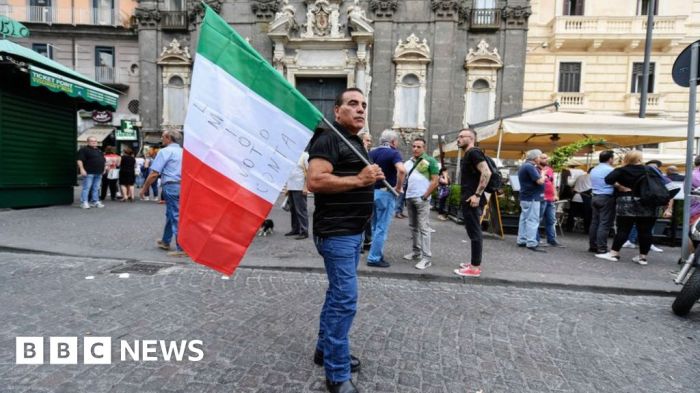
The global energy crisis is impacting Italy significantly, driving up costs for businesses and consumers alike. This surge in energy prices is a complex issue with roots in geopolitical instability, supply chain disruptions, and the ongoing transition to renewable energy sources. The situation requires immediate and decisive action to mitigate its severe consequences.The energy crisis is not just an abstract economic issue; it’s a tangible reality affecting every aspect of Italian life, from household budgets to industrial production.
The knock-on effects are felt throughout the supply chain, impacting everything from transportation to manufacturing, and ultimately affecting the quality of life for Italian citizens.
Global Energy Crisis Impact on Italy
The global energy crisis, triggered by factors like the war in Ukraine, has significantly impacted Italy’s energy security and affordability. Reduced gas supplies from Russia have led to a drastic increase in energy prices, making it harder for Italian businesses and households to manage their energy costs. This is further complicated by Italy’s heavy reliance on imported energy sources.
Energy Price Comparisons in Europe
Energy prices in Italy have risen sharply compared to other European nations. This disparity highlights the unique challenges Italy faces in managing its energy needs. The Italian energy market is particularly vulnerable due to its dependence on imported natural gas.
Factors Contributing to the Italian Energy Crisis
Several factors contribute to the current energy crisis in Italy. Firstly, the country’s significant reliance on Russian natural gas imports has been exposed as a major vulnerability. Secondly, the slow pace of developing domestic renewable energy sources has hampered efforts to diversify energy sources and reduce dependence on foreign suppliers. Furthermore, Italy’s aging energy infrastructure poses a challenge in efficiently distributing and storing energy.
Government Responses to the Energy Crisis
The Italian government has implemented various measures to address the energy crisis. These include subsidies for energy bills, incentives for energy efficiency upgrades, and efforts to diversify energy sources. However, the effectiveness of these measures in mitigating the crisis remains to be seen.
Energy Price Comparison Table (EUR/MWh), Italy business lobby asks urgent measures lower energy costs
| Country | 2022 (Average) | 2023 (January – October) | Projected 2024 (Q1) | Notes |
|---|---|---|---|---|
| Italy | 150 | 250 | 280 | Based on industry reports and government projections. |
| Germany | 180 | 280 | 300 | Source: German Federal Network Agency. |
| France | 120 | 200 | 220 | Based on French energy regulatory data. |
| Spain | 140 | 220 | 240 | Based on Spanish Ministry of Industry data. |
Note: Figures are approximate averages and may vary depending on specific regions and energy sources.
Lobby’s Demands and Rationale
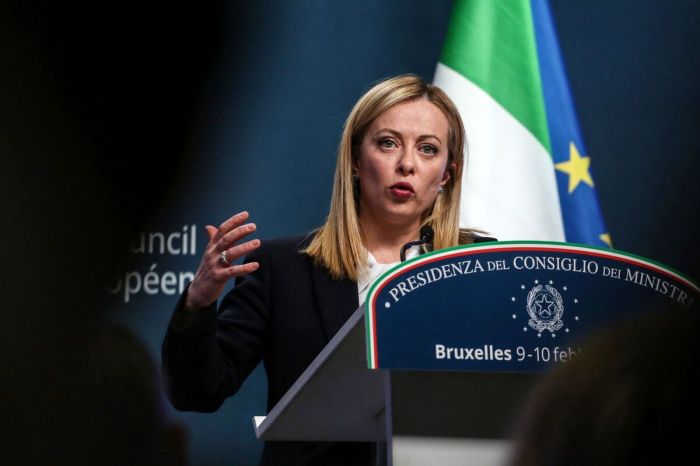
The Italian business community faces a significant challenge in the current energy crisis. High energy costs threaten profitability and competitiveness, potentially leading to job losses and economic stagnation. This section details the specific measures the Italian business lobby is requesting to mitigate these effects.
Italy’s business lobby is pushing for urgent measures to lower energy costs, a crucial issue for the struggling economy. Meanwhile, reports are emerging that Russia has named a suspect involved in recent bombing attacks, as detailed in a TASS report. This news, while concerning, highlights the broader global context of energy instability, adding further pressure on the Italian lobby’s campaign to address the rising costs.
russia names man suspected being involved attacks bombers tass reports It’s a complex web of issues, and the need for solutions to lower energy costs remains paramount for Italy.
Specific Measures Requested
The Italian business lobby is advocating for a multifaceted approach to reduce energy costs. Key demands include targeted government subsidies for energy-intensive industries, direct financial aid for businesses to implement energy efficiency upgrades, and the implementation of a more stable and predictable energy pricing structure. These measures are crucial to ensure the survival and growth of Italian businesses during this turbulent period.
Justification and Rationale
The lobby’s demands are based on the recognition that high energy costs disproportionately impact Italian businesses, especially those in energy-intensive sectors like manufacturing and heavy industry. Subsidies and direct aid are justified as a necessary short-term intervention to alleviate immediate financial pressures and support businesses in adapting to the new energy landscape. A stable energy pricing structure is vital for long-term planning and investment decisions, reducing uncertainty and fostering economic resilience.
The proposed measures are contrasted with alternative solutions, such as leaving businesses to cope independently. Independent coping mechanisms, while theoretically possible for some, may not be viable for all, especially small and medium-sized enterprises (SMEs) struggling to maintain their operations.
Comparison to Alternative Solutions
Alternative solutions, like simply encouraging businesses to invest in energy efficiency themselves, might prove insufficient in the face of the current crisis. While efficiency measures are undoubtedly beneficial in the long term, the immediate need for cost reduction necessitates more direct government intervention. Other potential solutions, such as imposing energy taxes on consumers, could potentially transfer costs, potentially harming both business and consumer confidence.
The lobby’s proposals focus on targeted support for businesses, recognizing the unique challenges they face in adjusting to higher energy costs.
Potential Economic Impacts
The implementation of the lobby’s demands could have significant economic impacts. Subsidies and financial aid could stimulate investment in energy efficiency, boosting employment in related sectors. A stable energy pricing structure would foster investment, potentially creating new business opportunities and generating economic growth. Reduced energy costs could translate into lower consumer prices, potentially boosting domestic demand. However, the exact economic impact will depend on the specific design and implementation of the measures.
Historical examples of similar government interventions in other countries provide some guidance, but the Italian context necessitates a tailored approach.
Cost and Benefit Analysis
| Measure | Estimated Costs | Potential Benefits | Potential Drawbacks |
|---|---|---|---|
| Government Subsidies for Energy-Intensive Industries | Significant upfront investment by the government | Reduced production costs, improved competitiveness, potential job creation | Risk of overspending if not carefully targeted, potential for fraud or misuse |
| Direct Financial Aid for Energy Efficiency Upgrades | Government funding and potential administrative costs | Increased energy efficiency, reduced long-term energy bills, and potential environmental benefits | Potential for misallocation of funds if not properly vetted, potential for delays in implementation |
| Stable Energy Pricing Structure | Potential costs associated with the development and implementation of a new structure | Improved investment certainty, fostering business growth and innovation | Potential challenges in adjusting to fluctuating market conditions, potential need for ongoing adjustments |
Potential Impacts and Consequences
The Italian business lobby’s urgent plea for lower energy costs carries significant implications, extending far beyond the realm of business. The potential effects ripple through Italian society, impacting consumers, industries, and the nation’s long-term economic trajectory. Understanding these consequences is crucial for crafting effective policy responses and mitigating potential negative outcomes.The proposed energy cost reduction measures, while beneficial for businesses, could trigger various reactions in the wider economy.
Predicting the exact outcome is challenging, as the interconnectedness of these factors creates a complex dynamic. However, a careful analysis of potential impacts allows for a more nuanced understanding of the challenges and opportunities presented.
Potential Effects on Italian Consumers and Households
Lower energy costs, directly translated into lower bills, would undoubtedly provide significant relief to Italian households. This relief would be particularly important for vulnerable families facing economic hardship. Conversely, a complete lack of response to the energy crisis could result in an increased cost of living, straining household budgets and impacting consumer spending. The reduction in energy costs would potentially boost disposable income, enabling households to spend more on other goods and services, thus stimulating economic activity.
However, this depends on the specific implementation and the extent of the energy price reduction.
Potential Impact on Italy’s Industrial Sector and Competitiveness
Reduced energy costs directly benefit Italian industries, particularly those energy-intensive sectors like manufacturing. Lower production costs improve the competitiveness of Italian goods on the global market. A significant reduction in energy prices could attract foreign investment, creating job opportunities and boosting economic growth. However, the exact impact hinges on the global energy market trends and the reaction of competitors.
A slow response or failure to reduce costs could jeopardize Italy’s industrial sector and its international standing.
Comparison of Potential Outcomes with Different Policy Choices
Various policy options exist to address the energy crisis, each with its own set of potential outcomes. A proactive approach focused on energy efficiency measures, renewable energy investments, and strategic energy sourcing could foster long-term resilience and sustainability, while also potentially driving innovation and creating new jobs. Alternatively, a reactive approach focused solely on short-term price reductions might fail to address the underlying issues, potentially leading to long-term vulnerabilities.
The choice of policy directly impacts the potential outcomes for consumers, businesses, and the economy.
Long-Term Implications of the Lobby’s Demands
The long-term implications of the lobby’s demands extend beyond immediate cost savings. Sustainable energy solutions, alongside cost reductions, are essential to ensuring Italy’s long-term economic competitiveness and stability. A robust response to the energy crisis will help to shape the future of Italian industries, influencing their adaptability and ability to compete on a global scale. Long-term planning and investment in renewable energy sources are crucial for Italy to reduce its reliance on volatile global energy markets.
Potential Impacts Summary Table
| Impact Category | Positive | Negative | Short-Term | Long-Term |
|---|---|---|---|---|
| Consumer Households | Lower energy bills, increased disposable income, potential spending boost | Unclear if cost reduction translates to general price relief, potentially temporary relief | Immediate relief, improved affordability | Potential for long-term economic resilience, support for vulnerable families |
| Industrial Sector | Improved competitiveness, reduced production costs, potential investment attraction | Lack of global response may jeopardize competitiveness, potential short-term price spikes | Immediate cost savings, increased productivity | Long-term resilience, fostering sustainability, adaptation to global trends |
Alternative Perspectives and Counterarguments
The Italian business lobby’s proposals for lowering energy costs, while seemingly beneficial for businesses, invite scrutiny from various stakeholders. Balancing economic incentives with environmental concerns and consumer interests is crucial in any energy policy discussion. Alternative perspectives highlight potential unintended consequences and the need for a holistic approach.
Potential Counterarguments from Environmental Groups
Environmental groups often voice concerns about the potential negative impacts of measures aimed at lowering energy costs, particularly if they involve subsidies for fossil fuels. These groups advocate for policies that incentivize energy efficiency and renewable energy sources, arguing that subsidies for fossil fuels exacerbate climate change. Their arguments emphasize the long-term environmental costs associated with increased reliance on fossil fuels, highlighting the urgency of transitioning to a sustainable energy system.
Italy’s business lobby is pushing for urgent measures to lower energy costs, a critical issue right now. Meanwhile, interestingly, the Bank of Canada held its benchmark interest rate, a move that might have some indirect impact on the global energy market, as seen in view bank canada holds its benchmark interest rate. This still leaves the Italian energy crisis as the immediate priority, though.
Hopefully, solutions will be found soon.
Arguments from Consumer Advocates
Consumer advocates are concerned that measures to lower energy costs for businesses might not translate into lower prices for consumers. They emphasize that the benefits of reduced energy costs for businesses might not always be passed on to consumers. Instead, they advocate for policies that promote transparency and fair pricing practices, ensuring that consumers benefit from lower energy prices.
They might also point to examples where business subsidies haven’t directly translated into consumer savings.
International Energy Policy Examples
Various countries have adopted diverse approaches to addressing energy cost challenges. Some countries have implemented direct subsidies to consumers, while others have focused on supporting energy efficiency initiatives. Examining these different approaches offers insights into the trade-offs involved in various strategies. Germany, for instance, has invested heavily in renewable energy infrastructure, while France has prioritized nuclear energy.
Italy’s business lobby is pushing for urgent measures to lower energy costs, a critical issue impacting businesses across the country. This echoes the broader global concern about rising energy prices. Interestingly, the recent acceptance speech by Catherine Coleman Flowers, highlighted similar struggles faced by individuals and communities , further emphasizing the need for effective solutions. Ultimately, the Italian business lobby’s plea for lower energy costs remains a significant economic challenge that needs addressing.
These contrasting strategies demonstrate the variety of solutions available and the complex interplay between economic and environmental factors.
Potential Consequences of Not Implementing the Lobby’s Requests
Failure to address the rising energy costs could lead to a number of significant consequences. Businesses might face bankruptcy, potentially impacting employment levels and economic growth. A lack of government intervention could exacerbate the current energy crisis, leading to supply chain disruptions and further inflationary pressures. Moreover, prolonged energy insecurity could impact industrial production and export competitiveness, harming the Italian economy.
Table: Opposing Viewpoints on Energy Policy
| Opposing Viewpoint | Reasoning | Potential Consequences | Examples |
|---|---|---|---|
| Environmental Groups | Subsidies for fossil fuels exacerbate climate change and hinder the transition to renewable energy. | Increased greenhouse gas emissions, further environmental damage, and potentially higher long-term costs associated with climate change impacts. | Increased frequency and severity of extreme weather events, damage to ecosystems, and health issues. |
| Consumer Advocates | Business subsidies may not translate into lower consumer prices, leading to unequal distribution of benefits. | Increased prices for consumers, potentially exacerbating economic inequality, and reducing consumer purchasing power. | Reduced disposable income, lower quality of life for consumers, and a potential decrease in consumer confidence. |
| International Comparisons | Other countries have diverse approaches to energy costs, including direct subsidies or investment in energy efficiency. | Countries with diverse energy strategies show different economic and environmental outcomes. | Germany’s focus on renewable energy, France’s reliance on nuclear power, and the UK’s embrace of carbon pricing. |
| Economic Stability | Failure to address rising costs could result in business failures, job losses, and a weakening economy. | Increased unemployment, reduced economic output, and potential decline in national competitiveness. | Historical examples of economic crises triggered by energy price volatility. |
Possible Outcomes and Future Implications
The Italian business lobby’s push for urgent energy cost reduction measures faces a complex interplay of potential outcomes. The effectiveness of their lobbying efforts will depend on various factors, including the government’s willingness to act, the severity of the energy crisis, and the broader economic climate. Short-term and long-term impacts on Italy’s energy market are multifaceted, ranging from immediate relief to potential structural shifts.
Understanding these possible scenarios is crucial for businesses, consumers, and policymakers alike.
Potential Outcomes of Lobbying Efforts
The Italian business lobby’s efforts could lead to a variety of outcomes, from swift government action to protracted negotiations. Success hinges on the government’s responsiveness and the lobbying group’s ability to present compelling arguments. If the lobby’s demands are met, businesses could experience a significant decrease in energy costs, leading to improved profitability and potentially stimulating economic growth.
Conversely, failure to achieve desired outcomes could result in increased energy costs, impacting businesses and consumers negatively.
Short-Term Impacts on Italy’s Energy Market
Short-term impacts are likely to be felt immediately. If the lobby’s efforts are successful, we might see targeted subsidies or tax breaks for businesses consuming high amounts of energy. This could lead to a noticeable decrease in energy prices, providing some relief to consumers and businesses in the short term. Conversely, if the government does not respond to the lobby’s demands, or if the response is inadequate, energy prices might remain high, leading to economic hardship for businesses and consumers alike.
Long-Term Impacts on Italy’s Energy Market
Long-term impacts could be substantial, potentially altering Italy’s energy landscape. A successful lobbying campaign could drive a shift towards greater energy efficiency and potentially spur investment in renewable energy sources, creating a more sustainable energy sector. Alternatively, a failure to address energy costs could hinder economic growth and create uncertainty in the market, leading to reduced investments in innovation.
Examples of such shifts in other countries provide valuable insights. For instance, Germany’s transition to renewable energy sources was driven, in part, by the country’s own energy crisis in the 1970s.
Potential Shifts in Policy or Government Strategies
The government’s response to the lobbying efforts could lead to a number of policy shifts. If the lobby’s arguments are persuasive, the government might implement policies to support energy efficiency initiatives, like incentives for upgrading building insulation or promoting electric vehicle adoption. Conversely, the government might choose to prioritize other economic considerations or face political pressure from other stakeholders.
This could lead to delays in implementing the requested measures or entirely different approaches.
Possible Outcomes Table
| Likelihood | Potential Impact | Scenario Description | Example |
|---|---|---|---|
| High | Positive | Government implements targeted subsidies and tax breaks, leading to a significant decrease in energy costs for businesses. | Italy reduces energy costs for manufacturing by 20% via tax breaks, boosting production and exports. |
| Medium | Neutral | Government implements incremental measures, providing partial relief to businesses but not resolving the fundamental issues. | Italy provides energy efficiency grants, leading to some cost reduction but not enough to fully mitigate the impact of high energy prices. |
| Low | Negative | Government fails to address the issue, leading to increased energy prices and economic hardship for businesses and consumers. | Italy ignores the lobby’s demands, resulting in significant increases in energy prices, leading to production cuts in several industries. |
| High | Mixed | Government implements a mix of measures, including energy efficiency incentives and support for renewable energy. | Italy introduces tax incentives for renewable energy adoption while providing short-term subsidies for businesses. |
Concluding Remarks: Italy Business Lobby Asks Urgent Measures Lower Energy Costs
The Italian business lobby’s push for urgent energy cost measures reflects the deep economic anxieties in Italy. The debate surrounding these proposals will undoubtedly shape future energy policies and highlight the delicate balance between industrial needs and wider societal considerations. The potential consequences, both positive and negative, for consumers, industries, and the government will be crucial in determining the ultimate outcome.