Kuwait eyes public private partnership energy projects help end power crisis – Kuwait eyes public-private partnership energy projects to help end its power crisis. The country’s energy infrastructure faces significant challenges, and this article explores how PPPs can be a viable solution. From a historical overview of Kuwait’s energy consumption to the potential benefits and drawbacks of PPPs in this context, we’ll delve into the complexities of this crucial issue.
Kuwait’s current energy crisis stems from a combination of factors, including increasing demand and aging infrastructure. This has led to power shortages and outages, impacting daily life and economic activity. This article examines the potential for public-private partnerships (PPPs) to address these issues by bringing together the expertise and resources of both public and private sectors.
Introduction to Kuwait’s Energy Crisis
Kuwait, a nation renowned for its vast oil reserves, has historically relied heavily on fossil fuels for energy production. This reliance has shaped its energy consumption patterns, with a significant portion of its energy needs met by domestic oil and gas resources. However, recent years have witnessed a shift in the landscape, leading to a notable escalation in the power crisis.
This shift, coupled with increasing demand and infrastructure limitations, has exposed vulnerabilities in Kuwait’s energy infrastructure.The recent escalation of the power crisis in Kuwait stems from several intertwined factors. Rapid population growth and the expansion of infrastructure projects have placed unprecedented strain on the existing energy grid. Furthermore, the ongoing transition to a diversified economy, though beneficial in the long term, has temporarily impacted energy supply and demand dynamics.
Simultaneously, the aging energy infrastructure, developed largely during periods of lower demand, is proving inadequate to meet the surging needs of the modern era.
Historical Energy Production and Consumption Patterns
Kuwait’s energy production has primarily been centered on oil and gas extraction. The nation has leveraged its substantial hydrocarbon reserves to power its economy and meet domestic energy demands. However, this reliance has been accompanied by a gradual shift in energy consumption patterns, driven by economic diversification and population growth. These shifts, though necessary for long-term sustainability, have created a challenge for the existing infrastructure.
Recent Escalation of the Power Crisis
The recent power crisis in Kuwait is a direct result of a confluence of factors. A significant rise in electricity demand, fueled by population growth and economic development, has outstripped the capacity of the existing energy infrastructure. Furthermore, maintenance and upgrade projects have been insufficient to address the growing needs. This has resulted in frequent power outages and a decline in the quality of service, impacting daily life and businesses.
Current State of Kuwait’s Energy Infrastructure
Kuwait’s current energy infrastructure, while once sufficient, now faces significant limitations. The existing power plants, largely reliant on older technologies, are unable to keep pace with the increasing demand for electricity. This inadequacy is compounded by the need for substantial upgrades and maintenance, which has been hindered by budgetary constraints and logistical challenges. Moreover, the distribution network, in some areas, requires modernization to ensure efficient electricity delivery.
Energy Sources Used in Kuwait
Kuwait’s energy mix is heavily weighted towards indigenous resources. The table below Artikels the various energy sources currently utilized by the nation.
| Energy Source | Description | Contribution |
|---|---|---|
| Oil | Primary source for electricity generation and transportation fuel | Significant |
| Natural Gas | Used for power generation, heating, and industrial processes | Important |
| Renewable Sources | Solar, wind, and other renewable sources are currently under development | Minimal, but growing |
The current reliance on fossil fuels, while historically crucial, is becoming increasingly unsustainable. The need for diversification and modernization is paramount to ensure Kuwait’s long-term energy security.
Public-Private Partnerships (PPPs) as a Potential Solution
Kuwait’s energy sector faces significant challenges, including a looming power crisis. Exploring innovative solutions like Public-Private Partnerships (PPPs) is crucial for addressing these challenges and ensuring long-term energy security. PPPs offer a unique opportunity to leverage private sector expertise and capital while maintaining government oversight. This approach can accelerate project development, improve efficiency, and attract much-needed investment.Public-Private Partnerships, in the context of energy projects, involve collaborations between public sector entities (like the government) and private sector companies.
This collaborative model allows private sector actors to bring specialized knowledge, financial resources, and operational expertise to projects, while the government maintains oversight and ensures adherence to public interest objectives. Essentially, it’s a win-win scenario where both parties contribute their strengths to a common goal.
Understanding PPP Models in Energy Projects
Public-Private Partnerships (PPPs) are not a one-size-fits-all solution. Various models exist, each with its own strengths and weaknesses. A key aspect of evaluating PPP models is understanding the division of responsibilities, risks, and rewards between the public and private partners. These models can be tailored to specific project needs, offering flexibility and adaptability.
Kuwait’s looking to public-private partnerships for energy projects to hopefully resolve their power crisis. However, the recent dip in oil prices, with tariff legal battles dominating OPEC discussions, as seen in this article on oil prices set weekly drop with tariff legal battles opec focus , could potentially impact the funding for these crucial projects. So, while Kuwait’s strategy remains focused on these partnerships, the global oil market’s volatility presents a significant challenge.
Comparing PPPs with Traditional Government-Led Projects
Traditional government-led energy projects often involve significant upfront investment by the government, potentially stretching public resources thin. PPPs, in contrast, can share the financial burden, allowing for quicker project implementation and potentially reduced risk. The private sector’s involvement also brings a different perspective, potentially improving efficiency and project management.
Potential Benefits and Drawbacks of PPPs in Kuwait
Implementing PPPs in Kuwait’s energy sector presents several potential advantages. These include:
- Faster project delivery: Private sector expertise and resources can accelerate the timeline of energy project development.
- Improved efficiency: Private sector operators often have established best practices in project management and operational efficiency.
- Access to capital: Private investors can bring in substantial financial resources, easing the burden on public funds.
- Risk sharing: PPPs can distribute project risks between the public and private sectors, mitigating potential financial losses.
However, potential drawbacks exist:
- Complexity: Structuring and managing PPPs can be complex, requiring specialized legal and regulatory frameworks.
- Potential conflicts of interest: Careful oversight and transparency are crucial to avoid conflicts of interest between the public and private partners.
- Negotiation challenges: Reaching mutually agreeable terms and conditions can be time-consuming and complex.
- Lack of local expertise: Building capacity for PPP management within Kuwait may be a hurdle initially.
Essential Legal and Regulatory Frameworks for PPPs
A robust legal and regulatory framework is paramount for successful PPPs in Kuwait. This framework should clearly define the roles and responsibilities of both parties, Artikel dispute resolution mechanisms, and provide a transparent process for project approval and implementation. Clear contract provisions and legal safeguards are essential for ensuring the project’s longevity and financial sustainability. The framework must also address the specific requirements of energy projects, including environmental regulations and safety standards.
The Role of International Expertise and Financing
International expertise in PPP structuring and project management can be invaluable. International financial institutions can provide crucial funding for projects, which would otherwise be difficult to secure locally. Partnerships with international firms can foster knowledge transfer and capacity building, strengthening Kuwait’s energy sector’s long-term capabilities.
Examples of Successful PPP Energy Projects
Numerous successful PPP energy projects exist globally. The UK’s involvement in various energy infrastructure projects, such as power plants and transmission lines, demonstrates the viability of this approach. Similar projects in other developed countries highlight the benefits of PPPs, and demonstrate the benefits of shared responsibilities, financial support, and expertise.
Kuwait’s focus on public-private partnerships for energy projects to resolve their power crisis is intriguing. Considering the recent stability in most emerging market currencies, as seen in most emerging market currencies set hold gains , it suggests potential avenues for attracting investment in these crucial projects. This could be a key element in finally overcoming the power challenges Kuwait faces.
Comparative Analysis of PPP Models
| PPP Model | Description | Strengths | Weaknesses |
|---|---|---|---|
| Build-Operate-Transfer (BOT) | Private entity builds, operates, and transfers the asset to the public sector after a set period. | Attracts private investment, reduces public expenditure | Potential for overpricing, potential for transfer issues. |
| Design-Build-Finance-Operate (DBFOO) | Private entity designs, builds, finances, and operates the project. | Streamlined process, reduces time to completion | Increased complexity, higher risk for the private sector. |
| Management Contracts | Public sector contracts with a private entity to manage an existing project. | Minimizes initial investment, cost-effective. | Potential for lack of private sector drive, less financial reward. |
Potential PPP Energy Projects: Kuwait Eyes Public Private Partnership Energy Projects Help End Power Crisis

Kuwait’s energy crisis necessitates innovative solutions, and Public-Private Partnerships (PPPs) offer a promising avenue for sustainable energy development. This approach leverages private sector expertise and capital to complement existing infrastructure and accelerate the transition to cleaner energy sources. Successful PPP models in other countries demonstrate the potential for cost-effective and efficient project implementation.Exploring various renewable energy projects through PPPs can not only address Kuwait’s current energy needs but also position the nation as a leader in sustainable energy practices.
This approach aligns with Kuwait’s long-term vision for energy independence and economic diversification.
Potential Types of Energy Projects Suitable for PPP Implementation
Several energy projects are well-suited for PPP implementation in Kuwait. These include solar photovoltaic (PV) power plants, wind farms, and concentrated solar power (CSP) plants. Such projects offer the potential for significant energy production, contributing to Kuwait’s energy security and reducing reliance on fossil fuels. Further, these projects can create employment opportunities and stimulate economic growth.
Need for Renewable Energy Integration
Integrating renewable energy sources is crucial for long-term sustainability. Renewable energy projects, especially solar and wind, can significantly reduce Kuwait’s carbon footprint and lessen dependence on imported fuels. This integration, facilitated through PPPs, can help diversify the energy mix and enhance energy security.
Renewable Energy Resources Available in Kuwait
Kuwait possesses abundant solar and wind resources, making it a prime location for renewable energy projects. The country’s arid climate and ample sunlight provide ideal conditions for solar PV and CSP technologies. While wind resources are less abundant, strategically located wind farms can still contribute to the energy mix.
- Solar Energy: Kuwait experiences high solar irradiance, making it highly suitable for solar power generation.
- Wind Energy: While not as prevalent as solar, wind resources can still be harnessed through strategic wind farm placement.
Improving Energy Efficiency through PPP Projects
PPPs can facilitate energy efficiency improvements in Kuwait. This involves the development of smart grids, energy-efficient buildings, and the implementation of energy-saving technologies across various sectors. Efficient energy management reduces overall consumption and lowers operational costs.
Role of Technology and Innovation in Efficient Energy Solutions
Advanced technologies and innovations play a vital role in developing efficient energy solutions. This includes smart meters, energy storage systems, and data analytics to optimize energy distribution and consumption patterns. Implementing these technologies can significantly improve energy efficiency and lower costs.
Kuwait’s looking at public-private partnerships for energy projects, hoping to resolve their power crisis. Meanwhile, global energy markets are also buzzing, with TSX futures rising and crude prices climbing, all while US-China talks are in the spotlight. tsx futures rise crude prices climb us china talks focus This global energy fluctuation could potentially impact Kuwait’s plans, adding another layer of complexity to their quest for a stable energy supply.
Incorporating Sustainability into PPP Energy Projects
Sustainability is paramount in PPP energy projects. Projects should prioritize environmental protection, minimize waste generation, and ensure the long-term viability of the energy infrastructure. This includes considering the lifecycle assessment of materials and technologies, promoting local job creation, and adhering to international environmental standards.
Projected Costs and Benefits of Different Renewable Energy Sources
| Renewable Energy Source | Projected Costs (USD/MWh) | Projected Benefits (USD/MWh) |
|---|---|---|
| Solar PV | 5-10 | 15-20 |
| Wind | 7-12 | 18-25 |
| CSP | 12-18 | 22-30 |
Note: Costs and benefits are estimated and may vary based on specific project parameters and technological advancements.
Addressing Potential Challenges
Implementing public-private partnerships (PPPs) for energy projects in Kuwait presents a complex landscape, requiring careful consideration of various challenges. These challenges extend beyond simple contractual agreements and delve into the intricacies of project feasibility, financing, risk management, and government oversight. Successfully navigating these obstacles is crucial for ensuring the long-term viability and success of these partnerships.
Potential Obstacles to Successful PPP Implementation
Several obstacles could hinder the successful implementation of PPP energy projects in Kuwait. These include bureaucratic hurdles, lack of clear legal frameworks, and potential conflicts of interest. Ensuring transparency and accountability throughout the entire process is vital to minimizing these impediments. A well-defined regulatory environment, coupled with robust dispute resolution mechanisms, can significantly mitigate these obstacles.
Project Feasibility and Financing Challenges
Assessing the feasibility of energy projects under a PPP framework requires a thorough evaluation of market demand, technological viability, and financial projections. The project’s economic viability is paramount, and reliable market analysis and accurate cost estimations are crucial. Financing schemes need to be carefully tailored to align with the project’s specific needs, and access to long-term capital is essential.
The availability of favorable financing terms and conditions can directly impact the project’s financial success.
Risk Management in PPP Energy Projects
Effective risk management is critical for the success of PPP energy projects. Risks can range from changes in market conditions to technological advancements and regulatory uncertainties. A comprehensive risk assessment should identify, analyze, and mitigate potential risks. Strategies for risk mitigation should be integrated into the project’s overall plan. A thorough understanding of the potential risks and their impact on project profitability is essential for robust risk management.
Role of Government Oversight
Government oversight plays a crucial role in ensuring the successful execution of PPP energy projects. Establishing clear roles and responsibilities, coupled with robust monitoring mechanisms, can foster accountability and transparency. A dedicated oversight body can act as a facilitator and mediator between the public and private sectors, ensuring compliance with project agreements and regulatory requirements. Strong government support, coupled with clear communication channels, is key to navigating potential conflicts and ensuring the project’s smooth operation.
Best Practices for Resolving Disputes and Conflicts
Well-defined dispute resolution mechanisms are essential for addressing potential conflicts and disagreements arising from PPP agreements. Mediation and arbitration are viable options for resolving disputes amicably and efficiently. Clear procedures for escalating disputes to higher levels should be established in advance. Establishing an independent dispute resolution body can ensure impartiality and encourage timely resolution of disagreements.
Potential Impact on Employment and Local Communities, Kuwait eyes public private partnership energy projects help end power crisis
PPPs have the potential to generate significant employment opportunities and contribute positively to local communities. The project should aim to prioritize local hiring and training opportunities, fostering a skilled workforce. Ensuring that the project’s social impact is positive, including creating local jobs and contributing to community development, is vital for long-term success.
Potential Risks and Mitigation Strategies for PPP Energy Projects
| Potential Risk | Mitigation Strategy |
|---|---|
| Fluctuations in fuel prices | Hedging strategies, energy price forecasts, and robust financial modeling |
| Technological obsolescence | Phased implementation plans, technology upgrades, and proactive research |
| Regulatory changes | Regular monitoring of regulatory developments, engagement with regulatory bodies, and adaptability |
| Project delays | Clear project timelines, contingency planning, and proactive management of risks |
| Financing constraints | Diversification of financing sources, favorable interest rates, and proactive negotiations |
Illustrative Case Studies
Public-private partnerships (PPPs) offer a promising avenue for Kuwait to overcome its energy crisis. Examining successful and unsuccessful PPP energy projects globally provides valuable insights into the key factors driving success or failure. These case studies can help inform Kuwait’s approach to developing its own PPP energy projects, ensuring they are robust and sustainable.
Successful PPP Energy Project in a Comparable Country
The Abu Dhabi Water and Electricity Authority (ADWEA) has been instrumental in developing numerous successful PPP projects, notably in the renewable energy sector. One example is the Shams 1 solar power plant. The project, a partnership between ADWEA and Masdar, successfully integrated solar energy into the UAE’s energy mix.
- Key factors contributing to success: Clear and well-defined project scope, robust legal framework, transparent bidding process, and strong stakeholder engagement. Financial incentives and risk mitigation strategies were crucial to attract private sector investment. The project benefited from a government commitment to support renewable energy development, and the expertise of Masdar, a reputable renewable energy company.
Failed PPP Energy Project in Another Country
Unfortunately, not all PPP energy projects are successful. A case study of a failed project in a South American country illustrates the potential pitfalls. The project, intended to develop a large-scale hydroelectric dam, failed due to several factors, including:
- Significant delays and cost overruns: Challenges in securing permits, land acquisition issues, and unforeseen geological problems significantly impacted the project timeline and budget.
- Insufficient stakeholder engagement: The project failed to adequately consider the interests and concerns of local communities. Conflicts over land rights and environmental impact assessments led to considerable opposition.
- Lack of transparency and corruption: Questions arose regarding the awarding of contracts and the allocation of resources, leading to public distrust and ultimately jeopardizing the project’s viability.
Lessons Learned from These Examples
The success of the Shams 1 project in Abu Dhabi highlights the importance of a clear legal framework, strong stakeholder engagement, and a transparent bidding process. The South American hydroelectric dam project serves as a stark reminder of the need to anticipate potential challenges, including delays, cost overruns, and community opposition. These experiences underscore the critical role of thorough planning, stakeholder engagement, and a robust legal and regulatory environment in ensuring the success of PPP energy projects.
Economic and Social Impacts of Successful PPP Projects
Successful PPP projects can bring significant economic and social benefits. The Shams 1 project, for example, led to:
- Job creation during construction and operation.
- Economic growth in the region through the development of new industries and infrastructure.
- Increased energy security by diversifying the energy mix.
- Reduced carbon emissions through the adoption of renewable energy sources.
These benefits are particularly relevant for developing countries, as PPPs can leverage private sector expertise and capital to improve infrastructure and energy access.
Ways to Represent a Successful Project in an Infographic
An infographic depicting a successful PPP project like Shams 1 could utilize various visual elements:
- Timeline chart: Showing the project’s progress from initiation to completion, highlighting key milestones and challenges.
- Financial impact graph: Illustrating the economic benefits, such as cost savings and revenue generation, over time.
- Geographic map: Displaying the project’s location and its impact on the surrounding area.
- Flowchart: Showing the process of the project from contract negotiation to operation, outlining the key stakeholders and their roles.
By using a combination of these visual elements, an infographic can effectively communicate the key aspects of a successful PPP energy project, making the information accessible and engaging for a wider audience.
Structuring a Proposal for a PPP Energy Project in Kuwait
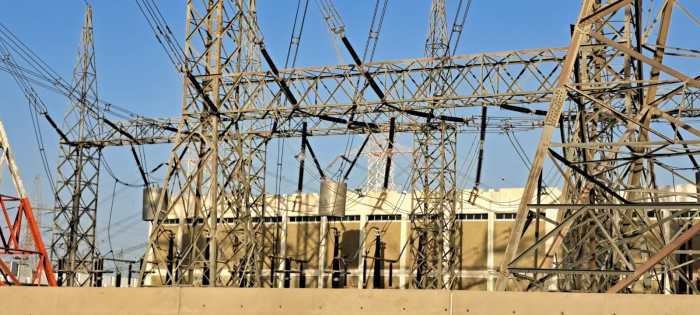
Kuwait’s energy sector faces significant challenges, including a growing demand for electricity and a need for infrastructure upgrades. Public-Private Partnerships (PPPs) offer a viable solution to address these issues by leveraging private sector expertise and capital while maintaining public oversight. This proposal Artikels a framework for a PPP energy project in Kuwait, focusing on addressing the current power crisis and ensuring long-term energy security.
Proposal Summary
This proposal Artikels a PPP project for the development of a new, sustainable energy plant in Kuwait. The project aims to alleviate the current energy crisis by increasing the country’s power generation capacity and reducing reliance on aging infrastructure. The project will leverage private sector expertise and financial resources, while the Kuwaiti government will retain oversight and control over critical aspects of the project.
Problem Statement
Kuwait’s existing power generation infrastructure is facing increasing strain due to growing population and economic activity. This leads to frequent power outages and unreliable electricity supply, impacting various sectors of the Kuwaiti economy and daily life. A new energy source is required to ensure long-term energy security and reliability.
Project Description
The proposed project involves constructing a modern, environmentally friendly power plant utilizing renewable energy sources such as solar or wind, complemented by existing fossil fuel sources to provide a hybrid energy solution. The plant will be designed with future expansion capabilities to adapt to growing energy demands. Key features will include advanced energy storage systems, smart grid technology, and integrated energy management systems.
Project Timeline
- Phase 1 (12 months): Feasibility studies, regulatory approvals, and land acquisition. This phase will involve comprehensive environmental impact assessments and obtaining necessary permits.
- Phase 2 (18 months): Design and engineering of the power plant. This includes the detailed engineering design, procurement of equipment, and development of detailed construction plans.
- Phase 3 (24 months): Construction of the power plant and commissioning of the plant’s systems. This phase will involve the physical construction of the facility, ensuring adherence to strict quality standards and safety protocols.
- Phase 4 (6 months): Testing and commissioning, along with initial operations and training. This period involves thorough testing of the plant’s systems, ensuring all components function optimally.
- Phase 5 (Ongoing): Operation and maintenance. This ongoing phase focuses on the long-term operation of the plant, with a dedicated team for maintenance and repairs.
Budget
A detailed budget will be prepared following the feasibility studies. However, initial estimates project a total cost of approximately [Insert estimated budget here], including land acquisition, construction, equipment, and operational expenses. This will be broken down further in the detailed financial projections.
Roles and Responsibilities
- Public Partner (Government): Oversight of project compliance with environmental regulations, procurement processes, and overall project execution. The government will also be responsible for establishing clear legal frameworks and regulations to ensure transparency and accountability. They will oversee the financial arrangements and ensure the project aligns with national energy policy.
- Private Partner (Contractor): Project implementation, including construction, operation, and maintenance. This includes the responsibility for adhering to all legal and safety requirements, securing necessary licenses, and ensuring the efficient operation of the plant.
Financial Incentives
- Public Partner: Long-term cost savings on energy procurement, reduced reliance on external energy sources, and a potential for increased tax revenues from the project’s operation. Government support could also include preferential access to financing.
- Private Partner: A guaranteed revenue stream from electricity sales, potential for cost recovery over a specified period, and potential for profit sharing based on performance. Tax incentives and streamlined regulatory processes could further incentivize private sector investment.
Long-Term Benefits and Sustainability
The project aims to promote energy independence and resilience, reducing the country’s dependence on volatile international energy markets. The use of renewable energy sources ensures a sustainable approach to energy production, minimizing environmental impact. The plant will be designed to incorporate future technology advancements and potential upgrades.
Transparency and Accountability
Robust mechanisms for transparency and accountability will be established, including independent audits, regular reporting, and public access to project information. A dedicated oversight committee will monitor the project’s progress and ensure compliance with all agreements and regulations.
Key Components Summary
| Component | Description |
|---|---|
| Project Goal | Alleviate energy crisis, enhance reliability |
| Technology | Hybrid renewable and fossil fuel |
| Timeline | [Insert Timeline details here] |
| Budget | [Insert Budget details here] |
| Roles | Clearly defined public and private responsibilities |
| Incentives | Cost savings, revenue streams, and profit sharing |
| Sustainability | Environmentally friendly and adaptable |
| Accountability | Independent audits and public access to information |
Final Thoughts
In conclusion, public-private partnerships hold significant promise for Kuwait’s energy sector, but successful implementation requires careful consideration of potential challenges. This includes developing robust legal frameworks, securing international expertise and funding, and managing risks effectively. By learning from both successful and failed PPP projects globally, Kuwait can create a sustainable energy future. Ultimately, a well-structured PPP project could bring much-needed relief to Kuwait’s energy crisis.