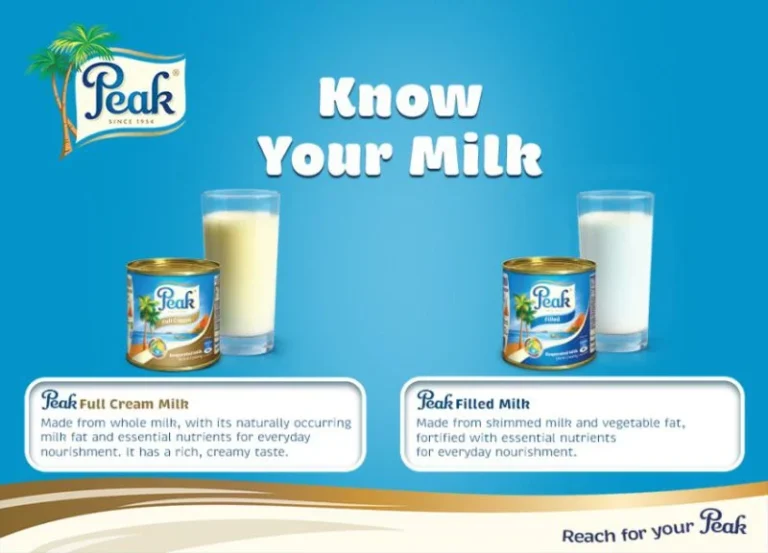
The modern supermarket dairy aisle has evolved into a complex landscape, often leaving consumers overwhelmed by an array of choices that extend far beyond the traditional milk options of previous decades. What was once a straightforward errand—selecting a simple carton or tin—has transformed into a decision-making process involving dietary preferences, specific nutritional requirements, and a sophisticated understanding of food technology. Recent observations in major retail outlets highlight a growing trend: shoppers are increasingly seeking clarity on the functional differences between dairy categories, such as Full Cream, Filled Milk, and specialized growing-up formulations.
The Evolution of the Dairy Market
Historically, the global dairy market was characterized by limited, standard offerings. However, the last two decades have seen a paradigm shift driven by advancements in food science and a more health-conscious consumer base. According to recent market analysis from global food industry watchdogs, the dairy sector is now segmented into various categories to cater to diverse health profiles.
In the early 2000s, the focus was primarily on basic pasteurization and preservation. By 2015, the industry began pivoting toward functional nutrition, introducing products tailored to specific demographics, including children, the elderly, and individuals with specific dietary fat requirements. This evolution has led to a market where "milk" is no longer a monolithic term but a broad category encompassing various compositions designed for specific physiological needs.
Distinguishing Dairy from Non-Dairy Alternatives
The primary crossroads for the modern consumer is the choice between animal-based dairy and plant-based alternatives. Dairy milk—sourced predominantly from cows, goats, or sheep—remains the gold standard for naturally occurring, high-bioavailability nutrients. It provides a dense profile of calcium, high-quality proteins, and essential vitamins such as B12 and riboflavin.
Conversely, non-dairy alternatives, which include soy, almond, oat, and rice-based beverages, have seen a significant surge in popularity. While these products are often fortified to mimic the nutritional profile of cow’s milk, they are fundamentally different in their biological origin and macronutrient structure. Understanding this distinction is the essential first step for any shopper. For those who opt for traditional dairy, the decision-making process moves to the next, more technical phase: selecting the specific type of milk composition.
Technical Breakdown: Full Cream vs. Filled Milk
For many households, the most common confusion arises when comparing Full Cream Milk and Filled Milk. Both products are dairy-based and serve as essential protein sources, yet their fat compositions are distinct.
Full Cream Milk represents the closest form to natural whole cow’s milk. It retains the natural milk fat, which contributes to its characteristic creamy texture and mouthfeel. It is considered a complete nutritional source, containing the full spectrum of fat-soluble vitamins naturally present in milk. It is typically recommended for families seeking a balanced, nutrient-dense beverage that supports general growth and energy requirements.
Filled Milk, on the other hand, is a specialized dairy product where a portion or the entirety of the natural animal fat has been extracted and replaced with high-quality vegetable oils. This process is often utilized to adjust the lipid profile of the milk. Contrary to common misconceptions, this substitution does not diminish the protein or mineral content. Filled milk remains a robust source of calcium and essential amino acids, making it a viable alternative for consumers who, for dietary or health-related reasons, prefer a different fat composition while maintaining their dairy intake.
Age-Specific Formulations: The Role of Growing-Up Milk
The nutritional requirements of a toddler are vastly different from those of an adolescent or an adult. Pediatric nutritionists have long emphasized the "window of opportunity"—the critical stages of development during which specific micronutrients are essential for cognitive and physical growth.

Products like "Growing-Up Milk" (such as the 456 formulations) are not merely marketing tools; they are engineered food products. They are specifically fortified with components such as DHA (docosahexaenoic acid), an omega-3 fatty acid critical for brain development, and higher concentrations of iron and zinc to support a growing child’s immune system. These products serve as a bridge between infant formula and standard cow’s milk, ensuring that children aged four to six receive the precise nutrient density required for their rapid development phase.
Supporting Data and Consumer Trends
Market research indicates that over 60% of consumers admit to feeling confused by the labeling on dairy products. A 2024 retail study found that shoppers spend an average of 45 seconds longer in the dairy aisle compared to the snack or household goods aisles, primarily because they are attempting to verify nutritional labels.
The following table summarizes the strategic application of these products:
| Nutritional Goal | Recommended Product Type |
|---|---|
| General Family Nutrition | Full Cream Milk |
| Specific Fat Profile Management | Filled Milk |
| Cognitive and Physical Development (Ages 4-6) | Growing-Up Milk |
Implications of Informed Purchasing
The broader implication of this consumer confusion is a potential disconnect between dietary needs and actual intake. When shoppers choose products based on packaging aesthetics or familiarity rather than nutritional intent, they may miss out on the functional benefits specific products provide.
Dietitians and nutritionists advocate for a "needs-first" approach. By assessing one’s family requirements—such as the presence of growing children, the need for fat-modified dairy, or the requirement for standard whole-milk nutrition—consumers can navigate the aisle with higher confidence.
Professional Perspectives on Label Transparency
Industry experts suggest that manufacturers have a responsibility to simplify these distinctions through better labeling. A representative from a leading nutritional research firm noted, "The goal of the industry should be to empower the consumer. When a mother understands why a 456 formula is different from a standard evaporated milk tin, she makes a choice that directly impacts her child’s development. Education is the key to closing the gap between the product on the shelf and the health goals of the household."
A Checklist for the Modern Shopper
To streamline the shopping process, experts suggest that consumers adopt a standardized mental checklist before selecting a milk product:
- Identify the Target Consumer: Is the product intended for a growing child, an active adult, or for general cooking purposes?
- Evaluate Fat Requirements: Are there specific dietary goals that require a modified fat composition, or is the standard milk fat profile preferred?
- Assess Nutritional Fortification: Does the household require additional supplementation, such as added vitamins, minerals, or omega-3 fatty acids, which are often found in specialized formulations?
Conclusion: Moving Toward Nutritional Literacy
The complexity of the modern dairy aisle is a direct result of the industry’s attempt to provide targeted nutrition for diverse lifestyles. While the sheer volume of choices can be daunting, it is ultimately a benefit to the consumer. The transition from "guessing" to "choosing" relies on basic nutritional literacy. By viewing milk not as a generic commodity, but as a range of functional products, consumers can make decisions that align with their health objectives and family needs.
The journey toward better health begins long before the meal is prepared; it begins at the shelf. With a clearer understanding of what constitutes Full Cream, Filled, and Growing-Up milk, the average shopper can transform a potentially confusing errand into a proactive step toward better wellness. As the dairy industry continues to innovate, the consumer’s ability to interpret these advancements will remain the most critical tool in their nutritional arsenal.