North korea enabled russian attacks ukrainian civilian infrastructure monitoring – North Korea enabled Russian attacks on Ukrainian civilian infrastructure monitoring reveals a complex web of international relations and potential consequences. This intricate situation raises serious questions about the extent of North Korea’s support for Russia’s actions in Ukraine, the potential methods employed, and the global ramifications of such involvement.
Examining the historical ties between North Korea and Russia, the potential motivations behind their collaboration, and the various forms of support exchanged, including material aid and military expertise, provides valuable insights. The article will explore possible channels of communication and logistical support between the two nations, as well as the types of weaponry that North Korea might be supplying to Russia.
Furthermore, it will analyze the potential impact on international relations, the methods used to monitor North Korean activity, and the Ukrainian perspective on this reported involvement.
North Korean Role in Supporting Russian Actions
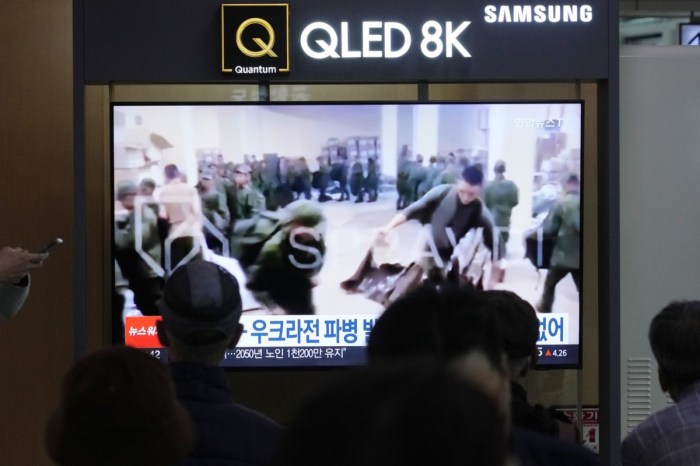
North Korea’s historical relationship with Russia has been marked by periods of cooperation and conflict. While their alliance has not always been unwavering, shared geopolitical interests and a common opposition to certain Western policies have led to intermittent periods of strategic alignment. Recent events in Ukraine have prompted renewed scrutiny of North Korea’s potential role in supporting Russia’s actions.The potential motivations behind North Korea’s support for Russia’s actions in Ukraine are multifaceted.
The desire to bolster its own international standing, a desire for stronger economic ties with Russia, and perhaps a calculated strategy to further destabilize the international order are possible factors. This support may also be driven by a shared antipathy toward the West and a belief that a weakened international order benefits North Korea’s interests.
Historical Relationship Between North Korea and Russia
The historical relationship between North Korea and Russia is complex and often marked by periods of tension and cooperation. Historically, Russia has been a crucial ally in North Korea’s development and in maintaining its isolation from the rest of the world. This alliance has been further strengthened by shared interests in countering perceived Western influence and maintaining a strategic balance in the region.
North Korea has consistently relied on Russia for assistance in various areas, including technological advancements and military training.
Potential Motivations for North Korea’s Support
Several potential motivations could be driving North Korea’s support for Russia’s actions in Ukraine. These include a desire for increased economic and political influence, a desire to further isolate the West, and the belief that a weakened international order would be beneficial to North Korea. North Korea’s support may also be driven by a calculated strategy to further destabilize the international order, leveraging the situation for its own gain.
Possible Forms of Support
North Korea could provide various forms of support to Russia, including material aid and military expertise. This assistance could range from supplying weapons and ammunition to sharing military tactics and intelligence. The potential for North Korea to provide logistical support, such as transportation routes and staging areas, is also a factor.
Examples of North Korean Involvement
There are currently no publicly verifiable examples of North Korea directly supplying weapons or equipment to Russia. The lack of definitive proof, however, does not necessarily indicate a lack of involvement. The secretive nature of North Korea’s actions makes definitive confirmation challenging. The absence of explicit evidence does not preclude the possibility of clandestine support.
Comparison with Other Potential Russian Supporters
Compared to other countries potentially supporting Russia’s actions in Ukraine, North Korea’s involvement may differ in terms of scale and type of assistance. While some countries might provide limited financial or diplomatic support, North Korea’s potential for military or logistical aid could be more significant, given its existing relationship with Russia and its own need to maintain its position on the global stage.
Potential Channels of Communication and Logistical Support
| Potential Channel | Description |
|---|---|
| Diplomatic channels | Utilizing existing diplomatic relations and back-channel communication for coordinated actions. |
| Trade routes | Using existing or established trade routes for the transfer of goods and personnel. |
| Third-party intermediaries | Employing intermediary countries to facilitate covert communication and support. |
Types of Weaponry North Korea Might Provide
| Type of Weaponry | Description |
|---|---|
| Small arms | Various types of rifles, pistols, and ammunition. |
| Artillery | Mortars and rockets, possibly including advanced types. |
| Military equipment | Potential supply of armored vehicles, or related equipment. |
Methods of Enabling Attacks on Ukrainian Civilian Infrastructure
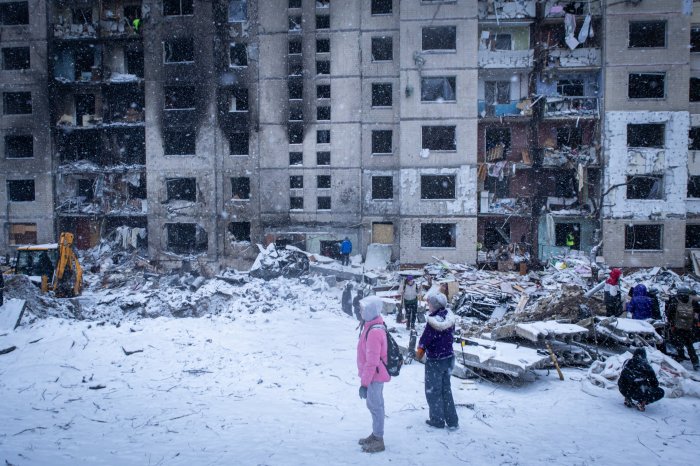
North Korea’s potential support for Russia’s attacks on Ukrainian civilian infrastructure raises serious concerns about the escalation of the conflict and the humanitarian crisis. This assistance could involve providing various weapons, logistical support, and personnel, further complicating the already dire situation for Ukrainians. Understanding the potential methods of such support is crucial for assessing the risks and potential consequences.North Korea’s past actions and relationships with Russia, coupled with its documented history of providing weapons and training to other conflict zones, underscore the possibility of their involvement in enabling attacks against Ukrainian infrastructure.
The nature and extent of this support remain uncertain, but the potential for substantial harm to civilians and the disruption of essential services is substantial.
Potential Methods of Support for Attacks
North Korea could provide a range of support to Russia, enabling attacks on Ukrainian civilian infrastructure. This could involve the provision of weapons and equipment, training personnel, and supplying logistical support.
Types of Weapons or Technology
North Korea possesses a range of weapons and technologies potentially suitable for attacks on civilian infrastructure. These include, but are not limited to, various types of artillery, missiles, and unmanned aerial vehicles (UAVs). The specific types of weapons provided would likely depend on the target infrastructure and the capabilities of the Russian forces. North Korea’s expertise in producing and modifying existing weapons systems, combined with its willingness to supply them to other nations, underscores the potential for such transfers.
Role of North Korean Personnel
North Korea’s personnel could play several roles in assisting the attacks. These roles might include training Russian forces on the use of new weapons systems, providing technical expertise in targeting specific infrastructure, and operating or overseeing the use of weapons systems. North Korea’s military and intelligence capabilities could contribute to improving the effectiveness of the attacks. Such involvement would represent a significant escalation of the conflict.
Logistical Support Channels
Logistical support for the weapons and personnel involved in the attacks could be provided through various channels. These channels could involve established supply routes, including use of proxy states or organizations, and concealment within legitimate trade networks. The sophistication and complexity of these channels would likely depend on the level of secrecy and discretion required. This demonstrates the potential for North Korea to operate in a clandestine manner, increasing the challenges of international efforts to counter these actions.
Comparison of Attack Scenarios
| Attack Scenario | Potential Impact | North Korean Support |
|---|---|---|
| Targeting of power grids | Widespread power outages, disruption of essential services, economic damage | Provision of advanced missile systems, expertise in targeting power infrastructure |
| Attacks on water treatment plants | Water shortages, spread of disease, disruption of public health | Provision of missiles and rockets capable of reaching these targets, training on targeting vulnerable points |
| Targeting of communication infrastructure | Communication disruptions, hindering coordination efforts, limiting access to information | Supply of advanced electronic warfare equipment, assistance in disrupting communication systems |
Targeting Specific Ukrainian Infrastructure
North Korea’s support could be used to target specific Ukrainian infrastructure, including critical infrastructure like power grids, water treatment facilities, and communication systems. The selection of targets would likely be based on their strategic importance and vulnerabilities. Targeting such infrastructure would aim to cripple Ukraine’s ability to function and inflict significant hardship on its population. This strategic approach aligns with known methods of warfare.
Impact on International Relations
Confirmed North Korean involvement in supporting Russian attacks on Ukrainian civilian infrastructure would dramatically alter the geopolitical landscape. This act of aggression, if substantiated, would solidify North Korea’s position as a pariah state, further isolating it from the international community and potentially triggering a cascade of severe repercussions. The ramifications for international relations, sanctions, and diplomatic efforts would be far-reaching and unprecedented.The potential for a significant escalation of tensions is undeniable.
This involvement marks a departure from previous international norms and underscores the willingness of some nations to disregard international law and humanitarian principles in pursuit of their strategic goals. The credibility of international institutions and agreements would be severely tested, and the global community’s ability to respond effectively to future crises would be questioned.
Potential Consequences for Sanctions and Diplomatic Efforts
The international community’s response to North Korea’s alleged support for Russia’s actions would likely involve the swift imposition of stringent sanctions. These sanctions would target not only North Korea but potentially also entities and individuals involved in facilitating the support, including financial institutions and arms dealers. Existing sanctions regimes would be strengthened, and new measures would be considered to further restrict North Korea’s access to resources and technology.
North Korea’s enabling of Russian attacks on Ukrainian civilian infrastructure monitoring raises serious questions about global accountability. While the world watches this horrific conflict unfold, the Federal Reserve’s recent announcement of plans to overhaul bank oversight, as detailed in this article ( feds bowman lays out ambitious agenda overhaul ease bank oversight ), highlights a different, yet equally concerning, aspect of global power dynamics.
This seemingly unrelated move might have unintended consequences on international sanctions efforts and potentially impact the ability to effectively counter North Korea’s involvement in these attacks.
Diplomatic efforts, already strained, would likely face a complete breakdown, with international cooperation on critical issues like nuclear proliferation and regional security becoming virtually impossible. The current international isolation of North Korea could be further amplified.
Likely Reactions from Other Countries, Including Western Nations
Western nations, already deeply concerned about Russia’s actions in Ukraine, would likely respond with outrage and condemnation. Increased military and economic support for Ukraine could be anticipated, and discussions on further escalating sanctions against Russia would intensify. A united front against North Korea’s actions would be paramount. The possibility of a significant shift in alliances and geopolitical alignments cannot be ruled out.
Past examples of international condemnation of state-sponsored aggression, like the Iraq War or the invasion of Afghanistan, provide context for the potential reactions.
Potential Responses from International Organizations like the UN
The UN Security Council would likely convene emergency sessions to address the situation. Resolutions condemning North Korea’s actions and demanding an immediate cessation of support for Russia would be anticipated. However, the effectiveness of these resolutions would depend on the level of unity among member states and the ability to enforce compliance. The UN’s role in maintaining international peace and security would be significantly challenged by this situation.
The potential for a veto by a permanent member could significantly hinder the UN’s ability to respond effectively.
Comparison with Previous Instances of International Disputes
The situation bears similarities to past international disputes involving state-sponsored aggression, such as the Iranian nuclear program or the Syrian civil war. However, the involvement of North Korea adds a unique dimension to the conflict. The potential for regional instability and the proliferation of weapons of mass destruction make this case particularly concerning. Understanding past instances of international disputes, like the Cold War or the Korean War, can offer insights into potential outcomes and the complexities of international relations.
Potential Ramifications for Regional Stability
North Korea’s involvement in supporting Russia’s actions could destabilize the entire Northeast Asian region. The possibility of an arms race, increased regional tensions, and the potential for further conflicts cannot be discounted. The implications for South Korea, Japan, and other countries in the region would be significant. The precedents set by past regional conflicts, like the Korean War or the Vietnam War, demonstrate the devastating consequences of unchecked aggression.
Table Illustrating Potential Repercussions on Various Global Partnerships
| Global Partnership | Potential Repercussions |
|---|---|
| US-South Korea Alliance | Increased military cooperation and heightened security concerns in the region. |
| US-Japan Alliance | Further strengthening of the alliance, focusing on enhanced defense capabilities. |
| UN Security Council | Weakened ability to address global crises due to divisions among member states. |
| NATO | Increased pressure on Russia and heightened vigilance against potential threats. |
Monitoring and Verification Efforts: North Korea Enabled Russian Attacks Ukrainian Civilian Infrastructure Monitoring
Scrutinizing North Korea’s involvement in the conflict requires meticulous monitoring and verification of their activities. This necessitates a comprehensive approach that leverages diverse intelligence sources and employs established methodologies for assessing the validity of evidence. The challenge lies in the secretive nature of North Korea’s operations, which often obscures their true intentions and actions. Transparency and cooperation among international actors are crucial to effectively monitor and verify the evidence.
Methods Used to Monitor North Korean Activity
Various methods are employed to track North Korean activity, ranging from satellite imagery analysis to the examination of shipping records and financial transactions. Open-source intelligence (OSINT) plays a vital role, encompassing public reporting from news agencies, social media, and academic publications. Sophisticated analytical tools are also used to identify patterns and anomalies in North Korean behavior, potentially revealing hidden connections to the conflict.
Sources of Information Regarding North Korean Involvement
Information about North Korea’s potential role in the conflict is gleaned from diverse sources. These include satellite imagery analysis, which can detect suspicious movements or activities in North Korean facilities or border regions. Shipping records provide insights into the movement of goods and materials that could be related to the conflict. Financial transactions, especially those involving entities or individuals linked to North Korea, can be scrutinized to uncover potential financial support or logistical assistance.
Furthermore, intelligence reports from various national agencies and international organizations contribute to the overall understanding of the situation.
North Korea’s enabling of Russian attacks on Ukrainian civilian infrastructure monitoring is a disturbing development. Meanwhile, the recent suspension of US Army helicopter flights at the Pentagon, following a close call, highlights the ever-present dangers in modern warfare. This incident, like the ongoing Russian attacks facilitated by North Korea, serves as a stark reminder of the volatile geopolitical climate and the need for vigilance.
us army helicopter flights pentagon remain suspended after close call While seemingly unrelated, both events underscore the complex web of global tensions and the potential for escalating conflict.
Challenges of Verifying the Evidence
Verifying the evidence regarding North Korea’s involvement is a complex undertaking. The secretive nature of North Korea’s operations often makes it difficult to independently corroborate information. Furthermore, the lack of transparency from the North Korean government makes it challenging to ascertain the true extent of their involvement. The potential for disinformation and manipulation by North Korea further complicates the verification process.
Accurately interpreting the meaning of observed patterns and establishing direct causal links between North Korean activities and the conflict are significant hurdles.
Examples of Past Incidents of Monitoring and Verification in International Conflicts
Numerous international conflicts have involved monitoring and verification efforts to assess the involvement of various actors. For instance, the monitoring of arms shipments in the Balkans in the 1990s and the analysis of chemical weapons use in Syria are examples of such efforts. These examples demonstrate the importance of international cooperation and the use of diverse intelligence sources in verifying evidence.
Table: Sources of Intelligence Used to Track North Korean Activity
| Source Type | Description | Example |
|---|---|---|
| Satellite Imagery | Visual observation of facilities, infrastructure, or movements. | Detecting construction activity at a North Korean munitions factory. |
| Shipping Records | Tracking the movement of cargo and vessels. | Identifying shipments of materials potentially related to weaponry. |
| Financial Transactions | Analyzing financial flows to and from North Korean entities. | Identifying unusual transactions involving individuals linked to North Korea. |
| Open Source Intelligence (OSINT) | Gathering information from publicly available sources. | News reports, social media posts, and academic publications. |
| Intelligence Reports | Information from national and international agencies. | Reports from US intelligence agencies or UN agencies. |
Potential Gaps in Monitoring and Verification Efforts
Identifying potential gaps in monitoring and verification efforts is essential to enhance future strategies. A lack of robust, independent monitoring mechanisms, limited access to North Korean facilities or personnel, and the absence of comprehensive data sharing between nations are all significant challenges. Discrepancies in interpreting satellite imagery, inconsistent reporting standards, and a lack of access to critical data sources also present significant hurdles.
| Potential Gap | Explanation |
|---|---|
| Limited Access to North Korean Facilities | Lack of access to sites of potential activity hinders verification. |
| Discrepancies in Interpretation | Varied approaches to interpreting satellite imagery or other data can lead to inaccurate assessments. |
| Inadequate Data Sharing | Insufficient cooperation and information sharing between nations reduces the effectiveness of monitoring. |
| Absence of Independent Monitoring | Lack of impartial and independent oversight complicates the process of verifying information. |
| Inconsistent Reporting Standards | Difficulties in ensuring consistent and standardized reporting methodologies. |
Ukrainian Perspective on North Korean Involvement
Ukraine’s perspective on North Korea’s alleged involvement in supporting Russia’s attacks on Ukrainian civilian infrastructure is marked by deep concern and a strong sense of betrayal. This perceived involvement further underscores the international dimension of the conflict and the broader geopolitical implications for regional and global security. The Ukrainian government and analysts see this as a further escalation of the war and a dangerous signal to other nations considering supporting Russia.The Ukrainian government’s statements and reactions to the reported North Korean involvement have been consistently critical, emphasizing the unacceptable nature of such actions.
They view this as a violation of international norms and a clear demonstration of support for an aggressor state. This perceived backing from North Korea is not seen as isolated but rather part of a larger pattern of international actors enabling Russia’s aggression.
Ukrainian Government Statements and Reactions
The Ukrainian government has publicly condemned any form of North Korean support for Russia. Statements from Ukrainian officials have highlighted the seriousness of this alleged involvement, emphasizing its potential to further destabilize the region and impact global security. Official pronouncements have stressed the importance of international condemnation and unified action to hold accountable those who support Russia’s war crimes.
Views of Ukrainian Experts and Analysts
Ukrainian experts and analysts generally believe that North Korea’s potential involvement is a significant escalation of the conflict, illustrating a disregard for international law and norms. They cite the potential for North Korea to provide military support, including weapons or training, to Russia. Furthermore, the possibility of North Korea supplying logistical or intelligence support to Russia is also considered a grave concern.
North Korea’s enabling of Russian attacks on Ukrainian civilian infrastructure monitoring is a serious concern. Meanwhile, rural consumption is apparently driving India’s GDP growth this fiscal year, as economists are pointing out here. This highlights a stark contrast, with global economic issues impacting different regions in various ways, all while the conflict in Ukraine continues and North Korea’s involvement remains a troubling factor.
They also raise the specter of this involvement potentially setting a dangerous precedent for other nations.
Implications for Ukraine’s Security
The perceived involvement of North Korea has significant implications for Ukraine’s security. It underscores the broader nature of the threat facing Ukraine, extending beyond Russia’s immediate military capabilities. This perceived involvement increases the risk of escalation, potentially drawing in other actors and amplifying the conflict’s devastating consequences. It further reinforces the need for international solidarity and support in confronting Russia’s aggression.
Comparison with Other International Perspectives
International perspectives on North Korea’s potential involvement vary. Some nations may view this as a minor incident, while others may recognize the gravity of the situation, aligning with Ukraine’s assessment. However, the unified condemnation of the alleged involvement is limited. This divergence of perspectives highlights the differing levels of concern and commitment to international norms. The Ukrainian perspective underscores the importance of unified international action to deter further escalations.
Summary of Different Views on North Korean Involvement
| Perspective | View on North Korean Involvement |
|---|---|
| Ukrainian | Deep concern; a significant escalation of the conflict; violation of international norms; potential for further destabilization; need for unified international action. |
| Other International (e.g., some Western nations) | Varying levels of concern; some may view it as a minor incident, while others may align with Ukraine’s assessment; potential for limited unified condemnation. |
| Other International (e.g., some neutral nations) | Less pronounced condemnation or explicit statements, potentially differing in assessment based on geopolitical considerations. |
International Condemnation and Responses
The potential involvement of North Korea in supporting Russia’s attacks on Ukrainian civilian infrastructure has sparked widespread international condemnation. The gravity of such actions, particularly targeting civilians, necessitates a robust and coordinated international response. This response must not only condemn the alleged actions but also explore potential sanctions and diplomatic pressure to deter further escalations. The international community’s response to this situation will be critical in setting a precedent for future instances of state-sponsored aggression.International organizations and individual countries have a range of tools at their disposal to respond to such accusations.
These range from issuing formal statements of condemnation to imposing targeted sanctions, potentially impacting North Korea’s economy and its ability to support further aggression. Understanding past international responses to similar situations provides valuable context and helps predict potential future actions.
International Responses to Allegations, North korea enabled russian attacks ukrainian civilian infrastructure monitoring
Various international bodies and nations have already voiced their concerns and taken preliminary actions. These responses, while varied, demonstrate a growing sense of international unity in condemning the potential North Korean involvement. The severity of the alleged actions and the potential implications for regional and global stability are driving this coordinated effort.
- United Nations Security Council Statements: The UN Security Council has a crucial role in addressing threats to international peace and security. Past resolutions on North Korea’s missile and nuclear programs demonstrate the council’s capacity to act collectively in response to unacceptable behavior. Statements condemning the alleged actions, potentially coupled with sanctions, would be a strong signal to North Korea.
- Individual Country Statements: Many countries have issued public statements condemning the alleged support of North Korea for Russia. These statements reflect growing international concern and solidarity with Ukraine. The consistency and intensity of these statements can significantly influence North Korea’s decision-making process.
- Potential for Sanctions: Economic sanctions have been a key tool in international relations, used to pressure nations to comply with international norms and standards. Sanctions targeting North Korea’s arms trade, financial institutions, or other sectors could have a significant impact on their economy and, potentially, dissuade them from further supporting Russia’s actions.
Potential Implications of Sanctions and Diplomatic Pressure
The potential implications of sanctions and diplomatic pressure on North Korea are multifaceted and significant. Sanctions can impact North Korea’s economy and its ability to support further aggression. Diplomatic pressure, including the potential for isolation, can also influence North Korea’s behavior.
- Economic Impact: Sanctions targeting North Korea’s financial networks or trade routes could cripple its economy, potentially forcing them to reconsider their support for Russia’s actions in Ukraine.
- Diplomatic Isolation: Increased international condemnation and isolation could put pressure on North Korea to re-evaluate its actions, particularly in the face of potential global isolation.
- Deterrence Effect: The international community’s united response to the potential North Korean involvement may serve as a deterrent against future instances of state-sponsored aggression and support for conflict.
Past International Responses to Similar Situations
Examining past international responses to similar situations offers valuable insights into potential future actions. The responses often depend on the severity of the situation, the involved parties, and the international context.
| Situation | International Response | Outcomes |
|---|---|---|
| North Korean Nuclear Tests | UN Security Council resolutions imposing sanctions and restrictions on North Korea’s activities. | Limited impact on North Korea’s nuclear ambitions but significant international condemnation. |
| Russian Annexation of Crimea | International condemnation and sanctions against Russia. | Limited impact on Russia’s actions, but highlighted the difficulty in effectively deterring state-sponsored aggression. |
Potential for Collective Action
A united front from the international community is essential in responding to the potential North Korean involvement. The ability to coordinate sanctions and diplomatic pressure significantly increases the potential for influencing North Korea’s actions.
- Coordination Among Nations: Close coordination between international actors, particularly the United States, China, and other major powers, is vital to maximizing the impact of any sanctions or diplomatic pressure.
- Leveraging Existing Mechanisms: Existing international agreements and institutions can be leveraged to increase the effectiveness of collective action. For instance, the UN Security Council can play a central role in condemning the alleged actions and potentially imposing sanctions.
Last Word
The alleged involvement of North Korea in supporting Russia’s attacks on Ukrainian civilian infrastructure highlights a disturbing escalation of the conflict. The potential ramifications for international relations, sanctions, and diplomatic efforts are significant. The article underscores the importance of robust monitoring and verification mechanisms to uncover the truth and the critical need for a unified international response to hold accountable those who violate international norms.
The Ukrainian perspective adds another layer of complexity to this unfolding crisis.