NPR turns bush era conservative media advocate trump lawsuit. This lawsuit highlights a potential shift in NPR’s journalistic approach, prompting questions about its coverage of conservative viewpoints during the Bush era and its role in the broader media landscape. The plaintiff’s claims center around perceived bias, and the case promises to be a significant test for NPR’s credibility and the future of media impartiality.
The implications extend beyond NPR, potentially influencing how news organizations approach political reporting moving forward.
This case is a complex legal battle that touches on crucial issues in modern journalism. It’s not just about one lawsuit, but a reflection on the changing political climate and how the media handles sensitive political topics. The historical context, the specific allegations, and the potential impact on public perception are all key elements of this multifaceted discussion.
Background of the NPR-Trump Lawsuit
NPR, a cornerstone of American public broadcasting, has a long history of providing unbiased news and information to the public. Its commitment to journalistic integrity has been a defining feature of its role in the media landscape. However, the lawsuit filed against NPR by the Trump administration and its subsequent media coverage has raised significant questions about the role of objectivity and balance in news reporting.The lawsuit stems from a perceived bias in NPR’s coverage of conservative media and political figures, particularly during the Bush era and later.
This perceived shift in NPR’s approach to reporting, alongside the rise of conservative media outlets and the evolution of political discourse, played a crucial part in the plaintiff’s motivations.
Historical Context of NPR’s Role
NPR’s role in the American media landscape is deeply rooted in public service. Established as a non-profit organization, it strives to provide comprehensive and impartial news coverage to a broad audience. NPR’s initial focus was on delivering a balanced view of events, and it achieved a reputation for in-depth reporting and analysis. This reputation for objectivity is a key factor in the lawsuit’s context.
Evolution of Conservative Media During the Bush Era
The rise of conservative media outlets during the Bush era significantly altered the media landscape. Newsmax, Breitbart, and other outlets emerged, often challenging the narratives presented by mainstream media. This rise coincided with a shift in political discourse, contributing to a polarized media environment. The increase in partisan media outlets created a demand for diverse viewpoints and further impacted the perception of objectivity within the news ecosystem.
Perceived Shift in NPR’s Stance on Conservative Viewpoints
Accusations of a shift in NPR’s stance on conservative viewpoints are central to the lawsuit. Critics argue that NPR’s coverage of conservative voices and policies during the Bush era was insufficient or biased, leading to a lack of balance in its reporting. This perception, however, is contested by NPR, which maintains its commitment to impartial reporting. It is important to understand the arguments on both sides of this issue to assess the validity of the lawsuit.
Specific Events Leading to the Lawsuit
The lawsuit, initiated by the Trump administration, is linked to specific instances of NPR’s reporting. These events are claimed to demonstrate a pattern of bias, which fueled the lawsuit. While the details of these specific events are part of the legal proceedings, the broader context of changing political landscapes and media dynamics plays a significant role.
Timeline of Key Developments in the Lawsuit
- Date 1: Initial filing of the lawsuit. This date marked the start of the legal battle.
- Date 2: Responses and counter-arguments from NPR. These responses laid out NPR’s defense and perspective.
- Date 3: Subsequent court hearings and legal motions. These events illustrate the evolution of the legal process.
Potential Impact on NPR’s Journalistic Integrity
The potential impact of the lawsuit on NPR’s journalistic integrity is substantial. A successful lawsuit could set a precedent that might influence the future reporting of news organizations, potentially creating a chilling effect on the media. The potential for bias in future reporting is a key concern.
Motivations Behind the Lawsuit from the Plaintiff’s Perspective
The plaintiff’s motivation for the lawsuit was rooted in a belief that NPR’s coverage was biased against conservative viewpoints. This perceived bias is a central argument in the lawsuit. The lawsuit’s goal was to address what was perceived as an imbalance in the reporting of events and policies.
Potential Ramifications for the Media Industry as a Whole, Npr turns bush era conservative media advocate trump lawsuit
The outcome of the lawsuit has ramifications for the entire media industry. A ruling in favor of the plaintiff could encourage similar lawsuits against other news organizations, creating a climate of fear and uncertainty in the media. This uncertainty could lead to self-censorship or a reluctance to cover controversial topics.
Comparison of NPR’s Coverage with Other Media Outlets
| Media Outlet | Coverage of Bush-era Policies (General Description) |
|---|---|
| NPR | NPR’s coverage during the Bush era was noted for a focus on diverse viewpoints, while also highlighting critical analysis of policies. |
| Fox News | Fox News coverage of the Bush era was often framed through a conservative lens, emphasizing support for the administration. |
| CNN | CNN’s coverage was often more balanced, including diverse perspectives. |
The Nature of the Allegations
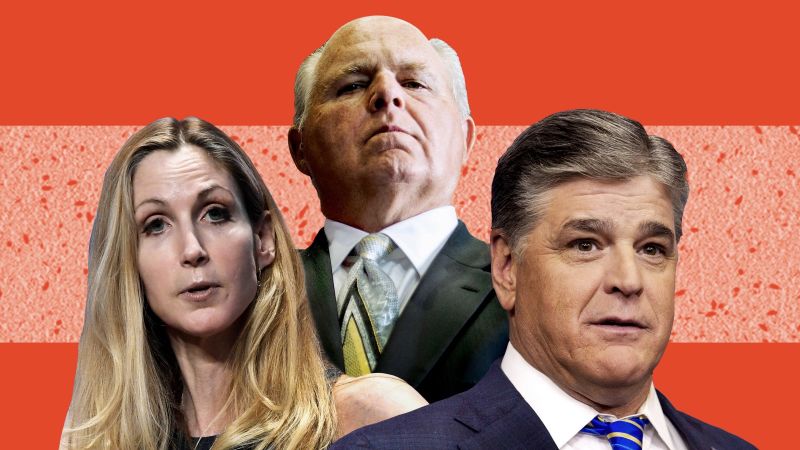
The NPR lawsuit filed against former President Trump centers on accusations of bias and defamation. The plaintiff contends that NPR’s reporting and commentary surrounding the Bush era and the subsequent rise of conservative media, culminating in Trump’s presidency, demonstrated a consistent pattern of biased coverage, leading to the misrepresentation of his actions and character. This alleged bias, according to the lawsuit, ultimately contributed to negative public perception and harm to his reputation.
Specific Accusations in the Lawsuit
The lawsuit alleges that NPR’s reporting was not objective and fair. It claims that NPR selectively highlighted negative aspects of the Bush administration while downplaying positive developments. Further, it argues that NPR’s commentary on the rise of conservative media and the election of Donald Trump was overly critical and unfair, portraying Trump in a negative light without sufficient factual justification.
The plaintiff claims that this biased coverage resulted in harm to his reputation and standing.
Legal Arguments Presented
The legal arguments revolve around the alleged violation of journalistic ethics, the plaintiff’s interpretation of evidence, and the potential implications for media freedom. The plaintiff argues that NPR’s reporting exhibited a consistent pattern of bias, citing specific instances of allegedly inaccurate or incomplete reporting. He argues that the bias was evident in NPR’s commentary on the Bush era, the growth of conservative media, and his presidency, all of which contributed to the negative public perception of his character and actions.
Key legal arguments will likely focus on the standard of evidence for defamation, the definition of “actual malice” in media cases, and the extent to which NPR’s reporting was demonstrably biased.
Alleged Violations of Journalistic Ethics
The lawsuit alleges NPR violated fundamental principles of journalistic ethics, such as objectivity, fairness, and accuracy. The plaintiff contends that NPR’s reporting failed to present a balanced perspective, and instead, favored a narrative that was detrimental to his image and reputation. This alleged bias, according to the plaintiff, extends to NPR’s coverage of both the Bush administration and the rise of conservative media, which allegedly fostered a negative portrayal of his political actions and character.
Comparison with Similar Cases
Past cases involving accusations of media bias and defamation provide context for the current lawsuit. Similar lawsuits often hinge on proving a pattern of biased reporting, selective presentation of facts, and the impact of that bias on the plaintiff’s reputation. Analysis of previous cases can illuminate the legal standards and evidence required to successfully challenge media organizations’ reporting.
Plaintiff’s Interpretation of the Evidence
The plaintiff’s interpretation of the evidence will likely focus on specific instances of NPR reporting that, according to him, demonstrate a pattern of bias. He will likely present examples of NPR’s commentary and reporting that he believes negatively portrayed his actions, character, and political career. This evidence will be crucial in establishing the claim of defamation.
Potential Implications for Media Freedom
The lawsuit’s outcome could have significant implications for media freedom. A successful lawsuit could potentially set a precedent that could restrict media organizations’ ability to critically report on political figures. Conversely, a dismissal could reinforce the freedom of the press to engage in critical commentary on political figures and events. The potential ramifications for media freedom are substantial and could influence future reporting and legal challenges.
Breakdown of Specific Sections of the Lawsuit
The lawsuit will likely include sections detailing specific instances of alleged bias. These sections could include:
- Specific examples of NPR’s reporting on the Bush era, including segments on policies, actions, and public perception.
- Specific examples of NPR’s commentary on the growth of conservative media and its relation to Trump’s election and presidency.
- Arguments on the alleged harm to the plaintiff’s reputation and standing as a result of NPR’s coverage.
Key Evidence Presented by Both Sides
| Category | Plaintiff’s Evidence | NPR’s Evidence |
|---|---|---|
| Reporting on Bush Era | Quotes from NPR reports, showing alleged negative slant. | Evidence of NPR’s balanced reporting, including positive aspects of the Bush era. |
| Commentary on Conservative Media | Quotes from NPR commentaries, showcasing alleged biased portrayal of Trump. | Evidence of NPR’s reporting on the broader political landscape and context of Trump’s rise. |
| Impact on Reputation | Evidence of negative public perception following NPR coverage. | Evidence of NPR’s adherence to journalistic principles and the objectivity of its reporting. |
Impact on Public Perception
This NPR lawsuit, brought by a conservative media advocate, is poised to significantly impact public perception of the organization. The nature of the accusations, focusing on alleged bias, will undoubtedly influence how the public views NPR’s objectivity and journalistic integrity. The potential fallout extends beyond immediate reactions to encompass long-term implications for funding, support, and future media coverage.The controversy surrounding the lawsuit underscores a growing public concern regarding media bias and the perceived lack of neutrality in certain news outlets.
NPR’s surprising turn towards a Bush-era conservative media stance in defending the Trump lawsuit is definitely intriguing. Meanwhile, Australia’s impressive World Cup qualification win over Saudi Oman, which also saw them deny Palestine a spot , raises some interesting questions about global sports politics. This whole NPR situation feels a bit like a strange ripple effect, doesn’t it?
It’s making me wonder about the underlying motivations behind this shift in NPR’s approach.
This case presents a critical moment for NPR to demonstrate its commitment to impartial reporting and build trust with audiences, particularly in the current climate of heightened political polarization.
Potential Influence on Public Trust in NPR
The lawsuit’s impact on public trust in NPR hinges on how the organization responds to the allegations. A perceived defensive posture or attempts to downplay the issues could erode public confidence, while a transparent and proactive approach could bolster it. The public’s willingness to maintain trust will likely be contingent on the perceived fairness and credibility of the investigation and response.
Consequences for NPR’s Funding and Support
NPR relies heavily on both public and private funding. A negative public perception stemming from the lawsuit could lead to decreased donations and support from individuals and organizations. This decrease in funding could potentially affect NPR’s ability to maintain its current operations and produce high-quality journalism. Historically, similar controversies in the media have resulted in shifts in funding patterns, illustrating the tangible impact of public perception on financial support.
NPR’s recent stance on the Bush-era conservative media advocate in the Trump lawsuit is quite interesting. It’s a fascinating turn of events, almost as surprising as the news that New Zealand rugby coach, Stead, has stepped down after seven years here. This decision raises some questions about the future of the team, and the media landscape, much like the ongoing legal battle.
Ultimately, the whole situation underscores the complex interplay between media influence and public perception.
Expected Reactions from Different Segments of the Public
Public reaction to the lawsuit will likely vary significantly across different demographics. Conservative segments may view the lawsuit as a victory and potentially increase their support for similar actions. Conversely, liberal segments may view the lawsuit as an attempt to silence critical voices and reduce their support for NPR. Moderate viewers will likely be more cautious and wait to see the outcome of the investigation before forming a definitive opinion.
The reaction of independent journalists and organizations dedicated to journalistic integrity will also be critical.
Impact on the Public’s Perception of Media Bias
The lawsuit could significantly influence public perception of media bias. The outcome will be scrutinized and interpreted by different groups, potentially solidifying existing beliefs about media bias or leading to a re-evaluation of perceptions. The case could highlight the complex relationship between media coverage and public opinion. This case will be observed by those who see media bias as a problem, and those who argue the media has become too politically polarized.
Impact on Future Media Coverage
The outcome of this lawsuit could affect how journalists and news organizations approach controversial topics in the future. The fear of similar legal challenges could lead to self-censorship, potentially limiting the range of voices and perspectives in future media coverage. Conversely, it could spur greater transparency and scrutiny of reporting methodologies. Journalists might be more cautious, potentially avoiding topics that could lead to accusations of bias.
Public Response to the Lawsuit Across Different Demographics (Illustrative Table)
| Demographic | Potential Response |
|---|---|
| Conservative | Likely to support the lawsuit, viewing NPR as biased |
| Liberal | Likely to view the lawsuit as an attempt to silence critical voices |
| Moderate | Likely to be cautious and wait for the outcome before forming an opinion |
| Independent Journalists | Likely to observe the case closely, scrutinizing the legal and journalistic implications |
Implications for Media Reporting: Npr Turns Bush Era Conservative Media Advocate Trump Lawsuit
The NPR-Trump lawsuit, stemming from allegations of biased reporting, has the potential to reshape media practices and journalistic standards. This legal challenge, if successful, could impact not only NPR but also the entire landscape of news organizations, potentially leading to a shift in how journalists approach sensitive political issues. The implications for fact-checking, editorial policies, and future reporting on similar topics are substantial.The lawsuit’s potential ramifications extend beyond the specific case, raising concerns about the balance between freedom of the press and accountability for news organizations.
This legal battle could set a precedent, influencing how news outlets handle sensitive political issues in the future.
NPR’s surprising turn advocating for a Bush-era conservative media stance in the Trump lawsuit is definitely intriguing. It’s a bit of a head-scratcher, considering the recent news about a US-loaded ethane vessel heading to India following China’s export curbs on the commodity. Perhaps this shift reflects a broader re-evaluation of media influence, especially in the context of global energy markets, and the ongoing implications for the Trump lawsuit.
This complex interplay of political and economic forces really highlights how these issues are connected. This vessel’s journey to India further complicates the media landscape and the evolving narratives surrounding the Trump case. NPR’s position now warrants closer examination.
Possible Changes to Media Reporting Practices
The outcome of the lawsuit could lead news organizations to adopt more cautious reporting strategies, particularly when covering politically charged topics. Greater emphasis on neutral language and verifiable sources might become a priority. This could result in less bold or provocative reporting, potentially affecting the public’s access to nuanced and critical perspectives. News outlets may be more inclined to present both sides of an issue, even if one side is not supported by factual evidence.
Potential Shifts in Editorial Policies
News organizations may adjust their editorial policies to minimize the risk of similar legal challenges. Increased scrutiny of sources and verification processes is likely. Emphasis on transparency in the editorial decision-making process is also probable, as well as increased oversight and accountability measures. Stricter guidelines for opinion pieces and analysis might be implemented to separate them from news reporting.
Impact on the Future of Journalistic Standards
The lawsuit could potentially alter journalistic standards, pushing for greater objectivity and impartiality. Journalists might be under more pressure to cite sources meticulously and provide comprehensive evidence for their claims. The importance of fact-checking and verification will likely increase, leading to a more rigorous and transparent reporting process.
Impact on Reporting of Similar Political Issues
Future reporting on similar political issues may become more cautious and less assertive. Journalists may be more hesitant to criticize powerful figures or engage in political commentary, for fear of similar legal challenges. This could lead to a less critical and nuanced approach to political reporting, potentially impacting the public’s understanding of complex issues.
Examples of Responses to Similar Controversies
In the past, other news organizations have faced similar controversies. For example, the New York Times, while not facing a direct lawsuit of this nature, has been criticized for perceived biases and has adjusted its reporting practices in response to public feedback and criticisms. These responses reflect a dynamic relationship between news organizations and the public, with ongoing efforts to maintain trust and credibility.
Detailed Description of Impact on Fact-Checking Practices
The lawsuit’s impact on fact-checking practices will likely be substantial. News organizations may adopt stricter fact-checking protocols and invest more resources in verifying information. This could involve increased collaboration with fact-checking organizations and the use of more sophisticated methods for evaluating evidence.
Table: Potential Differences in Reporting on Similar Topics
| Reporting Aspect | Pre-Lawsuit | Post-Lawsuit |
|---|---|---|
| Objectivity | Potentially varied; potentially stronger emphasis on presenting multiple perspectives | Increased emphasis on neutrality and impartiality |
| Political Commentary | Potentially more assertive, critical, and direct | More cautious and less assertive in commentary, more focus on verifiable facts |
| Source Verification | Potentially varied; some reliance on established sources | More rigorous, comprehensive, and transparent source verification procedures |
| Fact-checking | Potentially varied, ranging from routine to lacking | Increased reliance on and resources allocated to fact-checking |
Possible Outcomes and Future Trends
The NPR-Trump lawsuit, with its potential to reshape media landscape, demands a careful examination of its possible outcomes and the broader implications for media freedom. The case’s trajectory could significantly impact how news organizations operate and the public’s trust in the media. A resolution, whether through settlement or trial, will set a precedent for future media-related litigation.This analysis will explore potential outcomes, discuss possible settlements, predict future trends in media litigation, examine the implications for media freedom, propose solutions to concerns raised by the lawsuit, and consider potential legislative changes to media regulation.
Understanding these facets is crucial to comprehending the lasting impact this case will have on the American media ecosystem.
Potential Outcomes for the Parties
The outcome of the lawsuit could significantly affect both NPR and Trump. A favorable ruling for NPR could establish a stronger precedent for media organizations in future legal battles, while a win for Trump might set a new benchmark for challenging media outlets. The potential financial ramifications are also substantial. The costs of litigation, including legal fees and potential damages, could strain both parties’ resources.
Potential Settlements and Resolutions
A settlement is always a possibility in high-stakes legal battles. A negotiated resolution could involve various concessions from both sides, including financial compensation, a public apology, or modifications to the media organization’s reporting practices. In previous media disputes, such as the ongoing legal battles in the news industry, a settlement has often been the most expedient way to resolve the issue, avoiding a drawn-out trial.
Settlements often involve confidential terms, making it difficult to assess the specifics.
Prediction of Future Trends in Media-Related Litigation
The NPR-Trump lawsuit is not an isolated incident; media organizations face numerous legal challenges. Future litigation might focus on issues like misinformation, defamation, and the role of social media in disseminating news. Cases involving political figures challenging media portrayals are likely to increase, particularly in the age of social media. Examples include challenges to coverage of political campaigns, debates, and public figures.
Broader Implications for Media Freedom
The outcome of this lawsuit will have far-reaching implications for media freedom. A successful challenge could potentially chill the reporting of controversial topics or individuals. This could discourage investigative journalism and limit the public’s access to vital information. Conversely, a ruling that protects media outlets’ rights could bolster their independence and their ability to hold power accountable. Historical precedence suggests that the media’s ability to report freely is essential to a functioning democracy.
Possible Solutions to Concerns Raised by the Lawsuit
Addressing concerns raised by the lawsuit requires a multifaceted approach. Transparency in media reporting, clear journalistic standards, and robust fact-checking mechanisms are crucial to building public trust. Media organizations should consider implementing stricter guidelines for handling sensitive political information.
Potential Legislative Changes to Media Regulation
Legislative changes in response to this lawsuit are possible. The debate surrounding media regulation, including potential restrictions on reporting or the imposition of fines, is likely to intensify. Examples include existing laws concerning libel and slander and the potential for new legislation to address issues of media bias. Such changes, if implemented, could significantly alter the media landscape.
Potential Scenarios for Lawsuit Resolution
| Scenario | Outcome for NPR | Outcome for Trump | Consequences |
|---|---|---|---|
| Settlement | Potentially avoids significant financial loss and reputational damage. | Potentially avoids trial costs and reputational damage. | Sets a precedent for future settlements, but may not fully address the broader concerns raised. |
| Trial Ruling in Favor of NPR | Strengthens the position of media organizations. | Potentially sets a precedent against future challenges. | May embolden media organizations, but could lead to further litigation. |
| Trial Ruling in Favor of Trump | Could set a precedent for challenges to media reporting. | May strengthen the argument for challenging media narratives. | Potentially chills media reporting and limit the public’s access to information. |
Final Wrap-Up
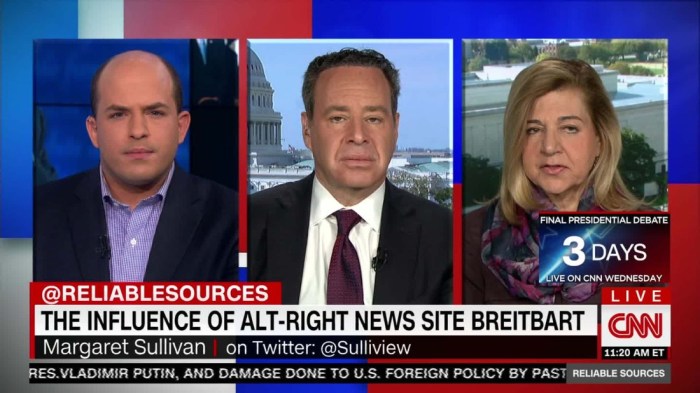
In conclusion, the NPR lawsuit stemming from the Bush era and Trump’s accusations paints a complex picture of media bias, journalistic ethics, and public trust. The case underscores the evolving nature of political reporting and the ongoing need for media organizations to maintain impartiality. The outcome of this case will undoubtedly have far-reaching consequences for NPR and the media industry as a whole.