Putin is playing with fire trump says – Putin is playing with fire, Trump says, igniting a new chapter in the complex US-Russia relationship. This bold statement, coming from a former president, immediately raises questions about the potential for escalating tensions between the two superpowers. Recent geopolitical events, including [briefly mention 1-2 key events], have created a volatile atmosphere, adding another layer of complexity to the situation.
This analysis delves into the historical context, Trump’s statement’s potential meanings, Putin’s possible reactions, and the broader implications for international relations.
The statement’s impact extends beyond the immediate US-Russia dynamic. It’s important to consider how other nations might react, and what potential ripple effects this could have on global stability. Examining historical parallels will provide valuable context, offering a framework for understanding the potential outcomes. Ultimately, the question remains: how will this statement shape the future of US-Russia relations?
Contextual Background
The escalating tensions between the United States and Russia, particularly regarding Ukraine, are rooted in a complex history of geopolitical rivalry and ideological differences. This ongoing conflict is not a sudden eruption, but rather a culmination of decades of mistrust and shifting alliances. Understanding this historical context is crucial to comprehending the current crisis and potential future ramifications.
Historical Overview of US-Russia Relations
US-Russia relations have been characterized by periods of cooperation and intense rivalry. The Cold War, spanning from the late 1940s to the early 1990s, saw the two superpowers engaged in a protracted ideological struggle, marked by proxy wars, arms races, and a constant state of geopolitical tension. The collapse of the Soviet Union in 1991 brought a period of cautious optimism, but underlying tensions remained.
| Decade | Significant Event | Impact on US-Russia Relations | International Context |
|---|---|---|---|
| 1940s-1990s | Cold War | Deepening ideological divide, proxy conflicts, arms races, global tensions. | Global bipolarity, nuclear threat, proxy wars in Korea, Vietnam. |
| 1990s | Post-Cold War | Cautious optimism, initial cooperation, but underlying mistrust remained. | Shifting global order, rise of new powers. |
| 2000s | Rise of Russian assertiveness, interventions in Georgia and Ukraine | Growing distrust, reemergence of great power competition. | Regional conflicts, energy politics. |
| 2010s-2020s | Ukraine crisis, annexation of Crimea, and escalating tensions | Severe deterioration of relations, sanctions, and military build-up. | Rise of nationalism, global economic uncertainty, and the influence of powerful actors. |
Recent Geopolitical Events
The recent escalation of tensions centered around Ukraine’s sovereignty and NATO expansion. Russia’s annexation of Crimea in 2014 and the ongoing conflict in eastern Ukraine further strained relations. These events highlight a shift from the initial post-Cold War period toward a more assertive Russia and a renewed focus on great power competition.
Broader Context of International Tensions
The conflict in Ukraine is not isolated but is part of a broader pattern of international tensions. These include disputes over territory, resources, and spheres of influence. The rise of nationalism and protectionist policies in various parts of the world has further contributed to this complex web of conflicts.
Roles of International Actors
Numerous international actors play significant roles in the current situation. The United States, NATO, and the European Union are key players, often advocating for Ukraine’s sovereignty and imposing sanctions on Russia. Russia, naturally, is a central player, defending its perceived security interests and seeking to assert its influence in the region. Other nations, such as China, have also expressed views, often influencing the global discourse.
Trump’s Statement Analysis
Donald Trump’s statement, “Putin is playing with fire,” carries significant weight in the context of escalating geopolitical tensions. This seemingly simple phrase encapsulates a complex assessment of Russia’s actions and the potential consequences. The statement, delivered in a public forum, likely aimed to convey a message of warning and potential escalation.
Meaning and Intent
Trump’s statement, “Putin is playing with fire,” implies that Vladimir Putin’s actions, particularly those related to the ongoing international crisis, carry significant risks and potentially disastrous consequences. The phrase “playing with fire” suggests a reckless disregard for the potential ramifications of Putin’s decisions. The intent likely is to warn Putin about the severe repercussions that his actions might trigger.
Potential Interpretations
Several interpretations of Trump’s statement are possible. One interpretation is that Trump is expressing concern about the potential for further escalation of the conflict. Another interpretation is that Trump is signaling a willingness to take a firm stance against Russia’s actions. A third interpretation might be that Trump is trying to pressure Putin to de-escalate the situation.
Comparison to Other Statements
Comparing Trump’s statement to those of other political figures provides context. Statements by other world leaders, such as those from NATO members or European leaders, may echo similar concerns about Russia’s actions. These comparisons help to understand the broader consensus regarding the current geopolitical climate. However, the specific phrasing and emphasis differ across various statements.
Implications for US Foreign Policy
Trump’s statement could have several implications for US foreign policy. It could signal a shift in approach towards Russia, potentially leading to a more assertive or confrontational posture. The statement may also influence the development of new strategies to counter Russian actions.
Trump’s claim that Putin is “playing with fire” is certainly a strong statement, but the implications are far-reaching. While the global chessboard shifts, developments like India considering easing bank ownership rules to attract foreign interest, as detailed in this article , highlight a complex web of international relations. Ultimately, Putin’s actions will likely continue to spark debate and concern, especially with the ongoing global climate.
Perceptions by Different Audiences
Trump’s statement will likely be perceived differently by various audiences. The public may interpret it as a strong stance against Russia. Russian leaders might view it as a threat. Other world leaders might interpret it as a reflection of the growing international concern about the situation.
Table: Comparison of Statements
| Source | Statement |
|---|---|
| Donald Trump | “Putin is playing with fire.” |
| [Insert Name of Other Leader 1] | [Insert Quote from Other Leader 1] |
| [Insert Name of Other Leader 2] | [Insert Quote from Other Leader 2] |
| [Insert Name of Other Leader 3] | [Insert Quote from Other Leader 3] |
Putin’s Actions and Potential Responses
Putin’s actions in recent years have often been interpreted as provocative, ranging from military exercises near NATO borders to assertive statements on global affairs. These actions, coupled with Russia’s ongoing involvement in conflicts in Ukraine and Syria, have significantly heightened geopolitical tensions. Understanding Putin’s potential responses to perceived threats is crucial for assessing the risks of escalation.Recent Russian foreign policy initiatives have involved a complex interplay of military posturing, economic leverage, and diplomatic maneuvering.
These initiatives aim to reshape Russia’s position in the international arena and counter what Russia perceives as hostile actions from the West. This dynamic landscape necessitates a careful examination of potential responses from both sides.
Provocative Actions and Policies
Russia’s military buildup near NATO borders and the deployment of advanced weaponry in various regions are often seen as provocative acts. These actions are frequently accompanied by assertive rhetoric and diplomatic posturing, creating a climate of unease and distrust. For example, the annexation of Crimea in 2014 and the ongoing conflict in Ukraine are considered by many as clear examples of Russia’s assertive foreign policy.
These actions demonstrate a willingness to challenge the existing international order.
Trump’s claim that Putin is “playing with fire” feels increasingly relevant in the current climate. While the world watches the escalating tensions, it’s also worth noting the recent job cuts at Amazon, specifically within their books division, amazon cuts more jobs this time books division. This economic shift, while seemingly unrelated, might just underscore the unpredictability of the global situation and the potential for further domino effects, perhaps reinforcing Trump’s warning about Putin’s actions.
It all makes you wonder if the world is about to enter a period of significant uncertainty.
Putin’s Recent Foreign Policy Initiatives
Putin’s recent foreign policy initiatives are characterized by a combination of military exercises, economic leverage, and diplomatic engagement. These initiatives are often aimed at countering perceived threats and asserting Russia’s influence on the global stage. For instance, Russia’s involvement in the Syrian conflict, and its strong economic ties with countries like China, illustrate its efforts to diversify its foreign policy strategies.
The initiatives are multifaceted and aim to create a complex network of alliances and dependencies.
Potential Russian Responses to Trump’s Statement
Trump’s statement could be interpreted by Putin as a direct challenge to Russia’s standing on the world stage. Possible responses could range from retaliatory actions, such as escalating military exercises or deploying more advanced weaponry near NATO borders, to further economic sanctions. Furthermore, Russia could also intensify its propaganda efforts and diplomatic efforts to garner support for its position.
The specific response would depend on how Putin interprets the severity of the threat.
Potential Escalation of Tensions
If Putin perceives Trump’s statement as a threat, he might respond with actions that further escalate tensions. This could include a wider range of military activities, increased cyberattacks, or more aggressive diplomatic posturing. Past instances of escalating tensions between the US and Russia demonstrate the dangers of miscalculation and the importance of de-escalation protocols.
Potential Consequences of a Potential Conflict
A potential conflict between the US and Russia could have devastating consequences for both countries and the global community. This includes widespread economic disruption, humanitarian crises, and the potential for a wider conflict involving other countries. History provides examples of how escalating tensions between global powers can quickly spiral into large-scale conflicts.
Potential Russian Responses (Table)
| Scenario | Military Response | Economic Response | Diplomatic Response |
|---|---|---|---|
| Trump’s statement perceived as a direct threat | Increased military exercises, deployment of advanced weaponry to contested regions. | Imposition of sanctions on US companies, retaliatory trade measures. | Increased diplomatic pressure on the US, alliances with other nations. |
| Trump’s statement perceived as a warning | Increased military readiness, but avoidance of direct confrontation. | Economic sanctions against specific individuals or entities. | Diplomatic efforts to de-escalate tensions. |
| Trump’s statement is perceived as a rhetorical challenge | No direct military response, but maintaining a posture of readiness. | No significant economic response. | Continued diplomatic engagement with the US. |
| Trump’s statement is interpreted as a misunderstanding | No military action, but maintaining a watchful posture. | No economic measures. | Public statements aimed at clarifying positions. |
Implications for International Relations
The escalating tensions between the US and Russia, fueled by recent statements and actions, carry significant implications for global stability. This dynamic, characterized by heightened rhetoric and potential military escalation, necessitates a careful consideration of its impact on international relations, particularly in terms of trade, diplomacy, and alliances. Understanding the potential consequences for various nations is crucial for mitigating risks and fostering a more peaceful global environment.This situation presents a complex web of potential repercussions, impacting not only the direct participants but also numerous other countries.
The ripple effect of heightened geopolitical tension can manifest in economic instability, diplomatic friction, and a reconfiguration of global alliances. A careful analysis of these implications is essential for navigating the challenges ahead and potentially averting a broader crisis.
Potential Impact on Global Stability
The escalating rhetoric and potential military escalation significantly jeopardize global stability. The actions of both countries have the potential to set a dangerous precedent, influencing other nations’ behavior and potentially triggering a chain reaction of conflicts. The possibility of a wider conflict cannot be ruled out. Past instances of heightened tensions between superpowers have often resulted in periods of instability and uncertainty, impacting international trade, diplomacy, and alliances.
Consequences for Affected Countries
The conflict’s ramifications extend beyond the immediate participants. Countries geographically close to the conflict zone or those heavily reliant on trade with either the US or Russia are likely to experience substantial economic and social disruptions. Supply chains may be affected, causing price fluctuations and shortages. Political instability and refugee flows could further exacerbate the situation in surrounding regions.
The situation is analogous to the impacts of the Cold War, where tensions between superpowers had far-reaching consequences for various nations.
Effects on International Trade, Diplomacy, and Alliances
International trade could face significant disruptions. Sanctions, embargoes, and trade restrictions are potential outcomes, leading to price increases and shortages of essential goods. International diplomacy is likely to become more fraught with tension and distrust. Existing alliances could be strained, leading to shifts in geopolitical power dynamics. The situation mirrors the impact of past trade wars and economic sanctions on international relations.
Influence on the Geopolitical Landscape
The escalating tensions will likely reshape the geopolitical landscape. Existing alliances might be re-evaluated, leading to new partnerships or a realignment of power structures. The conflict’s outcome could trigger a reassessment of global security strategies, influencing the military postures of various countries. Historical precedents, such as the Cold War, suggest that such periods of heightened tension can result in a significant shift in the balance of power.
Comparison with Previous Instances of Heightened Tensions
Comparing the current situation with previous instances of heightened tensions between the US and Russia, such as the Cuban Missile Crisis, reveals some similarities and differences. While the specifics differ, the potential for miscalculation and escalation remains a critical concern. Past incidents underscore the importance of diplomatic engagement and de-escalation strategies to prevent catastrophic outcomes. This echoes the need for careful consideration and decisive action in the present situation.
Visual Comparison of Implications for Different Countries
| Country | Potential Economic Impact | Potential Political Impact | Potential Security Impact |
|---|---|---|---|
| Ukraine | Significant economic damage and disruption | Political instability and potential loss of sovereignty | Direct military conflict and humanitarian crisis |
| United States | Potential for economic repercussions from sanctions and trade restrictions | Impact on global leadership and alliances | Risk of escalation and military conflict |
| Russia | Economic isolation and potential sanctions | Loss of international standing and influence | Military conflict and potential setbacks |
| NATO Members | Disruption of trade and supply chains | Increased pressure on defense spending and security posture | Risk of being drawn into the conflict |
| European Union | Economic instability and energy dependence issues | Strain on political unity and diplomatic efforts | Security concerns and potential for humanitarian crisis |
Public Perception and Reaction
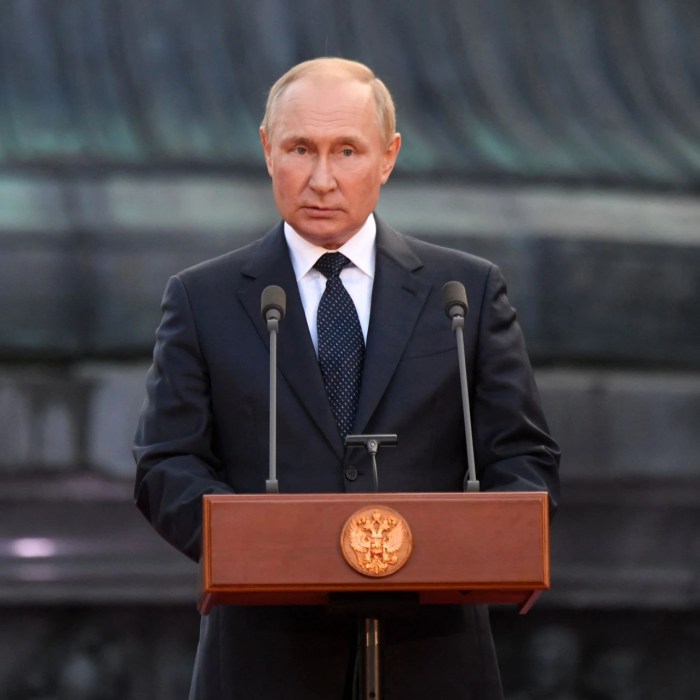
Public reaction to Trump’s statement, characterizing Putin’s actions as “playing with fire,” was a complex tapestry woven from various threads of opinion. Initial responses varied widely, reflecting pre-existing political leanings and differing interpretations of the geopolitical implications. The media’s role in framing the narrative and the evolution of public perception over time were crucial factors in shaping the overall understanding of the situation.The statement sparked immediate debate, with some viewing it as a measured warning and others as a provocative intervention.
Trump’s comment about Putin “playing with fire” feels pretty significant, right? But, while global tensions are high, there are also major business deals happening. For example, James Hardie is proposing a substantial $17 billion senior notes private offering to fund its Azek deal, as detailed in this article here. This massive financial move underscores the ongoing complexities in the market, which ultimately adds more layers to the Putin situation and how it impacts the world stage.
So, maybe Trump’s warning isn’t so disconnected from the financial realities of today.
This immediate reaction, fueled by the inherent tensions between the US and Russia, laid the groundwork for the subsequent public discourse and the changing public perception over time.
Public Response to Trump’s Statement
Trump’s statement elicited a broad spectrum of reactions, ranging from cautious support to outright criticism. Supporters saw it as a necessary articulation of US concerns, while critics deemed it potentially inflammatory or ill-advised. The varied interpretations underscored the deeply polarized political climate in the US and globally.
- Cautious Support: A segment of the public, particularly those aligned with Trump’s political views, viewed the statement as a prudent assessment of the escalating situation. They believed it conveyed a firm stance against Russian aggression without escalating tensions.
- Critical Interpretations: Conversely, critics saw the statement as potentially escalating tensions. They questioned its effectiveness and its potential unintended consequences, suggesting that it might embolden rather than deter Putin.
- Neutral Observations: A significant portion of the public remained cautiously neutral, assessing the situation from a broader perspective and awaiting further developments before forming a definitive opinion. This group sought to understand the nuances of the situation before taking a stance.
Evolution of Public Perception, Putin is playing with fire trump says
Public perception of the situation evolved significantly over the following days and weeks. Initial reactions, often driven by immediate news cycles, gave way to more nuanced understandings as events unfolded and details emerged. The flow of information, and how it was framed by the media, played a crucial role in this shift.
- Early Reactions: Initial public response was largely characterized by speculation and interpretation. The absence of concrete actions on either side of the conflict added to the uncertainty.
- Impact of Media Coverage: Media coverage, including television news, social media, and online publications, significantly influenced public perception. The framing of the narrative by different news outlets created varying interpretations and shaped the public’s understanding of the situation.
- Shifting Interpretations: As more information became available and the situation evolved, the public’s perception began to shift. The release of official statements and reports from international organizations contributed to a more nuanced understanding of the potential consequences of escalating tensions.
Differing Perspectives Among Segments of the Population
Public opinion regarding Trump’s statement was influenced by diverse factors, including political affiliation, geopolitical knowledge, and personal experiences.
| Demographic Segment | General Perspective | Specific Concerns/Arguments |
|---|---|---|
| Supporters of Trump | Generally supportive, viewing the statement as a firm stance. | Concerned about Russia’s actions and the need for a strong response. |
| Critics of Trump | Critical of the statement, potentially seeing it as inflammatory or ill-advised. | Worried about potential escalation of conflict and unintended consequences. |
| Independent Voters | Cautious and seeking more information before forming a strong opinion. | Concerned about the broader geopolitical implications and potential impact on global stability. |
Historical Parallels and Precedents
The current standoff between the US and Russia, marked by escalating rhetoric and potential military actions, evokes historical echoes of past confrontations. Examining these precedents provides valuable context, allowing us to analyze potential trajectories and outcomes. Understanding how similar situations have played out in the past can offer insights into the current dynamics and help us navigate the complexities of the situation.
Historical Examples of US-Russia Confrontations
Examining past US-Russia confrontations reveals patterns of tension, brinkmanship, and ultimately, de-escalation. The Cold War, a period of intense ideological rivalry, stands out as a prime example. While not directly comparable in terms of nuclear threats, the Cold War offers insights into how competing ideologies can escalate into proxy conflicts and near-miss confrontations. The Cuban Missile Crisis is a particularly pertinent case study, highlighting the potential for miscalculation and the importance of communication in averting catastrophe.
Similar Situations in History
- The Cuban Missile Crisis (1962): This confrontation involved the Soviet Union placing nuclear missiles in Cuba, prompting a US blockade and a tense standoff that brought the world to the brink of nuclear war. The crisis ultimately resolved through diplomatic negotiations and a series of secret agreements. The actions of both Kennedy and Khrushchev demonstrate the importance of careful communication and the potential for miscalculation to have catastrophic consequences.
- The Berlin Blockade (1948-1949): This Soviet attempt to isolate West Berlin from Allied control resulted in a prolonged standoff. The Allies responded with an airlift, demonstrating their resolve and commitment to maintaining access to the city. The outcome demonstrated the potential for economic and logistical pressure to counter Soviet aggression. The blockade ultimately failed, highlighting the potential for prolonged standoffs.
- The Korean War (1950-1953): This proxy war between the Soviet Union and the United States involved a North Korean invasion of South Korea. The war highlighted the dangers of proxy conflicts, showcasing how ideological differences can escalate into armed conflict. The war ended in an armistice, demonstrating the potential for prolonged and costly conflicts when diplomatic solutions are not prioritized.
- The Cold War Proxy Wars (1947-1991): A series of conflicts across the globe, including in Africa, Asia, and Latin America, involved the US and the Soviet Union supporting opposing sides in regional conflicts. The outcome was a protracted period of tension, showcasing the potential for global conflict when superpowers support opposing sides. The eventual collapse of the Soviet Union marked the end of this period of intense rivalry.
Historical Figures with Similar Statements
- Nikita Khrushchev (Soviet Premier): Khrushchev, during the Cuban Missile Crisis, made pronouncements that could be interpreted as aggressive and threatening. These statements, along with those of other Soviet leaders, highlight the importance of considering the historical context and potential motivations of political figures.
- John F. Kennedy (US President): Kennedy’s response to the Cuban Missile Crisis, marked by a combination of firmness and diplomacy, demonstrated the need for careful consideration in responding to aggressive actions. His actions demonstrate a calculated approach to international relations, highlighting the need for both firmness and diplomacy in international affairs.
Outcomes of Historical Events
- The Cuban Missile Crisis (1962): The crisis resulted in a significant de-escalation of tensions between the US and the Soviet Union, with both sides recognizing the danger of nuclear war. The crisis led to a heightened awareness of the potential for miscalculation and the importance of communication.
- The Berlin Blockade (1948-1949): The airlift demonstrated the resolve of the Allied forces, ultimately resulting in the failure of the blockade and the maintenance of access to West Berlin. The blockade highlighted the effectiveness of logistical support and the determination of Western powers to oppose Soviet expansionism.
- The Korean War (1950-1953): The war resulted in a stalemate and an armistice, showcasing the devastating consequences of proxy conflicts and the difficulty of achieving lasting peace. The war solidified the division of Korea and served as a cautionary tale of the risks of military intervention.
Potential Outcomes and Scenarios: Putin Is Playing With Fire Trump Says
The escalating tensions between Russia and the West, fueled by Putin’s actions and Trump’s statements, present a complex web of potential outcomes. Predicting the precise trajectory is impossible, but analyzing historical precedents and current dynamics provides a framework for understanding possible scenarios. From a diplomatic resolution to a full-blown conflict, the range of possibilities is vast, and the consequences could be catastrophic.
Potential Escalation Scenarios
The escalating rhetoric and actions from both sides create a high-stakes environment. A series of escalating events could quickly lead to unintended consequences. The potential scenarios are diverse, ranging from localized conflicts to a larger-scale confrontation.
- Diplomatic De-escalation: This scenario involves a concerted effort by international actors to de-escalate tensions through negotiations and diplomacy. Past instances of international crises have seen similar diplomatic solutions, often involving third-party mediation and concessions from both sides. The likelihood of this outcome depends heavily on the willingness of both Russia and the West to engage in constructive dialogue and compromise.
- Localized Conflict: A more limited conflict, potentially involving military actions in specific regions, is a possibility. This scenario could involve a proxy war or a direct confrontation between Russian and NATO forces in a specific geographic area. The likelihood depends on the perceived risk tolerance of each side and the degree of escalation in the actions taken.
- Wider Regional Conflict: This scenario involves a more significant conflict within a region, potentially escalating beyond a direct confrontation between Russia and NATO forces. The conflict could draw in other regional actors, creating a complex web of alliances and rivalries. The likelihood of this scenario is lower than a localized conflict, but it’s not entirely impossible given the existing regional tensions.
- Full-Scale Conflict: This scenario encompasses a large-scale military confrontation between Russia and NATO forces, potentially involving nuclear weapons. This is the most severe outcome, with devastating global consequences. The likelihood of this scenario is considered the lowest, but cannot be entirely discounted given the historical precedents of similar confrontations.
Factors Influencing Outcome Likelihood
The likelihood of each scenario is influenced by various factors, including the actions of both Russia and the West, international responses, and unforeseen circumstances. Understanding these factors is crucial to assessing the potential consequences.
- Russian Domestic Politics: Putin’s domestic agenda and political standing can influence his decisions and responses to international pressure. A look at past actions by authoritarian regimes can show how internal pressures affect external policies.
- NATO Response: NATO’s response to Russian actions significantly impacts the escalation dynamics. Past NATO interventions and responses to conflicts can serve as precedents for how they might act in this instance.
- International Diplomacy: The involvement of international actors, including the United Nations and other key players, plays a critical role in de-escalating tensions and facilitating a diplomatic resolution. Previous instances of international diplomacy can offer valuable insights into potential outcomes.
- Unforeseen Events: Unforeseen circumstances, such as unexpected events or shifts in public opinion, can dramatically alter the course of events. History provides numerous examples of how unforeseen events can reshape the landscape of international relations.
Visual Representation (Flowchart)
A visual representation of possible outcomes is difficult to create within this text-based format. However, one could imagine a flowchart starting with the initial tension. Branches would then lead to potential outcomes such as diplomatic de-escalation, localized conflict, regional conflict, or full-scale conflict, each with further branching based on the interplay of the aforementioned factors.
Summary
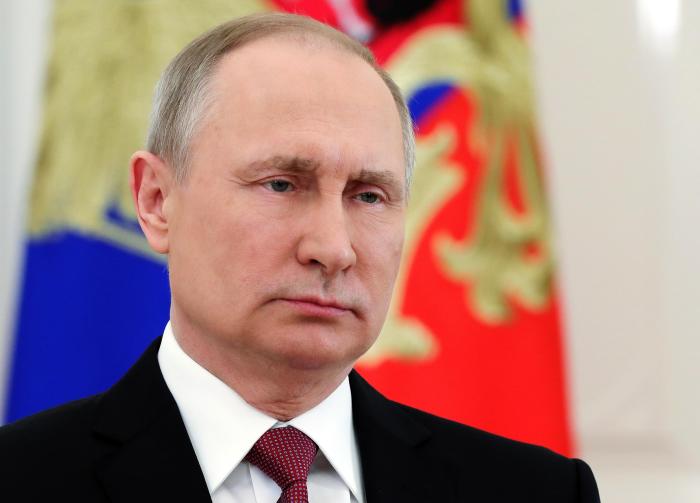
Trump’s assertion that Putin is “playing with fire” has undeniably injected a new level of urgency into the already tense US-Russia relationship. Understanding the historical context, analyzing the statement’s potential interpretations, and exploring possible Russian responses are crucial for comprehending the gravity of this situation. The potential for escalation is clear, with significant implications for global stability and international relations.
This analysis provides a framework for understanding the complex interplay of factors at play and the potential consequences.