Putin ukraine peace wants pledge halt nato enlargement sources say – Putin’s Ukraine peace wants pledge halt NATO enlargement, sources say. This raises critical questions about the future of the conflict, the role of NATO, and the potential for a negotiated settlement. The proposed halt to NATO expansion is a significant element in the equation, potentially offering a path to de-escalation. What are the specifics of Putin’s demands?
What are Ukraine’s counter-proposals? And what are the potential ramifications for the region and the international community?
This in-depth look explores Putin’s stance on peace, Ukraine’s perspective, NATO’s role, international viewpoints, the reliability of sources, and possible outcomes. Analyzing these diverse viewpoints will help us understand the complexities of the situation and the potential for a peaceful resolution. We’ll delve into historical context, proposed terms, and potential motivations behind these pronouncements.
Putin’s Stance on Peace
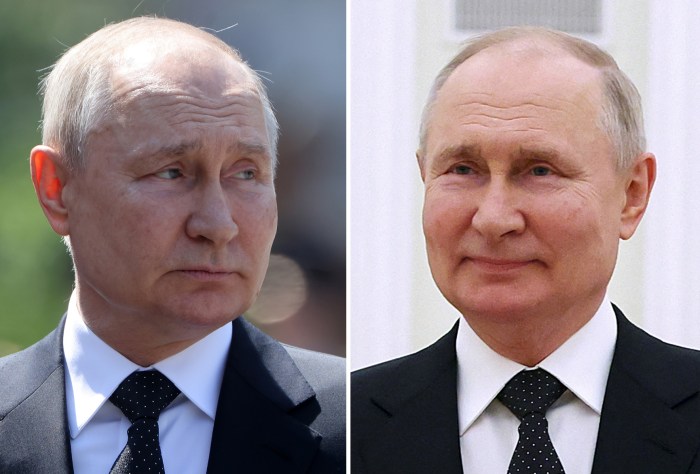
Putin’s pronouncements regarding Ukraine and peace have been characterized by a complex interplay of stated desires for resolution, alongside demands that appear to be intertwined with broader geopolitical objectives. His positions have evolved over time, reflecting shifting circumstances and perceived threats to Russian interests. Analyzing these pronouncements requires a careful consideration of both the historical context and the potential motivations driving them.Putin’s stance on the conflict is not a monolithic entity; it’s a dynamic response to events and perceptions.
Understanding this complexity is crucial to interpreting his actions and predicting potential future moves.
Historical Overview of Putin’s Statements
Putin’s statements regarding Ukraine have evolved from expressions of shared historical ties and cultural affinity to explicit justifications for military intervention, framed within a narrative of protecting Russian-speaking populations and countering perceived Western encroachment. Early pronouncements often emphasized the need for a peaceful resolution, yet the tone and substance of these statements have hardened over time.
Putin’s Proposed Terms for a Resolution
Putin’s proposed terms for a resolution have centered around Ukraine’s recognition of Russian sovereignty over territories claimed by Russia, a cessation of NATO expansion in Eastern Europe, and the dismantling of what he perceives as hostile military alliances. He has consistently emphasized the need for Ukraine to demilitarize and denazify. These conditions have been presented as non-negotiable, although the precise meaning and application of these terms remain ambiguous and have been subject to various interpretations.
Putin’s Perspective on NATO’s Role in the Region
Putin views NATO’s eastward expansion as a direct threat to Russian security. He believes that NATO’s presence near Russia’s borders undermines Russia’s strategic interests and creates an environment of perceived hostility. This perspective forms a significant justification for his actions in Ukraine. He argues that NATO expansion is a violation of post-Cold War agreements and a threat to the regional security architecture.
Sources are saying Putin wants a pledge from Ukraine to halt NATO enlargement as part of any peace deal. This comes at a time when a significant telecommunications deal, the SES 31 billion Intelsat deal, has gained an unconditional EU antitrust nod. This major European Union approval might indicate a broader shift in attitudes towards large-scale international transactions, which could indirectly impact the ongoing geopolitical pressures and potentially influence the negotiations surrounding the Ukraine situation.
Ultimately, the future of the peace talks hinges on Putin’s willingness to accept these conditions, and whether Ukraine is willing to concede on the NATO expansion issue.
Potential Motivations Behind Putin’s Pronouncements
Several potential motivations lie behind Putin’s pronouncements. These include safeguarding Russia’s perceived geopolitical interests, maintaining domestic political support, and potentially restoring Russia’s perceived status as a global power. The desire to counter what he perceives as Western encirclement and restore Russia’s influence in the region are also important factors.
Consistency or Inconsistencies in Putin’s Public Statements
Putin’s public statements on Ukraine demonstrate inconsistencies between declared peaceful intentions and actions that have escalated the conflict. While early pronouncements sometimes emphasized diplomatic solutions, subsequent pronouncements have increasingly emphasized military action and a rejection of compromise. This divergence suggests that Putin’s primary goal may not be a negotiated peace, but rather achieving specific geopolitical objectives.
Comparison of Putin’s Statements with Those of Other Key Figures
Comparing Putin’s statements with those of other key figures, such as Ukrainian officials and Western leaders, reveals significant divergences in perspectives. These differing perspectives highlight the fundamental disagreements over the conflict’s origins, justifications, and potential resolutions.
Sources are saying Putin wants a pledge from Ukraine to halt NATO enlargement to secure peace. This potential deal, though, seems intertwined with the fascinating world of art, particularly with the current focus on inclusivity in art, as seen in the work of Rujeko Hockley, Hank Willis Thomas, and others. Exploring artists like these at rujeko hockley hank willis thomas art inclusivity might offer some surprising insights into the potential motivations behind the current diplomatic efforts, and perhaps a different lens through which to view the overall conflict.
So, while the peace talks continue, the larger geopolitical landscape is clearly a complex mix of various considerations.
Table Illustrating Putin’s Evolving Stance
| Time Period | Key Statements/Actions | Putin’s Perceived Motivation |
|---|---|---|
| Early 2000s | Emphasis on shared history, cultural ties, and peaceful coexistence with Ukraine. | Establishing a positive image, fostering relations, or potentially countering perceived Western influence. |
| 2014 Annexation of Crimea | Justification of intervention based on protecting Russian-speaking populations and preventing a hostile government in Ukraine. | Asserting Russian influence, expanding territory, and potentially weakening Ukraine. |
| 2022 Invasion of Ukraine | Demands for Ukraine’s demilitarization, denazification, and recognition of Russian sovereignty over claimed territories. | Securing Russian influence in Ukraine, weakening NATO, and potentially restoring Russia’s global standing. |
Ukraine’s Position on Peace: Putin Ukraine Peace Wants Pledge Halt Nato Enlargement Sources Say
Ukraine’s stance on a resolution to the conflict is complex and multifaceted, driven by a desire for security, territorial integrity, and justice. The nation prioritizes the safety of its citizens and the restoration of its sovereignty. Their perspective on peace is deeply rooted in the need to address the root causes of the conflict and ensure a lasting solution.
Desired Outcomes for a Resolution
Ukraine seeks a comprehensive resolution that fully addresses the aggression perpetrated by Russia. This includes holding accountable those responsible for the war crimes committed and ensuring that such atrocities are never repeated. Critically, Ukraine aims for a peaceful and secure future free from external threats. A negotiated settlement must include measures to prevent future Russian aggression.
Conditions for a Potential Peace Agreement
A peace agreement must unequivocally recognize Ukraine’s sovereignty and territorial integrity within its internationally recognized borders. This is non-negotiable for Ukraine. Any agreement must include provisions for the complete withdrawal of Russian forces from all occupied territories. Compensation for damages caused by the invasion is also a crucial element. Furthermore, the agreement should establish mechanisms for the safe return of all Ukrainian citizens who have been displaced or taken against their will.
Roadblocks to a Negotiated Settlement
Ukraine’s primary concern is the credibility of Russia’s intentions. Past violations of agreements and the ongoing occupation of Ukrainian territories create significant distrust. The lack of a demonstrable commitment to de-escalation and a genuine desire for peace on Russia’s part are substantial obstacles to a negotiated settlement. The unresolved issue of Russian-occupied territories is a major roadblock, alongside the question of security guarantees.
Ukraine’s Perspective on NATO’s Role
Ukraine believes NATO’s role in the conflict should be centered on providing security guarantees to Ukraine and deterring further Russian aggression. They believe NATO membership is a vital aspect of their security future, and therefore any discussions of NATO enlargement are relevant and need to be discussed. Furthermore, Ukraine values the assistance and support provided by NATO members in the form of military and humanitarian aid.
Statements on Territorial Concessions, Putin ukraine peace wants pledge halt nato enlargement sources say
Ukraine’s position on territorial concessions is firm. Ukraine will not cede any portion of its sovereign territory. Any such agreement would undermine Ukraine’s sovereignty and be a violation of international law. The principle of territorial integrity is paramount.
Summary of Ukraine’s Stance on Peace Proposals
Ukraine’s stance on peace proposals from various sources is consistent. They are willing to negotiate a lasting resolution but will not compromise on the fundamental principles of territorial integrity and sovereignty. Any proposals that fail to recognize these principles will not be considered. Ukraine views the current peace proposals as insufficient to address the core issues of the conflict.
Key Differences Between Putin’s and Ukraine’s Positions
| Issue | Putin’s Position | Ukraine’s Position |
|---|---|---|
| Sovereignty of Ukraine | Contested; seeks to limit Ukraine’s sovereignty | Non-negotiable; upholds Ukraine’s internationally recognized sovereignty |
| Territorial Integrity | Seeks to alter Ukraine’s borders | Non-negotiable; maintains Ukraine’s existing borders |
| Withdrawal of Russian Forces | Unclear commitment; may involve partial withdrawal | Complete and unconditional withdrawal from all occupied territories |
| Accountability for War Crimes | Limited or no accountability | Accountability for all war crimes committed |
NATO’s Role and Enlargement
NATO, the North Atlantic Treaty Organization, plays a crucial role in maintaining security and stability in the Euro-Atlantic region. Its core function is collective defense, as enshrined in Article 5 of the Washington Treaty. However, the expansion of NATO’s membership has been a complex and often contentious issue, particularly in relation to Russia’s security concerns.NATO’s current position on enlargement is one of careful consideration.
While the organization’s doors remain open to qualified members, it is not currently pursuing a rapid expansion policy. Instead, the focus appears to be on strengthening existing partnerships and enhancing cooperation within the existing framework. This cautious approach seeks to avoid escalating tensions and maintain a stable security environment.
NATO’s Current Position on Enlargement
NATO’s current position on enlargement is marked by a pragmatic approach. It emphasizes the importance of maintaining a robust collective defense posture while simultaneously prioritizing diplomatic solutions to regional security challenges. This approach reflects a recognition of the complex interplay of security interests and geopolitical realities.
Russian Perception of NATO Enlargement
Russia views NATO expansion as a threat to its security interests. Historically, the eastward expansion of NATO has been seen as encroaching on its sphere of influence and increasing its vulnerability to perceived hostile actions. This perception stems from a combination of historical events, geopolitical considerations, and strategic concerns about potential military deployments near its borders.
Sources are claiming Putin wants a pledge to halt NATO enlargement as part of a potential peace deal with Ukraine. This is quite a significant development, especially when considering the parallel tracks of international trade negotiations, like the recent United States-United Kingdom trade deal, featuring former President Trump and UK Labour leader Starmer, and potential tariffs agreements. These parallel discussions highlight the intricate web of global relations and the complex challenges in achieving peace in Ukraine.
The pledge, if forthcoming, could significantly influence the future of the conflict. united states united kingdom trade deal trump starmer tariffs agreement Ultimately, the success of any peace agreement hinges on many factors, including the willingness of all parties to compromise.
Potential Diplomatic Solutions to Address Russian Concerns
Several diplomatic solutions can address Russian concerns regarding NATO expansion. These include: enhanced dialogue and confidence-building measures between NATO and Russia; clearly defined and mutually agreed-upon security guarantees; a commitment to transparency in military activities; and the creation of a mechanism for consultation and cooperation on regional security issues.
Potential Compromises or Concessions NATO Could Make
Potential compromises or concessions NATO could make include: a public reiteration of its commitment to not deploy offensive weapons in newly-admitted member states; a commitment to refrain from military exercises near Russian borders; and an undertaking to maintain existing security arrangements. These concessions would aim to demonstrate NATO’s commitment to addressing Russian security concerns without jeopardizing its fundamental principles or collective defense obligations.
Comparison of NATO Statements on the Issue with Previous Declarations
Comparing NATO’s current statements on enlargement with previous declarations reveals a shift in emphasis. While previous statements might have been more assertive or expansive in tone, recent declarations show a greater emphasis on diplomacy and addressing security concerns. This change in approach reflects a more nuanced understanding of the geopolitical context and the importance of avoiding escalation.
Timeline of NATO Expansion Efforts
NATO’s expansion efforts have spanned several decades. The organization’s initial focus was on the defense of member states. As the geopolitical landscape evolved, so did NATO’s approach to enlargement. This timeline demonstrates the gradual evolution of NATO’s approach to expansion.
| Year | Event |
|---|---|
| 1949 | NATO founded |
| 1952 | Greece and Turkey join |
| 1955 | West Germany joins |
| 1982 | Spain joins |
| 1999 | Czech Republic, Hungary, Poland join |
| 2004 | Bulgaria, Estonia, Latvia, Lithuania, Romania, Slovakia, Slovenia join |
| 2009 | Albania and Croatia join |
| 2017 | Montenegro joins |
| 2020 | North Macedonia joins |
Potential Consequences of NATO Enlargement
The potential consequences of NATO enlargement are multifaceted. Positive consequences include enhanced security for member states, increased stability in the region, and opportunities for cooperation. Negative consequences, however, include the potential for escalating tensions with neighboring countries, the risk of military conflicts, and the exacerbation of existing geopolitical rivalries. The actual outcomes will depend on the specific circumstances and the actions of all parties involved.
International Perspectives on Peace
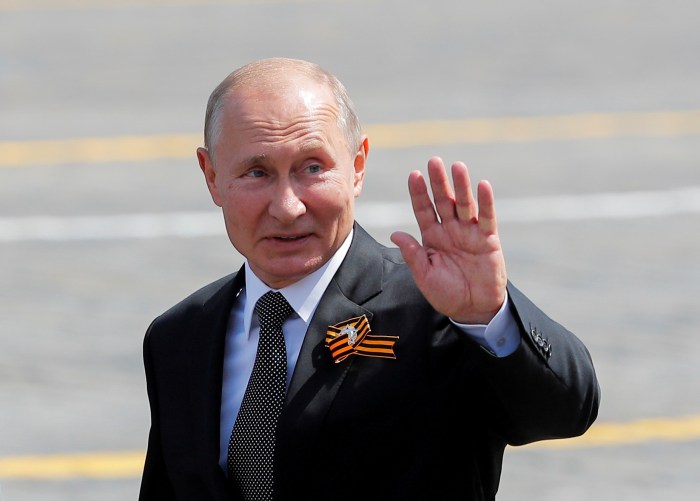
The conflict in Ukraine has drawn global attention, prompting diverse reactions and diplomatic efforts from various nations. Understanding these international perspectives is crucial to comprehending the complexities of the situation and potential pathways towards a peaceful resolution. Different nations hold varying interests and priorities, which often shape their stance on the conflict.International actors are employing a range of strategies, from sanctions and diplomatic pressure to humanitarian aid and mediation efforts.
The interplay of these strategies reflects the multifaceted nature of the conflict and the need for comprehensive solutions.
Positions of Major Global Powers
Different major global powers hold distinct views on the conflict, reflecting their geopolitical interests and alliances. China, for instance, has advocated for dialogue and a peaceful resolution, while emphasizing the sovereignty of all nations. The United States, on the other hand, has taken a firm stance against Russia’s actions, supporting Ukraine’s territorial integrity and imposing sanctions. European Union members generally align with the US position, condemning the invasion and providing substantial support to Ukraine.
These varying perspectives highlight the complexities of international relations and the difficulty in achieving consensus.
Diplomatic Efforts by International Organizations
Numerous international organizations have engaged in diplomatic efforts to facilitate a peaceful resolution. The United Nations, through various bodies like the Security Council and General Assembly, has played a significant role in mediating discussions and condemning the aggression. The OSCE has also actively monitored the situation and facilitated communication channels between the warring parties. The efforts of these organizations, while often hampered by conflicting interests, have provided platforms for dialogue and a degree of international pressure on the parties involved.
International Community’s Stance
The international community’s stance on the conflict is characterized by a broad condemnation of Russia’s actions and a strong show of support for Ukraine’s sovereignty. While there’s a general consensus on the illegality of the invasion, disagreements exist regarding the appropriate responses and the long-term implications of the conflict. The lack of unified action often stems from the intricate web of geopolitical alliances and economic interests that influence national policies.
Common Ground and Disagreements Among Nations
Common ground exists in the condemnation of the use of force and the preference for a peaceful resolution. However, disagreements emerge on the implementation of sanctions, the role of NATO, and the potential for long-term security guarantees. These disagreements often stem from differing national interests and security concerns. For instance, some countries may prioritize economic stability, while others may focus on military deterrence.
Different Approaches and Recommendations of International Actors
Various international actors have offered different approaches and recommendations for resolving the conflict. Some emphasize the importance of diplomacy and dialogue, while others advocate for stronger sanctions and military aid to Ukraine. These varying recommendations highlight the lack of a universally accepted solution and the need for a tailored approach that addresses the diverse concerns of all stakeholders.
Comparison of Reactions and Statements of Various Countries
Comparing the reactions and statements of various countries reveals a spectrum of responses. Some countries, like the US and EU members, have adopted a strong stance against Russia, while others, like China, have expressed reservations about the use of sanctions and emphasized the need for dialogue. These differing reactions reflect the complex interplay of geopolitical alliances, economic interests, and historical relationships.
Implications of the International Community’s Views
The international community’s views have significant implications for the future trajectory of the conflict. The level of condemnation and support for Ukraine can influence Russia’s behavior and the prospects for a peaceful resolution. Furthermore, the international response can shape the global order and the future relationships between nations.
Table: Diplomatic Efforts of International Organizations
| Organization | Key Diplomatic Efforts |
|---|---|
| United Nations | Security Council resolutions condemning the invasion, General Assembly debates, humanitarian aid efforts. |
| OSCE | Monitoring the situation, facilitating communication channels between the warring parties, mediating talks. |
| EU | Imposing sanctions on Russia, providing financial and military aid to Ukraine, coordinating diplomatic efforts. |
| G7 | Coordinating sanctions, providing humanitarian aid, strengthening economic support for Ukraine. |
Sources and Reliability
Dissecting the reported pledge for peace in Ukraine requires a critical examination of the sources providing the information. The reliability of news outlets, the methodology employed for verification, and potential motivations behind the reported pledge are crucial elements in evaluating the validity of the claims. Differing perspectives and conflicting reports add further layers of complexity to the analysis.
Understanding the source credibility is paramount to forming an informed opinion on the situation.
Assessing Source Credibility
Various sources, ranging from government officials to international news organizations, have reported on the purported peace pledge. Evaluating the credibility of these sources is essential for determining the trustworthiness of the information. Government pronouncements, especially from involved parties like Russia and Ukraine, must be viewed with a degree of skepticism, given the inherent potential for propaganda or strategic maneuvering.
International news organizations, while aiming for objectivity, can sometimes be influenced by geopolitical factors or biases.
News Outlet Reliability
Examining the track record of different news outlets is vital. Reputable news organizations, with a history of balanced reporting and verifiable sources, often provide a more reliable account. Conversely, outlets with a history of sensationalism or bias might present a skewed perspective. For instance, news outlets known for leaning toward specific political viewpoints might selectively report or interpret events to support their pre-existing narrative.
This inherent bias needs to be taken into account when assessing the validity of any reported pledge.
Verification Methodology
News organizations utilize various methodologies for verifying information. These methods include confirming facts with multiple sources, cross-referencing information, and investigating the context surrounding events. The rigor of this process varies depending on the news organization. Independent verification by fact-checking organizations and academic institutions can provide additional credibility to the claims.
Potential Motives
The reported pledge may be motivated by a variety of factors. These could include a desire to de-escalate the conflict, to achieve strategic gains, or to improve the international image of a particular nation. Understanding these potential motivations can provide valuable insight into the motivations behind the pledge. A nation seeking to improve its international standing might emphasize the pledge more than a nation solely focused on military gains.
Conflicting Reports and Differing Perspectives
Discrepancies between various reports are not uncommon in complex international situations. Reports from different sources may present conflicting narratives or interpretations of the same event. Scrutinizing these differing accounts can provide a more complete picture of the situation. This includes comparing and contrasting the various sources’ claims to assess the validity of the reported pledge.
Comparison of Source Claims
Comparing the claims made by different sources is essential to identify potential inconsistencies or contradictions. The language used, the specific details mentioned, and the overall tone of the reports can offer clues about the source’s motivations and potential biases. This comparative analysis helps in identifying potentially misleading information or deliberate manipulations.
Source Reliability Summary
| Source | Reliability | Potential Bias | Methodology |
|---|---|---|---|
| Government Official (Russia) | Low | Propaganda, Strategic Gain | Unverified, often one-sided |
| Government Official (Ukraine) | Low | National Interest, Security | Unverified, potentially emotionally charged |
| Reputable International News Agency (e.g., Associated Press) | High | Limited, seeks objectivity | Multiple sources, verification attempts |
| Less Reputable News Outlet | Low | Political Agenda, Sensationalism | Limited verification, potential bias |
Possible Outcomes and Implications
A potential peace agreement between Russia and Ukraine, alongside a pledge to halt NATO expansion, presents a complex web of potential outcomes. The implications extend far beyond the immediate battlefield, encompassing regional stability, international relations, and the long-term well-being of both nations. The delicate balance of interests and historical grievances makes predicting the precise nature of a resolution challenging.
However, a thorough examination of possible scenarios allows for a more informed understanding of the potential ramifications.
Potential Outcomes of a Peace Agreement
A peace agreement, if successfully negotiated, could bring an end to the ongoing conflict, reducing human suffering and saving countless lives. It could also stabilize the region by addressing underlying concerns and establishing a framework for future cooperation. However, the specific terms of the agreement and the willingness of all parties to adhere to them will be crucial determinants of its long-term success.
Potential Impacts on the Region
The peace agreement’s influence on the region will be multifaceted. Positive outcomes could include decreased tensions between Russia and NATO member states, leading to a more stable geopolitical environment. However, the agreement could also exacerbate existing tensions in other regions, depending on the specific provisions and the response of other actors. Furthermore, economic opportunities might arise from a stable environment, facilitating reconstruction efforts and investment.
Conversely, lingering distrust and unresolved grievances could lead to further instability and conflict in the future.
Potential Long-Term Consequences of a Resolution
The long-term consequences of a peace resolution could significantly reshape the geopolitical landscape of Europe. A successful agreement could foster cooperation and diplomacy, potentially leading to a more peaceful and prosperous future. However, failure to address the root causes of the conflict could result in future tensions and conflicts. The agreement’s long-term impact will depend on its ability to address the concerns of all parties involved and create a lasting framework for regional stability.
Potential Humanitarian Implications
A peace agreement offers the potential for a significant reduction in civilian casualties and displacement. The cessation of hostilities could lead to the safe return of refugees and internally displaced persons to their homes, improving living conditions and reducing the humanitarian crisis. However, the agreement’s success will depend on the implementation of provisions regarding humanitarian access, aid distribution, and the protection of vulnerable populations.
Potential Economic Impacts on Affected Nations
The economic consequences of a peace agreement could be substantial. Ukraine’s reconstruction efforts, in particular, would require significant investment and international support. However, a stable environment would also open opportunities for economic growth and trade, potentially boosting the economies of both Russia and Ukraine, as well as their neighboring countries. The economic impacts will also depend on the specific terms of the agreement and the extent to which all parties uphold their commitments.
Summary of Possible Outcomes
A peace agreement between Russia and Ukraine, while potentially offering a pathway to lasting peace, presents significant challenges. The success of such an agreement hinges on several factors, including the willingness of all parties to compromise and adhere to the terms of the agreement. Potential outcomes range from a stable, cooperative future to a continuation of tensions, depending on the specifics of the agreement and the commitment to its implementation.
The long-term implications for the region, including economic, political, and humanitarian aspects, are far-reaching and require careful consideration.
Potential Scenarios and Outcomes
| Scenario | Potential Outcomes |
|---|---|
| Successful Peace Agreement | End of hostilities, reduced tensions, potential for regional cooperation, humanitarian relief, reconstruction efforts, economic growth. |
| Incomplete Peace Agreement | Reduced hostilities but unresolved issues, lingering tensions, potential for future conflicts, limited humanitarian relief, hindered reconstruction, uneven economic recovery. |
| Failure to Reach Agreement | Continued conflict, increased casualties, further displacement, deterioration of humanitarian situation, disruption of regional economies, heightened geopolitical tensions. |
Wrap-Up
In conclusion, the potential peace pledge from Putin regarding Ukraine and NATO enlargement is a complex issue with numerous facets. The positions of all parties involved – Putin, Ukraine, NATO, and the international community – are critical to understanding the potential for a resolution. Analyzing the historical context, the motivations, and potential outcomes is essential for a complete understanding of the situation.
The reliability of the sources reporting on this development is also crucial to assessing the credibility of the claims. Ultimately, the outcome of this situation will depend on the willingness of all parties to engage in meaningful dialogue and compromise.