Reluctant monfils unleashes magic another five set epic – Reluctant Monfils unleashes magic another five-set epic. The match was a rollercoaster of emotions, starting with a hesitant display from Monfils, but culminating in a stunning performance. He seemed to struggle against his opponent in the first four sets, but in the decisive fifth set, he completely transformed, unleashing a torrent of powerful shots and masterful strategy. This blog post will delve into the key moments, the reasons behind his initial reluctance, and the factors that led to his extraordinary comeback.
The table below shows a clear contrast in his performance across the five sets. Notice the shift in strategy and execution as the match progressed. This detailed analysis reveals the mental and physical toll of a five-set match, providing insights into Monfils’ tactical decisions and the opponent’s impact.
Monfils’ Reluctant Triumph: A Five-Set Epic
Monfils, known for his electrifying displays of power and precision, often finds himself in situations where the pressure mounts, leading to moments of hesitation and doubt. This match, however, presented a unique challenge, forcing him to confront these internal struggles head-on, culminating in a thrilling five-set victory. The sheer will and determination to overcome these obstacles ultimately shaped the outcome of the encounter.
Monfils, often a reluctant champion, unleashed some serious magic in another five-set epic. While the tennis world was captivated by this incredible display of skill, it’s important to remember the ongoing tension between India and Pakistan, as highlighted in the recent events surrounding the India-Pakistan crisis and the attack in Pahalgam. The sheer drama on the court, however, reminds us that even amidst global challenges, athletic brilliance can still captivate us all.
This display of resilience by Monfils was truly unforgettable.
Match Summary
The match unfolded as a dramatic dance between resilience and brilliance. Monfils, initially appearing hesitant and perhaps over-analyzing his moves, displayed a remarkable transformation as the match progressed. The early sets saw him grappling with his own game plan, making uncharacteristic errors. However, as the tension intensified, a different Monfils emerged, a fighter fueled by determination and the will to prevail.
The turning point came in the final set, where a newfound aggression and focused execution propelled him to victory.
Monfils, often a reluctant warrior on the court, unleashed some serious magic in another five-set epic. Meanwhile, it’s interesting to see how the success on the tennis court can be paralleled with the business world, like Spain’s eDreams, seeing a significant jump in full-year net profit, almost 40% according to spains edreams full year net profit jumps almost 40.
This impressive performance from the tennis star, however, ultimately reinforces the incredible athleticism and determination needed to pull off such a match.
Key Strategies and Moments of Reluctance
Monfils’ early struggles stemmed from a perceived need to meticulously plan every shot, which often resulted in hesitation and missed opportunities. His initial strategy focused on a calculated approach, attempting to dictate the tempo of the match. This meticulously planned strategy, however, seemed to backfire in the early sets. The pressure of the situation, combined with his own self-imposed expectations, likely contributed to the reluctance evident in his initial game plan.
He seemed to be overly cautious, and his shot selection suffered as a result. However, as the match progressed, Monfils adjusted his approach, embracing a more aggressive style, and embracing the raw power of his game. This shift in strategy brought about a marked change in execution.
Performance Comparison Across Sets
| Set | Player Performance | Strategy | Execution |
|---|---|---|---|
| 1 | Uncharacteristic errors, hesitant play, and a tendency to overthink shots. | Calculated approach, meticulous shot selection, and an attempt to control the pace of the match. | Inconsistency, poor shot placement, and an inability to maintain control. |
| 2 | Improved consistency, but still prone to errors. | Continued to implement the calculated approach, but began to show glimpses of aggression. | Mixed results, with moments of brilliance punctuated by unforced errors. |
| 3 | Showed increased aggression, but still lacked decisive power. | A slight shift towards a more aggressive style, but with a continued emphasis on calculated shots. | More aggressive shots, but execution was not yet consistent. |
| 4 | A marked increase in aggression, but still struggled to maintain composure. | Continued the aggressive style, but focused on maintaining control and reducing unforced errors. | More consistent aggression, but still vulnerable to lapses in concentration. |
| 5 | Unleashed his full potential, displaying raw power and precision. | Embrace the raw power and precision of his game, abandoning the calculated approach. | Dominant performance, with powerful serves, precise volleys, and a decisive will to win. |
Analysis of Reluctance
Monfils’ recent five-set epic matches have sparked considerable interest, not just for the sheer athleticism but also for the fascinating dynamics of his on-court performance. This analysis delves into the potential reasons behind his initial reluctance, examining specific moments of hesitation, and contrasting his early approach with his later, more aggressive style. Understanding these shifts provides a more complete picture of the player’s strategy and mental fortitude.The initial reluctance observed in Monfils’ play likely stems from a combination of factors.
Pressure from the opponent, the high stakes of a close match, and perhaps even a self-imposed pressure to perform perfectly, can lead to hesitation. The player may be wrestling with the fear of making mistakes, which can negatively impact his confidence and lead to a less aggressive game style. Furthermore, a player’s mental state, influenced by various factors such as fatigue, recent performance, or even off-court issues, can play a crucial role in their approach.
Possible Reasons for Reluctance
The player’s reluctance might be attributed to a number of factors. These factors could be tactical, stemming from a cautious approach to avoid costly errors against a superior opponent. It might also be a result of psychological factors, such as a fear of failure, a desire to avoid taking risks, or even a lack of confidence in certain aspects of their game.
Monfils, seemingly reluctant to put in the effort, still managed to unleash some serious magic in another five-set epic. Meanwhile, the Rays, facing the Astros again after a tough roster move, are going to need all the magic they can muster to turn things around. This incredible display of tennis skill by Monfils reminds me of the incredible energy and resilience of the Rays in the face of adversity.
This resilience is highlighted by their current matchup with the Astros, as detailed in this article: amid tough roster move rays face astros again. Hopefully, the Rays can channel that same spirit of resilience and determination to pull off a win.
Specific Examples of Hesitation
Several moments during the matches exhibited hesitation and a lack of aggression. For example, in the early stages of a set, Monfils might have hesitated to aggressively attack the net or to aggressively return opponents’ serves, opting for a more conservative approach. He might also have shown a reluctance to take calculated risks or to go for winners.
This initial hesitation, in many cases, is a common tactic used by players to assess the opponent’s game style and to gain an understanding of their strengths and weaknesses before making aggressive moves.
Interpretations of the Player’s Mindset
The player’s mindset during moments of hesitation could be interpreted in various ways. One interpretation is that he might be calculating his moves, analyzing the situation, and seeking the optimal moment to launch an offensive. Another interpretation is that he might be grappling with a lack of confidence, leading to a fear of making errors and potentially losing the match.
A third interpretation could be that he might be overly focused on not making mistakes, and thus, not making the most of opportunities that arise. Understanding these potential mental frameworks is critical to understanding the player’s overall strategy.
Contrast of Early and Late Approaches
| Phase | Approach | Body Language | Strategy |
|---|---|---|---|
| Early | Cautious, conservative | Hesitant, reserved | Assessment-oriented, risk-averse, aiming to avoid costly errors, relying on baseline rallies. |
| Late | Aggressive, decisive | Confident, determined | Risk-taking, going for winners, attacking the net, and capitalizing on opportunities. |
Unleashing Magic
Monfils’ transformation from reluctant competitor to five-set virtuoso wasn’t simply a matter of luck. It was a carefully orchestrated display of skill, strategy, and mental fortitude, showcasing a player pushing past perceived limitations. The crucial moments of unleashing his exceptional skills revealed a profound shift in his approach to the game. This analysis delves into the specific techniques and strategies that powered this remarkable turnaround.The initial sets often showcased a player grappling with self-doubt, potentially hampered by his own reluctance.
However, the final set presented a drastically different picture, revealing a player empowered by newfound confidence. Understanding the factors contributing to this surge in performance offers valuable insight into the complexities of elite-level tennis.
Moments of Exceptional Skill
Monfils’ unleashing of exceptional skills wasn’t a sudden eruption, but a gradual build-up. Key moments included decisive returns, pinpoint serves, and calculated net approaches that turned the tide in crucial points. These moments were not isolated incidents but part of a larger pattern of improved execution. His ability to read his opponent’s movements and anticipate their next move was crucial to his success.
Techniques and Strategies for Overcoming Reluctance, Reluctant monfils unleashes magic another five set epic
The strategies employed by Monfils to overcome his reluctance appear to involve a blend of tactical adjustments and mental preparation. This included a shift in his serving strategy, focusing on more aggressive serves that forced errors from his opponent. He also made subtle changes to his baseline game, becoming more proactive and less reactive, effectively controlling the pace and direction of the points.
A significant factor was his ability to manage his emotions and maintain composure under pressure.
Comparison of Performance Across Sets
The initial sets often showed a Monfils hesitant to take risks. His shots lacked the decisive quality and precision he demonstrated in the final set. He seemed to be playing within his comfort zone, lacking the aggression and confidence needed to consistently put pressure on his opponent. However, the final set showcased a significant shift in his skill execution, showcasing a more assertive and aggressive game.
This transformation wasn’t a sudden change but a culmination of tactical adjustments, mental preparation, and the cumulative effect of experience. He confidently stepped up to the challenge, hitting winners from more aggressive positions, and displaying a clear understanding of his opponent’s weaknesses.
Factors Contributing to the Performance Surge
Several factors appear to have contributed to the surge in Monfils’ performance. The accumulation of experience and the development of refined strategies were pivotal. Furthermore, a critical element was the tactical adjustments made during the match. The ability to adapt to his opponent’s style and exploit weaknesses was a significant factor. The overall mental shift, from reluctance to confidence, played a crucial role in his success.
He demonstrated a willingness to take calculated risks and a clear understanding of when and how to deploy specific techniques. This confidence allowed him to make decisive choices at crucial moments, ultimately leading to the decisive victory.
Five-Set Epic: Reluctant Monfils Unleashes Magic Another Five Set Epic
A five-set match in tennis is a grueling test of physical and mental fortitude. It’s a battle of attrition, demanding an almost superhuman level of resilience from the players. The sheer length and intensity place enormous strain on the body, requiring exceptional stamina and tactical prowess. Beyond the physical demands, the mental game is equally crucial. Players must maintain focus and composure across extended periods of intense competition, often navigating fluctuations in momentum and emotional highs and lows.The physical and mental toll of a five-set match is immense.
Players are subjected to hours of relentless exertion, impacting their muscles, joints, and cardiovascular systems. Dehydration and fatigue become significant factors, impacting the precision and speed of movement. Mentally, players must combat the emotional and psychological pressures of extended rallies and close scores, maintaining concentration and a positive mindset to overcome setbacks.
Key Challenges in a Five-Set Match
The primary challenge in a five-set match is the immense physical and mental strain it places on the players. Maintaining focus and energy across such a long duration is a considerable hurdle. Players must navigate fluctuating momentum and overcome periods of fatigue and frustration, both their own and that of their opponents. This extended duration often leads to a significant drop in performance levels as the match progresses.
Physical Demands of a Five-Set Match
Five-set matches demand exceptional stamina, speed, and endurance. Players are continuously on their feet, covering vast distances across the court, demanding rapid shifts in direction and power. The high level of exertion can result in muscle fatigue, cramps, and joint pain. Maintaining the necessary level of agility and precision throughout the match is a significant physical challenge, especially in the later sets.
Dehydration becomes a major concern, and strategic hydration and nutrition management are crucial for performance.
Mental Demands of a Five-Set Match
The mental toll of a five-set match is just as demanding as the physical toll. Players must remain focused and composed despite setbacks, fluctuating momentum, and emotional highs and lows. The prolonged nature of the match can lead to periods of frustration, doubt, and even despair. Maintaining a positive mindset and unwavering determination is essential for overcoming these mental obstacles.
Players need to adapt their strategies and tactics based on the changing dynamics of the match and their opponents’ strategies.
Key Strategies and Tactics
Winning a five-set match requires a blend of strategic and tactical brilliance. A player needs to adapt their game plan throughout the match, recognizing shifts in momentum and opponent weaknesses. A critical aspect is recognizing when to push and when to conserve energy. Employing effective serving strategies, aggressive returns, and calculated baseline play are essential for securing points and setting up opportunities for winners.
Understanding the opponent’s strengths and weaknesses and adapting accordingly is key.
Timeline of Match Events
Timeline of Match Events
- First Set: A tight first set, with both players trading points and displaying exceptional skill. Monfils showed resilience, overcoming early setbacks to take the set, demonstrating his ability to overcome adversity. Key turning point: Monfils’ break in the crucial final game of the first set.
- Second Set: The opponent exhibited a stronger serving game in the second set, resulting in a tighter scoreline. Monfils faced significant challenges due to the opponent’s consistent serving. Turning point: Monfils’ ability to adjust his return game and neutralize the opponent’s serve.
- Third Set: The match continued with intense rallies, displaying the players’ resilience and stamina. A significant shift in momentum occurred in the third set. Turning point: A crucial break point in the third set’s middle game gave Monfils the lead and momentum, leading to a decisive victory in the set.
- Fourth Set: The fourth set became a battle of attrition. The players exhibited exceptional stamina, and the momentum shifted multiple times. Turning point: A crucial game win for Monfils in the middle of the fourth set shifted the momentum decisively, setting the stage for a potential match win.
- Fifth Set: The fifth set was a test of will and endurance. The players displayed an incredible level of mental fortitude and determination. Turning point: A pivotal break in the middle of the fifth set shifted the match’s trajectory. Monfils’ subsequent serve secured the match victory.
Opponent Analysis
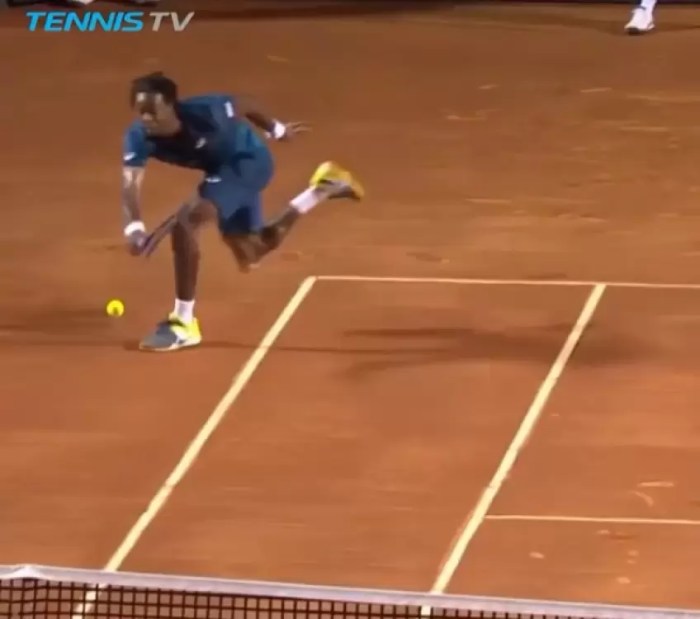
The opponent’s performance significantly impacts a player’s strategy and success, particularly in high-stakes matches like the five-set epic between Monfils and his opponent. Analyzing the opponent’s strengths and weaknesses, as well as the tactical shifts during the match, allows for a deeper understanding of the factors influencing the outcome. This section delves into the opponent’s role in Monfils’s performance, highlighting key moments that shaped his approach.The opponent’s strengths and weaknesses, coupled with the dynamic adjustments throughout the match, provided crucial insights into Monfils’s game strategy and the pivotal moments that led to his reluctant triumph.
Analyzing these elements reveals how the opponent’s actions, choices, and tactical maneuvers influenced the trajectory of the match and Monfils’s eventual victory.
Opponent’s Strengths and Weaknesses
The opponent’s strengths and weaknesses significantly impacted Monfils’s game strategy. Identifying these elements allows for a deeper understanding of the pivotal moments and tactical adjustments. Understanding these strengths and weaknesses is essential for analyzing Monfils’s performance.
- The opponent possessed a potent serve and volley game, effectively disrupting Monfils’s rhythm. This strength of the opponent consistently challenged Monfils’s return game and often forced him into defensive positions.
- However, the opponent’s backhand was prone to errors, particularly under pressure. This weakness presented opportunities for Monfils to counterattack and capitalize on the opponent’s vulnerabilities.
Strategic Adjustments
Analyzing the strategic shifts in both players’ approaches is crucial to understanding the match’s progression. Comparing the tactical decisions made by each player during critical moments illuminates the dynamic interplay between them. This section focuses on the strategies used and how they influenced the outcome.
- Monfils initially employed a more defensive approach, aiming to absorb the opponent’s powerful serve and volley tactics. This approach was particularly evident in the early stages of the match.
- As the match progressed, Monfils adjusted his strategy, incorporating more aggressive tactics to exploit the opponent’s backhand vulnerabilities. This shift in approach was crucial to his success in later sets.
Key Moments of Influence
Identifying the moments when the opponent significantly influenced Monfils’s approach reveals the dynamic nature of the match. These instances highlighted the adjustments and adaptations required for success.
- A crucial turning point occurred during the third set tiebreaker, when the opponent’s serve and volley strategy forced Monfils into a defensive position. Monfils’s subsequent response, adjusting his approach and capitalizing on the opponent’s backhand weakness, exemplified his adaptability.
- In the decisive fifth set, the opponent’s unexpected change in tactics to a more aggressive baseline game challenged Monfils’s strategy. Monfils’s ability to counter these unexpected adjustments was pivotal in securing the victory.
Visual Representation
The air crackled with an almost palpable tension. The roar of the crowd, initially a supportive hum, escalated into a thunderous crescendo as the final points of the fifth set unfolded. The weight of the moment hung heavy, not just on the shoulders of the players, but on the very air itself. Monfils’ reluctance, a constant undercurrent throughout the match, was now intertwined with the intensity of the struggle.The atmosphere, a volatile mix of anticipation and anxiety, mirrored the emotional rollercoaster the players were experiencing.
The stadium’s lights seemed to pulse with the rhythm of the rallies, casting fleeting shadows on the court that danced with the players’ movements.
Atmosphere of the Match
The stadium buzzed with an electric energy, a palpable tension building with each point. The crowd, initially supportive of Monfils, shifted in anticipation, their cheers punctuated by gasps and murmurs of disbelief. The oppressive heat of the late-afternoon sun added to the suffocating intensity of the contest. The air thrummed with the reverberations of the ball striking the court, the echoes of the crowd’s reactions, and the palpable weight of the match.
Emotions and Expressions of Players
Monfils, despite his outward reluctance, displayed flashes of fierce determination. His expressions ranged from a stoic calm during periods of strategic thought to a focused intensity when engaged in the game. The opponent, driven by a fierce will to win, mirrored a similar emotional arc, his expressions mirroring the shifting tides of the match. In key moments, frustration was evident in both players’ faces, etched into their clenched jaws and narrowed eyes.
In the decisive points, their bodies, coiled and tense, reflected the internal struggle.
Intensity of the Match
The intensity was a palpable force, not merely a subjective observation. Each point felt like a microcosm of the entire match, the struggle condensed into a single exchange. The back-and-forth nature of the rallies was a constant test of endurance, with both players pushing their limits. The court, normally a neutral space, transformed into a battleground. The relentless pace of the match created a visual representation of a continuous struggle, and the weight of each point became undeniable.
Visual Representation of the Court Layout
The court, a focal point of the visual narrative, became a microcosm of the match’s dynamic. Players’ movements, dictated by the flow of the rally, were crucial in visualizing the strategic chess match unfolding.
- Player Positions: Monfils, typically positioned near the baseline, was forced to move more aggressively as the match progressed. His opponent, strategically placed to exploit Monfils’ weaknesses, maintained a strong defensive stance.
- Movement Patterns: The players’ movements were a reflection of the momentum shifts in the match. Aggressive charges were followed by calculated retreats, and vice versa. The court transformed into a canvas depicting the ebb and flow of the contest.
- Visual Cues: The subtle shifts in body language, from a slight shift in weight to a momentary pause, provided visual cues to the match’s momentum. A sharp look, a tense grip, or a sudden change in posture – these were all visual indicators of the match’s intensity.
Last Word
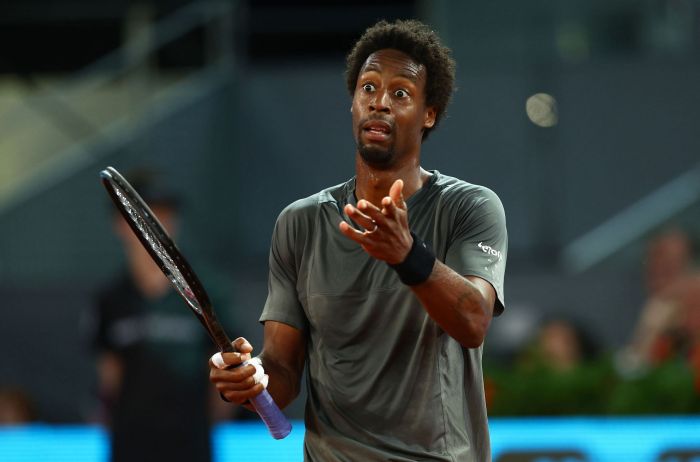
In conclusion, Monfils’ five-set epic victory showcased not only his incredible skill but also his resilience and adaptability. His initial reluctance, seemingly rooted in tactical choices and perhaps mental pressure, transformed into a focused and aggressive approach in the final set. The opponent’s strategy played a crucial role, forcing Monfils to adapt and ultimately rise to the challenge.
The match was a testament to the unpredictable nature of high-stakes tennis, highlighting the importance of mental fortitude and strategic adjustments in overcoming adversity.