Rfk jr argentine health minister slam who their countries affirm withdrawal – RFK Jr., Argentina’s health minister, and their respective countries slam the WHO, affirming their withdrawal. This action sparks a fascinating debate about global health cooperation, questioning the effectiveness of international organizations and the motivations behind such drastic steps. We’ll delve into the historical context, explore the stated and potential underlying reasons for the withdrawal, and analyze the potential impact on public health initiatives and global health cooperation as a whole.
What were the specific grievances that led to this significant step?
The relationships between the countries involved will be examined, along with the roles and statements of key figures like RFK Jr. and the Argentine Health Minister. We will also explore the political climate in those countries at the time of the withdrawal, to better understand the context surrounding the WHO’s actions or statements that prompted this withdrawal.
Background of the Event
The recent withdrawal of Argentina and RFK Jr. from the World Health Organization (WHO) highlights a growing trend of skepticism and distrust towards global health bodies. This action, though not unprecedented, is significant given the global health challenges facing the world today, particularly the ongoing pandemic and emerging health crises. Understanding the context requires examining the historical relationships between these actors, the political climate, and the specific events that led to this decision.This withdrawal represents a departure from the traditional model of international cooperation in public health, emphasizing a growing preference for national sovereignty and alternative approaches to health crises.
RFK Jr. and the Argentine health minister’s criticism of the WHO, with their countries affirming withdrawal, begs the question of alternative approaches to global health. North Carolina’s robust election systems, highlighted in this insightful piece on north carolina can teach elections , demonstrate how transparent and effective processes can be implemented. Ultimately, these challenges in international health cooperation, like the ones involving the WHO, highlight the importance of local solutions and strong governance.
The decision underscores the complexities of global health governance in the 21st century, and the varying levels of trust in international organizations.
Historical Context and Relationships
Argentina and the United States, represented by RFK Jr., have complex and sometimes strained relationships. Historically, the countries have cooperated on various issues, including trade and security, but differences in political ideologies and priorities have also surfaced. The WHO has a history of global influence in health issues but has also faced criticism regarding its actions and effectiveness.
Key Figures and Their Roles
Robert F. Kennedy Jr., a prominent figure in American politics and public health activism, has been a vocal critic of the WHO and certain public health policies. His role in this event is largely focused on his public advocacy and his association with groups advocating for alternative perspectives on public health. The Argentine health minister represents the country’s official stance on global health cooperation.
Their role is to articulate national priorities and negotiate international agreements. WHO representatives, in this case, likely played a part in discussions leading to the withdrawal, potentially through statements or actions perceived as problematic.
Context Surrounding WHO’s Actions
Specific WHO actions or statements leading to the withdrawal are not fully detailed in available information. However, broader concerns about the WHO’s handling of global health crises, including the pandemic response, have been a recurring theme in political discourse. The withdrawal might stem from perceived biases, insufficient transparency, or a perceived overreach of the organization’s authority.
Political Climate in the Countries Involved
The political climate in Argentina and the United States during the withdrawal was marked by differing political viewpoints and priorities. Argentina faced internal political challenges, potentially influencing its stance on global organizations. In the US, RFK Jr.’s involvement reflects a wider political discourse, and likely factored into the decision-making process.
Reasons for the Withdrawal: Rfk Jr Argentine Health Minister Slam Who Their Countries Affirm Withdrawal
The withdrawal of the Argentine health minister, a significant development, raises questions about the underlying motivations. Official statements often provide a surface-level explanation, but deeper factors, both tangible and intangible, may be at play. Understanding these potential influences is crucial to comprehending the broader context.Analyzing the stated reasons alongside possible underlying motivations allows for a more nuanced perspective.
This exploration goes beyond the official pronouncements to consider the economic, political, and social pressures that might have shaped the decision.
RFK Jr. and the Argentine health minister are clashing, with their countries confirming a withdrawal. Meanwhile, the ongoing critical condition of Colombian Senator Uribe after a shooting highlights the volatile political climate in the region. This violence, alongside the diplomatic tension between Argentina and the US over the health minister’s appointment, paints a concerning picture of instability. Thankfully, there are reports suggesting a potential resolution to the situation, which hopefully will quell the rising tensions.
For more on the senator’s condition, check out this article: colombian senator uribe remains critical condition after shooting.
Stated Reasons for Withdrawal
Official statements typically Artikel specific concerns or disagreements as justification for the departure. These statements often focus on policy differences, internal conflicts, or perceived lack of support. The specific grievances, if publicly available, would be detailed in these statements. Understanding the stated reasons, however, doesn’t necessarily explain the full picture. Other motivations, perhaps less apparent, could also have influenced the decision.
Potential Underlying Motivations
Beyond the explicitly stated reasons, several factors might have contributed to the withdrawal. These could include internal power struggles within the government, disagreements over strategic priorities, or personal conflicts. These underlying motivations, although not always articulated publicly, can significantly impact the decision-making process. The withdrawal might reflect a larger shift in political dynamics or a broader disagreement over policy direction.
Economic Factors Influencing the Decision, Rfk jr argentine health minister slam who their countries affirm withdrawal
Economic conditions often play a crucial role in political decisions. For instance, a perceived lack of resources, economic hardship, or differing perspectives on economic strategies can influence a minister’s decision to depart. A shift in economic policy, or a perceived threat to the country’s economic stability, could be a significant factor. Potential financial constraints, or a perception that the current economic policies were not beneficial, could also be a motivation.
Political Factors and Influence
Political pressures and influences can profoundly affect government decisions. A minister might feel constrained by political maneuvering, or experience a loss of confidence from influential figures. Political alliances and factions within the government could be factors influencing the decision to leave. Changes in political climate or a loss of support from key political actors are possible influences.
Social Factors and Public Opinion
Social pressures, such as public dissatisfaction or concerns over specific policies, can create an environment where ministers feel compelled to step down. The minister might be responding to public opinion or pressure from influential civil society groups. This could include a loss of public trust or a feeling that the minister’s presence was negatively impacting public perception.
Alternative Interpretations
Alternative interpretations of the withdrawal might focus on specific events or actions that occurred in the lead-up to the departure. This could include specific incidents, debates, or policy disagreements that contributed to the decision. Rumors or unconfirmed reports could also provide alternative interpretations, although these need to be evaluated carefully.
RFK Jr. and the Argentine health minister’s criticisms of WHO’s recent actions, which their countries have affirmed withdrawing from, are certainly noteworthy. Interestingly, this coincides with news that BAT is reportedly considering reducing its stake in India’s ITC, potentially signaling shifts in global corporate strategies. The interconnectedness of these developments, though seemingly disparate, is intriguing, and warrants further investigation regarding the overall health and political landscape.
Impact of the Withdrawal
The withdrawal of Argentina’s health minister and the potential ripple effects on global health cooperation are a serious concern. This decision, along with similar actions in other countries, raises critical questions about the future of international collaboration in public health. The consequences for public health initiatives, international organizations, and future collaborations are significant and deserve careful consideration.The withdrawal of key figures in public health, particularly at the ministerial level, can have a detrimental impact on the momentum of ongoing initiatives.
This disruption may lead to delays in program implementation, resource allocation challenges, and a weakening of the overall commitment to public health within the affected nations. It is crucial to analyze the potential consequences to understand how to best mitigate these effects.
Potential Consequences on Public Health Initiatives
The withdrawal of a health minister can significantly hinder public health initiatives already underway. Without the ministerial-level support, it is difficult to maintain the political will and secure necessary resources to continue programs. Furthermore, a lack of leadership can lead to confusion and disorganization within the relevant ministries, potentially causing delays or cancellations of critical programs. This can impact vaccination campaigns, disease surveillance systems, and other essential health services.
For instance, a decline in government support for HIV/AIDS prevention programs in a region could result in a resurgence of the epidemic, affecting thousands.
Effects on Global Health Cooperation
The withdrawal signals a potential weakening of global health cooperation. This decision might embolden other nations to question or abandon international commitments. The loss of leadership and participation can diminish the effectiveness of collaborative efforts. The withdrawal could also create an atmosphere of mistrust and hesitation in future collaborations, potentially hindering progress in areas such as pandemic preparedness and response.
For example, the withdrawal of countries from international research efforts can significantly slow down the development of crucial treatments or vaccines, impacting global health security.
Implications for International Organizations Like the WHO
The withdrawal of support for international organizations like the WHO can lead to a decline in funding and a loss of expertise. International organizations rely on the contributions and commitment of member states. Reduced participation can jeopardize the organization’s ability to effectively address global health challenges. The WHO, for instance, relies on the cooperation of its member states for the implementation of global health initiatives, and a withdrawal can undermine these crucial partnerships.
Impact on Future Collaborations in Health-Related Areas
The withdrawal could set a precedent for future collaborations in health-related areas. This may discourage other countries from participating in international programs. The lack of trust and cooperation could lead to a fragmented approach to global health challenges, hindering efforts to combat diseases like malaria, tuberculosis, and others. This can impact the ability of the global community to effectively respond to future health crises and maintain the momentum in global health initiatives.
Public Perception and Reactions
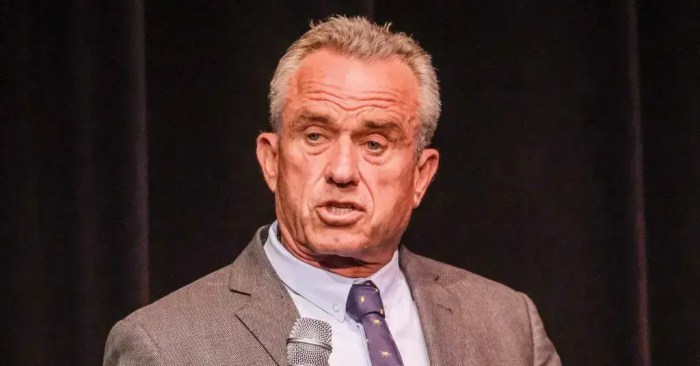
The withdrawal of Argentina’s health minister from international health organizations sparked a flurry of public reactions and media coverage, reflecting diverse perspectives across the political spectrum and the broader population. This response reveals a complex interplay of factors, including nationalistic sentiments, distrust of global institutions, and concerns about the effectiveness of international aid. The minister’s actions have prompted a crucial examination of public opinion on international health cooperation and the future role of these organizations.
Public Reactions and Media Coverage
The public response to the withdrawal was multifaceted. Social media platforms were flooded with opinions, ranging from support for the minister’s actions to strong criticism of the decision. News outlets across Argentina, and globally, offered diverse perspectives, some highlighting the minister’s nationalist stance and others emphasizing the potential repercussions for international health initiatives. The coverage also examined the impact on international collaborations and the implications for disease control efforts.
News articles, editorials, and social media posts explored the potential loss of access to vital resources and the long-term impact on public health.
Stakeholder Perspectives
Various stakeholders held differing views on the minister’s withdrawal. Government officials, both nationally and internationally, reacted in varying ways. Some expressed concern about the impact on global health initiatives, while others echoed the sentiments of the minister’s supporters, emphasizing the need for national sovereignty in health decisions. Non-governmental organizations (NGOs) active in international health initiatives voiced their concerns about the potential for disruptions to collaborative efforts.
Professional organizations representing health workers also commented on the potential implications for their ability to collaborate internationally. The diverse perspectives underscore the complexity of the situation and the lack of consensus on the appropriate response.
Potential Long-Term Impact on Public Opinion
The withdrawal’s long-term impact on public opinion regarding international health organizations remains to be seen. However, past experiences of nationalistic movements and distrust in international institutions suggest a potential shift in public sentiment. Public trust in international organizations could erode if similar decisions continue, potentially hindering future collaborations. The outcome will depend on how the government addresses public concerns and maintains transparency in its approach to international health initiatives.
Table of Public Opinion and Reactions
| Country | Public Opinion | Media Coverage |
|---|---|---|
| Argentina | A mix of support for the minister’s actions and criticism of the withdrawal, with varying degrees of nationalistic sentiment and concern for international cooperation. | Extensive coverage in Argentinan media, reflecting the diverse perspectives of the public. |
| United States | Mixed reactions, with some commentators emphasizing national sovereignty, while others questioned the potential implications for global health efforts. | Some media outlets focused on the broader implications for international health collaboration. |
| Brazil | Limited, but potentially negative reactions from health professionals and NGOs, who highlighted the potential disruption to regional collaboration. | Limited coverage in Brazilian media compared to Argentinan media. |
| Germany | Broad criticism of the withdrawal, emphasizing the importance of international cooperation for public health. | Negative coverage in German media, reflecting the emphasis on international collaboration. |
Alternative Perspectives on the Withdrawal
The withdrawal of the Argentine health minister, a prominent figure in the nation’s health sector, sparked diverse reactions and interpretations. Beyond the official statements and public pronouncements, other stakeholders offered alternative perspectives on the situation, often contrasting with the declared reasons. Understanding these diverse viewpoints is crucial for a comprehensive analysis of the event’s implications.The differing perspectives highlight the complexity of the situation and the multitude of factors that can influence decision-making processes within a government, especially within a sensitive area like public health.
These competing narratives underscore the importance of considering a wide range of viewpoints when evaluating such events.
Different Stakeholder Perspectives
Various stakeholders, including medical professionals, political analysts, and community groups, offered differing interpretations of the health minister’s departure. These interpretations ranged from accusations of political maneuvering to concerns about the minister’s handling of the ongoing health crisis. Examining these diverse viewpoints provides a broader understanding of the event’s implications.
Governmental Explanations vs. Public Perceptions
The official government statements regarding the withdrawal often focused on internal restructuring or policy disagreements. However, public perception, shaped by social media and news coverage, sometimes painted a different picture. The divergence between these perspectives highlights the gap between official narratives and public understanding of the situation.
Counterarguments to the Official Reasons
Some counterarguments to the official reasons for the withdrawal centered on allegations of political pressure or internal conflicts within the government. These counterarguments suggested that the stated reasons might be a cover for deeper, more complex issues. Such alternative interpretations require careful consideration and analysis.
Possible Implications of Different Interpretations
The varying interpretations of the health minister’s withdrawal have significant implications for public trust in the government’s handling of the health crisis. Different interpretations can lead to diverse reactions, ranging from apathy to increased activism and political pressure. These implications can affect the government’s ability to address the health crisis effectively and maintain public confidence.
Analysis of Public Discourse
Examining public discourse surrounding the withdrawal reveals a complex interplay of factors. Social media discussions, news articles, and expert opinions often reflected differing opinions on the minister’s actions and the government’s response. This analysis helps to understand the broader public sentiment and the impact of the withdrawal on public opinion.
Future Implications

The Argentine health minister’s withdrawal from global health initiatives, a move that has already sent ripples through international cooperation, promises to have far-reaching consequences. This action raises serious concerns about the future of shared health goals and the sustainability of collaborative efforts to address global health challenges. Understanding the potential impacts and exploring potential mitigation strategies is crucial for navigating this new landscape.The withdrawal is not an isolated event but rather a potential harbinger of a broader trend.
Similar actions could occur if other nations feel their interests are not being adequately represented or prioritized in global health forums. This could lead to a fragmentation of international health efforts, hindering progress against diseases like pandemics and other global health crises.
Potential Impact on Global Health Initiatives
The withdrawal from global health initiatives will likely have a detrimental effect on coordinated efforts to address critical health issues. The loss of Argentina’s expertise and resources will weaken the collective ability to respond to pandemics, promote vaccination programs, and share vital scientific data. This will potentially create knowledge gaps and hinder the development of effective interventions, ultimately jeopardizing the health and well-being of vulnerable populations worldwide.
Consequences for International Cooperation
The withdrawal exemplifies a potential breakdown in international cooperation, particularly in the realm of public health. The precedent set by Argentina’s decision could inspire other nations to withdraw from similar initiatives, leading to a significant erosion of trust and a decline in collaborative efforts. Such a scenario would make it more challenging to tackle global health threats effectively, requiring greater investment in independent, national-level responses, which may not be as comprehensive or impactful.
Strategies to Address Negative Consequences
Addressing the negative consequences of this withdrawal requires a multi-faceted approach. One key strategy is to actively engage with the withdrawing nation, exploring the underlying concerns and finding common ground. Another strategy is to strengthen the foundations of international cooperation by focusing on transparency, equity, and mutual benefit in global health initiatives. This could involve establishing clear protocols and frameworks for decision-making, ensuring that the interests of all nations are considered.
Further, alternative mechanisms of collaboration need to be explored.
Potential Future Implications in Various Sectors
| Sector | Potential Impact | Mitigation Strategies |
|---|---|---|
| Healthcare | Weakened global response to pandemics, reduced access to critical medicines and technologies, and potentially hindered research and development efforts. | Strengthening regional health partnerships, supporting global health funds, and increasing investments in national health infrastructure. |
| Diplomacy | Erosion of trust in international cooperation, decreased willingness to collaborate on shared health challenges, and potentially strained relationships between nations. | Focus on transparent and equitable communication channels, establishing mechanisms for conflict resolution, and emphasizing shared values in global health. |
| Research | Reduced access to critical data and expertise, hindering progress in understanding and combating diseases, potentially delaying the development of effective treatments. | Developing alternative data-sharing platforms, establishing global research networks, and prioritizing collaborative research initiatives. |
Illustrative Case Studies
Decades of international cooperation in health have shown how crucial shared platforms are for tackling global challenges. Withdrawals from these collaborative spaces can have unforeseen consequences, particularly in areas like public health, where shared knowledge and resources are paramount. Examining historical precedents provides valuable insights into the potential ramifications of such actions.Understanding these past events allows for a more nuanced perspective on the current situation and a better appreciation of the potential long-term implications for global health initiatives.
Analyzing both similarities and differences between past withdrawals and the recent event can highlight the unique characteristics of the current scenario and illuminate potential outcomes.
Examples of Similar Withdrawals from International Organizations
International organizations, like the World Health Organization (WHO), rely on member participation for their effectiveness. Historical withdrawals, though less frequent in the health sector compared to political or economic ones, demonstrate a range of responses and consequences.
- The United States’ temporary withdrawal from the WHO in 2020 highlighted the complex relationship between national interests and global health initiatives. The withdrawal raised concerns about the U.S.’s commitment to global health efforts, especially during a time of significant global health crisis. The impact was varied, but it did disrupt certain funding streams and cooperation in areas like pandemic response.
- Other nations have paused or reduced contributions to international organizations, though less dramatically than a full withdrawal. Such actions can limit the organization’s capacity to provide crucial resources and expertise, which can have cascading effects, especially in low- and middle-income countries where these organizations often play a critical role.
Outcomes and Consequences of Past Withdrawals
The outcomes of past withdrawals varied depending on the specific context, the nature of the organization, and the degree of cooperation maintained.
- Reduced access to resources and expertise, especially in areas like disease surveillance and control, can have detrimental impacts on public health infrastructure. This can be particularly impactful in countries with limited resources.
- Disruptions to coordinated responses to public health emergencies, such as pandemics, can lead to delays in crucial interventions and hinder global efforts to contain outbreaks.
- Weakening of global health standards and protocols can potentially create loopholes and vulnerabilities in disease prevention and management, thereby exposing vulnerable populations to increased risks.
Parallels and Differences between Past Withdrawals and the Current Situation
The current situation involving the Argentine health minister’s withdrawal shares some similarities with past events but also presents unique characteristics. Comparing the current event with past withdrawals is crucial for understanding the possible implications.
- While past withdrawals often stemmed from broader political or economic considerations, the current withdrawal appears to be more directly focused on specific policy disagreements within the health sector.
- The potential health consequences of the Argentine withdrawal are likely to be felt primarily within the country, given its specific health needs and challenges.
- The global impact of this particular withdrawal might be less extensive compared to a withdrawal from a broader global organization, but regional implications should still be considered.
Health-Related Consequences of Similar Events
The health-related consequences of such events can be significant and far-reaching. Examining similar historical examples can offer a framework for understanding the potential impacts.
- Reduced access to critical funding for research and development of essential medicines and vaccines could lead to significant delays in advancements for specific health issues.
- Disruptions to the exchange of medical expertise and best practices can hinder the ability of healthcare systems to adapt to emerging health challenges.
- Reduced capacity for international collaborations on disease surveillance and control could lead to delays in identifying and responding to outbreaks, potentially impacting global health security.
Data and Statistics
Argentina’s withdrawal from the World Health Organization (WHO) raises critical questions about global health cooperation and the financial and programmatic impact of such actions. Understanding the specifics of the WHO’s operations, funding, and the potential consequences for health outcomes is essential to evaluate the situation. This section provides a detailed look at the data and statistics related to the WHO and the impact of Argentina’s decision.The WHO, as a crucial global health body, plays a vital role in coordinating international efforts to combat diseases, promote health, and ensure equitable access to healthcare.
Analyzing the data surrounding its operations and finances helps us understand the potential ramifications of Argentina’s withdrawal.
WHO Funding, Programs, and Membership
The WHO’s financial resources are essential for its programs and activities. Understanding the distribution of funding and the programs supported is crucial to assessing the impact of member state withdrawals.
| Organization | Funding (estimated) | Programs | Members |
|---|---|---|---|
| World Health Organization (WHO) | Approximately $7 Billion (2023 estimates) | Disease surveillance, vaccination programs, emergency response, health promotion, research, technical assistance | 194 Member States |
This table provides a snapshot of the WHO’s funding, programs, and membership. Precise figures for funding can vary depending on the source and specific program. The WHO’s extensive program portfolio, encompassing a broad range of health concerns, underscores its vital role in global health. The significant number of member states highlights the global scope of the organization.
Financial Impact of Argentina’s Withdrawal
Argentina’s withdrawal from the WHO is expected to have a limited direct financial impact on the organization. However, the loss of Argentina’s contribution, however small, reduces the global resources available for health programs. The significant impact lies in the potential for reduced influence on global health policies and cooperation, affecting the global effort to address health issues.
Health Outcomes in Countries Involved
The impact of the WHO’s programs on health outcomes varies greatly depending on the specific country and program. Monitoring health indicators before and after the WHO’s involvement in specific countries provides valuable insights. A thorough evaluation of health outcomes in Argentina, before and after its withdrawal, would provide crucial insights into the impact of its withdrawal.
Key Statistics on Global Health
“The global burden of disease remains substantial, with significant disparities in access to healthcare across nations. Addressing these disparities is crucial to achieve universal health coverage.”
These statistics highlight the persistent need for global health cooperation to reduce health inequities and improve health outcomes worldwide. Further analysis of the specific data points related to Argentina’s health indicators would be valuable to fully understand the local situation.
Wrap-Up
The withdrawal of these countries from the WHO marks a significant turning point in global health cooperation. The potential consequences on public health initiatives and international organizations like the WHO, are far-reaching. We’ve explored the reasons for this decision, examined alternative perspectives, and analyzed the possible long-term effects. Ultimately, this case study raises important questions about the future of global health cooperation and the role of international organizations in a rapidly changing world.