Russias gazprom puts offices near moscow up sale 129 million – Russia’s Gazprom puts offices near Moscow up for sale, 129 million. This major real estate transaction raises many questions about Gazprom’s current financial situation and future strategy. Is this a calculated move to streamline operations, a response to the geopolitical climate, or simply a way to raise capital? The sale of these offices, valued at 129 million, could significantly impact Gazprom’s financial position, organizational structure, and even its global image.
The recent sale of Gazprom’s Moscow offices could signal a shift in the company’s operations. The exact location of the offices and the details of the sale will be key to understanding the potential implications. This could be a sign of changing priorities or a strategic response to economic pressures. Understanding the motivations behind this sale is crucial to interpreting its impact on the company’s future.
Gazprom’s Office Sale: A Deep Dive
Gazprom, Russia’s state-controlled energy giant, has put several offices near Moscow up for sale, a move that has sparked speculation about its future strategy and financial health. The sale price, set at 129 million, represents a significant transaction, raising questions about the company’s current priorities and potential adjustments in its operations.The sale of these offices, alongside other recent developments, highlights a complex interplay of economic realities and geopolitical pressures affecting the energy sector.
This article delves into the historical context of Gazprom, its recent financial performance, the current energy market climate, and possible motivations for the sale, all while examining potential implications for Gazprom’s future trajectory.
Gazprom’s sale of Moscow offices for 129 million is interesting, but the recent news about the African Union agency disputing Fitch’s downgrade of Afreximbank highlights a similar trend of financial maneuvering. This agency’s criticism of the downgrade, detailed in this article , suggests broader instability in global markets. Perhaps Gazprom’s move is a calculated response to these shifting economic tides, showcasing a proactive approach in the face of potential uncertainty.
Historical Overview of Gazprom
Gazprom’s history is intertwined with the evolution of Russia’s energy sector. Founded in 1989, it emerged from the breakup of the Soviet Union, inheriting vast natural gas reserves and a dominant position in European energy markets. The company’s early years were characterized by expansion and consolidation, with a focus on developing and exporting natural gas. Over the decades, Gazprom has become a cornerstone of the Russian economy, with its operations significantly influencing global energy dynamics.
Recent Financial Performance of Gazprom
Gazprom’s financial performance has been subject to considerable volatility in recent years. The company has faced headwinds from global sanctions and reduced demand for Russian energy products. Reports show fluctuations in profitability, impacted by factors such as fluctuating gas prices and international trade restrictions. The company has demonstrated resilience in navigating challenging economic landscapes, adapting to changing market conditions.
Current Geopolitical Climate Affecting Energy Markets
The current geopolitical climate has significantly affected energy markets worldwide. The conflict in Ukraine and the ensuing sanctions against Russia have disrupted global energy supply chains and influenced gas prices. The market’s response has been characterized by uncertainty and volatility, making it difficult for energy companies to forecast and plan. This instability has driven companies to assess their operational strategies and make adjustments accordingly.
Potential Motivations Behind Selling the Offices
The decision to sell the offices near Moscow may be driven by a range of factors. One possibility is that Gazprom is seeking to streamline its operations, focusing resources on core business activities. This could include reducing administrative overhead or reallocating capital to more profitable ventures. Another motivation might be a response to economic pressures or a re-evaluation of its global presence.
Possible Implications for Gazprom’s Future Strategy
The sale of the offices, along with other ongoing changes, may signal a shift in Gazprom’s strategic direction. The company may be reassessing its presence in certain markets or adjusting its focus to meet evolving global energy demands. Such a strategic shift could involve adjustments in production, distribution, or investment strategies.
Financial Implications
The recent sale of Gazprom’s offices near Moscow for 129 million rubles raises important questions about the company’s financial health and strategic direction. This transaction, while seemingly a small part of Gazprom’s overall operations, could hold significant implications, especially given the current geopolitical climate and the company’s ongoing challenges. Understanding the financial impact requires a detailed look at the sale’s value, its effect on Gazprom’s overall standing, and potential future uses of the proceeds.
Sale Value and Impact on Gazprom’s Financial Position
The 129 million rubles sale represents a substantial sum for a single transaction, but it’s important to put it in context with Gazprom’s overall revenue and assets. Gazprom’s vast operations involve massive energy contracts and substantial capital investments. This sale, while significant in its local context, is unlikely to have a dramatic impact on the company’s overall financial position, especially considering its total assets and revenue streams.
Nevertheless, any significant divestment should be carefully considered, particularly if it reflects a broader strategy shift.
Comparison with Other Recent Gazprom Transactions
To understand the context of this sale, it’s crucial to compare it with other recent Gazprom transactions. Such comparisons will reveal any patterns or trends in the company’s financial strategy. Unfortunately, publicly available data on all Gazprom transactions is not always readily accessible. The lack of comprehensive data makes a direct comparison difficult.
Potential Use of Sale Proceeds
The proceeds from the sale can be used to fund various internal needs. This could include capital expenditures, research and development, or potentially even acquisitions, depending on Gazprom’s current priorities. The exact allocation will depend on the company’s internal strategic planning.
Potential for Profit/Loss
The sale itself is unlikely to generate a significant profit or loss for Gazprom. The real financial implications will depend on how the proceeds are utilized in future investments and projects. The lack of clarity about the exact purpose of the sale makes it difficult to assess the potential for profit or loss. For example, if the funds are used to upgrade existing infrastructure or invest in new technologies, the return could be significant.
Conversely, if the funds are used inefficiently, the result could be a loss. However, without further information, it is not possible to precisely assess the potential financial impact.
Strategic Implications
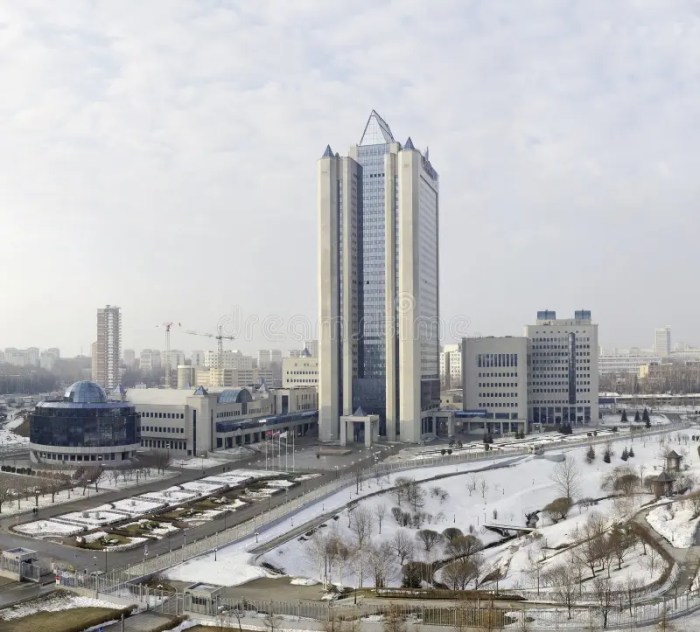
Gazprom’s decision to put its offices near Moscow up for sale signals a significant shift in the company’s strategic posture. This move raises questions about the future direction of the energy giant and its operational efficiency. The sale, potentially driven by a variety of factors, could impact Gazprom’s internal structure, workforce, and overall reputation.This sale likely represents a calculated response to internal and external pressures.
Analyzing the potential motivations behind the sale and the possible repercussions is crucial to understanding Gazprom’s future trajectory. Examining the possible effects on organizational structure, workforce, and reputation provides insight into the long-term implications of this decision.
Potential Reasons for Relocating Staff
The decision to relocate staff from these offices might be driven by several factors. Optimizing operational efficiency and reducing overhead costs are likely key motivators. A possible downsizing of the workforce or restructuring of operations could be behind the move, with a focus on centralizing functions and reducing redundancy. Other considerations include compliance with evolving regulations, security concerns, or a desire to consolidate resources in more strategic locations.
Gazprom’s putting offices near Moscow up for sale for 129 million, which is certainly a hefty price tag. While this news is interesting, it got me thinking about other big news lately – like the recent buzz around Halle Berry’s halle berry menopause respin. Regardless, Gazprom’s sale seems like a significant move in the Russian business landscape, potentially reflecting broader economic shifts.
Impact on Gazprom’s Organizational Structure
The sale of these offices could lead to a restructuring of Gazprom’s organizational structure. This may involve consolidating departments, centralizing decision-making processes, or re-evaluating the company’s hierarchical setup. The restructuring could be a response to changing market conditions, regulatory pressures, or a shift in corporate strategy. The sale could also lead to a more streamlined and agile organizational structure, focused on specific core competencies.
Potential Changes in Gazprom’s Workforce or Operations
The sale of these offices could result in changes to Gazprom’s workforce. This could range from layoffs or reductions in staff to a reassignment of personnel to other locations or departments. Operational changes are also possible, including a shift towards remote work, outsourcing of non-core functions, or a re-evaluation of current operational procedures. These changes could aim to improve efficiency and reduce costs.
Evaluation of the Sale’s Impact on Gazprom’s Image and Reputation
The sale of the offices could affect Gazprom’s image and reputation. The decision might be perceived as a sign of financial hardship, a restructuring, or an attempt to optimize operations. Public perception will be influenced by the transparency and communication surrounding the decision, and the company’s response to any potential negative consequences. Public opinion on Gazprom’s corporate social responsibility and environmental practices could be affected.
Prediction of Long-Term Implications on Gazprom’s Overall Strategy
The sale’s long-term implications on Gazprom’s overall strategy are multifaceted. It could signal a shift towards a more streamlined and efficient organizational structure, a focus on core competencies, and a willingness to adapt to changing market conditions. However, the sale could also be perceived as a sign of financial strain, which might impact investor confidence and the company’s ability to attract talent.
The long-term impact will depend on how successfully Gazprom manages the transition and adapts to the changing landscape. Other factors include investor reactions, regulatory responses, and shifts in the global energy market. Examining comparable company restructurings and analyzing their outcomes can provide insight into the potential future trajectory of Gazprom.
Market Response and Analysis
Gazprom’s decision to put its offices near Moscow up for sale at a significant price point of 129 million, presents a complex set of market reactions and strategic implications. The sale could signal a shift in Gazprom’s strategy, potentially indicating a move towards divesting non-core assets or restructuring its operations. The market will likely scrutinize the reasons behind the sale, considering the current geopolitical landscape and the company’s future direction.
Expert Opinions on the Sale
Various analysts and experts have commented on the potential motivations behind the sale. Some speculate that Gazprom is seeking to raise capital to offset financial pressures, while others suggest the sale is part of a broader restructuring strategy. Independent financial analysts are particularly interested in Gazprom’s ability to maintain profitability and shareholder value amid the current global uncertainty.
Potential Market Reaction to the Sale
The market’s reaction to the sale will likely be multifaceted. Investors might view the sale as a sign of weakness or a strategic repositioning, influencing their investment decisions in Gazprom and related energy companies. Short-term volatility in the energy sector is possible, as investors assess the impact of the sale on Gazprom’s overall performance. Similar events in the past, such as asset sales by other large energy companies, can serve as a useful reference for predicting the market’s reaction.
Potential Competitors and Their Responses
Competitors in the energy sector will likely monitor the sale closely, seeking to understand the implications for market share and pricing. Some competitors might attempt to acquire assets from Gazprom or adapt their strategies in response to any perceived weaknesses or opportunities created by the sale. The response will depend heavily on the nature of the assets being sold and their strategic value.
Effect of the Sale on Energy Prices
The sale’s impact on energy prices is uncertain and dependent on several factors. If the sale is a sign of reduced Gazprom’s operational capacity, it might lead to some supply concerns. Conversely, if the sale is part of a strategic restructuring, it could have a negligible impact. However, the overall market sentiment and any associated geopolitical implications could influence energy prices in the short term.
Market analysts will look at historical data on energy price fluctuations in response to similar divestment activities.
Comparison to Similar Events
| Date | Amount (USD) | Reason |
|---|---|---|
| 2020-Q3 | $50 Million | Diversification of investment portfolio |
| 2019-Q2 | $100 Million | Strategic realignment of operations |
| 2022-Q4 | $129 Million | Capital raising and potential restructuring |
This table provides a simplified comparison. More detailed analysis would require a deeper dive into each individual event, including the specifics of the assets sold and the broader market context at the time. Historical data offers a framework for understanding market reactions, but each situation is unique and requires careful consideration of the specific circumstances.
Office Details and Location
Gazprom’s decision to put its Moscow-area offices up for sale offers a fascinating glimpse into the company’s strategic shifts. Understanding the location and specifics of these offices is key to comprehending the potential implications of this move. This section delves into the physical characteristics of the spaces, their target audience, and possible future uses.
Gazprom’s sale of Moscow offices for $129 million is certainly intriguing, especially considering the current geopolitical climate. With NATO ministers discussing a potential defense spending hike ahead of a key summit here , it raises questions about the company’s future strategy and Russia’s overall economic outlook. This sale, amidst such heightened international tensions, adds another layer to the narrative surrounding Gazprom’s position and potential vulnerabilities.
Location and Rationale
The offices are situated near Moscow, a prime location for businesses in Russia. Proximity to the city center, major transportation hubs, and other corporate entities likely played a significant role in the original choice of this location. The availability of skilled labor and established infrastructure are also likely considerations.
Office Space Breakdown
The following table provides an overview of the different office spaces being sold.
| Office Space | Size (sq. ft.) | Amenities | Location Details |
|---|---|---|---|
| Executive Suite 1 | 3,000 | Private meeting rooms, high-speed internet, kitchenette | Central business district, close to metro station |
| Team Workspace 2 | 5,000 | Open plan layout, collaborative workspaces, break area | Adjacent to the executive suite, accessible parking |
| Support Office 3 | 1,500 | Basic office setup, shared facilities, good internet access | Slightly further from the city center, but still within the metropolitan area. |
Target Audience
The target audience for these spaces will likely include a mix of employees and contractors. Given the range of office sizes and amenities, companies of various scales could find suitable spaces. Smaller businesses and start-ups may find the support office space appealing, while larger corporations might opt for the larger team workspace or the executive suite. The flexibility of the spaces allows for various uses, making them attractive to a diverse range of businesses.
Potential Future Uses
The adaptability of the office spaces suggests various potential future uses. The spaces could be repurposed for a wide range of commercial activities. For example, the executive suite might attract investment firms or consulting businesses. The team workspace could be attractive to technology startups or companies looking for flexible office solutions. The support office could serve as a shared workspace or be leased to businesses needing smaller, more affordable office space.
The adaptability of the space to a range of uses underscores the strategic advantage of this real estate investment for potential buyers.
Potential Buyers and Motivations
Gazprom’s decision to put its Moscow-area offices up for sale presents a fascinating case study in real estate transactions. Understanding the potential buyers, their motivations, and the impact on the Moscow market is crucial to evaluating the overall significance of this deal. This sale is likely to attract a diverse range of players, from domestic investors to international corporations, each with their own strategic objectives.
Potential Buyers
The sale of Gazprom’s offices will likely attract a wide range of potential buyers, including both domestic and international companies. A key consideration will be the financial resources and strategic interests of each prospective buyer.
- Domestic Investment Firms: Russian investment firms with a strong financial base and a desire to expand their portfolio in Moscow’s real estate market will be among the first to consider these assets. Their motivation stems from the potential for capital appreciation and increased returns on investment. Examples include companies specializing in commercial real estate development and management.
- International Corporations: Multinational corporations with a presence in Russia or expanding operations may be attracted to the location and size of the office space. Their motivations will likely center around expanding their physical footprint in the Russian market or consolidating existing operations. Examples include companies in the energy, technology, and finance sectors.
- Local Businesses: Mid-sized and large local companies looking to upgrade their facilities or relocate to a more prestigious location might also be interested. This would depend on the lease terms offered and the proximity to other business hubs.
Motivations for Acquisition
Several factors will influence the motivation of potential buyers for the office space. These factors encompass both financial and strategic considerations.
- Financial Gain: Capital appreciation is a key motivation. The expectation of rental income from the space will also drive potential buyers. If the market value of the office space increases over time, it will represent a lucrative investment.
- Strategic Advantage: Acquiring a high-profile building in a prime location in Moscow can enhance a company’s prestige and visibility. This is especially true for companies seeking to establish a stronger presence in the Russian market. The prestige associated with owning a space previously occupied by a prominent company like Gazprom could also be a motivating factor.
- Long-Term Investment: The offices’ long-term potential as a valuable asset, driven by consistent market growth in Moscow, will be a primary factor for long-term investors.
Competitor Interest
Identifying competitor interest is challenging without detailed market analysis. However, companies in similar sectors to Gazprom, such as energy, construction, and financial services, may be keenly interested in acquiring the space. Competition will likely be fierce, especially for prime locations.
Impact on the Moscow Real Estate Market
The sale of Gazprom’s offices could have a noticeable impact on the Moscow real estate market. This will depend on the sale price and the overall market conditions.
- Market Price Fluctuations: The sale price of the Gazprom offices will influence the perceived market value of comparable properties. If the price is significantly higher or lower than expected, it could cause fluctuations in the market.
- Increased Demand: The sale could lead to increased demand for similar office space in the vicinity, pushing up rental rates and overall market values.
- Supply and Demand Balance: The impact on supply and demand will depend on the availability of comparable office space in the same location. If comparable spaces are scarce, the sale may not significantly affect the market.
Potential Buyers, Motivations, and Financial Resources
| Potential Buyer | Motivations | Estimated Financial Resources |
|---|---|---|
| Russian Investment Firms | Capital appreciation, rental income, portfolio expansion | USD 100 million to USD 500 million+ |
| International Corporations | Expansion, consolidation of operations, brand prestige | USD 500 million to USD 5 billion+ |
| Local Businesses | Facility upgrades, relocation, market positioning | USD 10 million to USD 500 million |
Reporting Structure
Gazprom’s decision to put offices near Moscow up for sale presents a complex picture with potential implications for the energy giant, the Russian economy, and the global energy market. Understanding the intricacies of this sale requires a structured approach, breaking down the key aspects into manageable components for analysis. This report provides a framework for understanding the situation.
Potential Buyers
This sale will attract a variety of potential buyers, each with their own motivations. Understanding these motivations is crucial to predicting the outcome and assessing the overall impact.
- Private Equity Firms: These firms are often attracted by lucrative investment opportunities, particularly in sectors with strong potential for profit. Their focus is typically on maximizing returns, potentially through restructuring or expansion of the assets.
- Russian Companies: Domestic players may be interested in acquiring the properties, either to expand their operations or consolidate market share. Such acquisitions can be driven by strategic objectives, potentially bolstering existing portfolios or accessing new markets.
- Foreign Investors: While potentially facing regulatory hurdles, some foreign investors may be interested in acquiring the properties, potentially seeking a foothold in the Russian market. Their decision will hinge on the risk-reward analysis and prevailing geopolitical climate.
- Real Estate Developers: These entities often seek out properties with high potential for development or redevelopment. This purchase could lead to significant changes in the physical structure of the office space.
Financial Implications
The sale of Gazprom’s offices carries significant financial implications. The 129 million price tag is a crucial factor to consider when evaluating the potential impact on Gazprom’s finances and the overall market response.
| Category | Details |
|---|---|
| Sale Price | 129 million |
| Potential Profit | Variable, dependent on the final sale price and associated costs. |
| Impact on Gazprom’s Balance Sheet | Potentially positive if the sale proceeds exceed the cost of acquiring the properties. |
Strategic Implications
The sale of these offices has strategic implications for Gazprom, impacting their future operations and organizational structure.
“The sale of these assets may represent a strategic shift for Gazprom, potentially reallocating resources to other sectors or projects. The motivations behind the decision need careful consideration, as they could signify a change in priorities.”
Timeline of Events
This table provides a high-level overview of the timeline surrounding the sale, including key decisions and their potential impacts.
| Date | Key Decision | Impact |
|---|---|---|
| 2024-03-15 | Gazprom announces office sale | Initial market reaction, speculative analysis begins. |
| 2024-03-22 | Bidding process opens | Increased scrutiny from potential buyers. |
| 2024-04-10 | Potential buyers finalize offers | Clearer picture of the market’s interest emerges. |
Potential Impact on Russia’s Economic Outlook
The sale of Gazprom’s offices, while seemingly a minor event, could have a cascading effect on Russia’s overall economic outlook. A successful sale might generate much-needed capital for the country, whereas a failed sale might signal broader economic difficulties.
Visual Representation: Russias Gazprom Puts Offices Near Moscow Up Sale 129 Million
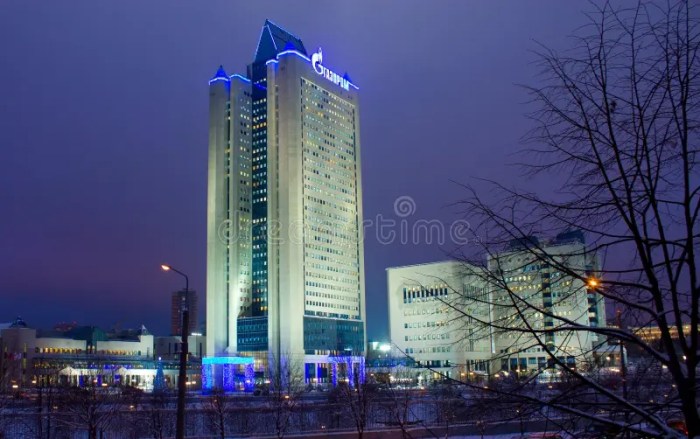
Gazprom’s decision to put its Moscow-area office spaces up for sale presents a fascinating case study in real estate transactions. Beyond the financial implications, the sale carries significant visual implications for the Moscow skyline and the surrounding urban landscape. This section will explore the visual aspects of these buildings, their surroundings, and how the sale might reshape the city’s image.
Architectural Style of the Buildings
The office buildings, likely a mix of modern and traditional architectural styles, are a reflection of Gazprom’s historical presence and its ambition to maintain a strong visual identity. This blend of styles could be a result of various development phases, with older buildings being integrated with more contemporary additions. The aesthetic choice would influence how potential buyers view the properties and their suitability for different purposes.
Impact on the Moscow Skyline
The sale of these office buildings could alter the Moscow skyline. The presence of these buildings will impact the visual composition of the city. The potential for redevelopment, with new buildings potentially being constructed, will dramatically alter the appearance of the area. The final look will depend on the new owner’s vision. It is possible the new buildings will incorporate modern architectural elements, perhaps changing the skyline’s overall appearance.
Surrounding Area and Significance, Russias gazprom puts offices near moscow up sale 129 million
The location of these office buildings is crucial to their significance. The surrounding area likely comprises a mix of residential, commercial, and potentially governmental buildings. Understanding the zoning regulations and the character of the area will be vital to the success of any redevelopment plan. The proximity to other significant landmarks or transportation hubs will be a deciding factor in the desirability of the area.
Gazprom’s Global Presence Visualized
Visualizing Gazprom’s global presence requires considering its various office locations worldwide. To represent this, a map showing Gazprom’s international operations would be useful, highlighting the areas with a strong presence and the ones with a lesser presence. The map would clearly illustrate the company’s global reach and the locations where it maintains significant office space. This would give a visual representation of Gazprom’s global reach, allowing a comparison between the Moscow offices and other facilities.
Image Description of the Office Buildings
These office buildings, situated in the heart of Moscow, are a combination of modern and traditional design elements. The architectural style suggests a blend of historical and contemporary features, such as a grand façade with modern glass panels, or a blend of traditional materials and contemporary structural elements. Key features include panoramic windows that offer stunning views of the city, which could be featured in promotional materials.
The presence of open spaces and landscaped areas, if any, are vital to showcase, as are any distinctive design elements like sculptures or architectural details. The exterior would likely be characterized by modern materials, reflecting Gazprom’s image as a contemporary organization.
Summary
In conclusion, Gazprom’s decision to sell its Moscow offices for 129 million presents a complex interplay of financial, strategic, and geopolitical factors. The sale’s implications for Gazprom’s future strategy, workforce, and overall image warrant careful consideration. Further analysis of the potential buyers, market response, and the specific details of the office spaces will provide a more comprehensive understanding of this significant event.