Russias rosatom expects boom foreign vessels using arctic shipping route – Russia’s Rosatom expects a boom in foreign vessels using the Arctic shipping route. This strategic initiative, involving historical context, current plans, and anticipated economic benefits, presents a complex interplay of geopolitical, environmental, and logistical factors. Rosatom’s ambitions are ambitious, aiming to capitalize on the growing importance of the Arctic route for global trade, but the path forward is fraught with potential challenges and opportunities.
Rosatom’s plans for expanding Arctic shipping routes involve significant infrastructure investments and navigating complex regulatory frameworks. Their goals encompass not only Russia’s economic benefits but also the potential for other countries to gain from this new trade route. However, the environmental implications and potential for geopolitical tensions are crucial considerations.
Rosatom’s Arctic Shipping Strategy
Rosatom, Russia’s state nuclear corporation, is actively pursuing a strategy to leverage the Arctic shipping route for economic gain. This involves not only the development of infrastructure but also the promotion of the route as a viable alternative to traditional sea lanes. The corporation’s ambition extends beyond simply facilitating shipping; it aims to position itself as a key player in the region’s future.Rosatom’s involvement in the Arctic is not new.
The corporation has been instrumental in developing and maintaining nuclear-powered icebreakers, crucial for navigating the challenging Arctic waters. This expertise forms a bedrock for their current and future plans in the region.
Historical Overview of Rosatom’s Arctic Involvement
Rosatom has a long history of involvement in the development and maintenance of nuclear-powered icebreakers. These vessels are essential for traversing the Arctic’s challenging ice conditions, paving the way for increased shipping. This expertise, developed over decades, provides a significant advantage in navigating the complexities of the Arctic.
Rosatom’s Current Plans for Expanding Arctic Shipping Routes, Russias rosatom expects boom foreign vessels using arctic shipping route
Rosatom plans to further enhance Arctic shipping routes by expanding port infrastructure and developing new logistical facilities. This includes not only improving existing ports but also creating new ones, strategically positioned along the route. These initiatives aim to attract and accommodate a greater volume of cargo traffic. Furthermore, Rosatom is actively promoting the route’s safety and efficiency to attract international shipping companies.
Anticipated Economic Benefits from Increased Usage
Increased Arctic shipping is expected to generate substantial economic benefits for Russia. Reduced transit times and potentially lower costs compared to traditional routes could make the Arctic route highly competitive. This could attract cargo from various sectors, including energy, raw materials, and consumer goods. Rosatom projects that these economic gains will be significant, with the route potentially becoming a major global trade artery.
Potential Challenges and Obstacles
Challenges include the harsh Arctic environment, fluctuating ice conditions, and the need for significant investment in infrastructure. Maintaining safety standards in the harsh conditions is critical, and ensuring the security of the shipping lanes is a key concern. Furthermore, international cooperation and regulatory frameworks must be established to ensure smooth operations. Navigating complex political dynamics and ensuring the route’s sustainability are also crucial factors.
Strategies for Overcoming Challenges
Rosatom is addressing these challenges by investing in advanced icebreaking technology and developing sophisticated weather forecasting models. This proactive approach aims to mitigate the impact of unpredictable weather conditions and enhance safety protocols. Rosatom is also working to develop robust partnerships with international shipping companies and stakeholders to establish reliable logistical systems. Furthermore, efforts are focused on developing comprehensive safety regulations and protocols to address potential risks.
Russia’s Rosatom is predicting a surge in foreign ships using the Arctic shipping route, a crucial development for global trade. Meanwhile, a Turkish court has taken a significant step by issuing an arrest warrant for the owner of a pro-opposition TV channel, raising concerns about press freedom in the region. This geopolitical tension, however, doesn’t seem to be significantly impacting Rosatom’s optimistic outlook for the Arctic route’s future.
Hopefully, the opening of the Arctic route will bring about significant economic opportunities for all involved parties. turkish court issues arrest warrant owner pro opposition tv channel The potential for increased traffic through the Arctic is still very exciting.
Comparison of Rosatom’s Arctic Shipping Plans with Other Actors
| Aspect | Rosatom | Other Actors (e.g., Norway, Canada) |
|---|---|---|
| Focus | Nuclear-powered icebreakers, infrastructure development, and logistical support. | Maritime security, infrastructure development, and environmental protection. |
| Technology | Advanced icebreaking technology, potentially including autonomous systems. | Modern icebreakers, advanced navigation systems. |
| Infrastructure | Expansion of ports and logistical hubs. | Maintenance and enhancement of existing infrastructure, focus on specific ports. |
| International Cooperation | Promotion of international partnerships and standards. | Emphasis on regional cooperation and adherence to international regulations. |
This table highlights the varying approaches to Arctic shipping. Rosatom’s focus on nuclear technology and infrastructure development sets it apart. However, cooperation and adherence to international standards are key elements for all players.
Foreign Vessel Participation
The Arctic shipping route, a strategically vital waterway, is increasingly attracting attention from foreign players. Rosatom’s initiative to foster increased participation, coupled with the development of infrastructure, is expected to significantly boost traffic in the coming years. This shift presents opportunities for foreign vessels, but also necessitates careful consideration of potential security and regulatory challenges.Current foreign vessel participation in Arctic shipping is relatively limited, primarily due to the harsh conditions and the relative novelty of the route.
However, growing interest in the potential economic advantages and reduced transit times for cargo routes to Asia and beyond are driving a surge in inquiries from foreign shipping companies. This burgeoning interest highlights the route’s growing significance in global trade.
Current Participation Levels
Foreign vessel involvement in Arctic shipping is still nascent. A handful of foreign companies have already tested the waters, but regular, large-scale participation is yet to materialize. The existing infrastructure and regulatory framework are being continuously upgraded to accommodate a greater volume of foreign vessels. This development is crucial for unlocking the full potential of the route.
Potential for Increased Usage
The potential for increased foreign vessel usage in the Arctic route is substantial. The shorter transit times compared to traditional routes, combined with the strategic importance of the Northern Sea Route, are key drivers. This increased usage will also stimulate the growth of associated industries like logistics, port services, and related infrastructure. Examples like the expansion of ports and the development of ice-breaking capabilities demonstrate the commitment to fostering this increased usage.
Potential Benefits for Foreign Vessels
Foreign vessels can benefit from reduced transit times and potential cost savings. The Northern Sea Route offers a shorter route to Asian markets, allowing for quicker delivery of goods. Moreover, the potential for reduced fuel consumption due to favorable currents and weather patterns in certain seasons can significantly lower operating costs. This will likely translate to greater profitability for foreign shipping companies.
Security Concerns
Increased foreign vessel traffic in the Arctic raises security concerns, particularly regarding potential piracy, smuggling, and environmental incidents. Stronger collaboration and information sharing between Arctic nations and foreign shipping companies are crucial for addressing these issues proactively. Effective communication protocols and increased maritime security presence in the region are critical for maintaining safety and security.
Regulatory Framework for Foreign Vessel Operations
A robust regulatory framework is essential for ensuring safe and efficient operations of foreign vessels in the Arctic. International cooperation and standardization of regulations are vital for avoiding disputes and promoting seamless operations. Compliance with existing and emerging regulations, including environmental standards and safety protocols, is paramount for the sustainability and safety of the route. The framework must adapt to changing conditions and evolving needs of the shipping industry.
Anticipated Foreign Vessel Types
| Vessel Type | Description | Anticipated Usage |
|---|---|---|
| Ice-class Tankers | Designed to navigate ice-covered waters, crucial for transporting oil and gas products. | High |
| Bulk Carriers | Specialized in transporting bulk commodities like coal, iron ore, and grains. | Medium |
| Container Ships | Ideal for transporting goods in containers, especially for routes connecting Asia and Europe. | Medium-High |
| LNG Carriers | Specifically designed for the transportation of liquefied natural gas. | Growing |
The table above Artikels anticipated foreign vessel types, categorized by their potential usage along the Arctic route. The growing demand for various commodities and the strategic significance of the route are expected to influence the composition of vessels navigating the region.
Economic Implications
The Arctic shipping route, facilitated by Rosatom’s strategy, presents a significant opportunity for economic growth, both for Russia and other nations. This route promises to reshape global trade patterns, potentially lowering transportation costs and opening new markets. However, the success of this initiative hinges on the efficient development of Arctic infrastructure and the adaptability of international trade to this new route.
Rosatom, the Russian nuclear corporation, is predicting a surge in foreign ships utilizing the Arctic shipping route. This opens up exciting possibilities for global trade, but it’s also a complex issue. Meanwhile, the ongoing legal battle in California, with the state suing the Trump administration over the deployment of the National Guard in Los Angeles here , highlights the significant political and legal landscapes that can impact international trade routes.
Ultimately, Rosatom’s projected boom in Arctic shipping will likely be influenced by these and other global factors.
Potential Economic Impact on Russia’s Arctic Regions
The increased vessel traffic will stimulate economic activity in Russia’s Arctic regions. New ports and supporting infrastructure will be developed, creating jobs in construction, logistics, and related services. Local communities will benefit from increased economic activity, potentially leading to higher standards of living and the diversification of their economies away from traditional industries. This is analogous to the economic boom experienced by cities along major trade routes throughout history.
For instance, the opening of the Suez Canal dramatically altered trade routes and stimulated economic activity in the surrounding regions.
Potential Economic Benefits for Other Countries
The shorter transit times and potentially lower costs associated with the Arctic route could offer significant advantages for countries seeking to transport goods between Asia and Europe. Reduced shipping times and costs could translate into lower prices for consumers and increased competitiveness for businesses. This benefits not just the businesses directly involved in shipping but also those that rely on the goods transported.
For example, the opening of the Panama Canal similarly reduced transit times and costs, benefiting global trade.
Comparison of Economic Impact with Alternative Shipping Routes
The Arctic route’s economic impact will depend on its cost-effectiveness relative to existing routes, such as the Suez and Panama canals. Factors like ice conditions, infrastructure development, and regulatory frameworks will play crucial roles in determining the competitiveness of this new route. If the Arctic route proves significantly cheaper or faster, it could significantly alter the global shipping landscape, much like the rise of container shipping in the latter half of the 20th century.
Role of Infrastructure Development in Supporting Increased Vessel Traffic
The development of robust infrastructure is paramount to the success of the Arctic shipping route. This includes the construction of ice-strengthened ports, efficient loading and unloading facilities, and the maintenance of navigable waterways. The efficiency of these infrastructure projects will directly impact the profitability and practicality of the route for all involved parties. Just as the construction of railroads facilitated trade in the 19th century, these investments will be essential for the Arctic route’s success.
How This Route Could Affect Global Trade Patterns
The Arctic route could potentially shift global trade patterns, particularly for goods transported between Asia and Europe. This shift could lead to the development of new trade alliances and the emergence of new trading hubs in the Arctic regions. This is comparable to the shift in global trade routes during the Age of Exploration.
Russia’s Rosatom is predicting a surge in foreign ships utilizing the Arctic shipping route, which could lead to increased trade and economic activity in the region. This development, however, is closely intertwined with broader European economic trends, like Bulgaria’s anticipated economic growth upon potential Eurozone accession, as highlighted in this article: eurozone accession bring economic growth bulgaria pm says.
Ultimately, the Arctic route’s future success will depend on various factors, including the overall economic climate and global trade patterns. Rosatom’s projection thus requires careful consideration of these larger influences.
Summary of Potential Economic Impacts on Various Regions
| Region | Potential Benefits | Potential Challenges |
|---|---|---|
| Russia’s Arctic Regions | Increased economic activity, job creation, diversification of economy | Environmental concerns, infrastructure development costs |
| Other Countries (e.g., Europe, Asia) | Lower transportation costs, reduced shipping times, access to new markets | Dependence on the route’s stability, potential regulatory hurdles |
| Global Trade | Shifting trade patterns, potential for lower prices | Uncertainty about long-term competitiveness, need for standardized regulations |
Environmental Considerations
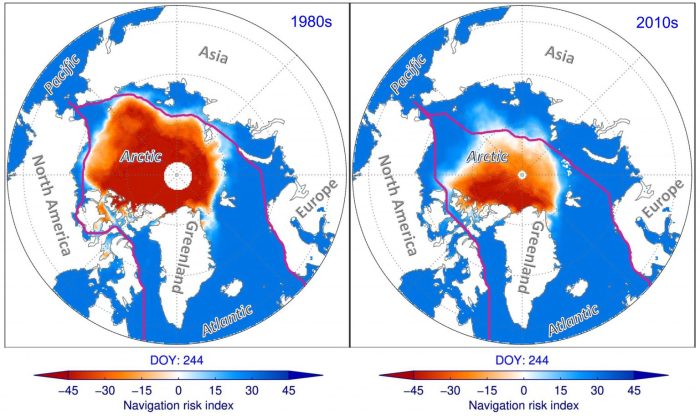
The burgeoning Arctic shipping route, fueled by Rosatom’s ambitious strategy, presents both opportunities and significant environmental challenges. Increased vessel traffic necessitates careful consideration of the fragile Arctic ecosystems and the potential for ecological damage. This section delves into the environmental impact of this growing activity, outlining potential risks, mitigation strategies, and the regulatory framework in place.
Environmental Impact of Increased Shipping
The Arctic’s unique and sensitive ecosystem is highly vulnerable to disruptions. Increased shipping activity introduces a multitude of potential environmental impacts, ranging from oil spills and pollution to noise and habitat disturbance. The presence of ice-breaking vessels and cargo ships can directly impact marine life through collisions, noise pollution affecting communication and foraging patterns, and the introduction of invasive species.
These impacts are particularly pronounced in the region’s pristine and isolated habitats.
Potential Risks to Arctic Ecosystems
The Arctic’s fragile ecosystem faces a number of risks from increased shipping. Oil spills, even small ones, can have devastating consequences in this cold environment, where recovery processes are significantly slower. Disruptions to marine mammal migration patterns and feeding grounds can severely impact populations. Noise pollution from ship engines can affect marine mammals’ communication and navigation, leading to stress and disorientation.
The introduction of non-native species via ballast water can further disrupt the delicate balance of the Arctic’s biodiversity. Furthermore, the altered water temperatures from ship wakes can affect delicate marine life.
Mitigation Strategies
Several strategies can help mitigate the environmental risks associated with increased Arctic shipping. Stricter regulations and enforcement of existing standards are crucial. Investing in advanced technologies that minimize environmental impact is paramount. Improved ship design and maintenance procedures are essential to prevent accidents and minimize the risk of oil spills. Emergency response plans and training must be robust and readily available to address any incidents.
The establishment of clear and comprehensive protocols for ballast water management and the prevention of invasive species introductions are also vital.
Regulations and Standards for Environmental Protection
The Arctic region has a complex framework of environmental regulations. International agreements, such as the Polar Code, aim to standardize safety and environmental protection standards for ships operating in the Arctic. National regulations from countries with Arctic territory play a crucial role in ensuring compliance. These regulations cover aspects such as ship design, operational procedures, and pollution prevention measures.
Regular audits and inspections are essential to ensure compliance and maintain high standards.
Role of Technology in Minimizing Environmental Impact
Technology plays a significant role in minimizing the environmental impact of Arctic shipping. Advanced vessel design, incorporating features such as double hulls and advanced ballast water management systems, can reduce the risk of pollution. Remote sensing and monitoring technologies can provide real-time data on ice conditions, currents, and marine life, enabling safer and more environmentally conscious navigation. The development of quieter ship engines and the use of alternative fuels can substantially reduce noise pollution and greenhouse gas emissions.
Improved ship tracking and communication systems can enhance safety and emergency response capabilities.
Environmental Risks and Potential Solutions
| Environmental Risk | Potential Solution |
|---|---|
| Oil Spills | Stricter regulations, double hulls, improved maintenance, and emergency response plans |
| Noise Pollution | Quieter engines, alternative fuels, and noise-reduction technologies |
| Habitat Disturbance | Improved ship design, designated shipping lanes, and marine mammal protection areas |
| Ballast Water Introduction of Invasive Species | Ballast water treatment systems, strict regulations on ballast water exchange, and biofouling prevention |
| Altered Water Temperatures | Improved ship design, avoiding sensitive habitats, and implementing buffer zones |
Geopolitical Context
The anticipated surge in foreign vessels navigating the Arctic shipping route, facilitated by Rosatom’s strategy, introduces significant geopolitical implications. This increased maritime activity in a strategically important region raises questions about security, cooperation, and the potential for shifting power dynamics. The Arctic’s geopolitical significance is amplified by its untapped resources and proximity to key global trade routes.The increasing presence of foreign vessels in the Arctic carries potential implications for regional security, requiring careful management and international cooperation to ensure stability and prevent miscalculation.
The interplay of national interests, resource access, and environmental concerns necessitates a nuanced understanding of the potential benefits and challenges.
Potential Impact on Regional Security
The influx of foreign vessels necessitates a proactive approach to ensuring maritime safety and security in the Arctic. Increased traffic density potentially elevates the risk of accidents, incidents, and disputes over navigation rights and resources. The need for robust search and rescue mechanisms, clear communication protocols, and joint response capabilities becomes critical. Existing agreements and frameworks for maritime security in the Arctic must be reviewed and possibly strengthened.
For example, the existing safety regulations for shipping in the region might need adjustments to account for the increased number of vessels.
Role of International Cooperation in Managing Arctic Shipping
International cooperation is crucial for effectively managing the increased Arctic shipping traffic. Joint efforts are needed to establish clear rules and regulations, ensuring navigational safety, environmental protection, and peaceful resolution of disputes. Existing agreements, such as the Arctic Council, provide a platform for dialogue and cooperation. Collaboration between Arctic nations and other stakeholders is essential for harmonizing regulations, enhancing maritime safety, and minimizing environmental risks.
The development of a unified approach to environmental protection, disaster response, and navigation safety will be vital for managing the increasing traffic volume.
Potential Implications for International Relations
The increased Arctic shipping activity could potentially reshape international relations, particularly among nations with interests in the region. Competition for resources, navigation rights, and access to the region’s potential economic opportunities might lead to tensions or cooperation depending on the prevailing geopolitical landscape. The potential for friction could arise from disputes over resource claims, environmental protection measures, or the establishment of new maritime boundaries.
Stakeholder Views on Arctic Shipping
Various stakeholders hold diverse views on the implications of increased foreign vessel participation. Governments in Arctic states might emphasize the need for enhanced security and environmental protection. Non-governmental organizations (NGOs) often advocate for sustainable development and environmental preservation. Shipping companies and industry representatives may focus on the economic benefits and opportunities for increased trade. International organizations like the UN might emphasize the need for international cooperation and adherence to existing legal frameworks.
Geopolitical Implications for Various Nations
| Nation | Potential Benefits | Potential Challenges |
|---|---|---|
| Russia | Increased economic activity, potential for enhanced control over Arctic shipping routes. | Competition from other nations, potential for heightened security concerns. |
| Canada | Potential for economic development through trade routes. | Maintaining sovereignty over its Arctic waters, potential for disputes over resources. |
| United States | Access to Arctic resources and shipping routes. | Security concerns related to increased maritime traffic, potential for conflicts with other nations. |
| China | Access to potential trade routes and resources. | Navigating geopolitical tensions in the region, adherence to international laws. |
Infrastructure and Logistics: Russias Rosatom Expects Boom Foreign Vessels Using Arctic Shipping Route
The burgeoning Arctic shipping route necessitates significant infrastructure improvements to support the projected increase in vessel traffic. Existing infrastructure, largely developed for limited operations, needs substantial upgrades to handle the increased volume and diverse types of vessels. This includes improvements in port facilities, navigation aids, communication systems, and logistical support.Efficient Arctic shipping requires a robust and adaptable infrastructure capable of handling various vessel types and sizes.
This includes considerations for ice-class vessels, bulk carriers, container ships, and specialized cargo ships. Adequate logistical support, such as warehousing, storage, and transportation networks, is crucial to ensure smooth operations. Modern technologies can play a critical role in improving safety, efficiency, and overall logistics.
Current State of Arctic Infrastructure
The current Arctic infrastructure is largely underdeveloped and ill-equipped to handle significant increases in traffic. Existing ports and terminals often lack the capacity and facilities to accommodate larger and more specialized vessels. Navigation aids, such as buoys and GPS systems, are often insufficient or outdated, increasing safety risks and operational costs. Communication networks are patchy and unreliable, particularly in remote areas.
This lack of comprehensive infrastructure is a major impediment to realizing the full potential of the Arctic shipping route.
Necessary Infrastructure Investments
Several critical infrastructure investments are needed to support increased traffic. These include expanding port facilities to accommodate larger vessels, upgrading navigational aids and communication systems, and developing specialized ice-breaking capabilities. The development of dedicated Arctic logistics hubs with modern warehousing and storage facilities is essential for efficient cargo handling. Furthermore, investments in ice-strengthened roads and railways for transporting cargo to and from ports are critical.
Investing in advanced communication systems is crucial for improved navigation and coordination. Efficient, reliable communication networks will reduce operational costs and enhance safety.
Role of Technology in Improving Navigation and Logistics
Technology plays a pivotal role in enhancing Arctic shipping operations. Advanced navigation systems, including satellite-based positioning and real-time weather monitoring, can significantly improve safety and efficiency. Remote sensing technologies can help monitor ice conditions and predict potential hazards, minimizing risks. Improved communication networks, including satellite communications and high-speed internet access, are crucial for efficient coordination and data sharing.
Smart logistics solutions and digital platforms can enhance the efficiency of cargo handling and management.
Potential Partnerships and Collaborations
International cooperation and partnerships are vital for developing and maintaining Arctic infrastructure. Collaboration between governments, private companies, and research institutions can foster the exchange of expertise, resources, and best practices. Joint ventures and public-private partnerships can leverage resources and expertise to create sustainable and efficient infrastructure. Sharing of data and best practices between nations will improve navigation and logistical processes.
Examples of Successful Infrastructure Projects in Similar Environments
The development of the Suez Canal exemplifies the strategic importance of infrastructure investments in supporting increased traffic. The project improved navigation, facilitating the movement of goods and enhancing global trade. Other examples include the construction of the Panama Canal, demonstrating the potential of infrastructure development to create economic opportunities. Similarly, investments in infrastructure have facilitated the development of shipping routes in other challenging environments, including the development of ports in harsh climates.
Required Infrastructure Improvements for Different Types of Vessels
| Vessel Type | Required Infrastructure Improvements |
|---|---|
| Ice-class vessels | Ice-strengthened ports, ice-breaking capabilities, advanced navigation systems, dedicated ice-breaking support |
| Bulk carriers | Deep-water ports, efficient loading and unloading facilities, robust logistical support |
| Container ships | Modern container terminals, efficient handling equipment, secure storage facilities |
| Specialized cargo ships | Specialized terminals, handling equipment, storage facilities tailored to specific cargo types |
Potential for Conflict
The burgeoning Arctic shipping route, facilitated by Rosatom’s initiatives, presents both opportunities and potential challenges. Increased vessel traffic inevitably raises concerns about potential conflicts, especially regarding access to resources and navigational rights. Understanding the geopolitical context and the role of international law is crucial for navigating these challenges. A proactive approach to conflict prevention, drawing on historical examples, is vital for ensuring a smooth and sustainable development of this strategic waterway.
Potential Conflicts Related to Increased Vessel Traffic and Resources
The Arctic region holds significant untapped resources, including oil, gas, and minerals. As access to these resources increases, competition and potential disputes are likely to arise. These disputes could involve claims to sovereign rights over specific areas, access to navigation routes, and exploitation of shared resources. The potential for environmental damage from accidents or mishaps further complicates the situation.
Furthermore, differing interpretations of international law and the lack of clear mechanisms for dispute resolution add to the potential for conflict.
Possible Scenarios of Disputes Over Access to Resources
Several scenarios could lead to disputes over Arctic resources. One involves competing claims to resource extraction zones. Another involves disagreements over navigation rights, particularly in areas with overlapping national jurisdictions. A third scenario is disputes regarding environmental protection and responsibility in case of accidents. These scenarios highlight the need for clear and well-defined legal frameworks, strong international cooperation, and proactive measures to prevent accidents.
The Role of International Law in Resolving Disputes
International law, including the United Nations Convention on the Law of the Sea (UNCLOS), plays a crucial role in establishing a framework for resolving disputes in the Arctic. UNCLOS defines the rights and responsibilities of coastal states and Artikels procedures for resolving maritime boundary disputes. However, the application of these principles in the Arctic, particularly regarding the delimitation of maritime zones and the exploitation of resources in the high seas, can be complex.
Potential Solutions for Preventing Conflicts
Several proactive measures can help prevent conflicts. These include enhanced cooperation among Arctic nations, clear and unambiguous delimitation of maritime zones, the establishment of effective mechanisms for dispute resolution, and robust environmental regulations. Transparent communication channels and joint scientific research efforts are crucial in fostering understanding and cooperation.
Historical Examples of Similar Conflicts in Other Regions
History provides valuable lessons from similar disputes over resources and territorial claims. The South China Sea disputes, for example, highlight the complexities of overlapping claims and the potential for escalating tensions. Similarly, the competition for oil and gas resources in the Caspian Sea region has underscored the importance of clear legal frameworks and diplomatic solutions. These historical examples demonstrate the importance of proactively addressing potential conflicts to avoid escalating tensions.
Table Outlining Potential Conflict Scenarios and Mitigation Strategies
| Conflict Scenario | Potential Mitigation Strategy |
|---|---|
| Competing claims to resource extraction zones | Establish clear, internationally recognized delimitation of maritime zones based on UNCLOS principles. Promote joint scientific research to clarify resource availability and potential environmental impacts. |
| Disagreements over navigation rights | Develop clear navigation guidelines and protocols. Foster joint initiatives for search and rescue operations and disaster response. |
| Disputes regarding environmental protection and responsibility | Implement strict environmental regulations and protocols for resource extraction and shipping activities. Develop joint mechanisms for environmental monitoring and accident response. |
| Lack of clear dispute resolution mechanisms | Strengthen international cooperation in the Arctic to develop and implement effective dispute resolution mechanisms. Encourage adherence to existing international legal frameworks. |
Ultimate Conclusion
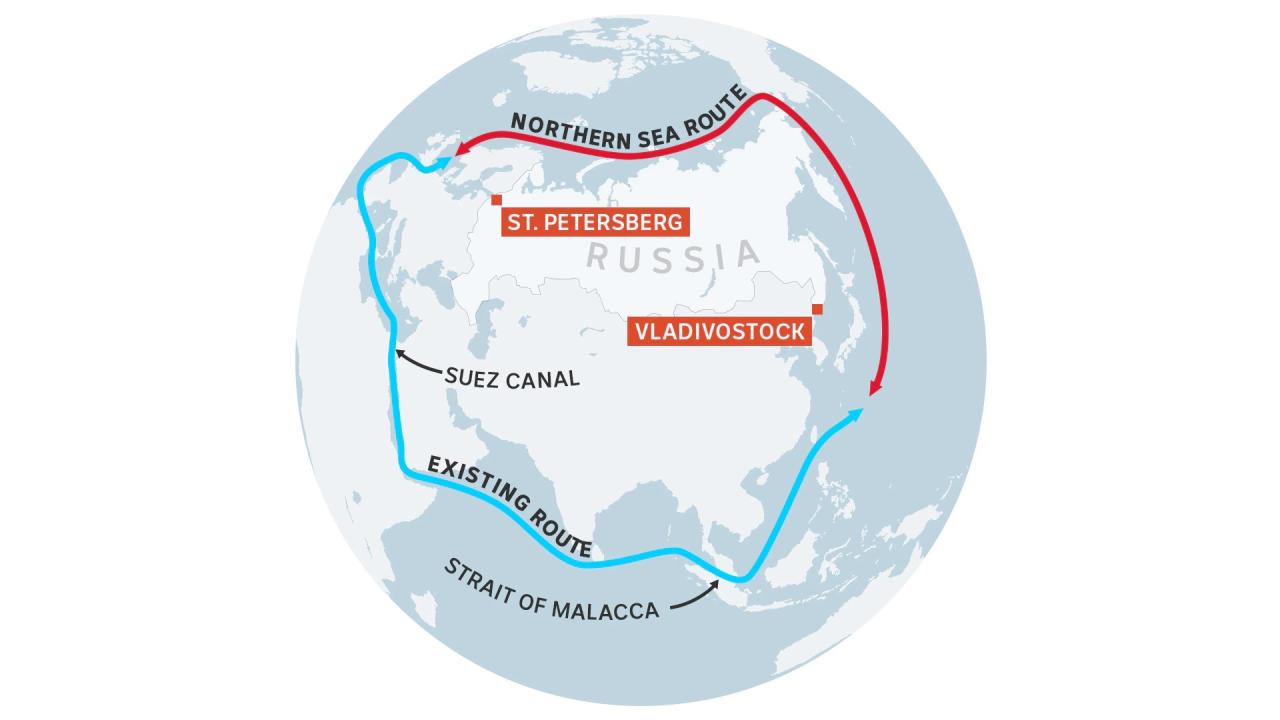
In conclusion, Russia’s Rosatom anticipates a surge in foreign vessels utilizing the Arctic shipping route, driven by economic incentives and strategic considerations. This development carries substantial implications for global trade, regional security, and the environment. The success of Rosatom’s initiative will hinge on careful consideration of environmental factors, geopolitical complexities, and the development of robust infrastructure. Ultimately, the Arctic route’s future success depends on the ability of all stakeholders to work together responsibly and sustainably.