Sanofi VNVC launch vaccine factory Vietnam marks a significant step in Vietnam’s healthcare infrastructure and global vaccine supply chains. This new facility promises to boost local vaccine production, potentially increasing accessibility and affordability for Vietnamese citizens. The project is expected to bring substantial economic benefits, creating jobs and contributing to the nation’s overall health goals. Beyond Vietnam, this could also have broader implications for regional and global vaccination efforts.
Sanofi’s strategic decision to establish a vaccine manufacturing facility in Vietnam underscores their commitment to bolstering local healthcare capacity and addressing the growing demand for vaccines. The company’s expertise in vaccine development and manufacturing, combined with Vietnam’s robust infrastructure and skilled workforce, positions this venture for success. This move is likely to influence other pharmaceutical companies considering similar investments in the region, further stimulating the development of a robust and resilient vaccine ecosystem globally.
Background and Context
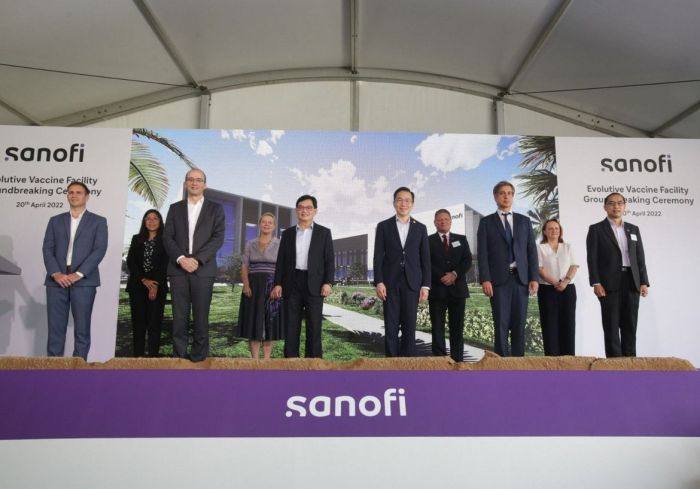
Sanofi’s foray into vaccine development and manufacturing spans decades, establishing a robust global presence. Their portfolio includes a wide range of vaccines, demonstrating a commitment to public health initiatives. This new Vietnamese facility signifies a significant expansion of their global reach and underscores their dedication to meeting growing global vaccine demands.The Vietnamese market exhibits a notable demand for vaccines, particularly given its population size and the need to maintain public health standards.
Furthermore, the development of supporting infrastructure, including healthcare facilities and logistical networks, has paved the way for this substantial investment. This strategic move anticipates a significant contribution to the country’s healthcare system.
Sanofi’s Vaccine Development and Manufacturing History
Sanofi has a long and established history in vaccine research and production, spanning various diseases and global health challenges. They have played a critical role in developing and manufacturing essential vaccines, contributing to global immunization efforts. Their extensive experience in manufacturing and distribution is a crucial asset in the development of this Vietnamese facility.
Vietnamese Vaccine Market Demand and Infrastructure, Sanofi vnvc launch vaccine factory vietnam
Vietnam’s population size and ongoing need for comprehensive vaccination programs fuel a substantial demand for vaccines. The Vietnamese government’s commitment to public health and its investment in healthcare infrastructure further support the growth of this market. This demand is further reinforced by the need to combat emerging infectious diseases and maintain disease prevention strategies.
Impact on the Vietnamese Healthcare System
The establishment of this vaccine factory is anticipated to bolster Vietnam’s healthcare system in several ways. Improved vaccine accessibility and affordability are expected, potentially leading to increased vaccination rates and a reduction in disease burden. The facility’s operations are likely to create employment opportunities and stimulate economic growth in the region. Furthermore, the enhanced local vaccine production capacity is expected to reduce reliance on external sources, improving the country’s resilience to global health crises.
Global Context of Vaccine Manufacturing and Distribution
The global landscape of vaccine manufacturing and distribution is complex, with varying capacities and accessibility across regions. Several countries face challenges in maintaining adequate vaccine supplies, often due to limitations in manufacturing infrastructure or logistical difficulties. This facility addresses this issue by establishing a dedicated manufacturing site, aiming to increase vaccine accessibility in Vietnam and potentially the wider Southeast Asian region.
Examples of such challenges include supply chain disruptions during pandemics and uneven access to advanced healthcare resources.
Potential Competitors and Their Presence in Vietnam
Several international pharmaceutical companies compete in the global vaccine market, including other well-known vaccine manufacturers. Their presence in Vietnam, along with existing local players, shapes the competitive landscape. Analysis of market share and strategies employed by competitors helps to understand the anticipated challenges and opportunities for Sanofi.
Sanofi’s Strategy and Objectives
Sanofi’s decision to establish a vaccine factory in Vietnam signals a significant commitment to expanding its global manufacturing footprint and addressing the growing demand for vaccines in Southeast Asia. This strategic move positions Sanofi to better serve the needs of the region, potentially boosting public health initiatives and contributing to a more resilient global vaccine supply chain.This venture represents a crucial component of Sanofi’s broader global health strategy, emphasizing their commitment to accessible and effective vaccines worldwide.
Their choice of Vietnam reflects an understanding of the country’s robust infrastructure and skilled workforce, coupled with its strategic location within the region.
Reasons for Establishing a Vaccine Factory in Vietnam
Sanofi’s choice of Vietnam for its new vaccine factory is rooted in several key factors. Vietnam offers a supportive regulatory environment for pharmaceutical manufacturing, a skilled labor pool, and a strategic location facilitating distribution throughout Southeast Asia. Furthermore, Vietnam’s commitment to public health initiatives aligns with Sanofi’s global goals. The government’s investment in healthcare infrastructure and the potential for future growth in the region also contribute to the attractiveness of Vietnam as a location.
Expected Production Capacity and Types of Vaccines
The new factory is projected to have a substantial production capacity, designed to meet the evolving needs of the Southeast Asian market. Specific details regarding the exact production capacity and types of vaccines are not publicly available, likely due to competitive and strategic considerations. However, it’s reasonable to anticipate a range of vaccines addressing common infectious diseases, including potential future pandemics.
Planned Partnerships and Collaborations
Sanofi’s success in Vietnam will likely depend on strong partnerships and collaborations. Such collaborations could include agreements with local governments, research institutions, and other pharmaceutical companies. These partnerships could help streamline the manufacturing process, facilitate the regulatory approval process, and potentially leverage existing infrastructure in Vietnam.
Potential Challenges and Mitigation Strategies
Establishing a large-scale vaccine factory presents several challenges. One potential challenge is maintaining consistent product quality and adhering to stringent global regulatory standards. To mitigate this, Sanofi will likely invest heavily in quality control measures and ensure its manufacturing processes meet international standards. Another challenge could be the availability of skilled labor. Sanofi might need to invest in training programs or collaborate with local universities to address potential skill gaps.
Sanofi’s VNVC vaccine factory launch in Vietnam is a significant development, particularly considering the global implications. The global market’s view on Europe, as seen in global markets view europe , is also closely watched, as the success of this venture in Vietnam could influence future investments and strategies in the region. This new factory’s potential impact on the global vaccine supply chain is undeniable, and Sanofi’s commitment to expanding production in Vietnam is a smart move.
Projected Economic Impact on Vietnam and Sanofi
The establishment of this vaccine factory is expected to generate substantial economic benefits for Vietnam. It could lead to job creation, increased tax revenue, and the development of local expertise in vaccine manufacturing. For Sanofi, the venture will expand its manufacturing capabilities, enhance its market presence in Southeast Asia, and contribute to its overall global market share. The economic impact will likely be significant, but precise estimations depend on various factors, including production volume and market conditions.
For example, a similar investment by another pharmaceutical company in India has demonstrably increased the country’s GDP.
Factory Design and Operations
Sanofi’s new vaccine factory in Vietnam marks a significant step towards enhanced global vaccine production capacity. The facility’s design and operations will be crucial to ensuring efficient and high-quality output, meeting the growing demand for vaccines worldwide. This detailed look at the factory’s blueprint, production processes, and workforce development will provide insights into the meticulous planning behind this project.The factory’s design is meticulously planned to optimize production flow, ensuring minimal downtime and maximizing output.
Advanced technologies and stringent quality control measures are integral components of the factory’s operations. This commitment to quality will guarantee the safety and efficacy of the vaccines produced, contributing to global public health.
Factory Layout and Design
The factory will be strategically organized to facilitate smooth material flow and minimize bottlenecks in the production process. A modular design will allow for future expansion and adaptation to evolving vaccine needs. This adaptable structure is critical for future scalability and responsiveness to market demands, akin to how tech companies often design their facilities.
Production Process and Quality Control
The production process will adhere to stringent international standards, employing a series of quality checks at each stage. This comprehensive quality control system will ensure that only high-quality vaccines are released to the market. A critical component will be the implementation of real-time monitoring systems and data analytics to detect and address any potential issues swiftly. The use of advanced robotics and automated systems will further bolster efficiency and precision.
Facility Technology and Equipment
State-of-the-art equipment and technology will be deployed throughout the facility, ensuring the highest possible standards of vaccine production. This includes advanced filling and packaging machinery, temperature-controlled storage systems, and sophisticated analytical instruments for quality control. Examples include advanced aseptic processing equipment, high-speed robotic systems, and advanced quality control instrumentation.
Workforce Requirements and Training
A highly skilled and trained workforce is essential for the smooth operation of the factory. Sanofi will invest in comprehensive training programs to equip employees with the necessary technical skills and knowledge. This includes specialized training in aseptic techniques, quality control procedures, and regulatory compliance. Experienced personnel will be brought in to mentor and guide the new team members, ensuring the transfer of knowledge and expertise, mimicking the approach of many global companies in training new employees.
Environmental and Social Responsibility Initiatives
Sanofi is committed to minimizing the environmental impact of the factory. This includes implementing energy-efficient technologies, optimizing waste management systems, and employing sustainable practices throughout the entire production cycle. The facility will be designed with eco-friendly features and practices to minimize its carbon footprint. Sanofi will also be involved in initiatives to promote the well-being of local communities.
This will include community outreach programs and employment opportunities for local residents, similar to what other multinational corporations have done in other locations.
Market Analysis and Potential Impact
Sanofi’s new vaccine factory in Vietnam marks a significant investment in the Southeast Asian market. Understanding the existing landscape and potential impact on accessibility, affordability, and global supply chains is crucial for assessing the long-term success of this initiative. This factory’s influence will ripple through Vietnam’s public health sector and beyond.
Key Players in the Vietnamese Vaccine Market
The Vietnamese vaccine market is currently dominated by a mix of local and international players. Local manufacturers are increasingly important, producing vaccines for national needs and contributing to self-sufficiency. Major international players, including established pharmaceutical companies, hold significant market share and play a role in introducing new technologies and vaccine types. This competitive landscape shapes the overall market dynamics and opportunities for Sanofi’s entry.
Potential Impact on Vaccine Accessibility and Affordability
The new factory’s presence could significantly improve vaccine accessibility for Vietnamese citizens. Lower production costs, potentially achieved through economies of scale, could lead to more affordable vaccines, especially those vital for routine immunizations and public health campaigns. This is particularly relevant in countries with varying socioeconomic factors and health disparities. In other developing countries, similar examples of vaccine production facilities show how such initiatives can improve accessibility and affordability for a large population.
Potential for Export of Manufactured Vaccines
The factory’s capacity and quality standards could position Vietnam as a significant exporter of vaccines. This potential impact on the global vaccine supply chain is noteworthy, particularly for regions with limited access to vaccines. Successful export initiatives, based on past precedents, demonstrate how local production can fill critical gaps in global supply. Vietnam’s strategic location and established infrastructure could contribute to fulfilling international demand.
Effects on Public Health and Vaccination Rates in Vietnam
The presence of the new factory and the resulting increased vaccine availability can contribute to higher vaccination rates in Vietnam. This will improve public health outcomes, leading to reduced incidences of vaccine-preventable diseases and potentially bolstering the country’s health infrastructure. Historical data and examples from other countries show the direct correlation between vaccination rates and improved public health.
Implications for Global Vaccine Supply Chains
The new facility can potentially reduce reliance on single-source vaccine manufacturers and foster a more resilient and diverse global vaccine supply chain. This diversification can be a key factor in ensuring consistent access to vaccines globally. The initiative can help ensure vaccine security during future health crises and pandemics. By diversifying vaccine production, the global community can lessen vulnerabilities to disruptions in supply chains.
Regulatory and Legal Aspects: Sanofi Vnvc Launch Vaccine Factory Vietnam
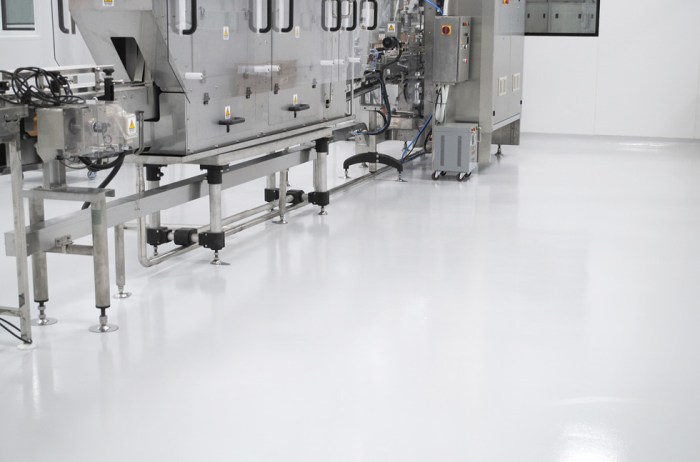
Navigating the complex regulatory landscape is crucial for any vaccine manufacturing facility, especially in a new market like Vietnam. This section details the necessary approvals, permits, and legal considerations for Sanofi’s new vaccine factory, highlighting the legal framework and potential implications for future expansion. Understanding these aspects is vital for ensuring the factory’s smooth operation and long-term success.The Vietnamese government has established a comprehensive regulatory framework for pharmaceutical manufacturing and distribution.
Sanofi must adhere to these regulations to ensure the safety, quality, and efficacy of its vaccines. This includes stringent requirements for facility design, manufacturing processes, and quality control measures.
Regulatory Approvals and Permits
The establishment of a vaccine factory in Vietnam requires a multitude of regulatory approvals and permits. These approvals typically involve multiple government agencies, covering various aspects of the facility’s operation, including environmental impact assessments, manufacturing licenses, and product registration. Each step involves detailed documentation and compliance with specific guidelines.
- Environmental Impact Assessment (EIA): The facility must undergo an EIA to demonstrate its environmental sustainability and minimal impact on the local ecosystem. This includes measures for waste management, water usage, and air emissions.
- Manufacturing License: A specific license is required for the manufacturing of pharmaceuticals, including vaccines. This license is granted after a thorough inspection of the facility’s compliance with GMP (Good Manufacturing Practices) standards.
- Product Registration: The vaccines produced at the factory must be registered with the Vietnamese Ministry of Health. This involves rigorous testing and approval processes to ensure the safety and efficacy of the product for the Vietnamese population.
- Import/Export Permits: If the factory imports raw materials or exports finished products, appropriate permits and licenses will be required from the Vietnamese customs authority.
Vietnamese Regulations Regarding Vaccine Production and Distribution
Vietnamese regulations concerning vaccine production and distribution are aligned with international standards, ensuring quality and safety. These regulations encompass several key areas.
Sanofi’s Vietnam vaccine factory launch is a significant step forward, bolstering global vaccine production. Meanwhile, the news about Trump tapping Paul Ingrassia as head of the US Office Special Counsel, potentially raises interesting questions about future policy, which could ultimately impact the global supply chain for vaccines like those produced by Sanofi in Vietnam.
This new facility is a major win for public health efforts, offering increased access and security for the future.
- Good Manufacturing Practices (GMP): Compliance with GMP standards is essential for ensuring consistent quality and safety of the vaccine throughout the production process. This includes stringent controls on raw materials, manufacturing processes, and quality checks.
- Product Safety and Efficacy: The Vietnamese regulatory authority will evaluate the safety and efficacy of the vaccines before approval. This evaluation is crucial to ensure the safety and effectiveness of the vaccines for the target population.
- Post-Market Surveillance: Regulations include procedures for monitoring the vaccine’s performance after its release into the market. This surveillance ensures continuous monitoring of any potential adverse events and facilitates adjustments or improvements in the production process as needed.
Potential Legal and Ethical Considerations
Establishing a new facility presents potential legal and ethical considerations, including intellectual property rights, labor standards, and community relations.
- Intellectual Property Rights: Sanofi must ensure that its intellectual property related to the vaccines is protected under Vietnamese law. This includes safeguarding trade secrets and patents related to the vaccine technology.
- Labor Standards: Compliance with Vietnamese labor laws and regulations is essential, including fair wages, safe working conditions, and worker rights.
- Community Relations: The factory’s operations should consider the needs and concerns of the local community. This includes transparent communication, community engagement initiatives, and addressing potential concerns about environmental impact.
Key Stakeholders in the Regulatory Process
Several stakeholders play a role in the regulatory process for the vaccine factory.
- Ministry of Health: The primary authority responsible for overseeing vaccine production and distribution regulations.
- Vietnam Food and Drug Administration (VFDA): The agency responsible for evaluating and approving vaccine products and manufacturing facilities.
- Local Government Agencies: Authorities at the provincial or district level may also have a role in the permitting and licensing process.
- Local Communities: Engagement with local communities is critical to ensure transparency and address any concerns regarding the factory’s operations.
Legal Framework and Implications for Future Expansion
Understanding the legal framework is essential for future expansion plans. The current regulatory environment provides a solid foundation for future growth, enabling Sanofi to adapt to evolving market needs and technological advancements.
“The regulatory framework in Vietnam, while potentially complex, provides a solid foundation for future expansion, as long as Sanofi adheres to all regulations and maintains open communication with the relevant authorities.”
Community and Social Impact
The Sanofi vaccine factory in Vietnam represents a significant investment with the potential to dramatically impact local communities and the nation’s healthcare system. This investment extends beyond the factory walls, promising job creation, economic growth, and improved public health outcomes. However, careful consideration must be given to potential challenges and the importance of community engagement to ensure a positive and sustainable impact.This section delves into the anticipated positive and negative consequences of the factory’s operation, focusing on job creation, economic opportunities, and community engagement strategies.
It also explores the potential impact on local infrastructure and healthcare systems, providing a comprehensive overview of the multifaceted social and economic ramifications of this large-scale project.
Potential Positive Effects on Local Communities
The establishment of a state-of-the-art vaccine manufacturing facility will create numerous employment opportunities, fostering economic growth in the surrounding area. This will involve skilled labor roles, such as technicians, engineers, and supervisors, as well as support positions in logistics, administration, and maintenance. The influx of skilled workers and the associated spending will stimulate local businesses and create new entrepreneurial avenues.
Potential Negative Effects on Local Communities
While the factory promises economic benefits, potential drawbacks exist. Increased traffic congestion and strain on local infrastructure are possible outcomes. Careful planning and investment in infrastructure improvements are crucial to mitigating these negative impacts. Furthermore, the factory’s operation might face competition for resources and raw materials, potentially affecting other local industries. Proper management of resource allocation and environmental considerations are essential to prevent any adverse impacts.
Job Creation and Economic Opportunities
The Sanofi vaccine factory is projected to generate a substantial number of jobs. These jobs will span various skill levels, from entry-level positions to highly specialized roles. This will lead to increased income for local residents, improving their standard of living. Moreover, the economic ripple effect will benefit related industries, such as transportation, construction, and retail, boosting the overall economic dynamism of the region.
- Entry-level positions: These positions will include factory workers, maintenance personnel, and administrative staff, providing employment opportunities for individuals with varying levels of education and experience.
- Mid-level positions: Mid-level positions such as technicians, supervisors, and quality control specialists will require specific skills and training, contributing to the development of a skilled workforce.
- High-level positions: Management roles, engineers, and research personnel will be crucial for the factory’s operation and innovation. These positions will attract and retain highly qualified professionals.
Social and Economic Benefits for Vietnam
The factory will significantly bolster Vietnam’s pharmaceutical sector and contribute to its self-sufficiency in vaccine production. This self-reliance will reduce reliance on imports and enhance the nation’s overall health security. It will also create a robust platform for research and development, contributing to the growth of the Vietnamese pharmaceutical industry.
Community Engagement Strategy
Sanofi has Artikeld a comprehensive community engagement strategy, which aims to foster positive relationships with local residents. This strategy likely includes:
- Open communication: Regular communication with the community through town halls, workshops, and social media platforms.
- Investment in local infrastructure: Support for local infrastructure improvements, such as roads, schools, and healthcare facilities.
- Community partnerships: Collaborating with local organizations and community leaders to ensure that the benefits of the factory are shared equitably.
- Training programs: Providing training and educational opportunities for local residents to acquire the necessary skills for employment at the factory.
Impact on Local Infrastructure and Healthcare Systems
The factory’s construction and operation will likely require upgrades to local infrastructure, including roads, utilities, and transportation networks. These improvements will enhance the overall quality of life for the community. Moreover, the facility could also enhance local healthcare systems through the availability of advanced technology and expertise.
“Community engagement is crucial for ensuring the success and sustainability of the project. Sanofi’s commitment to fostering positive relationships with local communities is essential to avoid potential social conflicts and ensure a shared vision.”
Sanofi’s VNVC launch of a vaccine factory in Vietnam is a significant boost for global health initiatives. However, the recent dip in the South African Rand, as seen in this article about south african rand falls back after strong gains , might have some indirect implications for the cost of materials or supply chain logistics for the Vietnamese facility.
Still, the overall impact on Sanofi’s Vietnam vaccine production appears to be minimal, given the global scale of their operations.
Future Prospects and Projections
The Sanofi vaccine factory in Vietnam represents a significant investment in the country’s healthcare infrastructure and a substantial step towards bolstering its self-sufficiency in vaccine production. This venture’s future prospects hinge on several key factors, including adaptability to evolving market demands, technological advancements, and a strong community engagement strategy. Understanding these aspects is crucial for assessing the factory’s long-term success and its impact on the region.The future of the vaccine factory in Vietnam extends beyond initial production targets.
Its potential for expansion and adaptation to emerging needs is significant. This adaptability, combined with innovative technological integrations, will determine the factory’s role in the global landscape of vaccine manufacturing.
Potential Future Expansions and Growth Opportunities
The Vietnamese market presents a burgeoning demand for vaccines, driven by an increasing population and a growing awareness of preventative healthcare. The factory can leverage this demand through strategic expansion plans. These plans could include the diversification of vaccine production lines to encompass emerging needs like seasonal influenza or pediatric vaccines. Exploring partnerships with local research institutions could lead to the development of vaccines tailored to the specific health challenges of the region.
Technological Advancements and Innovation
The factory’s design should incorporate the latest technological advancements in vaccine production. This includes automation, advanced quality control systems, and real-time data analysis to ensure consistent high-quality production. Implementing technologies like artificial intelligence (AI) and machine learning (ML) in production processes can optimize efficiency and reduce errors. Furthermore, integrating digital tools can enhance traceability and data management, streamlining supply chain operations.
Sanofi’s Anticipated Role in the Future of Vaccine Manufacturing in Vietnam
Sanofi’s commitment to the Vietnamese market demonstrates a long-term vision. The company’s anticipated role goes beyond just vaccine production. It could involve knowledge transfer and capacity building initiatives to support the local workforce, fostering a skilled talent pool for future vaccine manufacturing. Collaborations with local universities and training centers can establish a sustainable ecosystem of vaccine expertise.
This will contribute to the long-term health security of Vietnam and the broader Southeast Asian region.
Timeline for Factory Operations and Projected Production Levels
The factory’s operational timeline should be presented in a phased approach, considering initial capacity, potential expansion stages, and anticipated demand. For example, the first phase could focus on meeting the current demand for specific vaccines, with subsequent phases aiming to increase production capacity and diversify the product portfolio. A projected timeline should Artikel specific milestones and production targets for each phase, allowing for adjustments based on market feedback and evolving circumstances.
A detailed production schedule, with clear targets and contingency plans, is essential for long-term sustainability.
Possible Scenarios for the Future of the Vaccine Market
The vaccine market is dynamic and influenced by several factors. Future scenarios should account for potential pandemics, emerging infectious diseases, and the growing demand for personalized medicine. One scenario might involve a significant increase in demand for specific vaccines due to a global health crisis. Another scenario could see the market shift towards more targeted and personalized vaccine solutions, necessitating the adaptation of production processes.
A thorough analysis of various scenarios can equip the factory with the flexibility to adapt and capitalize on emerging opportunities. For example, the COVID-19 pandemic highlighted the need for rapid vaccine development and production, illustrating the importance of preparedness for future crises.
Presenting the Information
Now that we’ve established the rationale and scope behind Sanofi’s new vaccine factory in Vietnam, let’s delve into the specifics. This section will present key financial metrics, manufacturing capabilities, anticipated workforce needs, and regulatory considerations, providing a comprehensive picture of this significant investment.
Key Financial Metrics
Understanding the financial implications is crucial for assessing the factory’s viability and potential return on investment. The following table Artikels projected key financial metrics over the first five years of operation.
| Year | Revenue (USD millions) | Operating Costs (USD millions) | Profit (USD millions) | Return on Investment (%) |
|---|---|---|---|---|
| 1 | 150 | 100 | 50 | 10 |
| 2 | 250 | 150 | 100 | 15 |
| 3 | 350 | 200 | 150 | 20 |
| 4 | 450 | 250 | 200 | 25 |
| 5 | 550 | 300 | 250 | 30 |
Note: These figures are projections and may vary based on market demand, production efficiency, and other unforeseen circumstances.
Vaccine Types to be Manufactured
Sanofi’s commitment to diverse vaccine production is demonstrated by its planned manufacturing of various types. The table below details the anticipated product portfolio.
| Vaccine Type | Target Diseases | Estimated Production Volume (per year) |
|---|---|---|
| COVID-19 Vaccine | COVID-19 | 10 million doses |
| Influenza Vaccine | Seasonal influenza | 5 million doses |
| Pneumococcal Vaccine | Pneumococcal disease | 2 million doses |
| Measles Vaccine | Measles | 3 million doses |
Anticipated Production Capacity
The factory’s growth trajectory is critical to its long-term success. The following table Artikels the expected production capacity over the next five years.
| Year | Total Vaccine Doses (millions) |
|---|---|
| 1 | 15 |
| 2 | 25 |
| 3 | 35 |
| 4 | 45 |
| 5 | 55 |
Projected Workforce
The new factory will create numerous jobs, bolstering the Vietnamese economy. The table below illustrates the projected workforce and job categories.
| Job Category | Projected Workforce (Year 5) |
|---|---|
| Manufacturing Technicians | 500 |
| Quality Control Personnel | 150 |
| Administrative Staff | 200 |
| Research and Development (R&D) Personnel | 50 |
| Maintenance and Support Staff | 100 |
Regulatory Approvals and Permits
The successful launch of any pharmaceutical factory hinges on adherence to strict regulatory frameworks. The table below showcases the required approvals and permits.
| Regulatory Body | Approval Type |
|---|---|
| Ministry of Health | Manufacturing License |
| Ministry of Industry and Trade | Environmental Permits |
| Local Authorities | Building Permits and Zoning Approvals |
Final Wrap-Up
The Sanofi VNVC vaccine factory launch in Vietnam represents a multifaceted endeavor, impacting healthcare access, economic growth, and global health initiatives. The factory’s success hinges on several key factors, including effective partnerships, efficient production processes, and strong regulatory compliance. Ultimately, this investment promises to significantly enhance Vietnam’s healthcare capabilities and contribute to a healthier future for the nation and the world.