Saudi Aramco could soon issue Islamic bonds prospectus shows a significant move in the global financial landscape. This potential issuance of Sukuk, a type of Islamic bond, by the world’s largest oil company marks a fascinating development. It promises to reshape investment strategies and potentially influence global energy markets. This article delves into the background of Saudi Aramco, explores the nuances of Islamic finance, and examines the potential motivations, market implications, and investor interest surrounding this monumental announcement.
The prospectus, a crucial document outlining the terms and conditions of the bond offering, will be a key factor in attracting investors. We’ll analyze the potential structure, legal considerations, and regulatory requirements involved in such a large-scale issuance. Understanding these intricate details is essential to grasping the potential implications for both Saudi Aramco and the global financial community.
Background of Saudi Aramco
Saudi Aramco, the national oil company of Saudi Arabia, stands as a global energy giant with a rich history deeply intertwined with the kingdom’s economic trajectory. Its significance extends far beyond its operations, shaping not only the global energy market but also the geopolitical landscape of the Middle East.Aramco’s foundational roots lie in the early 20th century, with its origins tracing back to concessions granted to foreign companies for oil exploration.
Over time, the company evolved into a crucial national asset, eventually becoming a cornerstone of Saudi Arabia’s economic diversification efforts.
Historical Milestones
Saudi Aramco’s journey is marked by key milestones that have shaped its evolution and impact on the global energy landscape. From the initial exploration agreements to the establishment of a state-owned entity, each stage has been crucial in solidifying its position. The transition from a concession-based operation to a fully integrated, national oil company represents a significant shift in the company’s trajectory.
This transformation showcases the kingdom’s ambition to control and manage its vital energy resources.
Current Financial Standing and Performance
Aramco’s financial performance is a crucial indicator of its global significance. Its revenues and profitability directly influence the Saudi Arabian economy, demonstrating the substantial contribution of the company to the kingdom’s financial stability. The company’s substantial reserves and production capacity are vital factors in global energy supply and price dynamics.
Saudi Aramco’s Role in the Kingdom’s Economy
Saudi Aramco is undeniably a cornerstone of the Saudi Arabian economy. Its revenue streams, investment activities, and employment figures directly impact the kingdom’s GDP and fiscal stability. The company’s influence extends beyond economic contribution, as it plays a critical role in national development projects, influencing the country’s overall growth trajectory.
Key Leadership Positions
The leadership at Saudi Aramco is instrumental in guiding the company’s strategy and operations. This structure ensures efficient decision-making and execution of critical tasks, reflecting the importance of leadership in the company’s overall success.
| Position | Role |
|---|---|
| Chief Executive Officer | Oversees the overall strategic direction and operational management of the company. |
| Chief Financial Officer | Manages the company’s financial resources, ensuring efficient allocation and utilization. |
| Chief Technology Officer | Oversees research and development, ensuring technological advancements in the company’s operations. |
| Chief Operating Officer | Directs the daily operations of the company, ensuring smooth execution of plans. |
| President of Upstream | Manages exploration, extraction, and production activities. |
| President of Downstream | Manages refining, distribution, and marketing operations. |
Islamic Bonds (Sukuk) Overview
Saudi Aramco’s potential issuance of Islamic bonds (Sukuk) marks a significant development in the global financial landscape. Understanding the intricacies of Sukuk is crucial to appreciating the implications of this move. This exploration delves into the concept of Islamic finance, highlighting the distinctions between Sukuk and conventional bonds, and examining the regulatory frameworks governing these instruments. It also presents notable examples of Sukuk issuances.Islamic finance, a system of financial transactions that adheres to Islamic law (Sharia), is fundamentally different from conventional finance.
A key principle underpinning Islamic finance is the avoidance of interest (riba). This principle is central to the structure of Sukuk.
Concept of Islamic Finance and Sukuk
Islamic finance operates on principles that prohibit riba (interest), gharar (uncertainty), and maysir (gambling). These principles guide the structuring of financial transactions, ensuring ethical and socially responsible practices. Sukuk, literally meaning “certificate” in Arabic, are Islamic bonds that represent ownership in an underlying asset or project. They are structured to avoid the prohibition of riba by adhering to Sharia principles.
Sukuk vs. Conventional Bonds
Sukuk differ significantly from conventional bonds in their structure and underlying principles. While conventional bonds typically involve the lender providing capital to the borrower, earning interest, Sukuk represent ownership in an asset or project. The return on Sukuk is derived from the underlying asset’s profitability or the revenue generated by the project, not from interest. This fundamental difference in structure is critical in understanding the nature of Sukuk.
Key Differences in Structure and Principles, Saudi aramco could soon issue islamic bonds prospectus shows
| Feature | Sukuk | Conventional Bonds ||—|—|—|| Underlying Asset | Represents ownership in an asset or project | Primarily a loan || Return Mechanism | Derived from the asset’s profitability or project revenue | Interest payments || Profit Sharing | Often includes profit sharing with the issuer | No profit sharing; fixed interest payments || Sharia Compliance | Structured to adhere to Islamic law | Not structured to adhere to Islamic law || Risk Profile | Varies depending on the underlying asset | Varies depending on the borrower’s creditworthiness |
Regulatory Frameworks and Standards Governing Sukuk Issuance
Sukuk issuances are subject to stringent regulatory frameworks and standards to ensure compliance with Sharia principles. These frameworks vary by jurisdiction but generally include independent Sharia boards that review the structure of the Sukuk to ensure its conformity with Islamic law. Different regulatory bodies oversee compliance and enforce regulations in different countries.
Notable Examples of Sukuk Issuances
- Several sovereign wealth funds, including those from Gulf Cooperation Council (GCC) countries, have issued Sukuk to raise capital for infrastructure projects and other ventures. This demonstrates the growing acceptance and demand for Sukuk globally.
- Many corporations, including major banks and energy companies, have issued Sukuk to finance projects aligned with Islamic principles. This broadens the application of Sukuk beyond just governments and institutions.
Potential Motivations for Issuance
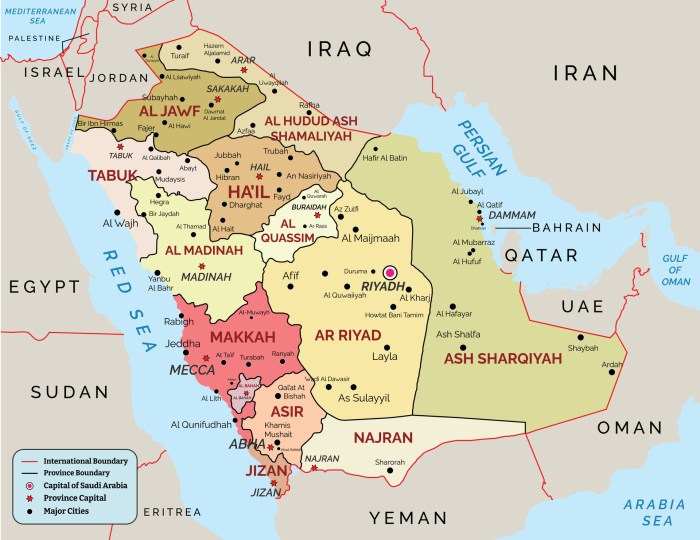
Saudi Aramco’s potential Sukuk issuance is a significant event that warrants careful consideration. The move signals a strategic shift in the company’s financial approach, likely driven by a complex interplay of financial and strategic factors. This exploration delves into the motivations behind this potential action, analyzing the benefits and comparing it to alternative funding methods.The decision to issue Sukuk, an Islamic bond, carries several implications for the company’s financial structure and its overall standing in the global market.
Understanding these motivations is crucial to interpreting the long-term impact of this action on the energy sector and the broader financial landscape.
Potential Financial Motivations
Saudi Aramco’s financial strength is undeniable, yet there might be compelling financial reasons for issuing Sukuk. These could include diversification of funding sources, potentially securing lower borrowing costs compared to conventional debt, and capitalizing on the growing demand for Islamic finance instruments. Attracting investors seeking ethical and socially responsible investments could also be a driving force.
Potential Strategic Motivations
Beyond financial considerations, strategic motivations are likely at play. Issuing Sukuk might be a demonstration of Saudi Aramco’s commitment to its role within the Kingdom’s economic development. It could also enhance the company’s reputation as a socially responsible corporate citizen, potentially attracting talent and investment in the long run. Furthermore, the move could foster closer ties with Islamic financial institutions and markets, potentially opening new avenues for collaboration and expansion.
Comparison with Alternative Funding Sources
Saudi Aramco has a vast array of funding options available. Comparing Sukuk issuance with conventional debt markets, project financing, or equity offerings reveals unique advantages and disadvantages. Conventional debt might offer lower costs in certain scenarios, but Sukuk could appeal to investors seeking socially conscious investments.
Saudi Aramco’s potential issuance of Islamic bonds, as the prospectus shows, is definitely interesting. It’s a significant financial move, but while we’re on the topic of big news, have you seen the buzz around Caitlin Clark’s quad sit Tuesday when fever face dream? This story is making headlines, and it’s certainly a captivating piece of sports news, but it’s good to remember that Saudi Aramco’s move into Islamic finance could still have a major impact on global markets, too.
So, back to the potential bond issuance – this is a noteworthy event to keep an eye on.
Pros and Cons of Issuing Sukuk
| Factor | Pros | Cons |
|---|---|---|
| Cost of Funds | Potentially lower borrowing costs due to increased investor pool and different risk appetite. | May not always be lower than conventional debt, depending on market conditions. |
| Investor Base | Access to a wider investor base, including those with ethical and socially responsible investment preferences. | Limited investor pool compared to conventional bond markets. |
| Regulatory Compliance | Compliance with Islamic law (Sharia) principles. | Additional compliance requirements and complexities compared to conventional debt. |
| Corporate Image | Enhancement of corporate image and reputation as a socially responsible company. | Potential for reputational damage if Sharia compliance issues arise. |
| Market Access | Entry into the Islamic financial markets and potential expansion into new investment horizons. | Potential for increased complexity in financial structuring. |
Market Implications: Saudi Aramco Could Soon Issue Islamic Bonds Prospectus Shows
Saudi Aramco’s potential Sukuk issuance holds significant implications for the global financial landscape, particularly within the Islamic finance sector. The sheer scale of Aramco’s operations and financial strength will undoubtedly influence investor sentiment and market dynamics, creating ripples throughout the global energy sector. This issuance is poised to be a landmark event, attracting attention and potentially reshaping investment strategies.The issuance of a Sukuk by a company of Aramco’s stature will likely elevate the profile of Islamic finance globally.
This will bring increased scrutiny and possibly more investment in the sector. The positive perception of Islamic finance, coupled with the strong reputation of Aramco, could lead to greater investor confidence in this market segment.
Potential Impact on Global Islamic Finance Market
The issuance of a Sukuk by Saudi Aramco will likely be a catalyst for increased participation and investment in Islamic finance instruments. The company’s reputation for transparency and strong financial performance will likely attract both traditional and Islamic investors, broadening the pool of participants in the market. This increased participation could lead to further innovation and product development within the sector, potentially lowering borrowing costs for other issuers.
Effects on Investor Sentiment and Market Dynamics
The issuance is anticipated to significantly impact investor sentiment. Positive investor reaction could lead to an influx of capital into the Islamic finance market, pushing up demand and potentially driving down borrowing costs for other entities. Conversely, any concerns regarding the specific terms or market conditions could dampen enthusiasm and lead to a more cautious approach. This response will depend on the perceived risk and reward associated with the investment opportunity.
The scale of Aramco’s operation is a key driver of investor confidence.
Predicted Impact on Global Energy Markets
Aramco’s Sukuk issuance might impact global energy markets by potentially influencing energy pricing and investment strategies. The company’s strong financial position and influence in the global energy sector might lead to greater investor confidence in the energy sector as a whole. This could, in turn, lead to increased investment in energy projects, which could have a positive effect on energy security and pricing.
It is also possible that this will not affect the energy markets in any noticeable way.
Saudi Aramco’s potential issuance of Islamic bonds, as their prospectus shows, is definitely intriguing. However, it’s also worth noting that recent sports news has been making waves, like the Guardians’ RHP Ben Lively undergoing Tommy John surgery. This injury certainly throws a wrench in their season plans, just as the financial markets continue to react to Saudi Aramco’s potential bond offering.
It seems like a lot of interesting developments are happening all at once in the financial and sports worlds.
Projected Market Trends After Sukuk Issuance
| Market Segment | Pre-Issuance Trend | Post-Issuance Trend Prediction | Rationale |
|---|---|---|---|
| Global Islamic Finance | Steady growth, but limited mainstream adoption | Significant increase in investor interest, potentially lowering borrowing costs | Aramco’s reputation and financial strength attract broader investor participation |
| Investor Sentiment | Moderate confidence in Islamic finance | Increased confidence and capital influx into Islamic finance market | Positive perception of Aramco and its financial stability |
| Global Energy Markets | Fluctuating, influenced by various factors | Potentially more stable and attracting investment | Increased investor confidence in energy sector due to Aramco’s influence |
| Sukuk Market | Moderate activity, but with potential for growth | Accelerated growth in issuance and trading volume | Increased investor appetite for Sukuk and potential for new products |
Legal and Regulatory Considerations

Saudi Aramco’s potential Sukuk issuance is intricately tied to the Kingdom’s robust regulatory framework for Islamic finance. Navigating this framework is crucial for a successful issuance, and understanding the nuances is vital for investors and stakeholders alike. This involves scrutinizing the specific legal and regulatory requirements tailored to Sukuk transactions.The legal and regulatory environment for Sukuk in Saudi Arabia is designed to ensure compliance with Islamic principles and maintain investor confidence.
A critical aspect is the alignment of the issuance process with Sharia law, ensuring the transaction adheres to Islamic ethical guidelines.
Legal Requirements for Sukuk Issuance
The issuance of Sukuk in Saudi Arabia is subject to stringent legal requirements, primarily rooted in Sharia law. These regulations necessitate the structure of the Sukuk to conform to Islamic principles of profit sharing, prohibition of interest, and ethical investment practices. Compliance with these principles is crucial for the legitimacy of the transaction from an Islamic perspective.
Regulatory Bodies Involved in the Issuance Process
Several regulatory bodies play pivotal roles in overseeing the issuance and trading of Sukuk in Saudi Arabia. The most significant bodies involved include the Capital Market Authority (CMA) and the Ministry of Finance. The CMA, as the primary capital market regulator, sets the standards and guidelines for Sukuk issuance, ensuring compliance with regulations. The Ministry of Finance also plays a critical role in overseeing financial markets, ensuring the integrity of the Sukuk issuance.
Other relevant bodies may include the Saudi Central Bank (SAMA), with potential oversight and regulatory input.
Potential Risks and Challenges Associated with Sukuk Issuance
Issuing Sukuk presents inherent risks, including the need to ensure adherence to Sharia law throughout the entire process. The complexity of structuring Sukuk transactions to meet these requirements can be challenging. A critical risk is potential disputes regarding compliance with Sharia principles, which can arise during the structuring and execution of the transaction. Market volatility and economic uncertainties can also pose risks to the issuance and valuation of Sukuk.
Furthermore, changes in regulatory frameworks can also create challenges, requiring constant adaptation and compliance by the issuer. Maintaining investor confidence during periods of economic uncertainty is paramount.
Legal Experts and Institutions Involved in Sukuk Transactions
Several legal experts and institutions play a vital role in guiding and supporting Sukuk transactions. These entities provide legal advice, conduct due diligence, and ensure compliance with relevant regulations. Some of these entities include specialized Islamic law firms, investment banks with extensive Sukuk experience, and independent Sharia scholars. Their expertise and oversight help to mitigate potential risks associated with the transaction.
Saudi Aramco’s potential issuance of Islamic bonds, as their prospectus shows, is certainly interesting. While the financial world watches this development, it’s worth noting that in other sporting news, Cole Young’s game-winning plate appearance in his MLB debut for the Mariners against the Twins, a thrilling walk-off win , highlights the excitement in the world of sports right now.
This exciting development certainly adds to the overall buzz around Saudi Aramco’s financial maneuvers.
- These firms typically have in-depth knowledge of Islamic finance and Sukuk transactions, providing valuable legal counsel and support.
- Their expertise in navigating the intricacies of Sharia compliance and regulatory frameworks is essential for a smooth transaction.
- Independent Sharia scholars are also critical in providing an independent assessment of the transaction’s adherence to Islamic principles, ensuring compliance and building trust among investors.
Potential Structure of the Prospectus
Saudi Aramco’s potential Sukuk issuance will require a comprehensive prospectus to attract investors. This document needs to clearly Artikel the terms, conditions, and risks associated with the investment. A well-structured prospectus is crucial for building investor confidence and ensuring a successful offering.
Prospectus Structure Overview
The prospectus should be structured in a way that provides a clear and concise overview of the offering. It should address key aspects such as the issuer’s background, the structure of the Sukuk, potential risks, and investor rights. This structured approach promotes transparency and understanding, encouraging participation from a wider investor base.
Key Sections of the Prospectus
The prospectus should contain several key sections, each designed to provide crucial information to potential investors. These sections will cover crucial details, from the company’s history to the specific terms of the offering.
- Executive Summary: This section provides a brief overview of the Sukuk offering, highlighting key features, the amount of capital being raised, and the proposed structure. It acts as a concise summary of the entire offering, making it easy for investors to quickly grasp the core elements of the investment.
- Company Information: This section details Saudi Aramco’s history, operations, financial performance, and governance structure. It includes relevant financial data and key management personnel details, ensuring investors understand the issuer’s background and capabilities.
- Sukuk Structure and Terms: This section is fundamental. It clearly explains the structure of the Sukuk, including the underlying assets, the payment schedule, and the specific terms of the financing arrangement. It also details the specific Sharia compliance aspects, ensuring investors understand the ethical considerations.
- Risks and Rewards: This section addresses potential risks associated with investing in the Sukuk, including market risks, credit risks, and liquidity risks. It also Artikels the potential returns and rewards for investors, helping them assess the investment’s overall potential.
- Use of Proceeds: This section details how the proceeds from the Sukuk issuance will be utilized. It ensures transparency about the intended use of funds, providing clarity and confidence to potential investors.
- Legal and Regulatory Considerations: This section addresses all legal and regulatory requirements and approvals necessary for the Sukuk issuance, showcasing compliance with relevant regulations and ensuring the process is legally sound.
- Financial Statements: Audited financial statements provide crucial information about the company’s financial health, performance, and stability. This data allows investors to assess the issuer’s capacity to fulfill its financial obligations.
- Appendices: This section includes supporting documents, such as legal opinions, regulatory approvals, and other relevant information. These supplementary materials provide comprehensive details, allowing investors to verify and understand the details of the offering.
Key Information Table
A table summarizing the essential information required in the prospectus ensures clarity and facilitates quick reference.
| Section | Key Information |
|---|---|
| Executive Summary | Summary of Sukuk, key features, amount raised, structure |
| Company Information | History, operations, financial performance, management |
| Sukuk Structure and Terms | Structure, payment schedule, terms, Sharia compliance |
| Risks and Rewards | Potential risks, return projections |
| Use of Proceeds | Detailed breakdown of how funds will be used |
| Legal and Regulatory Considerations | Compliance with relevant laws and regulations |
| Financial Statements | Audited financial statements |
| Appendices | Supporting documents, legal opinions |
Attracting Investors with the Prospectus
The prospectus needs to be more than just a document; it should be a compelling narrative. The following elements can attract investors:
- Transparency and Clarity: Clear and concise language, avoidance of jargon, and a well-structured layout make the prospectus easy to understand for a broad investor base. The use of visuals, charts, and graphs further enhances understanding.
- Strong Financial Performance: Highlighting Saudi Aramco’s robust financial performance and stability reassures investors about the company’s ability to meet its financial obligations. Include a clear presentation of financial data, demonstrating the company’s strength and reliability.
- Strong Risk Management: A detailed analysis of potential risks associated with the investment, along with measures taken to mitigate these risks, builds investor confidence. This showcases a proactive approach to risk management.
- Sharia Compliance: Highlighting the rigorous adherence to Sharia principles in the Sukuk structure reinforces the ethical investment aspect, appealing to investors seeking Islamic finance instruments.
- Attractive Returns: A clear presentation of the potential returns and a comparison with similar investments will be a key element in attracting investors. This helps investors assess the attractiveness of the investment relative to the market.
Investor Interest and Potential
Saudi Aramco’s potential issuance of Islamic bonds (Sukuk) presents a fascinating case study in global finance. This move signals a significant opportunity for investors, and understanding the potential interest and the factors influencing decisions is crucial for evaluating the success of this initiative. Investor interest will likely be multifaceted, encompassing diverse motivations and expectations.
Potential Investor Demographics
A wide range of investors will likely be attracted to Saudi Aramco Sukuk. These investors will span various categories, driven by different needs and priorities. Understanding these distinct investor groups is vital to gauging the overall interest and success of the issuance.
- Institutional Investors: Large institutional investors, such as pension funds, insurance companies, and investment banks, are often drawn to high-quality assets with predictable returns. Their decision-making process typically focuses on creditworthiness, risk assessment, and alignment with their investment portfolios’ objectives. The strong credit rating of Saudi Aramco will undoubtedly play a pivotal role in attracting these institutional investors.
- Islamic Financial Institutions: Islamic financial institutions (IFIs) are inherently aligned with the principles of Islamic finance. They will likely prioritize Sharia-compliant investments. Their participation will be crucial to the success of the Sukuk issuance, demonstrating a deep commitment to the Islamic financial system.
- High-Net-Worth Individuals (HNWIs): HNWIs often seek diversified investment portfolios and may be drawn to the prestige and potential returns associated with a Sukuk issued by a globally recognized company like Saudi Aramco. Their motivations will include financial gain and potential reputational benefits from investing in a reputable entity.
- Retail Investors: Retail investors, while often less sophisticated, may be drawn to Sukuk if marketed effectively. They might be motivated by the potential for competitive returns compared to other investment options. Careful presentation of the product and potential risks is key to attracting this segment.
Motivations for Investment
Several factors will influence investor decisions, beyond simply the creditworthiness of the issuer. Investors will weigh a variety of considerations, including the structure of the Sukuk, the projected returns, and the overall market conditions.
- Strong Creditworthiness and Reputation: Saudi Aramco’s robust financial standing and reputation will be a major draw for investors. The company’s large reserves and substantial revenue streams contribute significantly to the perceived safety of the investment.
- Sharia Compliance: The structure of the Sukuk will be crucial. Investors who adhere to Islamic principles will be heavily influenced by the Sukuk’s strict adherence to Sharia guidelines.
- Potential Returns: Investors will analyze projected returns, considering factors like interest rates, market conditions, and the overall risk-reward profile of the investment. A competitive yield compared to other available investment options is vital.
- Diversification of Investments: A significant motivator will be the diversification of investment portfolios. Adding a new asset class like Saudi Aramco Sukuk can offer a unique opportunity for diversification and potentially reduce risk.
Potential Investor Profile
| Investor Type | Demographics | Motivations |
|---|---|---|
| Institutional Investors | Large pension funds, insurance companies, investment banks | High creditworthiness, predictable returns, portfolio diversification |
| Islamic Financial Institutions | IFIs | Sharia compliance, ethical investment, portfolio diversification |
| High-Net-Worth Individuals | Wealthy individuals | Prestige, potential returns, diversification, reputation |
| Retail Investors | Individual investors | Competitive returns, potential for growth, easily accessible investment |
Global Impact and Comparison
Saudi Aramco’s potential Sukuk issuance is poised to be a significant event with far-reaching global implications. The sheer scale of the company and the novelty of a large-scale issuance by a major energy corporation will attract substantial attention from investors worldwide, influencing market trends and possibly reshaping investor perceptions of Islamic finance.This issuance will be compared and contrasted with other large-scale Sukuk offerings, analyzing the similarities and differences in their impact and reception.
Understanding the historical context of such financial events is key to predicting future developments and the potential impact on global financial markets.
Potential Global Implications
The issuance of a Sukuk by a company of Saudi Aramco’s stature will undoubtedly have global implications, influencing investor behavior and market trends in the realm of Islamic finance. The potential for increased participation from Muslim investors and the appeal to a broader range of socially conscious investors will be significant. This could lead to greater diversification of investment portfolios and a potentially stronger presence of Islamic finance in global markets.
Comparison with Other Major Sukuk Issuers
A key aspect of understanding this issuance is to analyze it alongside other significant Sukuk issuances. Comparing Saudi Aramco’s Sukuk with those from other major corporations offers valuable insights into potential market responses and investor preferences. Some key comparisons might include the size of the issuance, the type of investors targeted, and the overall market sentiment at the time.
Impact on Global Financial Markets and Investor Confidence
The issuance will undoubtedly influence global financial markets. A successful issuance will likely bolster investor confidence in Islamic finance instruments and increase their attractiveness to a broader range of investors. Conversely, any perceived issues or challenges during the process could potentially dampen investor sentiment and affect the overall market. Past examples of large-scale bond offerings, like those from other major corporations, provide valuable insights into how such events can influence investor confidence and market dynamics.
Comparison to Other Large-Scale Financial Events
Comparing this Sukuk issuance to other significant financial events, such as large-scale bond offerings or IPOs, will help provide context for its potential impact. The size of the issuance, the involved parties, and the prevailing market conditions will be key factors to consider. Understanding the parallels and differences will enable us to analyze how this event might unfold and affect the global financial landscape.
Epilogue
In conclusion, Saudi Aramco’s potential Sukuk issuance presents a compelling case study in the intersection of Islamic finance and global energy markets. The move holds significant implications for investors, the financial world, and the Kingdom’s economy. A thorough understanding of the potential motivations, market impacts, and legal frameworks will be crucial for navigating this complex development. This issuance, if realized, promises to be a pivotal moment in the global financial arena.