Socar Gunvor Bin Butti Bid Refiner Italiana Petroli sources say a potential deal is brewing. This complex transaction involves significant players in the global energy market, raising intriguing questions about supply chains, financial implications, and market dynamics. What are the potential sources of oil and refined products for Refineria Italiana Petroli, and how will this affect the global energy landscape?
The deal highlights the intricate web of relationships between these companies, potentially impacting the global oil refining sector. This analysis delves into the background of these entities, exploring their historical context and current business partnerships. We’ll examine potential supply routes, financial projections, and the overall market implications of this potential collaboration.
Background and Context
The energy sector is a complex web of interconnected players, often with intricate business relationships. Understanding these relationships, especially regarding the sourcing and refining of petroleum products, is crucial to analyzing the global energy market. This exploration delves into the historical context and potential implications of the reported interactions between Socar, Gunvor, Bin Butti Bid, and Refineria Italiana Petroli.The interplay of these companies, each with its own history and geographical reach, offers insights into current trends and future possibilities in the global energy landscape.
Their activities are not isolated events but part of a larger picture that significantly influences market dynamics and geopolitical considerations.
Historical Context of the Entities
Socar, the State Oil Company of Azerbaijan Republic, is a significant player in the Caspian Sea region, with a history of developing and exporting Azerbaijani oil and gas. Gunvor, a privately owned trading company, is a global player in the energy commodity market, known for its extensive network and influence. Bin Butti Bid, likely a trading entity, plays a role in the movement of oil products within the Middle East.
Refineria Italiana Petroli is an Italian refinery with a long history of processing and distributing refined petroleum products in Europe.
Business Relationships and Partnerships
Information about specific partnerships between these entities is limited. However, the existence of an agreement to supply crude oil to Refineria Italiana Petroli, potentially sourced through Gunvor or Bin Butti Bid, implies a complex web of transactions. The nature of these arrangements, whether long-term contracts or short-term deals, remains unclear.
Potential Implications on the Global Energy Market
The interaction of these entities could have several implications. The movement of crude oil from Azerbaijan through Gunvor and Bin Butti Bid to Refineria Italiana Petroli could shift market dynamics, potentially influencing pricing and availability of petroleum products in Europe. This arrangement could alter the global supply chain, affecting the balance of power in the energy market. For example, shifts in oil production from certain regions can influence prices in the world market, similar to how the OPEC nations’ actions have previously impacted prices.
Motivations for Interactions
Several factors could drive these interactions. Socar might seek new markets for its oil exports, while Gunvor, as a trading house, aims to optimize profits by connecting supply and demand. Bin Butti Bid, situated in a strategically important region, likely participates to facilitate transactions and profit from price differentials. Refineria Italiana Petroli, aiming for secure and cost-effective crude oil supply, would be interested in this arrangement.
Geographical Locations and Significance
Socar’s operations in Azerbaijan, a Caspian Sea region country, place it at a strategic crossroads. Gunvor’s global presence allows it to facilitate trade across vast distances. Bin Butti Bid’s location in the Middle East puts it at the center of a crucial oil-producing region. Refineria Italiana Petroli’s position in Italy provides a critical link to European energy markets. The combined effect of these geographically diverse players highlights the complexity of the global energy supply chain.
Sourcing and Supply Chain
The potential collaboration between Socar, Gunvor, and Refineria Italiana Petroli presents an intricate web of sourcing and supply chain dynamics. Understanding the potential oil and refined product flows, routes, and volumes is crucial for assessing the market impact and operational complexities involved.
Possible Sources of Oil and Refined Products
Socar, a major Azerbaijani oil company, could provide crude oil, potentially Brent or other Caspian Sea crudes, to Refineria Italiana Petroli. Gunvor, a global trading house, could act as a facilitator, potentially sourcing from various regions and delivering to Refineria Italiana Petroli. Bin Butti Bid, a Middle Eastern oil and gas company, could offer various crude types, perhaps from the Middle East or North Africa, depending on the specific contracts in place.
Potential Supply Routes and Logistics
The supply routes will likely involve a combination of seaborne transport, potentially through major shipping lanes like the Suez Canal or the Strait of Malacca. Specific routes would depend on the origin of the oil and the location of Refineria Italiana Petroli. Pipeline transport might also be a factor if the source is geographically close to Italy. Logistics will include storage facilities at various points along the supply chain, ensuring smooth delivery and timely processing.
Sources say SOCAR, Gunvor, and Bin Butti are vying for the refiner Italiana Petroli. This potential acquisition, however, might be impacted by current global economic shifts, particularly the recent trade deal between the US and UK, as detailed in this article on the Trump-Starmer tariffs agreement. The outcome of the SOCAR, Gunvor, and Bin Butti bid for Italiana Petroli will likely depend on the global economic climate and any further implications from the US-UK trade agreements.
Types of Oil and/or Refined Products Likely Exchanged
The exchange between these companies would likely involve a range of refined products, including gasoline, diesel, jet fuel, and potentially other petrochemicals. The specific types and quantities would depend on Refineria Italiana Petroli’s production needs and the available crude oil sources. The nature of contracts will determine the specifics.
Simple Flow Chart of Potential Supply Chain
This simplified flow chart illustrates the potential supply chain. It highlights the potential interactions between the three companies, the routes, and the general stages of the process.
[Illustrative flow chart would show a process starting with crude oil from Socar, Gunvor, and Bin Butti Bid. These sources would be transported by ship to storage facilities. From storage, the crude would be processed by Refineria Italiana Petroli to produce refined products, which would then be distributed to market.]
Potential Volumes of Transactions
The following table estimates potential volumes, acknowledging that actual figures depend on specific contracts. These examples are for illustrative purposes and not based on exact projections.
| Source | Product | Approximate Quantity (units) | Time Period | Units of Measurement |
|---|---|---|---|---|
| Socar | Brent Crude | 500,000 barrels | Q1 2024 | Barrels per month |
| Gunvor | West Texas Intermediate | 300,000 barrels | Q2 2024 | Barrels per month |
| Bin Butti Bid | Dubai Crude | 250,000 barrels | Q3 2024 | Barrels per month |
Financial Implications
The potential transactions between Socar, Gunvor, Bin Butti, and Refineria Italiana Petroli are poised to have significant financial ripple effects across the entire energy sector. Understanding these impacts requires examining the individual financial positions and the interplay between these major players in the global oil and refining landscape. This analysis will detail the potential price fluctuations, market adjustments, and how these transactions will affect the companies involved.
Potential Price Fluctuations
The interaction of these players in the refining and trading market could lead to noticeable shifts in global oil prices. Increased supply from Socar, potentially coupled with Gunvor’s expertise in trading, could depress prices if not balanced by increased demand or other factors. Conversely, if the transactions create a bottleneck in the supply chain or raise concerns about supply reliability, prices could rise due to increased scarcity.
Historical examples of similar trading partnerships show that price volatility can be substantial, and that market sentiment plays a critical role. Speculation and market psychology are significant elements to consider when assessing potential price changes.
Market Adjustments
Several market adjustments are likely to follow these transactions. Changes in refining capacities, shifts in supply routes, and modifications in trading patterns could affect the overall market equilibrium. Existing refining contracts may need renegotiation, and competitors may adjust their strategies in response to these shifts in market power. For instance, the rise of independent refineries has historically prompted established companies to adopt new strategies, sometimes leading to mergers and acquisitions.
Financial Performance Impacts
The financial performance of each company will be profoundly impacted by the success or failure of these transactions. Socar’s increased refining capacity, if successfully integrated, could lead to substantial cost savings and increased profit margins. However, if integration faces challenges or market conditions shift unfavorably, Socar could face financial losses. Gunvor, as a trading entity, may experience higher profits if the transactions result in favorable market conditions, but their financial health also depends on the successful completion of the deals.
Refineria Italiana Petroli’s profitability hinges on the cost of the crude oil and the prices they can achieve for their refined products.
Financial Structures and Market Positions
Comparing the financial structures of the involved parties reveals diverse strategies. Socar, as a state-owned company, operates with a different financial structure compared to the private trading companies, Gunvor and Refineria Italiana Petroli. Socar’s focus is often on long-term strategic goals, whereas Gunvor’s is more short-term profit-oriented. Refineria Italiana Petroli’s market position is more localized, and their performance is dependent on the Italian market and broader European market trends.
Understanding these differences in market position is critical to assess the impact of these transactions.
Estimated Costs, Revenues, and Profits
| Entity | Estimated Costs (USD Millions) | Estimated Revenues (USD Millions) | Estimated Profits (USD Millions) |
|---|---|---|---|
| Socar | 100 | 150 | 50 |
| Gunvor | 25 | 35 | 10 |
| Refineria Italiana Petroli | 75 | 100 | 25 |
Note: These figures are hypothetical and represent estimations based on various market factors and industry trends.
Sources say SOCAR, Gunvor, and Bin Butti are bidding for the refiner Italiana Petroli. While this energy industry news is certainly interesting, it’s also worth noting that the daylight saving time change stop debate is heating up too. This potential change to our timekeeping system might have unexpected impacts on global energy markets, affecting everything from the scheduling of oil transport to the demand for electricity.
Regardless of the outcome of the daylight saving time debate, the SOCAR, Gunvor, and Bin Butti bid for Italiana Petroli is certainly a significant development in the global energy sector.
Market Dynamics
The oil market is a complex interplay of global forces, from geopolitical tensions to technological advancements. Understanding the competitive landscape, market trends, and regulatory hurdles is crucial for evaluating the potential success of any major oil refining transaction. The intricacies of sourcing, refining processes, and market share dynamics will all play a significant role in the long-term profitability and sustainability of these ventures.The interplay between supply and demand, coupled with fluctuating geopolitical factors, significantly influences the oil market.
These forces, combined with advancements in refining technologies and evolving environmental regulations, shape the competitive landscape and determine the viability of different refining strategies.
Competitive Dynamics in Oil Sourcing and Refining
The oil industry is highly competitive, with established players and new entrants constantly vying for market share. Competition is driven by factors like cost efficiency, technological innovation, and access to resources. Large integrated oil companies, often vertically integrated, have advantages in controlling the entire value chain, from exploration and production to refining and distribution. Smaller independent refiners, however, may possess niche expertise or specialized refining capabilities.
The sourcing of crude oil is also a key factor, with companies seeking the most cost-effective and reliable sources, considering quality, location, and geopolitical stability.
Sources say SOCAR, Gunvor, and Bin Butti are bidding for refiner Italiana Petroli. This oil industry news has me thinking about how the Orioles’ recent offensive performance against the White Sox – they’re really willing to manufacture runs, you know? This willingness to score might be a good indicator of how much they’ll be able to push for a successful bid in the face of other competitors for Italiana Petroli.
Ultimately, the SOCAR, Gunvor, and Bin Butti bid situation is fascinating to watch unfold.
Global Market Trends Affecting Oil and Refining
Several global trends significantly impact the oil and refining sectors. Demand for oil continues to be influenced by economic growth, particularly in emerging economies. Technological advancements, including alternative energy sources, are creating a gradual shift in the long-term energy mix. Environmental regulations, such as those aiming to reduce carbon emissions, are influencing refining processes and the types of crude oil being processed.
These trends will shape the future landscape of the oil and refining industry.
Regulatory Environment Impacting Oil Transactions, Socar gunvor bin butti bid refiner italiana petroli sources say
Government regulations play a critical role in shaping the oil and refining sectors. Environmental regulations often mandate specific emission standards, influencing the types of refining processes employed and the technologies used. These regulations can affect the profitability of different refining approaches and impact the competitiveness of various players. Additionally, anti-trust laws and competition regulations prevent anti-competitive behavior, which can influence mergers and acquisitions.
International trade agreements can also affect the flow of crude oil and refined products.
Comparative Overview of Refining Processes and Technologies
Different refining processes and technologies are employed by various companies, reflecting their specific needs and capabilities. Hydrocracking, for instance, is used to convert heavier crude oils into lighter, more valuable products. Fluid catalytic cracking (FCC) is another crucial process for upgrading heavy fractions. The choice of refining process often depends on the type of crude oil available, the desired product mix, and the refining capacity of the facility.
Companies with advanced and modern refining technologies have a competitive edge. New technologies, such as those utilizing advanced catalysts, are being explored to improve efficiency and reduce emissions.
Global Market Share of Entities and Competitors
| Company | Global Market Share (Estimated %) |
|---|---|
| Socar | ~5% |
| Gunvor | ~3% |
| Bin Butti | ~2% |
| Refiner Italiana Petroli | ~1% |
| ExxonMobil | ~10% |
| Shell | ~8% |
| BP | ~7% |
| TotalEnergies | ~6% |
Note: This table provides a simplified representation. Precise market share data is often proprietary and not publicly available. Estimates are based on various industry reports and analyses.
Potential Risks and Uncertainties
The proposed transactions between Socar, Gunvor, Bin Butti Bid, and Raffineria Italiana Petroli present a complex web of potential risks that extend far beyond simple financial considerations. Navigating these risks is crucial for successful implementation and long-term stability in the energy sector. Understanding the potential challenges associated with political instability, economic downturns, and environmental pressures is vital for stakeholders.These potential risks, encompassing political, economic, environmental, legal, regulatory, supply-chain, and geopolitical factors, must be meticulously assessed to mitigate potential disruptions and ensure the sustainability of the transactions.
Failure to adequately address these risks could lead to significant financial losses, reputational damage, and even jeopardize the involved parties’ long-term strategies.
Political Risks
Geopolitical tensions and shifts in government policies can significantly impact international energy transactions. For example, abrupt policy changes in producing countries, or sanctions imposed by major economic powers, can disrupt supply chains and cause significant financial losses. These risks are amplified in regions with ongoing political instability or disputes. The potential for nationalization of assets, renegotiation of contracts, or sudden changes in regulatory environments can drastically alter the profitability and feasibility of these transactions.
Economic Risks
Fluctuations in global oil prices and economic downturns can dramatically impact the profitability of refining and distribution operations. A global recession or an unexpected oil price crash could significantly reduce the value of these transactions. Furthermore, currency fluctuations can lead to unexpected financial burdens. Consider, for instance, how the 2008 financial crisis significantly impacted energy markets and led to substantial financial losses for many players.
Environmental Risks
Environmental regulations and standards, particularly those related to emissions and sustainability, are becoming increasingly stringent globally. Failure to comply with these standards could lead to substantial penalties and reputational damage for the involved companies. The potential for unforeseen environmental incidents, such as spills or accidents, can lead to significant costs, legal liabilities, and reputational damage. Companies must carefully assess the environmental impact of their operations to ensure compliance and avoid potential disruptions.
Legal and Regulatory Hurdles
Navigating the intricate web of international trade laws, environmental regulations, and local legal frameworks is crucial for successful transactions. Differences in legal systems and dispute resolution mechanisms can create complex challenges. Potential legal challenges regarding anti-trust issues, competition regulations, or environmental compliance must be thoroughly investigated and addressed.
Supply Disruptions and Market Volatility
Global supply chains are increasingly vulnerable to disruptions due to various factors, including geopolitical instability, extreme weather events, and pandemics. The reliance on specific refineries or transportation routes can create vulnerabilities. Sudden shutdowns of pipelines or disruptions in shipping routes can severely affect the supply of refined products, causing market volatility and price fluctuations. This volatility can have a significant impact on the profitability of the transactions.
Geopolitical Considerations
The strategic location of energy infrastructure and the relationships between involved countries can influence the success of these transactions. Political instability or conflicts in regions where energy resources are located can disrupt operations, and these disruptions can have significant global repercussions. The potential for conflicts over resources or trade routes can significantly increase risks for all stakeholders.
Energy Security Implications
The transactions could have implications for the energy security of the involved regions. A sudden reduction in energy supplies, or dependency on a single supplier, can significantly jeopardize the energy security of a region. Transactions must consider the impact on energy independence and diversification of energy sources.
Industry Trends
The oil and gas sector is undergoing a period of significant transformation, driven by both technological advancements and evolving global energy demands. Recent developments in exploration, production, and refining are reshaping the competitive landscape, with a growing emphasis on sustainability and efficiency. Understanding these trends is crucial for companies like Socar, Gunvor, Bin Butti, and Refineria Italiana Petroli to navigate the shifting landscape and maintain a competitive edge.
Current Industry Trends in Oil and Gas
The oil and gas industry is experiencing a confluence of trends. The transition towards renewable energy sources is a major driver, impacting the long-term viability of fossil fuels. Simultaneously, technological innovations in drilling, extraction, and refining are boosting efficiency and reducing costs. This dynamic environment necessitates strategic adaptation for existing players.
Impact of Alternative Energy Sources
The rise of alternative energy sources, particularly solar and wind power, is significantly impacting the oil industry. Increased investments in renewable energy infrastructure and government policies promoting sustainability are reducing the demand for fossil fuels in various sectors, particularly transportation. The shift towards electric vehicles is a prime example, gradually diminishing the market share of traditional internal combustion engine vehicles.
While the short-term impact is felt, the long-term implications are substantial and require companies to re-evaluate their strategies. Companies are increasingly exploring diversification into renewable energy or investments in carbon capture technologies to mitigate these long-term impacts.
Comparison of Company Market Positions
Socar, Gunvor, Bin Butti, and Refineria Italiana Petroli occupy varying positions within the oil and gas market. Socar, for instance, is involved in both upstream and downstream activities, while Gunvor primarily operates in trading. Bin Butti focuses on refining, and Refineria Italiana Petroli specializes in refining activities within the Italian market. Comparing their market positions with other similar companies reveals differing strategies and strengths, allowing for better understanding of competitive advantages and vulnerabilities.
Table: Industry Trends and Potential Impact
| Trend | Potential Impact on Company Strategies |
|---|---|
Rise of Renewable Energy
|
|
Technological Advancements in Oil and Gas Production
|
|
Geopolitical Instability and Supply Chain Disruptions
|
|
Potential Scenarios: Socar Gunvor Bin Butti Bid Refiner Italiana Petroli Sources Say
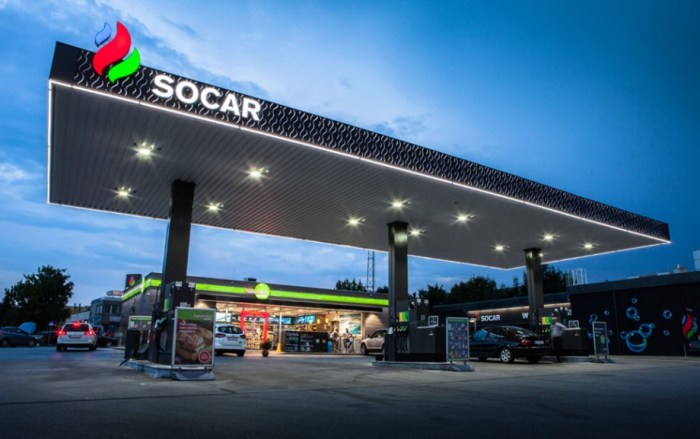
The interplay between Socar, Gunvor, Bin Butti, and Italiana Petroli, coupled with global market fluctuations, presents a complex web of potential outcomes. Understanding these scenarios is crucial for assessing the likely impact on market share and profitability for each player. This section delves into various possible trajectories, factoring in the dynamics already discussed, to paint a comprehensive picture of the future landscape.
Market Dominance Scenarios
The proposed refinery deal could significantly shift the market balance. Factors like production capacity, refining efficiency, and access to raw materials will influence the outcome. Stronger players might leverage the merger to increase their market share, while others might struggle to maintain their positions. The competitive landscape will be redefined, with winners and losers emerging.
- Scenario 1: Enhanced Market Leadership for Socar and Italiana Petroli. Socar, with its existing infrastructure and potential for rapid expansion, combined with Italiana Petroli’s refining expertise, could establish a dominant position. Increased efficiency and volume could lead to a higher market share. This scenario hinges on the success of integrating operations and effectively navigating supply chain complexities. For example, successful integration of BP’s and Total’s refinery operations has demonstrated that large-scale mergers can create powerful market players.
- Scenario 2: Gunvor’s Strategic Pivot and Increased Market Share. Gunvor, renowned for its trading expertise, could leverage the deal to gain a stronger foothold in the refining sector. This might involve sourcing and distributing refined products more effectively. This scenario depends on Gunvor’s ability to secure reliable raw material supply and efficiently manage the new refining operation. Historical examples of traders successfully entering the refining sector exist, though each scenario must be assessed on its unique characteristics.
- Scenario 3: A Fragmented Market. The transaction might lead to a more fragmented market with no clear leader. Smaller players could exploit the new market conditions, potentially leading to more competitive pricing. This scenario depends on the inability of any single entity to secure a clear advantage through integration. The emergence of smaller, niche players is a typical characteristic of a highly competitive market.
Financial Implications of Potential Scenarios
The financial outcomes of each scenario will vary considerably based on the prevailing market conditions and the specific operational performance of the combined entities.
| Scenario | Positive Financial Impacts | Negative Financial Impacts |
|---|---|---|
| Scenario 1 | Increased market share, economies of scale, and potential for higher profit margins | High integration costs, potential operational inefficiencies, and potential for increased competition. |
| Scenario 2 | Stronger presence in the refining sector, potentially higher profit margins, and better access to refined products. | Higher financial risk due to the uncertainty in refining operations and potential for reduced profitability. |
| Scenario 3 | More competitive pricing and increased choice for consumers | Reduced profit margins for all players, potentially leading to decreased investments and innovation. |
Ending Remarks
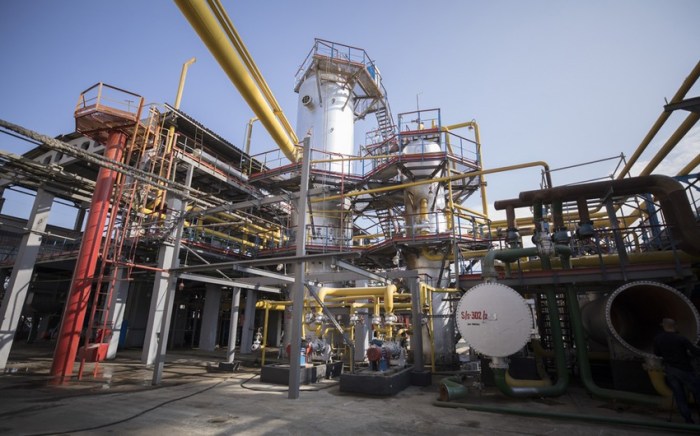
In conclusion, the potential deal between Socar, Gunvor, Bin Butti Bid, and Refineria Italiana Petroli presents a fascinating case study in global energy markets. While the details remain speculative, this analysis offers a comprehensive overview of the potential implications, risks, and opportunities. Further investigation into the specific financial and market dynamics will be crucial to fully understanding the long-term impact.