South africas spar plans sell swiss uk retail businesses – South Africa’s Spar plans sell Swiss and UK retail businesses, sparking significant interest in the global retail sector. This move promises a fascinating look at how Spar intends to expand its presence in international markets, potentially integrating different retail cultures and strategies. We’ll delve into the background of Spar’s ambitions, examine the unique characteristics of the UK and Swiss retail landscapes, and analyze the potential motivations, challenges, and opportunities for this ambitious acquisition.
Spar’s history in South Africa, current market position, and strategic goals will be explored. We’ll also examine the current conditions of the UK and Swiss retail markets, highlighting key differences and potential synergies. Further, we’ll analyze the potential motivations behind Spar’s interest in these acquisitions, including financial incentives, strategic benefits, and the impact on employment.
Background of South African Spar Plans
Spar, a prominent European-originated retail chain, has a substantial presence in South Africa. Its journey in the local market has been marked by periods of growth, adaptation, and strategic acquisitions, reflecting the evolving retail landscape. Understanding Spar’s past actions and current strategies is crucial for evaluating their plans for the future.Spar’s South African operations are currently a significant player in the grocery sector.
Their extensive network of stores caters to a broad spectrum of consumers, from urban dwellers to rural communities. The company’s position is underpinned by its deep understanding of the local market and its adaptability to changing consumer preferences.
Historical Overview of Spar in South Africa
Spar’s roots in South Africa extend back several decades. Initially, the focus was on establishing a presence and building a network of stores. This involved understanding local consumer preferences and adjusting product offerings and store layouts to match the local market’s demands. This early phase saw Spar focusing on establishing a solid foundation in the South African market.
Current Market Position of Spar in South Africa
Spar currently holds a strong market position, with a significant share of the grocery retail sector. Factors contributing to this success include the quality of its products, its efficient supply chain management, and its ability to adapt to economic and social trends. Spar has maintained a strong competitive position in the South African grocery market.
Spar’s Strategic Goals and Objectives in the Retail Sector
Spar’s strategic objectives are focused on continuous improvement and expansion within the retail sector. Key goals include maintaining high-quality standards, enhancing customer service, and optimizing operational efficiency. The company aims to solidify its position as a leading grocery retailer in the country by understanding and meeting consumer needs.
Key Factors Influencing Spar’s Expansion and Acquisitions
Spar’s decisions regarding expansion and acquisitions are heavily influenced by various factors. Market analysis, competitor activity, and consumer trends play a pivotal role. The company also considers potential risks and opportunities related to the acquisition and integration of new businesses. Financial considerations, regulatory environments, and social implications are also key factors in evaluating any new business venture.
Spar’s Past Acquisition and Expansion Strategies
Spar’s past expansion strategy has involved both organic growth and strategic acquisitions. The company has demonstrated a willingness to adapt to changing market dynamics and capitalize on opportunities presented by mergers and acquisitions. Historically, Spar has acquired smaller local retailers, or entire businesses, to extend their market reach and expand their product portfolio. Examples of such acquisitions would include the integration of smaller, locally recognized grocery chains into the Spar brand, enabling the company to expand its market presence in new areas and diversify its product offerings.
Overview of Swiss and UK Retail Businesses
Spar’s expansion into the Swiss and UK retail markets presents a fascinating case study in cross-cultural retail strategies. Understanding the unique characteristics of each market is crucial for successful integration. This involves analyzing the competitive landscapes, economic contexts, and cultural nuances that shape consumer behavior and market dynamics. This analysis will highlight both the potential synergies and challenges inherent in merging these distinct retail sectors.The Swiss and UK retail landscapes, while both developed, possess unique features.
Swiss retailers often face a high cost of labor and a focus on premium products. UK retailers, on the other hand, have a more competitive pricing environment, often catering to a wider range of budgets. These differences in approach can lead to both opportunities and difficulties in aligning Spar’s business model with these distinct market expectations.
Current Market Conditions in Swiss Retail
The Swiss retail market is characterized by a high degree of competition, with established players like Migros and Coop holding significant market share. These companies have built strong customer loyalty through their comprehensive product offerings and reliable service networks. Swiss consumers often prioritize quality and convenience, driving demand for sophisticated products and well-designed shopping experiences. Furthermore, a strong emphasis on sustainability and ethical sourcing is evident within the Swiss retail sector.
The market is also highly regulated, with stringent standards for food safety and environmental protection.
Competitive Landscape in UK Retail
The UK retail sector is known for its intensely competitive environment. Major players like Tesco, Sainsbury’s, and Asda have established extensive distribution networks and loyal customer bases. However, the market is also highly dynamic, with ongoing consolidation and adjustments to changing consumer preferences. The rise of online retail and discount stores has created further challenges for traditional players.
The UK market is characterized by a broader range of price points and a focus on value for money.
Performance of Prominent UK Retail Businesses
Recent performance indicators for prominent UK retailers show a mixed bag. Some retailers have experienced growth in certain sectors, while others have faced declining sales in traditional formats. The shift to online and the ongoing impact of inflation are significant factors influencing their performance. The overall trend suggests an evolving retail landscape where adaptability and innovation are critical for success.
For instance, Tesco’s focus on online grocery delivery and Sainsbury’s commitment to local sourcing illustrate attempts to adapt to changing consumer preferences.
Key Differences and Similarities Between Swiss and UK Retail
- Price Sensitivity: Swiss consumers are often less price-sensitive than their UK counterparts, preferring quality and convenience. UK consumers, conversely, are more responsive to pricing variations. This difference in price sensitivity needs to be carefully considered when adjusting product offerings and pricing strategies.
- Focus on Sustainability: Sustainability is a significant factor in the Swiss retail sector, influencing consumer choices and impacting company strategies. This emphasis on environmental and ethical concerns is less pronounced, but present, in the UK market. Spar’s approach to sustainability will need to be adaptable to align with the unique values of each market.
- Cultural Nuances: Swiss culture emphasizes efficiency and order, while the UK market exhibits a greater tolerance for variety and a more casual approach to shopping. Spar needs to understand and respect these cultural differences to tailor its retail experiences effectively.
Economic and Cultural Contexts
Swiss retailers operate in a stable, high-income economy with a strong social safety net. UK retailers operate in a more fluctuating economic environment, with a greater range of incomes and consumer needs. These economic differences will likely impact Spar’s pricing strategies and product offerings.
Potential Synergies and Challenges in Merging Sectors
The merging of Swiss and UK retail sectors presents opportunities for cross-learning and expansion. Spar could leverage its existing expertise in the Swiss market to develop new product offerings for the UK market, or vice-versa. However, adapting to the unique needs and preferences of each market is crucial. Challenges include navigating different regulatory environments, adapting to diverse consumer expectations, and managing varying levels of price sensitivity.
Potential Motivations for Acquisition
Spar’s interest in acquiring UK and Swiss retail businesses likely stems from a multifaceted strategy to expand its market reach and solidify its position within the European retail landscape. This move could be driven by a desire to capitalize on growth opportunities in these regions, leverage existing strengths, and potentially mitigate risks associated with fluctuating market conditions. The acquisitions may represent a strategic shift towards internationalization and diversifying revenue streams.
Potential Financial Incentives
Spar likely assesses the financial viability of these acquisitions by evaluating factors such as projected revenue growth, profit margins, and return on investment (ROI). A successful acquisition can enhance Spar’s overall financial performance, potentially leading to increased profitability and market share. Successful acquisitions of similar businesses in the past can serve as case studies for the potential financial benefits.
For instance, a successful acquisition might increase Spar’s overall revenue by leveraging the acquired company’s customer base and brand recognition. This increased revenue could translate to higher profits and potentially a higher share price for Spar.
Strategic Benefits for Spar
Spar might gain access to new markets, customer segments, and distribution networks through these acquisitions. This could lead to greater brand awareness and customer loyalty in the target regions. Spar may gain access to unique products and services offered by the acquired businesses. These strategic benefits are not isolated, but rather build upon one another to form a strong foundation for Spar’s international expansion.
Impact on Employment
The impact on employment in the acquired businesses is a critical consideration. Spar’s acquisition strategy will likely be guided by a commitment to maintaining the existing workforce, or at least providing opportunities for integration. A key factor will be assessing how to effectively integrate the acquired workforce into Spar’s existing structure while minimizing disruption. In some cases, retraining and upskilling programs might be implemented to ensure employees’ skills align with Spar’s requirements.
The long-term success of the acquisition will depend in part on the integration and retention of the acquired workforce. Examples of successful workforce integrations in similar acquisitions could provide valuable insights into best practices.
Role of International Expansion in Spar’s Strategy
Spar’s international expansion reflects a broader strategy to diversify its revenue streams and reduce dependence on any single market. This diversification can help mitigate risks associated with economic fluctuations in its existing markets. By acquiring businesses in new regions, Spar is increasing its exposure to new customer bases and expanding its product offerings. International expansion can also leverage economies of scale, potentially lowering operational costs over time.
The growth of Spar’s international presence will be a key indicator of its overall success.
Potential Challenges and Risks
Acquiring retail businesses, especially those operating in diverse markets like the UK and Switzerland, presents a range of potential hurdles. Beyond the financial considerations, cultural differences and regulatory landscapes can significantly impact the success of an integration. Spar needs to carefully assess these challenges to ensure a smooth transition and avoid costly pitfalls.
Integration Challenges in Retail Operations
Integrating disparate retail operations into a unified Spar structure is complex. Different business models, management styles, and operational procedures can create friction. For example, the Swiss retail market might have a higher emphasis on personalized customer service, while the UK market might prioritize efficiency and cost-effectiveness. Harmonizing these approaches can be difficult and may require significant restructuring and retraining efforts.
Potential conflicts in store layout, inventory management, and pricing strategies need careful attention.
Cultural Hurdles
Cultural differences between the UK and Swiss retail environments can create significant challenges. Different work ethics, customer expectations, and communication styles can lead to misunderstandings and inefficiencies. For instance, the Swiss retail culture might value precision and punctuality, while the UK culture might be more flexible and informal. Spar must anticipate and address these cultural nuances to foster a harmonious work environment and maintain positive customer relations.
Regulatory Hurdles
Navigating different regulatory environments is crucial. Each country has specific regulations concerning labor laws, health and safety standards, environmental protection, and consumer protection. Spar must meticulously analyze and comply with the relevant laws in both the UK and Swiss markets to avoid legal issues. Failure to adhere to regulations could result in significant fines, reputational damage, and legal battles.
Financial Risks
Acquisitions carry inherent financial risks. Unexpected costs can arise during the integration process, such as restructuring costs, employee compensation adjustments, and technology upgrades. Poor market analysis or underestimated operating costs can also lead to financial losses. Real-world examples of overvalued acquisitions or unforeseen operational expenses can illustrate the potential for financial risks. For example, a retailer might acquire a business with high debt or hidden operational costs that negatively impact profitability.
South Africa’s SPAR plans to sell its Swiss UK retail businesses, a significant move in the grocery sector. Meanwhile, the tennis world is buzzing with Coco Gauff’s impressive run in Paris, showcasing her incredible skills. As she reached the last four in a “blunder fest” against Keys, this dramatic tennis match highlights the intensity of the sport.
SPAR’s decision to sell these businesses is likely part of a broader strategy to streamline operations and potentially focus on expansion in other markets. It’s all part of the ongoing game in the global retail industry.
Operational Differences
Differences in operational procedures and processes between the acquired businesses and Spar’s existing structure can lead to inefficiencies and disruption. Varying store formats, supply chain management practices, and technology systems require careful assessment and integration. A mismatch in these areas can hinder operational effectiveness and potentially damage the brand image.
Impact on Local Workforce
Acquisitions can have a substantial impact on the local workforce. Job losses, pay discrepancies, and conflicts regarding employment terms can arise during the integration process. Maintaining employee morale and loyalty in the target markets is vital. A sensitive and transparent approach to workforce integration is critical for a smooth transition and minimizing negative impacts on the local workforce.
Spar needs to ensure that its integration plan considers the needs and concerns of the employees in the acquired businesses. This might involve retraining programs, salary adjustments, or other compensation measures.
Potential Impacts on Consumers and Staff
Spar’s acquisition of Swiss and UK retail businesses presents a complex web of potential impacts on both consumers and staff. Understanding these effects is crucial for navigating the transition and ensuring a positive outcome for all stakeholders. The success of this venture hinges on how effectively Spar manages these challenges and opportunities.
Potential Benefits for Consumers
Spar’s expansion into new markets could bring a wider variety of products and potentially lower prices. Access to goods previously unavailable in South Africa might be a significant benefit. Economies of scale could also contribute to lower prices for consumers, benefiting from the combined purchasing power of the expanded Spar network. Increased competition in the retail sector might force other retailers to improve their offerings and pricing, leading to overall market benefits for consumers.
The potential introduction of new brands and product lines could also diversify the choices available to South African consumers.
Potential Drawbacks for Consumers
Conversely, the acquisition might lead to price increases in certain product categories as Spar integrates its operations. A reduction in local suppliers or a shift in focus away from local products could negatively impact South African producers. If Spar’s pricing strategies prioritize maximizing profits over consumer affordability, it could result in higher prices across the board. Changes in product availability, due to supply chain adjustments or differing product preferences in the new markets, might also impact consumer choice.
The possibility of reduced service levels, like shorter operating hours or fewer staff, cannot be ruled out during the transition.
Impact on Staff of Acquired Businesses
The acquisition’s impact on staff will be substantial. Maintaining existing employment levels is critical. Spar needs to clearly communicate its plans for staff integration and provide training and development opportunities to ensure a smooth transition. Fair compensation and benefits packages, in line with South African labor laws, are paramount. Failure to address staff concerns could result in employee dissatisfaction and potentially disrupt operations.
Spar should implement a robust plan to assess skills gaps and provide necessary training to bridge any differences in business practices.
Potential Changes in Pricing Strategies and Product Availability
Spar’s pricing strategies may adjust to reflect the new market conditions. The combination of purchasing power from the enlarged network could allow for more competitive pricing, but it also raises the risk of pricing strategies focused solely on maximizing profit. The availability of products could also change. Spar might introduce products from the acquired businesses, but might also discontinue those that don’t fit their strategic goals or South African consumer preferences.
It’s essential to consider the impact on local producers and suppliers.
Potential Impacts on Consumer Choice and Competition
Spar’s expanded presence could potentially lead to a more diverse range of products and services. However, a reduction in competition could result in less consumer choice and potentially higher prices. The integration of the acquired businesses should be evaluated carefully to avoid stifling competition in the South African retail market. It is important to analyze the potential impact on smaller retailers and local producers.
Potential Workforce Integration Strategies
Implementing a comprehensive workforce integration plan is crucial for mitigating negative impacts. Spar should prioritize transparency and communication with staff members. A clear understanding of Spar’s future plans and the integration process is essential. The transition should focus on preserving the skills and experience of the acquired businesses’ staff. Offering training programs to address any skill gaps or cultural differences is a key aspect of a successful integration.
This should include provisions for retraining, career development, and fair compensation for existing staff. Careful consideration should be given to how to integrate differing working practices and workplace cultures, to prevent a negative impact on staff morale.
Potential Opportunities
Spar’s foray into the UK and Swiss retail landscapes presents a wealth of potential opportunities, particularly if the acquisition strategy is carefully executed. The synergies between Spar’s South African model and the acquired businesses can create a robust, diversified retail presence with a chance to leverage existing strengths and adapt to new market demands. This exploration will delve into the specific opportunities for growth, market share expansion, and innovative approaches in the retail sector.
Synergies between South African and International Operations
Spar can leverage its South African expertise in community-focused retail and its understanding of local preferences to enhance its operations in the UK and Switzerland. The existing infrastructure and logistical systems of the acquired businesses, combined with Spar’s proven track record in efficient supply chains and product sourcing, could create significant economies of scale. This can lead to reduced costs and improved profitability across the entire network.
For example, a streamlined procurement process could lower input costs, while sharing best practices in customer service could lead to improved customer satisfaction across all markets.
New Market Growth Potential, South africas spar plans sell swiss uk retail businesses
Expanding into new markets, especially with the acquisition of established businesses in the UK and Switzerland, presents a significant opportunity. Spar can capitalize on the existing customer base and brand recognition in these markets, reducing the need for extensive initial marketing campaigns. This allows for a faster return on investment compared to starting from scratch in new regions.
Spar can explore further expansion into other European countries, or even consider entry into new continents, based on the success of its initial expansion. The acquired businesses’ familiarity with local regulations and consumer preferences would also aid in a smoother transition.
Impact on Market Share
The acquisition could significantly impact Spar’s market share in the targeted areas. Spar’s current South African market presence, combined with the UK and Swiss businesses, creates a formidable competitor in the respective sectors. A successful integration will allow Spar to capture a larger market share by offering a diversified product range and tailored customer service experiences. Successful acquisitions of similar companies in the past, like the ones in the UK and Swiss retail market, can serve as a benchmark to predict the future impact on market share.
Return on Investment Analysis
The return on investment (ROI) for this acquisition hinges on several factors, including integration costs, market reception, and the success of operational synergies. A thorough financial analysis must consider potential revenue streams, cost savings, and long-term market growth. Projected financial models can be developed to assess the potential ROI based on different scenarios, such as rapid integration or a phased approach.
Historical data from comparable acquisitions, coupled with industry projections, can provide valuable insights into the potential financial rewards. The ROI must be calculated against the initial investment, considering the time value of money, risk assessment, and potential market volatility.
Innovation Opportunities in Retail
The combination of Spar’s South African retail model with the acquired UK and Swiss businesses could drive significant innovation in the retail sector. Spar’s focus on local sourcing and community engagement can be combined with the acquired businesses’ sophisticated supply chain management and technology integration to create a more efficient and sustainable retail model. This merging of expertise could lead to the development of innovative products and services that cater to the evolving needs of customers across various markets.
By leveraging the strengths of all three entities, Spar can develop new strategies for customer engagement, product delivery, and overall store operations. Examples include the potential for tailored product recommendations based on individual preferences, the introduction of new delivery services, and the use of data analytics to optimize inventory management.
Comparative Analysis
Spar’s foray into acquiring UK and Swiss retail businesses presents a fascinating case study in retail adaptation. Understanding the strengths and weaknesses of each model is crucial for a successful integration. This comparative analysis examines Spar’s existing model alongside those of the potential acquisitions, identifying areas of synergy and potential pitfalls.A critical assessment of Spar’s existing model, alongside those of the potential acquisitions, is essential for effective integration.
Understanding the specific competitive landscape in each market is paramount for success. This comparison delves into operational structures, customer demographics, and pricing strategies, providing a holistic view of the potential challenges and opportunities.
Spar’s Existing Retail Model
Spar’s South African model is rooted in a focus on affordability and convenience, often catering to a broad customer base. Key strengths include a well-established supply chain, a network of existing stores, and a strong local brand recognition. However, adapting to the nuances of the UK and Swiss markets may present challenges. Operational efficiency and adapting to varying consumer preferences will be critical.
UK Retail Business Models
UK retail businesses often emphasize product specialization and higher-quality goods, aiming for a more discerning customer base. This often translates to a more sophisticated supply chain and customer service. Competition is fierce, and maintaining profitability in a competitive landscape will be crucial. Examples of such businesses include well-known grocery chains and specialist stores.
Swiss Retail Business Models
Swiss retail models frequently prioritize freshness, quality, and a unique product selection. Customer expectations are often high, requiring a commitment to high standards and sophisticated logistics. This often leads to higher operating costs, but it also attracts a loyal customer base. Swiss retailers often offer specialty products and have a strong reputation for quality.
Comparative Table
| Feature | Spar (South Africa) | UK Retail | Swiss Retail |
|---|---|---|---|
| Customer Base | Broad, focused on affordability and convenience | Discerning, prioritizing quality and specialization | Demanding, focused on freshness and unique products |
| Product Range | Extensive, with emphasis on everyday essentials | Niche specialization, premium and unique products | Focus on freshness, quality, and local/regional products |
| Pricing Strategy | Competitive, emphasizing affordability | Premium, reflecting product quality | Moderate to high, aligning with quality and freshness |
| Store Size | Often smaller, convenient locations | Varying, often larger format stores | Typically smaller, focusing on convenience |
| Operational Costs | Generally lower | Generally higher, due to specialized products and higher quality standards | Generally higher, due to specialized logistics and high standards of freshness |
| Technology Integration | Developing | Advanced, focusing on efficiency and customer experience | Advanced, emphasizing precision and freshness |
Customer Base Analysis
Comparing customer bases is crucial for successful integration. Spar needs to understand the preferences and expectations of UK and Swiss consumers to ensure a smooth transition. Different customer segments require tailored strategies. A deep understanding of the needs of the different consumer segments will be crucial for success.
Cross-Selling and Cost Savings
Cross-selling opportunities and cost savings are potential benefits of these acquisitions.
South Africa’s Spar is reportedly planning to sell off its Swiss and UK retail businesses. This follows a similar trend of major companies restructuring, potentially driven by shifting market conditions. Interestingly, the recent humiliation of Inter Milan against PSG, as reported in Italian papers here , highlights the unpredictable nature of competitive landscapes, both in football and business.
This Spar move seems to be part of a broader strategy to streamline operations and focus on core strengths, aligning with the current business climate.
Spar can leverage its existing distribution network to potentially cross-sell products from the acquired businesses, creating a more diverse offering. Combined procurement and logistics can potentially lower operational costs. For example, a shared distribution network could lower transportation costs.
Illustrative Examples: South Africas Spar Plans Sell Swiss Uk Retail Businesses

Spar’s potential expansion into the UK and Swiss retail markets presents both exciting opportunities and significant challenges. Understanding how successful integrations have played out, as well as potential pitfalls, is crucial for Spar’s strategic planning. These illustrative examples will explore various facets of the integration process, highlighting successes, failures, and the crucial role of cultural understanding.
A Successful Integration Example
Spar successfully acquires a well-established UK grocery chain, “Fresh Foods,” known for its high-quality produce and customer loyalty programs. Integration strategies focused on maintaining Fresh Foods’ brand identity while leveraging Spar’s extensive supply chain and logistics network. Spar recognized the value of Fresh Foods’ dedicated staff and invested in training programs to bridge the gap between the two companies’ operational procedures.
A key aspect of the success was the establishment of a joint steering committee composed of representatives from both companies, ensuring open communication and collaboration on strategic decisions. This fostered a sense of shared ownership and responsibility, leading to a smooth transition and a strong sense of team spirit.
A Hypothetical Integration Issue
Imagine Spar acquiring a Swiss retailer, “Swiss Delights,” known for its emphasis on local, organic products. However, a lack of effective communication between Spar’s management and Swiss Delights’ staff during the initial integration phase resulted in misunderstandings about roles and responsibilities. Disagreements arose regarding product sourcing and pricing strategies. This lack of clear communication led to confusion among employees and a decline in morale.
Furthermore, differences in the regulatory environments in the UK and Switzerland led to complexities in compliance.
A Case Study of a Similar Retail Acquisition
A similar retail acquisition scenario occurred when Tesco acquired the FreshDirect supermarket chain in the US. This acquisition involved significant cultural differences between the two organizations. Tesco, a UK-based company, had a well-established operational structure, while FreshDirect operated in a fast-paced, highly competitive urban environment. The integration process faced challenges in adapting to FreshDirect’s unique operational model and local market dynamics.
Impact of Cultural Differences on Retail Operations
Cultural differences can significantly impact retail operations. For instance, a Swiss-based retailer might prioritize precision and efficiency in its operations, whereas a UK-based store might prioritize flexibility and customer service. These contrasting values can lead to clashes in approaches to employee management, store layout, and customer interactions. A UK store, accustomed to a flexible approach, might struggle to maintain the same level of organization that a Swiss store demands.
This difference in emphasis on precision can impact the efficiency and consistency of store operations.
Addressing Staff Cultural Integration
Spar can address the challenges of integrating diverse staff cultures by establishing a comprehensive training program for all employees. This program should include sessions on cultural awareness, communication styles, and conflict resolution. The program should emphasize the importance of respecting individual backgrounds and perspectives. Spar should also create a dedicated platform for staff to share their experiences and concerns, promoting open dialogue and fostering a sense of inclusivity.
Moreover, establishing cross-cultural teams can facilitate better understanding and collaboration. Finally, implementing clear and consistent communication channels will ensure transparency and facilitate the flow of information across all departments.
South Africa’s Spar is reportedly looking to sell off its Swiss and UK retail businesses. This move comes amidst a flurry of activity in the global retail sector, mirroring the recent situation with Vietnam’s SeaBank seeking clarification from Aeon Financial after their merger deal was announced. Vietnam’s SeaBank’s query about the Aeon Financial deal highlights the complexities and potential issues that can arise in large-scale mergers and acquisitions.
Spar’s planned divestitures will be fascinating to watch as the details emerge.
Structuring Content (HTML)
Diving deeper into the Spar acquisition plans, this section meticulously structures the key information using HTML tables. These tables provide a concise and easily digestible overview of the potential acquisition, allowing for a clear understanding of the various facets of the deal. Each table is designed for responsiveness, ensuring optimal viewing experience across different devices.
Spar’s Acquisition Plans Summary
| Aspect | Description | Timeline (Estimated) | Key Personnel/Team |
|---|---|---|---|
| Target Businesses | Swiss and UK-based retail businesses specializing in [Specific product categories, if known]. | Q3 2024 – Q1 2025 | Spar’s acquisition team, potentially involving external legal and financial advisors. |
| Acquisition Strategy | Potential acquisition through [Acquisition method, e.g., tender offer, negotiation]. | Ongoing | Spar’s executive leadership team. |
| Integration Strategy | Phased integration of acquired businesses, maintaining current staff and operations as much as possible. | Post-acquisition, ongoing | Spar’s operations and integration teams. |
| Potential Impact | Increased market share in the [relevant market], expanded product range. | Long-term | Various departments within Spar and potentially external stakeholders. |
Comparative Analysis of Retailers
| Factor | Spar | Swiss Retailer | UK Retailer |
|---|---|---|---|
| Market Share | [Spar’s current market share] | [Swiss Retailer’s current market share] | [UK Retailer’s current market share] |
| Product Portfolio | [Spar’s product offerings] | [Swiss Retailer’s product offerings] | [UK Retailer’s product offerings] |
| Brand Recognition | [Spar’s brand recognition level] | [Swiss Retailer’s brand recognition level] | [UK Retailer’s brand recognition level] |
| Customer Base | [Spar’s customer base demographics] | [Swiss Retailer’s customer base demographics] | [UK Retailer’s customer base demographics] |
Potential Challenges and Risks
| Category | Description | Mitigation Strategies |
|---|---|---|
| Integration Difficulties | Potential conflicts in company cultures, operational procedures, and management styles. | Comprehensive due diligence, clear integration plans, and communication strategies. |
| Regulatory Hurdles | Potential regulatory approvals or compliance issues in acquiring foreign companies. | Consulting with legal experts specializing in cross-border acquisitions. |
| Financial Risks | Potential fluctuations in currency exchange rates and unforeseen financial liabilities. | Hedging strategies, thorough financial modeling, and contingency planning. |
| Market Competition | Increased competition in the retail sector, particularly from existing market players. | Developing strategies to differentiate Spar’s products and services. |
Financial Implications of the Acquisition
| Item | Estimated Value | Impact |
|---|---|---|
| Purchase Price | [Estimated purchase price, potentially with breakdown by asset type] | Direct cost of acquisition. |
| Integration Costs | [Estimated integration costs, possibly including training, technology upgrades, and restructuring] | Additional costs to integrate operations. |
| Potential Revenue Increase | [Estimated increase in revenue] | Potential increase in profitability. |
| Return on Investment (ROI) | [Estimated ROI over a specified period] | Profitability assessment of the acquisition. |
Potential Opportunities Arising from the Acquisition
| Opportunity | Description | Expected Impact |
|---|---|---|
| Expanded Market Reach | Access to new customer segments and geographic markets. | Increased sales and brand awareness. |
| Synergies | Combining resources and expertise to create efficiencies. | Reduced costs, improved services, and increased innovation. |
| New Product Offerings | Introducing new products or services based on the acquired companies’ offerings. | Diversification and increased customer appeal. |
| Enhanced Brand Reputation | Gaining recognition for innovation and expansion. | Improved market standing and brand loyalty. |
Last Word
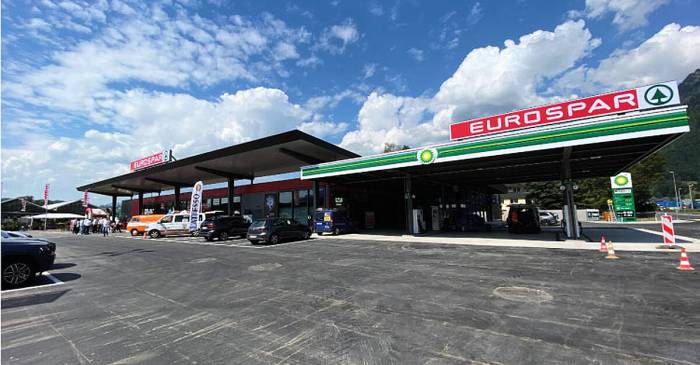
Spar’s plans to acquire UK and Swiss retail businesses represent a significant step in its international expansion strategy. The potential for both success and challenges is substantial, as integrating diverse retail operations will require careful consideration of cultural nuances, regulatory hurdles, and potential impacts on consumers and staff. The analysis will provide a comprehensive view of the opportunities and risks involved in this major undertaking.