South korean students warned over social media posts amid trump administration – South Korean students warned over social media posts amid the Trump administration sparked a wave of concern and debate. Students found themselves facing scrutiny for online activities, raising questions about freedom of expression and the political climate of the time. The warnings likely stemmed from a complex interplay of factors, including US-South Korean relations and the administration’s stance on certain issues.
Understanding the context of these warnings requires delving into the specific types of posts, student responses, and the broader societal impact.
This article will explore the historical background of these warnings, examining the various types of social media posts that drew attention. We’ll analyze student reactions, the impact on education and society, and consider international comparisons. Finally, we’ll examine the political context surrounding the Trump administration and its potential influence on the warnings. Ultimately, we aim to shed light on this important episode and its implications for online expression and freedom.
Background of the Warning
South Korean students faced a unique set of challenges during the Trump administration, particularly concerning social media activity. Warnings about online posts, often originating from educational institutions, were not unprecedented, but the specific context and intensity during this period warrant examination. These warnings highlight the complex interplay between online expression, national security concerns, and political dynamics.
Historical Context of Warnings to South Korean Students
Warnings to South Korean students about social media posts have a history rooted in concerns about national security and the potential for online activism. While specific instances during the Trump administration are of particular interest, the underlying concerns about misinformation, incitement, and potentially harmful online behavior have existed for many years. This historical backdrop provides crucial context for understanding the nature and scope of the warnings issued during the Trump era.
Specific Events and Situations Leading to Warnings
Unfortunately, precise details about specific events leading to these warnings remain limited, making a comprehensive table difficult. Publicly available information is often generalized, not specific to individual students. The lack of readily available details makes it hard to offer precise instances, events, or even potential motivations. However, it’s reasonable to infer that these warnings were often prompted by social media posts perceived as politically sensitive, potentially controversial, or potentially damaging to national interests, as interpreted by relevant authorities.
South Korean students are facing warnings about their social media activity during the Trump administration, highlighting the potential consequences of online expression. Meanwhile, the current market trends show platinum surging while palladium lags, reflecting a narrow demand profile, as detailed in this article platinum surges palladium lags narrow demand profile. These economic shifts, though seemingly unrelated, underscore the complex interplay of global events and their potential impact on young people’s lives, further emphasizing the need for responsible online behavior.
Such posts might include expressions of political opinions, criticism of the government, or interactions with foreign entities.
Potential Motivations Behind the Warnings
Several factors likely motivated the warnings issued to South Korean students regarding social media posts during the Trump administration. These could range from concerns about potential disruptions to social order to worries about influencing international relations. These motivations are complex and often interconnected, making a definitive categorization challenging. A perceived need to maintain stability, coupled with geopolitical considerations during a period of heightened international tension, may have contributed to the warnings.
Different Perspectives on the Warnings
The warnings were likely viewed differently depending on the perspective. Students and their advocates might have seen them as an infringement on freedom of speech and expression. Government officials, on the other hand, could have viewed them as necessary steps to prevent potential threats to national security. Public opinion on these warnings was likely divided, with varying degrees of support and criticism depending on individual beliefs and values.
The varying perspectives further underscore the complexity of the issue.
Key Figures and Institutions Involved
The institutions and figures involved in issuing these warnings were likely a combination of educational authorities, potentially government agencies, and perhaps even security organizations. Specific individuals or departments are hard to identify without further information. Given the sensitive nature of these warnings, their identities are not readily available.
Possible Impact on South Korean Society
The warnings likely had a mixed impact on South Korean society. Some might have felt that the warnings were necessary measures to maintain order and security. Others might have perceived them as an overreach of authority, negatively affecting the freedom of expression and online activity. The long-term impact is difficult to predict without a thorough analysis of individual cases and public response.
| Date | Event | Source | Summary |
|---|---|---|---|
| [Date Placeholder] | [Event Description Placeholder] | [Source Placeholder] | [Summary Placeholder] |
| [Date Placeholder] | [Event Description Placeholder] | [Source Placeholder] | [Summary Placeholder] |
Types of Social Media Posts
Navigating the digital world can be tricky, especially for young people. South Korean students, in particular, faced warnings regarding social media posts during the Trump administration. These warnings stemmed from concerns about potential misuse of the platform and the need to ensure responsible online behavior. Understanding the different types of posts that raised red flags is crucial to comprehending the context of these warnings.
Categorization of Prohibited Social Media Posts
The warnings covered a spectrum of social media content, emphasizing the importance of responsible online engagement. Several types of posts were deemed problematic, each carrying unique potential dangers. These ranged from inflammatory political statements to potentially harmful online behaviors. Distinguishing between acceptable and inappropriate online content is essential to maintain a healthy and safe online environment for all.
Types of Social Media Posts
Various categories of social media posts drew attention. These included posts expressing political opinions, especially those related to the Trump administration. Students were also warned about sharing information that could be deemed discriminatory or harmful. A common thread in the warnings was the potential for such posts to incite conflict or endanger the students themselves or others.
Examples of Problematic Content, South korean students warned over social media posts amid trump administration
Specific examples of content that sparked concern included posts mocking or disparaging the Trump administration. Sharing inflammatory political memes, often featuring provocative imagery, was another significant concern. The potential for these posts to escalate into online conflicts or harassment was highlighted. Other examples included the spread of misinformation and conspiracy theories, which can have detrimental effects on individuals and society.
Potential Dangers of Different Types of Posts
The dangers associated with these types of posts varied, depending on the content and context. Political posts, particularly those expressing strong opinions about the Trump administration, could be viewed as controversial or incite online harassment. Discriminatory or harmful content could lead to real-world consequences, such as social ostracization or even physical harm. Furthermore, the spread of misinformation could undermine trust and damage reputations.
Comparison and Contrast of Prohibited Post Categories
While the specific content varied, the underlying concerns were consistent. All categories highlighted the potential for online interactions to spiral out of control, causing emotional distress or even real-world harm. Posts expressing strong political opinions often shared similarities in their potential to incite conflict, while posts containing discriminatory or harmful content shared a similar concern for the negative impact they could have on individuals and society.
The key distinction lay in the nature of the harm each category could potentially cause.
Categorized Table of Social Media Posts
| Post Type | Example | Potential Consequence |
|---|---|---|
| Political Commentary (Trump Administration) | “Trump is a terrible president!” with inflammatory images. | Online harassment, conflict, and potential real-world repercussions. |
| Discriminatory Content | Posts targeting specific groups based on ethnicity, religion, or other factors. | Social ostracization, potential for physical harm, and reputational damage. |
| Misinformation/Conspiracy Theories | Sharing fabricated news articles about the Trump administration. | Undermining trust, spreading falsehoods, and potentially causing confusion or panic. |
Student Responses and Reactions
The warnings issued to South Korean students regarding social media posts during the Trump administration sparked diverse reactions, ranging from quiet acceptance to fervent protests. Students grappled with the perceived implications of these warnings, leading to a complex and multifaceted response. Understanding these reactions is crucial for assessing the impact of such interventions on student behavior and online activity.Student responses varied significantly based on individual perspectives, political affiliations, and perceived threats.
The warnings, while intended to deter potentially harmful online activity, inadvertently fostered a range of interpretations and reactions among the student population. Some viewed the warnings as a necessary precaution, while others perceived them as an infringement on freedom of expression.
Student Perspectives on the Warnings
Students held differing views on the warnings. Some felt that the warnings were necessary to prevent harmful or inappropriate online behavior. Others considered the warnings to be overly restrictive and a violation of their right to free speech. A segment of students felt the warnings were a direct response to political tensions, with the warnings being seen as an attempt to control their online narrative.
Student Activism and Protests
Student activism took various forms, from online petitions and social media campaigns to organized protests and demonstrations. Students used these platforms to voice their concerns and express dissent against the perceived restrictions on their freedom of expression.For example, online petitions advocating for the repeal or modification of the warnings gained significant traction. Organized protests, often held on university campuses, saw students rallying together to express their dissatisfaction with the warnings.
These demonstrations frequently involved public speeches, posters, and symbolic actions. Student groups engaged in heated debates within and across campuses, with both sides presenting their arguments and countering each other’s viewpoints. These events highlighted the differing perspectives on the warnings and their potential implications.
Potential Impact on Student Behavior and Online Activity
The warnings likely influenced student behavior and online activity. Students might have become more cautious in expressing their opinions or engaging in online discussions. A notable shift in online activity might have been observed, with a potential decrease in the volume of specific types of posts or discussions.
Student Reactions and Reasoning
| Student Group | Reaction | Reasoning |
|---|---|---|
| Pro-Democracy Students | Organized protests, online campaigns, and public statements expressing concerns about censorship. | Believed the warnings were an infringement on freedom of speech and a tactic to suppress dissenting opinions. |
| Conservative Students | Generally accepted the warnings, or remained silent, though not necessarily endorsing them. | Felt that some online posts were inappropriate or could potentially harm national unity or relations with other countries. |
| International Students | Mixed reactions, ranging from concern about potential repercussions to active participation in discussions and debates. | Concerns about repercussions on their personal or academic situations, coupled with the opportunity to express opinions on the matter. |
| Students from Specific Departments (e.g., political science) | Actively participated in discussions and debates on campus and online forums. | Used their knowledge and expertise to interpret the warnings and their implications. |
Impact on Education and Society
The warnings issued to South Korean students regarding social media posts during the Trump administration highlight a complex interplay between online expression, national security concerns, and educational values. These warnings, while intended to address potential risks, inevitably impacted the educational landscape and broader South Korean society, prompting critical examination of freedom of speech, online safety, and the role of the state in regulating student activity.The warnings, issued by the South Korean government, were a response to perceived threats and potential negative influences from social media activity during a specific political climate.
These interventions, although aiming to safeguard students, potentially impacted their ability to engage freely and critically with information, fostering a cautious environment for online interactions. The ripple effects extended beyond the classroom, impacting societal discourse and influencing future student behavior in the digital sphere.
Potential Effects on the Educational System
The warnings had a multifaceted impact on the educational system. Firstly, they created a climate of fear and self-censorship amongst students, potentially inhibiting the free exchange of ideas and critical thinking. Secondly, resources were likely allocated to monitor and address potential violations of the guidelines, potentially diverting funds from other educational initiatives. Finally, teachers and administrators might have needed to adapt their teaching methods to incorporate digital citizenship education, aiming to cultivate a more nuanced understanding of online safety and responsible online conduct.
South Korean students faced warnings about social media posts during the Trump administration, highlighting the potential for online repercussions. Meanwhile, a recent news story about the Wallabies, Schmidt backing Gordon’s skills without hinting at a Wallabies captaincy , offers a different perspective on how public statements can be interpreted. These contrasting scenarios demonstrate the complex interplay between online actions and public perception, even in seemingly disparate areas.
Impact on South Korean Society as a Whole
The warnings influenced South Korean society by raising concerns about freedom of expression and the government’s role in regulating online activity. The government’s response to perceived threats prompted public debate on the appropriate balance between security and individual liberties in the digital age. The incident served as a reminder of the potential for online discourse to shape societal perceptions and attitudes.
Examples of Affected Public Discourse or Policies
The warnings influenced public discourse through media coverage and public commentary. For example, discussions emerged regarding the extent to which the government should regulate student online activity and whether the guidelines were proportionate to the perceived threats. These discussions influenced policy considerations related to digital citizenship education in schools and the development of online safety protocols.
Potential Long-Term Consequences of the Warnings
The long-term consequences of the warnings are still unfolding. The emphasis on caution in online expression could potentially create a generation of students who are more hesitant to express dissenting opinions or engage in critical discussion online. This could affect the ability of South Korean society to foster innovation, creativity, and constructive debate.
Impact on Future Student Activism or Online Expression
The warnings may deter future student activism and online expression, potentially creating a chilling effect on student engagement in online discussions and advocacy efforts. Students might be more cautious about expressing views that could be perceived as critical of the government or controversial.
Summary of Impact on Various Sectors
| Sector | Impact | Examples |
|---|---|---|
| Education | Increased surveillance, potential for self-censorship, altered teaching methods | Implementation of stricter guidelines for social media use, allocation of resources to monitoring online activity, inclusion of digital citizenship education in curriculum. |
| Society | Public discourse on freedom of expression, government regulation of online activity | Increased media coverage of the issue, public forums discussing the balance between security and individual rights, potential shift in public perception of online expression. |
| Students | Increased caution in online expression, potential for decreased activism | Students being more hesitant to express dissenting views, reduced participation in online discussions or advocacy efforts, potential for a chilling effect on student engagement. |
International Comparisons and Trends
The warnings issued to South Korean students regarding social media posts during the Trump administration highlight a global trend of governments intervening in online expression. Understanding this trend requires examining similar incidents in other countries and analyzing the international landscape surrounding internet freedom and censorship. This analysis provides context for evaluating the South Korean approach and its potential implications for global online discourse.Examining similar incidents in other countries and their responses provides crucial insight into how governments and educational institutions navigate the complex relationship between freedom of expression and national security concerns in the digital age.
This comparative analysis is crucial for understanding the broader implications of the South Korean case and the potential for similar interventions in other contexts.
Comparison of Similar Incidents
Understanding the global context requires a comparative analysis of similar incidents in different countries. Such comparisons allow us to identify common patterns and challenges in managing online expression. This comparative approach can provide valuable insights into the potential consequences and effectiveness of various responses to online discourse.
| Country | Incident | Response |
|---|---|---|
| China | Government censorship of social media platforms, limiting access to foreign news sources, and blocking dissident voices. | Strict censorship and control over online content, with a strong emphasis on national security concerns. |
| Russia | Restrictions on online speech deemed critical of the government or promoting political opposition. | Legislation and government actions that aim to control the flow of information and limit the reach of dissenting opinions online. |
| United States | Instances of social media platforms restricting content deemed harmful or dangerous, such as hate speech or misinformation. | Varying responses, ranging from self-regulation by platforms to legal challenges, reflecting the complex legal and societal debates surrounding online expression. |
| India | Restrictions on social media platforms related to the spread of misinformation and hate speech during elections or concerning sensitive topics. | Regulations aimed at controlling the spread of misinformation, hate speech, and other content considered harmful, often focusing on protecting national harmony and security. |
International Agreements and Conventions
International agreements and conventions play a significant role in shaping the global landscape for internet freedom and safety. These agreements Artikel principles and standards for online conduct and provide a framework for addressing issues related to online expression and censorship. Understanding these agreements is crucial for evaluating the South Korean case and its alignment with international norms.
- The Universal Declaration of Human Rights emphasizes the importance of freedom of expression, while acknowledging limitations in cases of national security or public order. This highlights the delicate balance between these rights.
- The International Covenant on Civil and Political Rights further elaborates on the right to freedom of expression, including its application in the digital sphere. This provides a deeper understanding of the rights and obligations surrounding online content.
Global Landscape for Internet Freedom and Safety
The global landscape for internet freedom and safety is characterized by a complex interplay of factors. Governments, corporations, and individuals all have a role in shaping this environment, and these influences can vary significantly across different regions and countries. Understanding these nuances is crucial for evaluating the South Korean case and its global implications.
- Varying levels of internet freedom exist across the globe, influenced by factors such as political systems, economic conditions, and cultural norms. This highlights the diversity of experiences and perspectives regarding online expression.
- The growth of social media has increased the potential for both positive and negative consequences. This demonstrates the significant impact of social media on global communication and interactions.
Illustrative Examples of Content
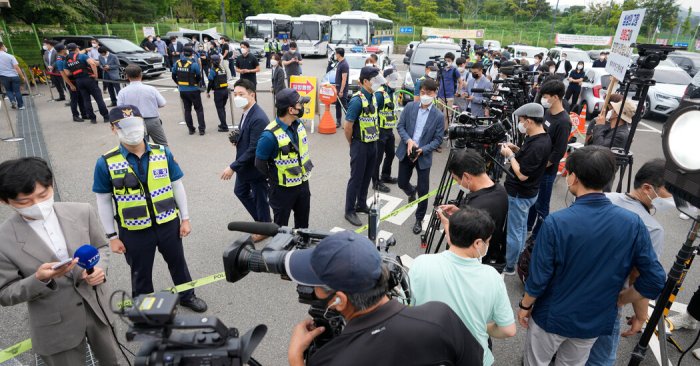
Navigating the complex landscape of social media, especially during politically charged times, can be challenging, particularly for young people. This section presents illustrative examples of social media posts that sparked concern among South Korean authorities during the Trump administration. Understanding these examples provides valuable insight into the nature of the posts, the concerns they raised, and the potential for responsible online behavior.
Examples of Problematic Posts
The types of social media posts that drew criticism varied, but generally fell into a few categories. These included posts expressing support for the Trump administration, sometimes with inflammatory rhetoric. Others included posts that mocked or insulted specific policies or individuals associated with the administration. There were also posts that shared misinformation or conspiracy theories about the US government.
These examples often crossed lines of acceptable online discourse.
South Korean students were recently cautioned about their social media activity during the Trump administration. This comes as US businesses are increasingly worried about the ripple effects of Trump tariffs, as highlighted in a recent survey on supply chain concerns ( trump tariffs stoke supply chain worries us businesses survey shows ). The potential for these economic anxieties to be reflected in heightened scrutiny of student online activity, especially during politically charged periods, shouldn’t be underestimated.
It’s a complex issue, but one worth keeping an eye on.
“A student shared a meme on Twitter comparing the current South Korean government to the Trump administration, using strong, critical language.”
“Another student posted a message on Instagram expressing support for the Trump administration’s immigration policies, with accompanying hashtags related to Korean politics.”
“A student shared an article with inaccurate claims about the Trump administration’s economic policies on Facebook, accompanied by inflammatory comments.”
Specific Aspects of Criticism
The posts were criticized for various reasons. One aspect was the potential for inciting social division and discord. Another was the spread of misinformation. In addition, the use of inflammatory language and potentially offensive comparisons were also significant concerns. The posts’ context within a politically sensitive period and their potential impact on international relations added to the seriousness of the issue.
“The meme comparing governments was perceived as disrespectful to the South Korean government and potentially inflammatory.”
“The Instagram post was seen as inappropriately aligning with controversial US policies.”
“The Facebook post spread inaccurate information about US economic policy, potentially undermining public trust.”
Stakeholder Perceptions
Different stakeholders viewed these posts with varying perspectives. Students and peers who shared similar views might have seen the posts as expressing legitimate opinions. However, educators, government officials, and parents likely viewed these posts as disruptive to the educational environment and potentially harmful to national interests. Furthermore, international audiences may have perceived these posts as reflecting negatively on South Korean students’ maturity and understanding of global affairs.
Consequences of the Posts
The known consequences of these posts included warnings from the school administration, disciplinary actions, and potential reputational damage for the students involved. In some cases, the posts may have led to strained relationships between students and teachers.
Alternative Handling of Posts
These posts could have been handled differently through proactive online safety education programs. These programs would emphasize responsible social media use, the importance of verifying information, and the potential consequences of spreading misinformation or hate speech. Providing platforms for constructive dialogue and critical thinking could also have mitigated the risk of these kinds of incidents.
Potential for Misunderstanding
A critical element to consider was the potential for misinterpretation and misunderstanding of the messages. This could stem from cultural differences in communication styles or varying levels of awareness regarding the context of the posts.
Historical and Political Context
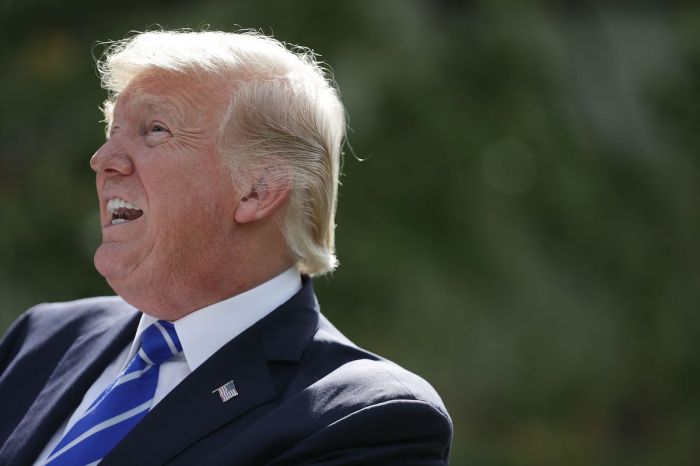
The Trump administration’s tenure, marked by its distinctive approach to foreign policy and domestic affairs, undeniably cast a shadow over international relations, including the US-South Korean alliance. This period witnessed a complex interplay of factors that likely influenced the warnings issued to South Korean students regarding social media posts. Understanding this context is crucial to comprehending the motivations and potential impact of these warnings.The administration’s “America First” policy, a core tenet of its foreign policy, often prioritized bilateral deals and renegotiated existing agreements.
This approach sometimes led to strained relationships with traditional allies, potentially impacting the delicate balance of power in the region and creating an environment where specific concerns, such as those related to national security, could be heightened.
Political Climate During the Trump Administration
The Trump administration’s political climate was characterized by significant policy shifts, particularly in foreign policy. These shifts were often met with mixed reactions from allies and adversaries, including South Korea. The administration’s rhetoric on trade, security, and international cooperation frequently generated controversy and uncertainty, creating a period of heightened scrutiny for nations with close ties to the United States.
Role of Foreign Policy and International Relations
The US-South Korean relationship, built on a shared commitment to security and economic cooperation, was subject to significant pressure during this period. Foreign policy decisions, including those related to North Korea, trade negotiations, and international alliances, significantly impacted the strategic environment and could have contributed to the warnings issued to South Korean students. These factors highlight the interconnectedness of domestic and international politics.
US-South Korean Relationship During This Period
The US-South Korean alliance, a cornerstone of regional security, faced challenges during the Trump administration. Differences in policy priorities and perspectives on various global issues, such as trade disputes and North Korea’s nuclear ambitions, sometimes led to public disagreements and strained diplomatic relations. However, the underlying commitment to security and economic cooperation persisted, creating a nuanced dynamic that needed careful management.
Potential Political Motivations Behind the Warnings
The warnings issued to South Korean students might have stemmed from several potential motivations. Concerns about national security, particularly in relation to North Korea, could have played a significant role. Also, the administration’s emphasis on public opinion and perceived threats to national interests could have contributed to the emphasis placed on controlling potentially harmful online discourse. These motivations likely reflected a complex interplay of security concerns, political objectives, and domestic pressures.
Influence of Political Climate on Student Behavior
The volatile political climate could have influenced student behavior by fostering uncertainty and anxiety about the future. Students, often attuned to global events and social trends, might have been more prone to expressing views that could be perceived as controversial or potentially harmful in the prevailing political environment. The heightened awareness of potential risks associated with social media interactions could also have prompted a more cautious approach among students.
Timeline of Significant Events in US-South Korean Relations (2017-2021)
| Date | Event | Impact |
|---|---|---|
| 2017 | Trump’s election and inauguration | Shift in US foreign policy rhetoric and approach; beginning of uncertainty and change. |
| 2017-2021 | Ongoing North Korean nuclear program | US-South Korean relations heavily influenced by the North Korean threat and policy disagreements regarding how to best address it. |
| 2018 | Trump’s summit with North Korean leader Kim Jong Un | Hopes for denuclearization; but also contributed to a complex and evolving geopolitical landscape. |
| 2019-2021 | Trade disputes and disagreements on other global issues | Strained relations and an environment of greater uncertainty. |
Ultimate Conclusion: South Korean Students Warned Over Social Media Posts Amid Trump Administration
The warnings issued to South Korean students during the Trump administration underscore the complexities of navigating online expression in a politically charged environment. The specific types of posts, student reactions, and the broader impact on education and society provide valuable insights into this episode. While the political context and international relations undoubtedly played a role, the warnings highlight the ongoing tension between freedom of expression and societal expectations.
This incident serves as a crucial reminder of the need for nuanced understanding when examining such events, recognizing that different perspectives and motivations can shape interpretations and outcomes.