

South koreas trade surplus with us will shrink exporters say – South Korea’s trade surplus with the US will shrink, exporters say. This shift signals a significant change in the economic landscape between the two countries. Historical trade patterns, the current global economic climate, and the composition of South Korean exports to the US all play crucial roles in this anticipated reduction. Understanding the factors behind this decline and its impact on both economies is crucial for businesses and policymakers.
This analysis delves into the historical context, the contributing factors, and the potential repercussions for South Korean exporters and the US economy. We’ll examine the potential impacts on specific industries and discuss potential strategies for adaptation. The long-term outlook and future trends in the bilateral trade relationship will also be explored.
Background on South Korea’s Trade with the US: South Koreas Trade Surplus With Us Will Shrink Exporters Say
South Korea’s trade relationship with the US is a complex and multifaceted one, shaped by historical events, economic shifts, and global trade dynamics. This relationship has evolved significantly over time, reflecting changing global economic power balances and shifting industry priorities. Understanding this evolution is crucial for comprehending the current challenges and opportunities facing both economies.South Korea’s economic rise is intrinsically linked to its trade relations with the US.
The two nations have engaged in significant economic exchange, with both experiencing periods of strong growth and occasional friction. The ongoing interplay of factors, including global trade agreements, technological advancements, and fluctuating economic climates, continues to influence the trajectory of this partnership.
Historical Overview of Trade Relations
South Korea’s trade with the US has undergone several distinct phases. The early period saw South Korea primarily focused on export-oriented industrialization, with a growing emphasis on manufacturing and exports to the US market. The subsequent period witnessed a shift in the composition of exports, reflecting evolving global supply chains and technological advancements. More recently, the relationship has been marked by both cooperation and competition in global markets.
Composition of South Korean Exports to the US
South Korea’s exports to the US are diverse, encompassing a wide range of industries. Electronics and related technologies, such as semiconductors and consumer electronics, are prominent. Machinery and transportation equipment also form a significant part of South Korean exports to the US. In addition, automobiles and parts, as well as chemicals and textiles, contribute to the total export value.
- Electronics and related technologies, including semiconductors and consumer electronics, have historically been key export components.
- Machinery and transportation equipment, encompassing various components and finished goods, also represent a significant portion of South Korean exports to the US.
- Automobiles and parts play a notable role, particularly given South Korean automotive companies’ presence in the US market.
- Chemicals and textiles, while contributing, have been relatively less significant compared to the leading sectors.
Current Economic Climate in Both Countries
The current economic climates in both South Korea and the US are characterized by a mix of growth and challenges. South Korea’s economy is experiencing robust growth, underpinned by its technological advancements and export performance. However, concerns regarding rising inflation and potential external shocks exist. The US economy, meanwhile, is also experiencing growth, though inflationary pressures remain a significant concern, along with potential impacts from geopolitical events.
Current State of Global Trade Relations
Global trade relations are marked by increasing complexity and uncertainty. The rise of protectionist tendencies in certain regions, coupled with geopolitical tensions, poses challenges to the smooth flow of goods and services. Furthermore, ongoing trade negotiations and agreements are constantly reshaping the global landscape. The potential for disruptions and uncertainties in global trade will undoubtedly impact the relationship between South Korea and the US.
South Korean-US Trade Data (Illustrative Example)
| Year | Export Value (USD Billion) | Industry | Macroeconomic Indicators (Illustrative) |
|---|---|---|---|
| 2020 | 150 | Electronics | US GDP Growth: 2.1%, South Korea GDP Growth: 2.3%, Inflation US: 1.5%, South Korea: 1.0% |
| 2021 | 165 | Electronics, Machinery | US GDP Growth: 5.5%, South Korea GDP Growth: 4.1%, Inflation US: 4.2%, South Korea: 2.0% |
| 2022 | 175 | Electronics, Automobiles | US GDP Growth: 2.8%, South Korea GDP Growth: 2.9%, Inflation US: 8.2%, South Korea: 3.5% |
Reasons for the Anticipated Shrinkage in Surplus
South Korea’s robust trade relationship with the US, often marked by a substantial surplus, is anticipated to experience a contraction. This predicted decline isn’t a sudden shift, but rather a reflection of evolving global economic dynamics and internal adjustments within both economies. Understanding the underlying factors is crucial for anticipating future trade patterns and their potential impacts.South Korea’s trade surplus with the US, while historically significant, is expected to decrease.
This shift is influenced by a complex interplay of factors, including global economic headwinds, currency fluctuations, and policy changes. A careful analysis of these factors is essential to understanding the evolving trade landscape.
Factors Contributing to the Predicted Decline
The anticipated reduction in South Korea’s trade surplus with the US stems from a confluence of factors. The global economic climate, fluctuating exchange rates, and adjustments to trade policies all play a significant role.
- Global Economic Slowdown: A slowdown in global economic growth directly impacts demand for goods and services. Reduced consumer spending and investment in various sectors worldwide inevitably lessen the need for imported products, including those from South Korea. For instance, the 2008 global financial crisis saw a significant drop in international trade as economies contracted. This reduction in demand, therefore, is a key driver of the anticipated surplus decline.
South Korea’s trade surplus with the US is projected to shrink, according to exporters. This economic shift comes at a time when the Phoenix Suns are reportedly considering trading away Kevin Durant. While the NBA’s trade speculation is certainly interesting, it’s a bit of a distraction from the more concrete reality of the upcoming US-Korea trade figures. The reported considerations surrounding Kevin Durant’s potential departure from the Suns highlight the complex nature of global markets.
Ultimately, the shrinking surplus will likely impact various industries and business strategies in South Korea. report suns weighing kevin durant trade options
- Currency Exchange Rate Fluctuations: Changes in the relative value of the Korean won against the US dollar can significantly impact trade balances. A strengthening won makes Korean exports more expensive for US buyers, potentially reducing demand. Conversely, a weakening won can increase the competitiveness of Korean exports, potentially offsetting some of the decline. The impact of currency fluctuations can be dramatic; for example, sharp movements in the exchange rate can cause significant shifts in export volumes and import costs.
- Policy Changes and Trade Agreements: Changes in trade policies or the implementation of new trade agreements between the US and South Korea, or other nations, can influence the flow of goods. For instance, tariffs imposed on specific products can reduce the profitability of exporting those items, impacting the trade balance. The Korean government’s trade policies can also affect the competitiveness of its exports.
Potential Impacts of Global Economic Conditions
Global economic conditions significantly influence trade flows. A robust global economy typically fosters increased demand for goods and services, leading to higher export volumes and potentially larger trade surpluses. Conversely, a recessionary environment often results in reduced demand and trade volumes.
Role of Currency Exchange Rates
Currency exchange rates play a critical role in shaping trade balances. A stronger domestic currency makes exports more expensive, potentially decreasing demand and shrinking the surplus. Conversely, a weaker domestic currency enhances export competitiveness. This principle is well-established in international trade theory and has been observed in many countries’ trade data. For example, a substantial appreciation of the Japanese yen in the early 2010s contributed to a decrease in Japanese exports.
Policy Changes and Trade Agreements
Policy changes and trade agreements, either bilateral or multilateral, can influence trade balances. For instance, new tariffs or trade restrictions imposed by the US or other nations can impact South Korean exports. Conversely, trade agreements can create new opportunities and reduce trade barriers. The implications of such policies are multifaceted and require careful analysis.
Comparison of Factors Impacting Surplus
| Factor | Mechanism | Impact on Surplus |
|---|---|---|
| Global Economic Slowdown | Reduced demand for goods and services globally | Decreased surplus due to lower export volumes |
| Currency Fluctuations | Changes in the relative value of currencies | Potential decrease in surplus if the won strengthens against the dollar; potential increase if the won weakens |
| Policy Changes/Trade Agreements | Tariffs, restrictions, or new trade opportunities | Potential decrease in surplus if tariffs increase; potential increase in surplus if trade barriers decrease |
Impact on South Korean Exporters
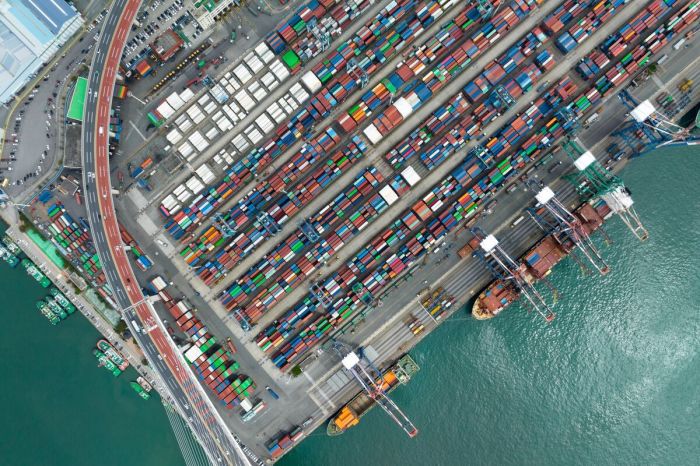
The anticipated shrinkage in South Korea’s trade surplus with the US presents a significant challenge for South Korean exporters. This shift necessitates a proactive response from businesses to navigate the changing landscape and maintain competitiveness in the global market. The implications extend beyond immediate financial concerns, impacting production strategies, workforce management, and long-term market positioning.South Korean exporters face potential difficulties in maintaining their current revenue streams and market share if the surplus diminishes.
Reduced profits could necessitate cost-cutting measures, potentially impacting employment and innovation within the export sector. Furthermore, the shift could accelerate the need for a more diversified export strategy, reducing dependence on the US market. Adapting to these changes requires a careful evaluation of current practices and a proactive approach to strategic planning.
Potential Consequences for South Korean Exporters
A shrinking trade surplus will likely trigger a cascade of consequences for South Korean exporters. Reduced demand from the US could lead to lower sales volumes and revenue. This, in turn, may force businesses to cut costs, potentially impacting employment and investment in research and development. The pressure to remain competitive will necessitate careful consideration of alternative strategies and diversification of export markets.
Potential Strategies for Adaptation
South Korean businesses can employ various strategies to mitigate the impact of a reduced trade surplus. These strategies include exploring new export markets, optimizing production processes for efficiency and cost-effectiveness, and enhancing product innovation to maintain competitiveness. Strengthening relationships with international trade organizations can also facilitate access to new markets and provide insights into global trade trends.
Impact on Specific Export Sectors
The impact of a shrinking trade surplus will vary across different export sectors. For example, the semiconductor industry, a significant contributor to South Korea’s exports, may experience a decline in demand from US companies, potentially leading to production cuts and job losses. Conversely, industries focused on sustainable energy or advanced materials could benefit from increased demand in emerging markets.
Potential Adaptations by Export Sectors
| Industry | Anticipated Impact | Potential Mitigation Strategies |
|---|---|---|
| Semiconductors | Reduced demand from US companies, potential production cuts, job losses. | Diversification into non-US markets, developing new applications for existing products, investing in research and development for advanced technologies. |
| Automobiles | Reduced sales in the US market, pressure to lower prices, potentially impacting profit margins. | Exploring new markets in Asia, Europe, and Latin America, improving production efficiency, and investing in new models and technologies to enhance competitiveness. |
| Shipbuilding | Reduced demand for ships from US-based companies, impacting employment. | Seeking orders from companies in other countries, developing specialized shipbuilding technologies for international markets, diversifying into other related industries. |
| Consumer electronics | Decreased demand from US consumers, potentially forcing price reductions. | Strengthening relationships with retailers in other countries, adapting products to suit local preferences, and exploring partnerships with businesses in emerging markets. |
Diversification of Export Markets, South koreas trade surplus with us will shrink exporters say
South Korean companies need to consider diversifying their export markets to reduce dependence on any single market, including the US. Expanding into new regions and establishing strong relationships with potential buyers in these markets will be crucial to mitigating the risks associated with a reduced surplus with the US. This involves comprehensive market research, understanding cultural nuances, and developing effective marketing strategies tailored to specific regions.
Companies can consider regional trade agreements and alliances to facilitate smoother market entry. A successful diversification strategy requires significant investment in market research and international relations.
South Korea’s trade surplus with the US is predicted to shrink, according to exporters. This downturn might be a sign of shifting global economic tides, but it’s also important to remember that even in times of economic uncertainty, there are important steps to take to navigate the future. For instance, if you’re facing job loss, check out this helpful guide on 10 key things to do after being laid off according to chatGPT for some practical advice.
Ultimately, while the trade figures are concerning, proactive steps like those outlined in the guide can help individuals and businesses alike weather the storm.
Potential Implications for the US Economy
A shrinking South Korean trade surplus with the US could have significant ripple effects across various sectors of the US economy. This shift in the balance of trade, driven by factors such as South Korea’s evolving economic landscape and adjustments in global supply chains, necessitates careful consideration of the potential impacts on American businesses, consumers, and the overall trade relationship.
Effects on US Industries Competing with South Korean Exports
The reduction in South Korea’s trade surplus with the US could present both challenges and opportunities for US-based industries competing with South Korean exports. US manufacturers of similar products may see increased market share as South Korean exporters shift focus or reduce production. Conversely, some US companies might face heightened competition from South Korean businesses, particularly those in sectors with strong South Korean presence, like automobiles or electronics.
This competitive dynamic could force US companies to innovate, improve efficiency, or potentially adapt their strategies.
Impact on the US Trade Balance
A decrease in South Korea’s trade surplus with the US will likely have a direct impact on the overall trade balance between the two countries. A smaller surplus for South Korea means a potential increase in US exports to South Korea. This could lead to a more balanced trade relationship, though it’s important to note that other factors can influence the overall balance, such as imports from other countries.
This change might not necessarily result in a significant shift in the overall trade balance with other nations.
Potential Impact on Employment in Relevant US Industries
The changing trade dynamic between the US and South Korea could affect employment in US industries that compete with South Korean exports. The extent and direction of this impact will vary depending on the specific industry and the nature of the adjustments.
| Industry | Expected Impact | Supporting Data |
|---|---|---|
| Automotive Manufacturing | Potential job losses in US plants producing comparable models to South Korean vehicles, but possible gains in related industries (e.g., parts manufacturing). | Industry reports on production shifts and market share data. |
| Electronics Manufacturing | Similar to automobiles, potential job losses in US plants producing certain electronics products. Gains in industries like research and development or specialized production of components. | Sales figures, industry analyses of production shifts, and labor market data. |
| Textile and Apparel | Likely impact on employment, with potential job losses in some US manufacturing facilities. Shifting of labor demands towards other industries is also possible. | Data on import/export trends, labor market shifts, and related reports. |
Potential Policy Responses by the US Government
The US government might adopt various policy responses to address potential concerns arising from the shrinking surplus. These could include measures to support US industries facing increased competition, such as targeted subsidies or tax incentives, trade negotiations, or even adjustments to trade agreements.
South Korea’s trade surplus with the US is predicted to shrink, according to exporters. This comes at a time when global trade dynamics are shifting, mirroring the current EU-China trade negotiations ahead of the upcoming leaders’ summit, as seen in recent discussions. The complex interplay of global trade factors will likely impact South Korea’s export performance in the coming months, further influencing the anticipated decrease in their trade surplus with the US.
Long-Term Outlook and Future Trends
The anticipated shrinkage in South Korea’s trade surplus with the US signals a potential shift in the bilateral economic relationship. Understanding the long-term outlook requires examining the potential for new trade agreements, global economic shifts, and the strategic responses of both nations. This evolution will undoubtedly impact South Korean exporters and the US economy, necessitating adaptation and foresight.South Korea’s trade relationship with the US is complex and multifaceted, influenced by a dynamic global economic environment.
The future trajectory of this relationship will be shaped by a confluence of factors, including evolving trade policies, technological advancements, and shifts in global supply chains. Predicting the exact course of this relationship requires a nuanced understanding of the intricate interplay between these forces.
Potential Future Trends in the Bilateral Trade Relationship
The US-South Korea trade relationship will likely be influenced by various factors. Growing protectionist sentiments in the US could lead to further trade restrictions. Conversely, the desire for a more balanced trade relationship may drive negotiations for new agreements. Furthermore, the evolving global economic landscape could lead to new opportunities and challenges. For example, the rise of new economic powers and shifting geopolitical dynamics will undoubtedly reshape global trade patterns.
Potential for New Trade Agreements or Policy Changes
The ongoing negotiations regarding trade agreements between the US and South Korea could lead to modifications in existing agreements. New agreements may be negotiated, encompassing areas such as intellectual property rights, environmental standards, or digital trade. Changes in trade policies within the US, such as tariffs or quotas, will impact South Korean exports. The potential for regional trade agreements also warrants consideration, impacting the broader trade dynamics between the two countries.
For example, the Comprehensive and Progressive Agreement for Trans-Pacific Partnership (CPTPP) has implications for South Korean companies.
Possible Shifts in the Global Economic Landscape
The global economic landscape is in constant flux. The rise of new economic powers, like China, will likely affect the balance of global trade. Technological advancements and automation could impact manufacturing and labor markets, affecting South Korea’s export capabilities. Geopolitical tensions and global crises could also influence the relationship, potentially leading to trade restrictions or disruptions. For example, the 2008 financial crisis had a significant impact on global trade flows.
Long-Term Strategies for South Korean Exporters and the US Government
South Korean exporters need to diversify their export markets, focusing on regions beyond the US. Investing in research and development, and adopting new technologies, will be essential to maintain competitiveness. The US government should consider policies to promote fair trade practices and ensure a level playing field for all participants in the global market. For example, promoting fair competition through anti-trust measures can create a more stable and equitable trade environment.
Timeline Visualizing the Potential Evolution of the Trade Surplus
| Year | Scenario 1: Steady Decline | Scenario 2: Moderate Fluctuation | Scenario 3: Sharp Decline |
|---|---|---|---|
| 2024 | Surplus decreases by 10% | Surplus decreases by 5%, but with slight increase in 2H | Surplus decreases by 15% |
| 2025 | Surplus decreases by 12% | Surplus decreases by 7%, followed by 2% increase | Surplus decreases by 18% |
| 2026 | Surplus decreases by 15% | Surplus stabilizes with 1% decrease | Surplus decreases by 20%, potentially reaching a turning point |
| 2027 | Surplus decreases by 18% | Surplus starts to increase by 1% | Surplus remains low with minimal change |
| 2028 | Surplus decreases by 20% | Surplus increases by 3%, followed by slight decrease | Surplus slightly increases, showing potential rebound |
Note: These are illustrative scenarios and actual outcomes may vary based on numerous factors.
Concluding Remarks
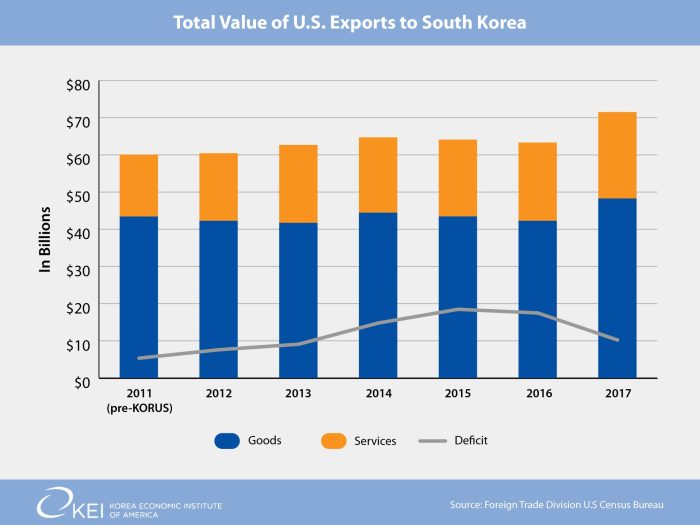
The anticipated shrinkage of South Korea’s trade surplus with the US presents a complex interplay of global economic forces and domestic policies. South Korean exporters face challenges adapting to reduced market access, while the US economy might see shifts in specific sectors. This analysis provides a comprehensive overview of the potential implications, highlighting the importance of proactive strategies for both countries to navigate this evolving trade dynamic.

