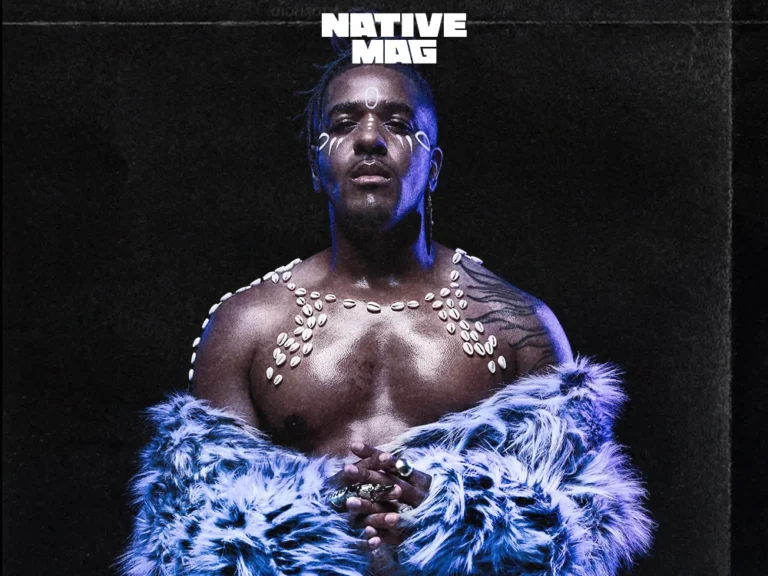
The 2025 Grammy Awards served as a watershed moment for the global music industry, signaling a decisive shift in how the recording academy perceives the intersection of orchestral arrangement and indigenous African rhythms. Among the victors was Matt B, the Chicago-born artist who, draped in a bespoke, gold-accented suit reminiscent of the legendary 14th-century Malian emperor Mansa Musa, ascended the stage to accept the trophy for Best Global Music Album. That night, the atmosphere in the Crypto.com Arena was thick with the tension of a competitive field that included Nigerian icons like Rema. Yet, as the industry’s highest honor was bestowed upon him, the win represented more than a career pinnacle; it was the catalyst for the most profound creative undertaking of his life: the completion of his ambitious musical trilogy, ALKEBULAN.
A Path Forged in Ancestry and Ambition
The genesis of the ALKEBULAN series was not a marketing strategy but a personal investigation. Following the initial success of his career, Matt B—born Matthew Benson—sought a deeper understanding of his identity. An AncestryDNA test, which revealed a significant Nigerian genetic lineage, served as the primary spark. This discovery prompted a collaboration with the genealogy firm to pinpoint his origins, eventually tracing his heritage to Owerri, a major hub in the Igbo-speaking region of Southeastern Nigeria.
This revelation fundamentally altered the trajectory of his artistry. While his earlier works had successfully blended the structural elegance of classical orchestration with the rhythmic vitality of contemporary Afrobeat, the final installment, ALKEBULAN III: The Water Remembers, required a more intimate connection to his newly uncovered roots. The transition from general African-inspired motifs to specific Igbo cultural markers required a rigorous, multi-layered production process.
The Technical Challenges of Cultural Integration
The production of ALKEBULAN III presented significant hurdles, primarily regarding linguistic authenticity. The Igbo language is famously tonal, making it notoriously difficult for non-native speakers to integrate into pop and orchestral arrangements without losing the meaning of the lyrics. Matt B, who did not grow up speaking the language, adopted a painstaking, collaborative methodology.
His workflow often involved writing initial melodies in English, which were then sent to translators and co-writers across the continent. In one instance, a melody composed in Los Angeles traveled through a Ugandan songwriter who layered it with Luganda lyrics, only for the entire composition to be translated again into Igbo. This recursive process ensured that while the sonic landscape remained global and genre-agnostic, the lyrical content maintained a high degree of fidelity to the culture he was seeking to honor.
Historical Resonance: The Philosophy of the Water
The title of the album, The Water Remembers, is derived from a conceptual exploration of the transatlantic slave trade. Matt B posits that the ocean, which served as the conduit for the displacement of millions, acts as a repository for ancestral memory. This theme is most poignantly articulated in the track "My Mother’s Song," a composition inspired by the historical account of a nine-year-old girl kidnapped in the 18th century. Despite her circumstances, she preserved a tribal melody, passing it through generations of her descendants until they were eventually able to trace their lineage back to a village in Sierra Leone.
This narrative of endurance informs the album’s structure. By utilizing violins and orchestral sweeps that mirror the technical complexity of a philharmonic, alongside the specific percussive patterns and vocal cadences of the Igbo people, Matt B creates a bridge between his upbringing in the urban, often challenging, environments of Englewood, Chicago, and the ancestral home he had never visited.
A Pilgrimage to Owerri
In the months leading up to the August 2026 release of the album, Matt B embarked on a physical journey to bridge the remaining gap between his career and his heritage. His trip began in Ghana, where he visited the Elmina Castle and the infamous "Door of No Return." For many in the African diaspora, this site represents the final point of departure before the Middle Passage. However, for Matt B, the experience was recontextualized as a point of arrival rather than departure.
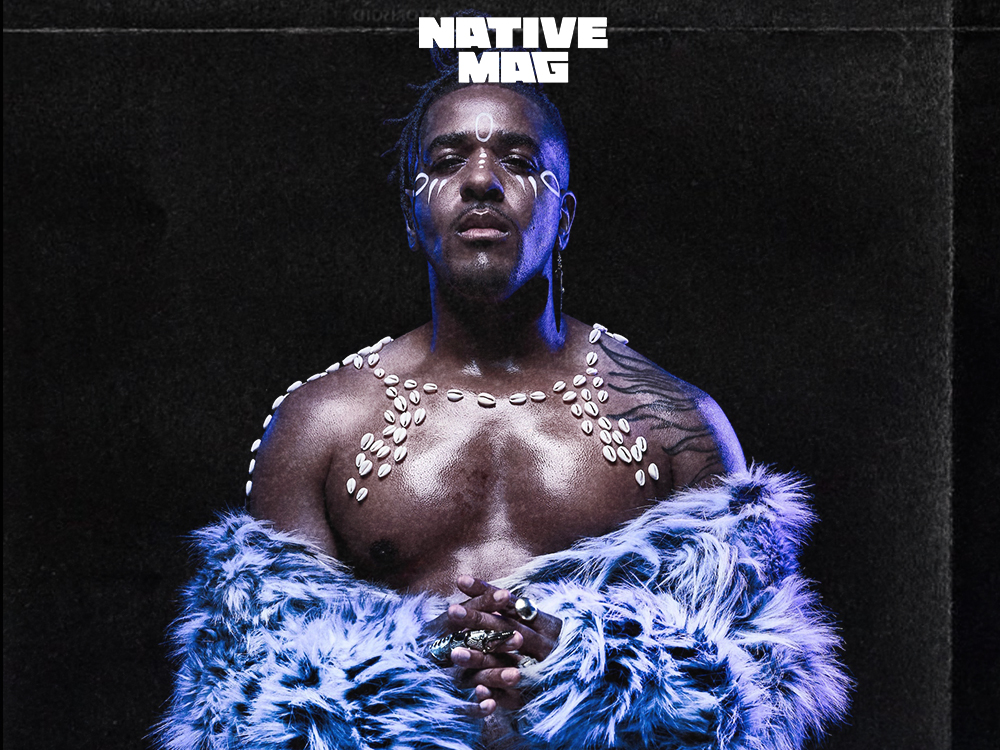
Upon reaching Owerri, the homecoming was marked by a formal, communal reception. In a ceremony reflecting the gravity of his return, he was conferred with two chieftaincy titles and the name "Ikechukwu," meaning "God’s Power." This recognition was not merely symbolic; it marked the formal reintegration of a descendant of the diaspora into the societal fabric of his ancestors. The presence of local drummers, traditional dancers, and a 12-gun salute underscored the cultural significance of his return, effectively closing a 400-year cycle of displacement.
Industry Implications and the Future of Global Music
The success of the ALKEBULAN trilogy provides a compelling case study for the evolving definition of "World Music." Historically, the genre was often treated by Western institutions as a monolithic category. However, the success of artists like Matt B, alongside Tems and Rema, suggests that the market is moving toward a more nuanced appreciation of regional identity.
Industry analysts note that the commercial viability of such projects relies on the artist’s ability to maintain high production values while resisting the dilution of cultural specificity. By leaning into his Igbo heritage, Matt B has effectively carved out a niche that satisfies both the demands of Western mainstream pop-classical audiences and the expectations of a discerning African listener base.
Furthermore, the "unshakeable confidence" he claims to have gained after his 2025 Grammy win has had measurable impacts on his creative output. In an era where artists are frequently subject to the whims of streaming algorithms and the pressure for constant social media engagement, Matt B’s pivot toward a deeply personal, historical, and technically demanding project suggests a move toward artistic autonomy.
A Legacy of Memory
As Matt B enters his late 30s, his work reflects a shift from the pursuit of external validation to the pursuit of legacy. The ALKEBULAN project serves as a testament to the fact that cultural identity is not merely inherited but actively constructed through research, travel, and artistic expression.
The album’s centerpiece, "Iri Ji," serves as an excellent illustration of this synthesis. While the track’s orchestral underpinnings are precise enough for a concert hall, its fluttering guitar melodies and melodic phrasing are distinctly Igbo, evoking the specific festive spirit of the New Yam Festival. It is this balance of the technical and the traditional that defines his current sound.
Looking Ahead
As of October 2026, the reception of ALKEBULAN III: The Water Remembers has been largely positive, with critics pointing to its thematic coherence as a standout feature. For Matt B, the project is a finished chapter in a much larger story. Having navigated the transition from a child in Chicago to an award-winning artist and a recognized chief in Nigeria, his focus has shifted toward the implications of this work for others in the diaspora.
He has frequently expressed the hope that his journey serves as a blueprint for other African Americans seeking to reconnect with their roots. His story, marked by both the trauma of history and the joy of discovery, highlights the power of art to facilitate reconnection. Whether through the technical precision of his orchestral arrangements or the raw, emotive storytelling of his lyrics, Matt B has successfully repositioned himself not just as a musician, but as a cultural archivist.
In the final assessment, the impact of his 2025 Grammy win was not just the trophy itself, but the platform it provided for him to tell a story that resonates far beyond the confines of the recording studio. By turning the "Water" of his album title into a metaphor for memory, he has created a project that ensures the history of his ancestors remains not just remembered, but heard.