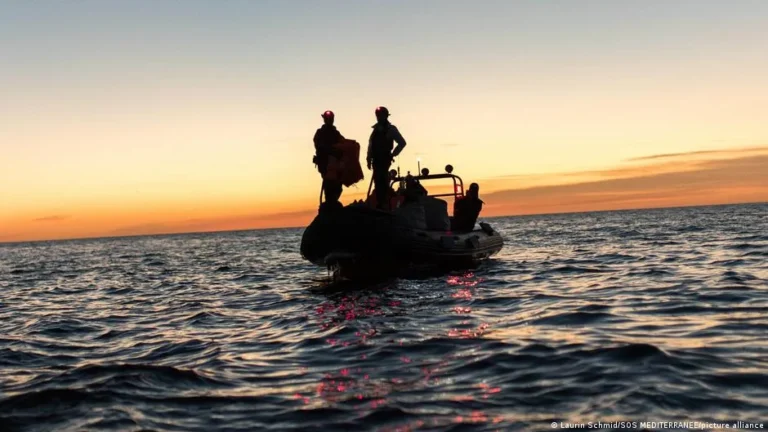
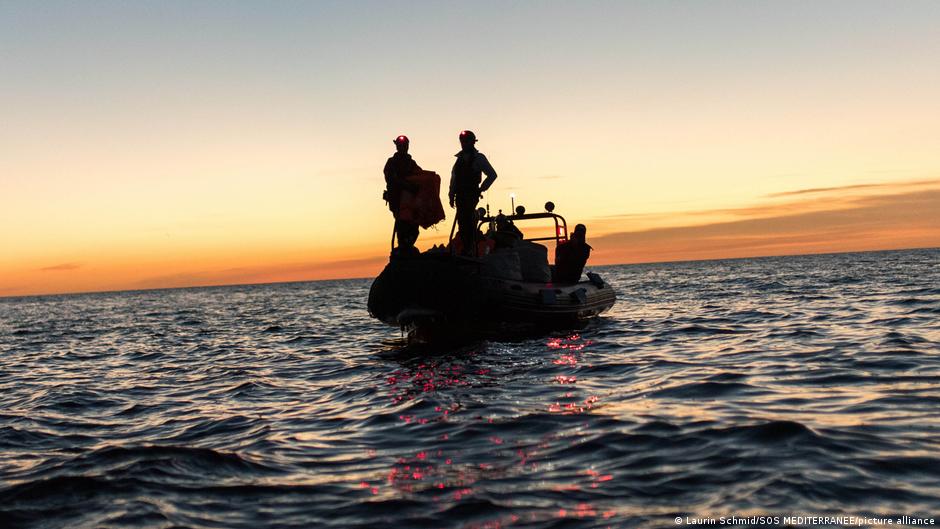
The surge of irregular migration from Libya to the Greek island of Crete has reached alarming new heights, with nearly 20,000 individuals attempting the perilous sea crossing since the beginning of this year. This shift marks a significant transformation in Mediterranean transit routes, as smuggling networks pivot away from traditional paths to Italy in favor of a corridor that connects the eastern Libyan coast directly to the Greek archipelago. The scale of this movement, characterized by high-volume arrivals and the involvement of sophisticated, multi-purpose criminal enterprises, presents a complex challenge that sits at the intersection of humanitarian crisis, regional conflict, and European foreign policy.
A Shifting Map of Migration
For years, the primary transit point for migrants departing North Africa was Western Libya, with boats aimed at the Italian island of Lampedusa. However, 2023 served as a watershed moment when eastern Libyan armed forces, led by Khalifa Haftar’s Libyan National Army (LNA), intensified crackdowns on smugglers operating in their territory. While these operations were framed as an effort to restore order, the result was a calculated pivot. Smuggling networks, resilient and adaptable, simply migrated their operations to the eastern port cities, most notably Tobruk.
The statistics from October highlight the intensity of this new route. On October 20 alone, Greek authorities recorded the arrival of 710 individuals across 14 separate vessels. The subsequent 48 hours saw these figures swell, straining the emergency response capabilities of local Greek authorities on Crete. For the migrants, many of whom have endured months of precarity in Libya, the journey—lasting roughly 36 hours—costs upwards of $4,000. These exorbitant fees are not merely for transport; they represent an entry into a highly developed "conflict economy" that sustains the current political status quo in Libya.
The Anatomy of the Conflict Economy
To understand why this smuggling route has become so entrenched, one must look at the nature of the Libyan state. Since the 2014 split between the UN-backed administration in Tripoli and the eastern government in Tobruk, the country has operated as a fragmented entity. In this environment, human trafficking is not an isolated crime but an integrated component of a broader illicit trade network.
Research from the Global Initiative Against Transnational Organized Crime suggests that the actors facilitating these crossings are often the same individuals who manage the flow of illicit fuel, narcotics, and arms. Because the infrastructure for movement—safe houses, transport logistics, and secure communication channels—is already established for one illicit commodity, adding human beings to the supply chain is a low-risk, high-reward expansion.
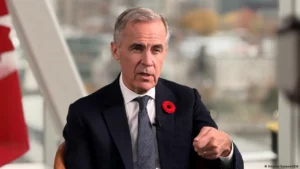
Hager Ali, a researcher at the German Institute for Global and Area Studies (GIGA), notes that this ecosystem thrives on instability. "The business model is agnostic to the cargo," Ali explains. "If there is a path to move goods, there is a path to move people." This reality complicates the efforts of international agencies, as those who provide security for the crossing often occupy positions of political or military influence.
Geopolitical Leverage and Regional Friction
The rise in migration is occurring against a backdrop of volatile maritime diplomacy. In October, the eastern Libyan administration entered into a maritime agreement with Turkey, a move that directly contradicts the interests of the Greek government. This agreement, which delineates maritime boundaries, is viewed by Athens as a violation of Greek sovereignty, particularly regarding the economic rights surrounding Crete and Rhodes.
While there is no explicit evidence that migrants are being used as direct bargaining chips by the Tobruk administration, experts caution that the potential for such leverage is inherent in the current climate. By demonstrating an ability to "turn the tap" on migration, regional actors can exert pressure on European nations that are desperate to keep arrival numbers low.
"The more apparent control one has over this market, the greater one’s political leverage," says Ali. By alternating between aggressive crackdowns and periods of apparent negligence, local power brokers can signal their strategic importance to the European Union. This places the EU in a difficult position: to stem the flow of migration, it must engage with the very actors who are accused of facilitating, or at least profiting from, the transit networks.
Humanitarian Vulnerability and the IOM Report
Beneath the high-level political maneuvering lies a humanitarian reality that remains largely unchanged. According to the International Organization for Migration (IOM), there are currently an estimated 950,000 migrants and refugees living within Libyan borders. The vast majority of these individuals exist in a state of legal limbo, lacking work permits, residency status, or access to basic healthcare.
This lack of legal standing forces migrants into the hands of the informal labor market and, eventually, the smugglers. The IOM’s recent data collection underscores the systemic exploitation inherent in this cycle. Many migrants report weeks, if not months, of abuse while waiting for their turn to board boats, as they are often held in facilities controlled by militias. The desperation to leave Libya is driven not only by the desire to reach Europe but by the existential threat posed by the conditions within the Libyan transit hubs.

The European Dilemma
The European Union’s response to this crisis has been marked by a reliance on partnerships with Libyan authorities, a strategy that has drawn criticism from humanitarian organizations and legal scholars alike. Andreas Dittmann, an expert on human geography at Giessen University, argues that this approach creates a self-defeating loop.
"The EU is effectively funding the very structures that perpetuate this instability," Dittmann stated. By providing financial and technical support to border control agencies in a country where those agencies are inextricably linked to militias, the EU is inadvertently bolstering the power of local warlords. These actors gain both the financial resources to maintain their influence and the political legitimacy that comes with being a "partner" to the European Union.
Looking Ahead: A Sustained Challenge
As 2024 progresses, the situation on Crete remains critical. The island’s infrastructure, designed for tourism and local commerce, is increasingly being diverted to manage the intake of hundreds of asylum seekers on a weekly basis. Without a cohesive, long-term solution that addresses the root causes of the migration—namely the instability in Libya and the lack of safe, legal pathways—the Mediterranean will continue to be a theater for this crisis.
The chronology of events suggests a pattern of displacement: as one route is closed, the industry innovates and moves to a more vulnerable point. The current focus on the Tobruk-to-Crete corridor is a reflection of this systemic elasticity. Unless international policy shifts from reactive, short-term border management to a proactive focus on the stabilization of Libya’s political and economic structures, the "conflict economy" will continue to thrive, and the human cost of the crossing will continue to mount.
For the European Union, the challenge is twofold: maintaining the integrity of its borders while upholding the humanitarian values it claims to represent. As the current numbers show, the cost of failing to bridge this gap is being paid in both political capital and human lives. The unfolding events on the shores of Crete are, therefore, not merely a migration issue, but a litmus test for the effectiveness of European Mediterranean policy in an era of deepening regional fragmentation.