Trumps trade war imperils spanish hatmakers business with us orthodox jews – Trump’s trade war imperils Spanish hatmakers’ business with US Orthodox Jews. This escalating conflict between the US and China has ripple effects, impacting not just major industries but also seemingly unrelated crafts. The traditional art of Spanish hatmaking, deeply intertwined with the cultural identity of the US Orthodox Jewish community, is now facing a critical challenge. The war’s effects are being felt in the supply chain, production costs, and ultimately, the availability and affordability of these treasured headpieces.
This piece delves into the complex web of interconnected issues, exploring the history of the trade war, the significance of these hats to the community, and the potential consequences for both industries.
The US-China trade war, initiated by President Trump, has profoundly affected various sectors, from manufacturing to agriculture. The war’s impact on Spanish hatmakers, particularly those supplying the US Orthodox Jewish community, illustrates the far-reaching consequences of such trade disputes. This essay examines the historical context of the trade war, the traditional practices of Spanish hatmaking, and the deep cultural significance of these hats for the Orthodox Jewish community.
Furthermore, it analyzes the specific challenges faced by Spanish hatmakers and suggests possible solutions to mitigate the negative impacts.
Background of the Trade War
The US-China trade war, a period of escalating trade tensions between the world’s two largest economies, significantly impacted global markets and international relations. It unfolded over several years, marked by a series of tariffs and retaliatory measures. Understanding the background requires examining the specific policies implemented, the motivations behind them, and the wider economic consequences.The trade war’s roots lay in perceived unfair trade practices by China, including intellectual property theft and forced technology transfer.
The US government argued that these practices created an uneven playing field, harming American businesses and jobs. This conflict also reflected broader geopolitical concerns about China’s growing economic and military influence.
Historical Overview of the US-China Trade War
The trade war’s escalation began in 2018 under the Trump administration. The US imposed tariffs on billions of dollars worth of Chinese goods, targeting various sectors such as technology, consumer goods, and agricultural products. China responded with retaliatory tariffs on American goods, leading to a cycle of escalating trade restrictions.
Economic Impact on Manufacturing, Trumps trade war imperils spanish hatmakers business with us orthodox jews
The trade war significantly impacted the US manufacturing sector. Companies faced increased costs due to tariffs, leading to reduced profitability and potential job losses. Supply chains were disrupted as businesses struggled to adapt to new trade policies. Some manufacturers shifted production to other countries to avoid tariffs, further impacting the American job market. Conversely, some American businesses saw opportunities to expand their market share within the US, although this was limited.
US Trade Policies During the Trade War
The US implemented various trade policies during the trade war. These included tariffs on specific Chinese goods, import quotas, and pressure on Chinese companies to comply with US trade demands. The US also sought to encourage allies to adopt similar trade policies toward China. The aim was to create pressure on China to change its trade practices.
Motivations Behind US Trade Policies
The US government’s motivations for implementing these policies were multifaceted. Concerns about unfair trade practices, intellectual property theft, and the need to protect American jobs were prominent factors. The administration also sought to counter China’s growing economic and political influence. The policies also aimed to renegotiate existing trade agreements and create a more favorable trading environment for American businesses.
Potential Consequences on the Global Economy
The trade war’s ripple effects extended far beyond the US and China. Global trade slowed, and the uncertainty created by the conflict negatively impacted businesses and investors worldwide. The war raised concerns about the stability of the global trading system and the potential for future trade disputes. The trade war also highlighted the interconnectedness of global economies and the potential for conflicts in one area to have significant consequences elsewhere.
Table of Significant Trade Actions
| Date of Action | Description of Action |
|---|---|
| 2018 | The US imposed tariffs on $50 billion worth of Chinese goods. |
| 2019 | Further tariffs were imposed on another $200 billion worth of Chinese goods. |
| 2020 | The US and China agreed to a “phase one” trade deal, which temporarily reduced trade tensions. |
| 2021 | The US continued to impose tariffs and exert pressure on China. |
Spanish Hatmakers’ Business
The intricate craft of Spanish hatmaking, a tradition steeped in history, faces an uncertain future in the face of global trade conflicts. This traditional artistry, once a cornerstone of Spanish economies, now confronts the complex web of international trade policies and the ripple effects of global supply chain disruptions. The delicate balance between tradition and modern market realities is tested as the industry navigates shifting consumer demands and economic headwinds.
Traditional Craft of Spanish Hatmaking
Spanish hatmaking is a time-honored tradition, passed down through generations. The meticulous process involves shaping and finishing the raw material, often using techniques developed over centuries. Each hat is a unique piece of art, reflecting the skill and dedication of the artisan. The craft requires specialized tools and techniques, and often involves using natural materials like straw, felt, or wool.
The intricate designs and craftsmanship are a testament to the dedication and artistry of the hatmakers.
Role of Spanish Hatmakers in the US Market
Spanish hatmakers have long played a significant role in the US market, supplying high-quality, handcrafted hats. These hats are often sought after for their distinctive styles and craftsmanship. The aesthetic appeal and unique designs of these hats have attracted consumers seeking unique and high-quality products. These hats are often incorporated into fashionable attire, contributing to their popularity.
History of Spanish Hat Exports to the US
Spanish hat exports to the US have a rich history, dating back to the early 20th century. The hats were highly sought after for their quality and unique designs. The early history of exports involved direct trade, and over time, evolved to involve intermediaries. The trade relationships developed over time played a significant role in shaping the global demand for Spanish hats.
Trump’s trade war is undeniably hurting Spanish hatmakers, particularly those with ties to US Orthodox Jewish communities. It’s a real shame, and it’s a reminder of how complex these economic ripple effects can be. Interestingly, this situation mirrors the debate around LIV Golf players’ ability to compete in major tournaments, as highlighted in leishman calls out claims that LIV players can’t win majors.
Ultimately, these seemingly disparate issues highlight the interconnectedness of global trade and economic pressures on various sectors, including the traditional craftsmanship of Spanish hatmakers.
Impact of the US-China Trade War on Spanish Hat Supply Chains
The US-China trade war has significantly affected the supply chain of materials for Spanish hatmaking. The trade war introduced tariffs and trade restrictions, leading to increased costs for materials sourced from China. This resulted in a direct impact on the Spanish hatmakers, affecting their production costs and potentially reducing their competitiveness in the market.
Potential Impact on the Workforce of Spanish Hatmakers
The trade war’s impact on the supply chain of materials for Spanish hatmaking has resulted in a potential reduction in the demand for their products. This decrease in demand could lead to reduced production and job losses for the workforce of Spanish hatmakers. These potential negative impacts can have long-term effects on the sustainability of the industry.
Types of Hats, Materials, and Production Costs
| Types of Hats | Materials Used | Approximate Production Costs (USD) |
|---|---|---|
| Panama Hats | Toquilla straw, often sourced from Ecuador | $50-$200 |
| Felt Hats | Wool, felt, and other fibers | $30-$150 |
| Straw Hats | Natural straw, often hand-woven | $20-$100 |
| Cowboy Hats | Felt, leather, or straw | $40-$180 |
Note: Production costs are approximate and can vary based on the complexity of design, craftsmanship, and material quality.
Orthodox Jewish Community’s Relationship with Spanish Hats
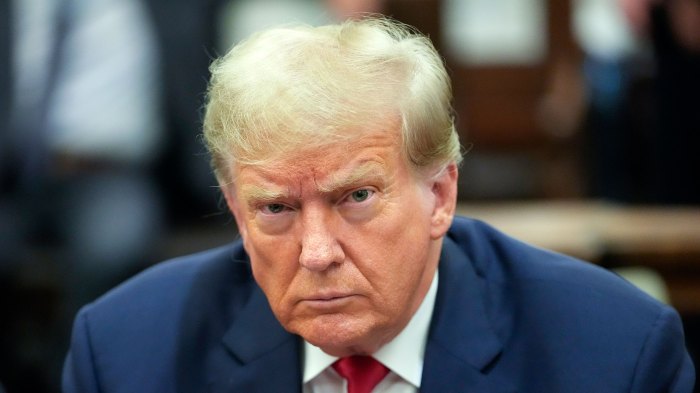
The intricate relationship between the Orthodox Jewish community and Spanish hats transcends mere fashion. It’s deeply rooted in tradition, religious practice, and a shared history, now threatened by the unexpected economic fallout of the trade war. This relationship is more than just a purchase; it’s a connection to heritage and a testament to the enduring power of cultural continuity.
Cultural Significance of Spanish Hats
Spanish hats, particularly those crafted with specific techniques and materials, hold significant cultural value within the Orthodox Jewish community. They are not simply headwear; they are often seen as a symbol of piety, respect, and adherence to tradition. The particular style and quality of these hats are often closely linked to the community’s heritage and values.
Traditional Use in Religious Practices
Traditionally, certain types of Spanish hats are worn during specific religious observances and ceremonies. The specific use varies depending on the particular denomination and community customs. For example, in some synagogues, particular hats are associated with specific prayer services, highlighting the unique cultural practices and beliefs within the community.
Specific Brands and Types Favored
While there’s no single, universally favored brand, certain Spanish hat styles and makers are known for their quality and historical association with the Orthodox Jewish community. These hats often exhibit specific features that are deemed aesthetically pleasing and appropriate for religious contexts. The particular craftsmanship and materials used in their construction are also often carefully considered.
Trump’s trade war is really hurting Spanish hatmakers, especially those supplying US Orthodox Jews. It’s a tough situation, but it’s interesting to consider how other industries are reacting to similar pressures. For example, Australian cricketer Starc seems perfectly fine with pulling out of the IPL, regardless of the potential fallout, as reported in this article on australias starc comfortable with ipl pullout regardless repercussion.
This highlights a wider issue of economic resilience, and perhaps the hatmakers need to find similar solutions to navigate these challenging times. Ultimately, Trump’s trade war continues to have a significant impact on these Spanish hatmakers and the US Orthodox Jewish community.
Historical Relationship with Spanish Hatmakers
A long-standing relationship exists between the US Orthodox Jewish community and Spanish hatmakers. Historically, there was a direct connection between the two, with specific hatmakers known for creating garments of high quality and durability for religious purposes. This historical connection underscores the importance of the trade in maintaining the cultural heritage of the community.
Impact of the Trade War
The trade war has significantly impacted the availability and affordability of Spanish hats for the Orthodox Jewish community. The tariffs and trade restrictions have increased the cost of importing these hats, making them less accessible to those within the community. This has led to a decline in the variety of hats available and a notable increase in their price.
The overall effect is a reduction in the ability to maintain traditional practices.
Table: Cultural Uses and Reasons
| Cultural Uses of Spanish Hats | Reasons for the Uses |
|---|---|
| Worn during Sabbath services | Symbol of reverence and respect for the Sabbath |
| Used in special prayer services | Demonstrates adherence to tradition and cultural norms |
| Part of the attire for formal occasions | Expresses respect for the occasion and tradition |
| Used in weddings and other celebrations | Marks important milestones and cultural traditions |
Interconnectedness of the Issues
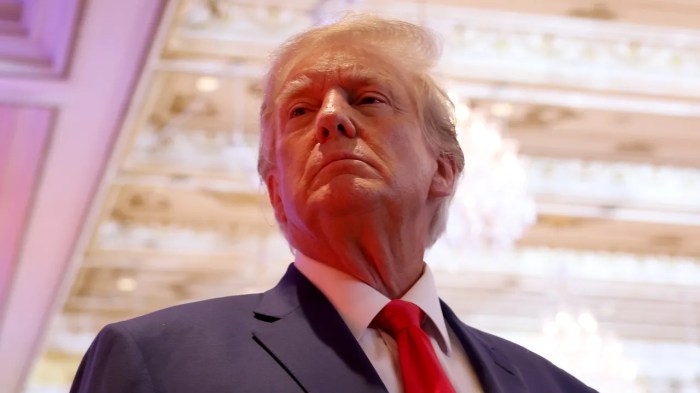
The ripple effects of the US-China trade war extend far beyond the headlines, impacting diverse communities and industries in unexpected ways. This intricate web of consequences highlights the interconnectedness of global economies and the vulnerability of specialized sectors to broader geopolitical shifts. The Spanish hatmaking industry, deeply intertwined with the Orthodox Jewish community, serves as a compelling case study, illustrating how seemingly disparate elements can be profoundly affected by a single, large-scale event.The trade war, by disrupting global supply chains and altering import-export dynamics, created a cascade of challenges for the Spanish hatmaking industry.
This disruption, combined with other economic pressures, created a perfect storm, particularly impacting small-scale businesses relying on specific materials or intricate production processes.
Challenges Faced by Spanish Hatmakers
The US-China trade war, by increasing tariffs on Chinese imports, impacted the Spanish hatmaking industry in several ways. Raw materials, crucial components in hat production, were often sourced from China. The surge in tariffs made these materials significantly more expensive. This translated directly into increased production costs, squeezing profit margins for small businesses already facing the pressures of global competition.
The resulting impact was an immediate and noticeable reduction in profitability.
Impact on Different Segments of the Industry
The trade war’s impact varied among different segments of the Spanish hatmaking industry. Large-scale manufacturers, often with more diverse sourcing options and robust supply chains, could potentially absorb some of the increased costs. However, smaller artisan workshops, relying heavily on specific Chinese materials and specialized techniques, bore the brunt of the price hikes. The difficulty of adapting to new supply chains was often exacerbated by the lack of financial resources to implement diversification strategies.
This led to a widening gap between the financial capacity of different producers.
Hierarchical Structure of Factors Affecting Hatmakers
The factors affecting Spanish hatmakers can be organized hierarchically, with the trade war as the primary driver.
- Trade War (Primary Driver): Increased tariffs on Chinese imports directly impacted raw material costs.
- Increased Costs: Higher raw material prices translated into higher production costs for hats.
- Reduced Profitability: Higher costs squeezed profit margins for all producers, but disproportionately impacted small artisan workshops.
- Reduced Demand: The overall economic climate and higher prices could potentially lead to decreased demand for hats, further compounding the problem.
- Community Impact: Reduced demand for hats could also impact the Orthodox Jewish community, potentially affecting traditions and cultural practices.
Flowchart of Events

The flowchart would visually depict the chain of events from the trade war, through the impact on raw material costs, to the eventual challenges faced by the Spanish hatmakers, and how this affects the Orthodox Jewish community.
Viewpoints of Spanish Hatmakers and Orthodox Jewish Community
“The trade war has made it almost impossible to maintain our traditional methods. We’re facing a crisis of sustainability. Our prices are skyrocketing, and we’re losing customers left and right.”
Representative of Spanish Hatmakers’ Guild.
“Spanish hats are an integral part of our religious practices. We fear that the loss of these artisans will mean a loss of a vital cultural tradition.”
Leader of Orthodox Jewish Community.
Trump’s trade war is causing real problems for Spanish hatmakers, impacting US Orthodox Jewish communities. It’s a fascinating ripple effect, highlighting how global economic policies can affect seemingly disparate groups. Meanwhile, China’s ambitious mission to retrieve asteroid samples, as detailed in china launches mission retrieve asteroid samples , is a testament to our ongoing exploration of the cosmos.
This complex situation underscores the intricate web of connections between trade, culture, and global endeavors, further complicating the plight of those Spanish hatmakers reliant on the US market.
Potential Solutions and Future Implications: Trumps Trade War Imperils Spanish Hatmakers Business With Us Orthodox Jews
The escalating trade war’s impact on the Spanish hatmaking industry, coupled with the unique relationship between US orthodox Jews and these hats, presents a complex scenario requiring multifaceted solutions. Adaptability and a nuanced understanding of evolving market trends are crucial for the industry’s survival and future. Maintaining the tradition while adapting to modern demands is paramount.
Possible Solutions to Mitigate Negative Impacts
The trade war’s effects can be mitigated through various strategies. These include exploring alternative export markets, diversifying product lines, and implementing cost-saving measures. A concerted effort to reduce manufacturing costs while maintaining quality is essential. This might involve exploring cheaper raw materials or streamlining production processes. Finding new sources of raw materials and suppliers, particularly those not affected by trade tariffs, could prove vital.
- Exploring Alternative Export Markets: Identifying and establishing new markets in countries less affected by the trade war can help offset losses in the US market. This might involve developing relationships with importers and distributors in regions like South America, Asia, or Europe. Successful examples include companies shifting production to regions with more favorable trade agreements, thereby reducing their exposure to tariffs.
- Diversifying Product Lines: Expanding the range of hats offered can cater to a wider customer base. This includes offering different styles, sizes, and price points, and potentially introducing hats made from alternative materials. This diversification strategy is essential for long-term sustainability, especially when faced with changing market demands.
- Implementing Cost-Saving Measures: Streamlining manufacturing processes, reducing material costs, and optimizing labor practices can help maintain profitability while navigating trade tensions. Examining and streamlining the supply chain is essential for cost reduction.
Alternative Strategies for Adapting to Changing Market Conditions
Adapting to changing market demands is vital. This involves recognizing shifts in consumer preferences and adjusting production accordingly. Understanding the evolving relationship between price, quality, and design is critical for success.
- Recognizing Shifts in Consumer Preferences: Understanding the evolving preferences of consumers, particularly those in the US and beyond, is crucial. This includes analyzing trends in fashion, materials, and pricing. The trend toward more sustainable practices and locally sourced products should be considered.
- Adjusting Production Accordingly: Responding to shifts in consumer preferences by modifying product designs and manufacturing processes can help meet evolving demand. This may involve exploring new materials, manufacturing techniques, or designs.
- Focusing on Value Proposition: Emphasizing the unique craftsmanship and historical significance of Spanish hats, particularly for the orthodox Jewish community, can position them as premium products. This will differentiate them from mass-produced alternatives. This is a strong selling point for the niche market.
Potential Long-Term Implications for the Industry
The long-term implications of the trade war on the hatmaking industry are multifaceted. The relationship between the US and Spanish hatmakers will be profoundly affected by the outcome of trade negotiations and the adaptation strategies employed.
- Impact on the US-Spanish Hatmaking Relationship: The trade war’s outcome and the resulting trade policies will significantly influence the relationship between US consumers and Spanish hatmakers. This will depend on the ongoing negotiations and the ability of the industry to adapt to changing market dynamics.
- Potential Shifts in Demand for Spanish Hats: Changes in demand will depend on the outcome of trade disputes, the adoption of new market strategies, and evolving consumer preferences. A possible shift to more sustainable or ethically produced hats could impact the demand for traditional Spanish hats.
Potential Solutions for Spanish Hatmakers
| Solution | Advantages | Disadvantages | Feasibility |
|---|---|---|---|
| Explore alternative export markets | Reduced reliance on single market, potential for new revenue streams | Increased logistical complexity, potential for cultural barriers | Medium |
| Diversify product lines | Increased market reach, adaptation to changing tastes | Higher initial investment, potential for cannibalization of existing products | High |
| Implement cost-saving measures | Increased profitability, enhanced competitiveness | Potential for reduced quality, negative impact on labor conditions | Medium-High |
Final Summary
In conclusion, Trump’s trade war has unexpectedly jeopardized a unique cultural exchange between Spanish hatmakers and the US Orthodox Jewish community. The intricate relationship between these seemingly disparate groups, fostered by centuries of tradition and trade, is now threatened by global economic tensions. The challenges faced by Spanish hatmakers highlight the broader impact of trade wars on seemingly isolated industries and communities.
The discussion underscores the need for understanding the interconnectedness of global economies and the potential for unintended consequences when political and economic policies collide with cultural traditions. Finding solutions will require a multifaceted approach that considers the economic realities, cultural significance, and long-term implications for both parties.