Wildfire Alberta disrupts oil operations prompts evacuations, leaving a trail of destruction and uncertainty across the province. Flames raced through vast stretches of land, impacting not only the environment but also the crucial oil industry and the lives of countless residents. The scale of this disaster is significant, and the fallout promises to be far-reaching, affecting everything from daily routines to the global economy.
This event highlights the intricate interplay between nature’s fury and human activity, emphasizing the urgent need for robust disaster preparedness and effective response mechanisms. From the immediate impact on oil production to the challenges faced during evacuations, the wildfire underscores the vulnerability of communities and infrastructure in the face of such natural calamities. The ensuing economic disruptions and environmental consequences further complicate the recovery process.
Impact on Oil Operations
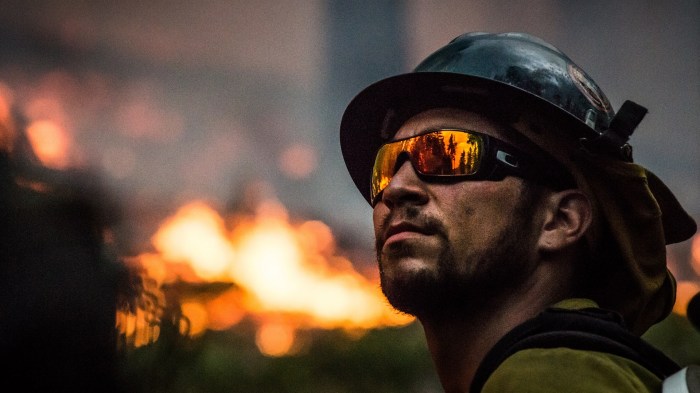
The recent wildfires in Alberta have significantly disrupted oil operations, prompting evacuations and highlighting the vulnerability of the industry to natural disasters. The immediate effects range from facility damage to supply chain disruptions, potentially impacting the province’s substantial oil production and export capacity. This analysis delves into the immediate and potential long-term consequences, offering insights into mitigation strategies and resilience factors for the oil industry in the region.The intricate web of oil production and transportation infrastructure in Alberta is vulnerable to extreme weather events.
Wildfires, with their rapid spread and intense heat, can damage pipelines, processing facilities, and storage tanks. This can lead to production shutdowns, delays in transporting crude oil to refineries and export terminals, and potential environmental damage. The extent of the damage and disruption will depend on the intensity and duration of the fires, as well as the location and resilience of affected infrastructure.
Immediate Effects on Oil Production and Transportation
The immediate impact of the wildfires on Alberta’s oil operations has been substantial. Production facilities located near the fire zones have been forced to shut down to protect workers and equipment. Transportation routes, including pipelines and roadways, have been affected, causing delays and potentially halting the movement of crude oil. Evacuations have further compounded the disruption, restricting access to critical infrastructure and delaying repairs.
The scale of these immediate effects depends on the extent of damage caused by the fires.
Potential Long-Term Consequences for the Oil Industry
The long-term consequences of these wildfires extend beyond the immediate disruptions. Damaged infrastructure will necessitate costly repairs and reconstruction, potentially delaying production timelines. Supply chain disruptions, such as shortages of specialized parts or equipment, can further prolong recovery. Regulatory changes may also arise, mandating stricter safety protocols and environmental protections in the aftermath of the wildfires. The industry will need to adapt to these new regulations to maintain compliance and minimize future risks.
The prolonged shutdown of production facilities could negatively affect the market price of oil.
Mitigation Strategies for Oil Companies
Oil companies can employ various strategies to mitigate risks and accelerate recovery from these disruptions. Implementing robust disaster preparedness plans, including regular fire risk assessments and evacuation procedures, can minimize the impact of future events. Diversifying supply chains and establishing backup routes for transportation can help reduce reliance on single points of failure. Investing in more resilient infrastructure, using fire-resistant materials and enhanced safety features, is crucial for protecting facilities from future wildfire events.
Early intervention and proactive response to developing fire situations are key.
Table Comparing Oil Operation Methods in Alberta
This table compares different oil operation methods in Alberta based on their resilience to wildfire events. A higher score indicates greater resilience.
| Oil Operation Method | Resilience to Wildfire Events (1-5, 5 being most resilient) | Explanation |
|---|---|---|
| Pipeline Transportation | 2 | Pipelines are vulnerable to damage from direct fire exposure and subsequent ground instability. Their repair can be slow, and rerouting is often necessary. |
| Rail Transportation | 3 | Rail transportation is somewhat more resilient than pipelines, as rail lines are less susceptible to direct fire damage. However, disruptions to rail networks can still occur. |
| Truck Transportation | 4 | Truck transportation is generally more flexible and can adapt to changing road conditions more quickly than other methods. However, access to areas affected by wildfires can be limited. |
| In-situ Oil Extraction | 5 | In-situ extraction methods, which involve injecting fluids into the ground to extract oil, are less susceptible to direct fire damage. However, infrastructure supporting these methods could still be affected. |
Evacuation Procedures and Community Response
The devastating wildfires in Alberta, disrupting oil operations and prompting evacuations, highlighted the critical need for well-defined procedures and a robust community response. Effective communication, resource allocation, and support systems were crucial to ensuring the safety and well-being of residents during this challenging period. This discussion explores the evacuation procedures, community responses, and the challenges faced by individuals and families.Evacuations are complex operations requiring careful planning and execution.
The success of these operations hinges on a combination of pre-established protocols, efficient communication channels, and the willingness of the community to cooperate. The rapid response by emergency services and support networks is vital in mitigating the impact of such events.
Evacuation Procedures Implemented
The implemented evacuation procedures were multifaceted, involving a coordinated effort between various levels of government, emergency services, and community organizations. Clear communication channels were established to keep residents informed about the evolving situation and the recommended evacuation routes. This included public announcements via radio, television, and social media.
Communication Strategies
The use of multiple communication channels ensured that crucial information reached a broad audience. Local authorities proactively communicated evacuation orders and safety advisories through various media outlets, ensuring timely dissemination of information. This strategy proved critical in helping individuals prepare and make necessary arrangements.
Resource Allocation
Resource allocation was key in supporting evacuees. This involved deploying emergency shelters, providing essential supplies like food, water, and medical aid, and ensuring access to temporary housing and financial assistance. Logistics played a critical role in efficiently distributing resources to those in need.
Community Response
The community response to the evacuations was overwhelmingly supportive. Local residents, businesses, and organizations rallied together to assist evacuees, demonstrating the strength of community spirit.
Examples of Support Systems
Numerous examples illustrate the community’s efforts. Many residents opened their homes to displaced individuals and families, providing temporary shelter and a sense of belonging. Businesses offered support in the form of free services and supplies. Volunteer organizations played a crucial role in coordinating assistance and providing essential supplies.
Individual Actions
Individuals also played a vital role in the community response. Many actively participated in assisting neighbors, coordinating aid efforts, and offering emotional support. This collective action fostered a sense of unity and resilience.
Challenges Faced by Individuals and Families
Despite the significant community response, challenges remained for individuals and families during the evacuation process. The emotional distress and disruption to daily routines were considerable. Financial hardship and the need for long-term accommodations were among the pressing concerns. The uncertainty and fear associated with the situation added to the overall difficulties.
Levels of Emergency Response
| Level | Roles | Responsibilities | Communication Protocols |
|---|---|---|---|
| Local | Fire departments, police, emergency medical services | Initial response, evacuation guidance, resource management at the local level | Direct communication with residents, coordinating with higher levels |
| Regional | Provincial emergency management agencies, support services | Coordinating local efforts, providing regional support, resource allocation, and damage assessment | Communication networks, regional coordination centers |
| Provincial | Provincial government agencies, emergency management | Oversight of regional efforts, large-scale resource mobilization, long-term recovery planning | Provincial-level communication channels, coordination meetings |
Environmental Consequences: Wildfire Alberta Disrupts Oil Operations Prompts Evacuations
The devastating wildfires in Alberta have left an undeniable scar on the landscape, impacting not only human communities but also the delicate ecosystems that call this region home. The intense heat and prolonged burning have released harmful pollutants into the air, contaminated vital water sources, and threatened the biodiversity that sustains this region. Understanding the environmental damage is crucial for planning effective recovery strategies and mitigating future risks.The wildfires in Alberta have caused significant environmental damage across the affected regions.
The scale of the devastation underscores the urgent need for comprehensive environmental monitoring and targeted recovery efforts. Long-term consequences are likely, emphasizing the importance of proactive measures to safeguard the region’s natural heritage.
Air Quality Impacts, Wildfire alberta disrupts oil operations prompts evacuations
Wildfires release vast quantities of particulate matter and volatile organic compounds into the atmosphere, leading to significant air quality deterioration. This air pollution can cause respiratory problems in humans and animals, impacting both human health and the well-being of wildlife populations. The smoke plumes can travel hundreds of kilometers, impacting air quality far beyond the immediate burn area.
This poses a serious health concern for both local communities and those in distant areas.
Water Contamination
The wildfires have contaminated water sources with ash, soot, and various pollutants. This contamination can render water unsafe for drinking, irrigation, and other essential uses. Sediment runoff from burned areas can also clog waterways and reduce water quality. The contamination can have lasting effects on aquatic ecosystems, harming fish populations and disrupting the delicate balance of aquatic life.
The long-term impacts of this contamination are still unfolding, and ongoing monitoring is critical.
Biodiversity Loss
Wildfires directly destroy habitats, impacting plant and animal species. The loss of nesting sites, feeding grounds, and shelter can decimate wildlife populations, disrupting food webs and ecological balance. Certain species may struggle to adapt to the altered environment or find suitable alternative habitats. The long-term consequences for biodiversity loss could have a ripple effect on the region’s entire ecosystem.
Long-Term Effects
The long-term effects of these environmental damages include altered landscapes, degraded water quality, and reduced biodiversity. These impacts can extend far beyond the immediate burn area and have implications for the region’s economy and well-being. For example, the decline in water quality can impact industries reliant on clean water resources. Similarly, the loss of biodiversity could disrupt ecological processes and lead to further environmental instability.
The wildfires in Alberta are causing havoc, disrupting oil operations and forcing evacuations. It’s a stark reminder of nature’s power, and the challenges faced by communities. While this is happening, I’ve been pondering the intriguing AI ending in the movie “Companion,” which explores similar themes of unexpected consequences and how we adapt to a changing world. This prompts a lot of thought about the potential for technology to both help and harm us, echoing the disruption caused by the Alberta wildfires.
companion movie ai ending Ultimately, the focus remains on the devastating impact of the wildfires in Alberta.
Recovery Efforts
Efforts to recover affected ecosystems and wildlife focus on restoring habitats, protecting remaining populations, and reintroducing species where possible. These efforts often involve planting native vegetation, creating wildlife corridors, and providing supplemental food and water. Collaboration among government agencies, conservation organizations, and local communities is essential for successful recovery. The successful restoration of affected ecosystems is crucial for the region’s long-term health and resilience.
Environmental Monitoring Methods
Comprehensive monitoring is essential to assess the extent of environmental damage and track recovery progress.
| Monitoring Method | Description | Application |
|---|---|---|
| Air Quality Monitoring | Utilizing sensors and instruments to measure air pollutants like particulate matter and gases. | Assessing air quality levels and identifying potential health risks. |
| Water Quality Testing | Collecting and analyzing water samples to assess contamination levels of various pollutants. | Identifying contaminated water sources and evaluating the extent of water contamination. |
| Vegetation Surveys | Assessing the extent of vegetation damage, identifying species affected, and monitoring regrowth. | Evaluating the impact of the wildfires on plant communities and monitoring the recovery of plant life. |
| Wildlife Population Surveys | Counting and tracking animal populations to determine the effects of the fires on wildlife. | Assessing the impacts on different animal species and evaluating the effectiveness of recovery efforts. |
Economic Disruptions
The devastating wildfires in Alberta have sent shockwaves through the province’s economy, impacting businesses, tourism, and local employment. The disruption of oil operations, forced evacuations, and the potential long-term damage to infrastructure and natural resources have created a complex web of financial challenges for both the government and the private sector. Understanding these economic consequences is crucial for developing effective recovery strategies and rebuilding efforts.The economic consequences extend far beyond the immediate impact on businesses directly affected by the fires.
The overall climate of uncertainty and fear created by these events negatively affects investor confidence, potentially leading to a slowdown in future investments in the region. This, in turn, could have ripple effects throughout the wider Canadian economy.
Impact on Businesses
The wildfires have caused significant disruption to businesses across Alberta. Many businesses, particularly those in the oil and gas sector, have had to temporarily halt operations due to safety concerns and the disruption of supply chains. This has resulted in lost revenue and job losses. For example, businesses dependent on tourism have seen a sharp decline in customers as people avoid the area, impacting revenue and employment in those industries.
Impact on Tourism
The wildfire smoke and the disruption of travel routes have deterred tourists from visiting the region. This has had a detrimental impact on businesses reliant on tourism, such as hotels, restaurants, and outdoor recreation facilities. The loss of tourist revenue further exacerbates the economic hardship for the affected communities. This loss of tourism revenue can have a long-lasting impact on the local economy, affecting employment and the financial health of businesses that rely on tourism.
Impact on Local Employment
The wildfires have led to job losses across various sectors, particularly in the oil and gas industry and related services. Evacuations and the inability to work due to safety concerns have contributed to a temporary loss of employment. This has had a direct impact on the household income and financial stability of many Albertans. The loss of jobs in the short term and the uncertainty of future employment opportunities have caused significant financial hardship for families.
Financial Implications for Government and Private Sector
The wildfires have significant financial implications for both the provincial government and the private sector. The government will face increased costs associated with emergency response, evacuation support, and long-term recovery efforts. Private sector companies will have to contend with lost revenue, increased insurance premiums, and potential legal liabilities related to the fires.
Strategies for Economic Recovery and Rebuilding
Effective strategies for economic recovery and rebuilding efforts in the affected areas include:
- Investing in infrastructure to restore essential services and rebuild damaged facilities. This is critical to ensuring that the affected communities can recover quickly and resume normal operations. This includes repairing roads, utilities, and public buildings.
- Supporting businesses with financial assistance programs and tax incentives. These measures can help businesses overcome the immediate financial challenges posed by the fires and encourage future investment in the area. Government grants and loans are important tools in this recovery effort.
- Promoting tourism and economic development initiatives. This will help revitalize the local economy and create new job opportunities in the long term. This includes marketing the region to attract tourists and promoting the development of new businesses.
- Addressing the mental health needs of affected residents. The emotional and psychological trauma associated with wildfires can have a significant impact on individuals and communities. Support services for mental health are crucial in the recovery process.
Economic Indicators
| Indicator | Before Wildfire | During Wildfire | After Wildfire |
|---|---|---|---|
| Unemployment Rate | X% | Increased | Expected to increase, then decrease over time |
| Tourism Revenue | Y$ | Decreased significantly | Expected to recover gradually |
| GDP Growth | Z% | Negative | Expected to be negative in the short term, followed by potential recovery |
| Oil Production | A barrels/day | Halted | Recovering (with expected delays) |
Economic indicators, like unemployment rates and GDP growth, are likely to show negative trends during and immediately after the wildfire. Long-term recovery will depend on the speed of rebuilding efforts, the availability of financial resources, and the effectiveness of the government’s economic recovery strategies.
Infrastructure Damage
The devastating wildfires in Alberta have left a trail of destruction, impacting critical infrastructure vital for the region’s economy and daily life. Assessing the damage and outlining the restoration process is crucial for effective recovery and future resilience. From roads and bridges to power and communication systems, the extent of the damage is significant, requiring substantial resources and innovative approaches to repair.The damaged infrastructure represents a considerable setback for the region, hindering transportation, communication, and energy access.
Addressing these challenges effectively is paramount to resuming normal operations and supporting the affected communities. The reconstruction process will need to be carefully planned and executed to ensure that the repaired infrastructure is more resilient to future natural disasters.
The wildfires in Alberta are causing major disruptions, halting oil operations and forcing evacuations. Meanwhile, down under, Australia secured their World Cup spot with a win over Saudi Oman, a victory that overshadowed the ongoing political tensions with Palestine. This, of course, doesn’t diminish the serious impact of the Alberta fires, which are creating a significant humanitarian crisis.
Australia seal world cup spot with win over Saudi Oman deny Palestine The sheer scale of the damage to both the environment and local communities is concerning, highlighting the urgent need for effective disaster relief efforts.
Road and Bridge Damage
The wildfires have severely impacted the transportation network, causing significant damage to roads and bridges. Damaged roadways often become impassable, disrupting supply chains, emergency response, and community access. This infrastructure damage is a crucial element of the recovery effort, impacting everything from emergency response to the flow of essential goods. The scale of damage varies depending on the intensity of the fire and the specific location.
For instance, bridges might collapse entirely, while roads might be rendered unusable due to severe erosion or burned surfaces.
Power Line Damage
Power outages are a significant consequence of wildfires, affecting homes, businesses, and essential services. The damage to power lines often necessitates extensive repair work, which can be time-consuming and costly. Furthermore, restoring power is a critical component of the recovery effort, enabling essential services to function and allowing communities to resume normal activities. In the aftermath of wildfires, downed power lines are a significant safety hazard, and restoration efforts must prioritize safety measures to protect workers and the public.
Communication System Damage
Communication disruptions can severely hamper the response and recovery efforts. The wildfires can destroy cell towers, damage communication cables, and disrupt internet access. Effective communication is essential for coordinating rescue operations, providing updates to residents, and facilitating the flow of information. The restoration of communication systems is crucial for coordinating the response and recovery, ensuring public safety and facilitating the smooth functioning of society.
Estimated Repair Costs and Restoration Methods
| Type of Infrastructure | Estimated Repair Cost (USD) | Restoration Method |
|---|---|---|
| Roads | $50,000,000 – $100,000,000 | Repaving, replacing damaged sections, rebuilding bridges |
| Bridges | $100,000,000 – $500,000,000+ | Structural repairs, rebuilding, utilizing prefabricated bridge sections |
| Power Lines | $25,000,000 – $75,000,000 | Replacing damaged poles and wires, upgrading infrastructure for resilience |
| Communication Systems | $10,000,000 – $30,000,000 | Repairing or replacing cell towers, restoring communication lines, upgrading network capacity |
The table above provides a general overview of the potential repair costs for different types of infrastructure damaged by the wildfires. These estimates are based on previous wildfire events and the current situation in Alberta. The actual costs will vary based on the extent of damage and the complexity of the repair work. Different restoration methods, such as using prefabricated bridge sections or incorporating renewable energy sources in the power grid, can affect the overall cost and efficiency.
The choice of method will depend on factors such as the severity of the damage, available resources, and long-term sustainability goals.
Wildfires in Alberta are causing a real mess, disrupting oil operations and forcing evacuations. It’s a huge logistical headache, and the scale of the problem is quite significant. Meanwhile, the Jays are showing their support for Anthony Santander, with the team reportedly placing him on the injured list due to a shoulder injury. jays place anthony santander shoulder il This situation highlights the complex interplay of natural disasters and sports news, while the wildfires continue to disrupt lives and operations in the region.
Public Health Concerns
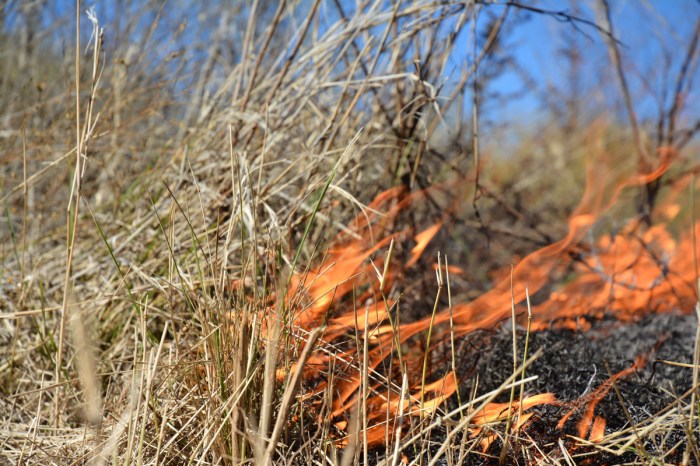
Wildfires, particularly large-scale events like those in Alberta, pose significant public health risks. The smoke plumes carry harmful particulate matter and gases, impacting respiratory health and potentially contributing to long-term health problems. Beyond the immediate physical effects, the stress and disruption caused by evacuations and property damage can have profound mental health consequences for affected communities. Understanding these concerns and developing proactive strategies for mitigation is crucial for protecting the well-being of residents.
Respiratory Impacts
The air quality during and after wildfires deteriorates dramatically. Fine particulate matter (PM2.5) and other pollutants in smoke can trigger or worsen respiratory conditions like asthma, bronchitis, and chronic obstructive pulmonary disease (COPD). Exposure to these pollutants can lead to acute respiratory illnesses, including pneumonia. Long-term exposure to wildfire smoke can increase the risk of developing chronic lung diseases and cardiovascular problems later in life.
Alberta’s history demonstrates the significant impact of wildfire smoke on respiratory health, with increased hospitalizations and emergency room visits during periods of poor air quality.
Mental Health Impacts
Wildfires cause substantial disruption to daily life, leading to stress, anxiety, and potentially post-traumatic stress disorder (PTSD). Evacuations, property damage, and the loss of familiar surroundings can significantly impact mental well-being. Communities affected by wildfires may experience heightened rates of depression, anxiety, and other mental health conditions in the aftermath. Support systems are crucial for assisting individuals and families in coping with these emotional challenges.
Healthcare Response
Healthcare systems in wildfire-affected areas are often strained during and after the event. Hospitals and clinics may experience an influx of patients seeking treatment for respiratory problems and other health concerns. Emergency departments play a vital role in managing acute health issues, and public health officials work to provide information and guidance to the community. Increased access to mental health services is also critical, ensuring support for individuals experiencing stress and anxiety.
Specific protocols are often developed in anticipation of wildfire events to ensure that resources are efficiently allocated and accessible to those in need.
Mitigation Strategies
Developing proactive strategies for mitigating future public health risks is essential. These strategies should include:
- Improved air quality monitoring and forecasting:
- Public health awareness campaigns:
- Strengthening mental health support services:
- Emergency preparedness plans:
Real-time air quality data and predictive models can help communities prepare for potential exposure to wildfire smoke. This allows for timely alerts and preventative measures.
Educating the public about the health risks associated with wildfire smoke and promoting protective measures, such as using N95 masks and staying indoors when air quality is poor, can significantly reduce health impacts. Clear communication channels and easily accessible information are critical.
Expanding access to mental health professionals and resources, including counseling and support groups, in wildfire-prone areas can help communities better cope with the emotional consequences of these events.
Comprehensive plans should incorporate health-related contingencies, including protocols for managing respiratory illnesses and providing mental health support to affected populations.
Summary Table
| Health Impact | Response Protocol |
|---|---|
| Respiratory issues (e.g., asthma attacks, bronchitis) | Increased access to emergency medical services, air quality monitoring, and distribution of protective equipment. |
| Mental health concerns (e.g., stress, anxiety, PTSD) | Provision of mental health resources, counseling services, and support groups. |
| Strain on healthcare systems | Pre-emptive resource allocation, communication protocols, and collaboration between healthcare providers and emergency management agencies. |
Lessons Learned
The devastating wildfires in Alberta served as a stark reminder of the vulnerability of our communities and infrastructure to natural disasters. The events highlighted critical gaps in preparedness, response, and long-term resilience. Understanding these lessons is crucial for mitigating the impact of future events and ensuring a safer future for all.
Key Lessons in Disaster Preparedness
The wildfires underscored the importance of proactive measures in disaster preparedness. Early warning systems, robust evacuation plans, and community engagement are essential for minimizing casualties and damage. Comprehensive planning, incorporating realistic scenarios and potential vulnerabilities, is paramount. Effective communication strategies, clear protocols, and accessible information are critical during crises. Investing in infrastructure that can withstand extreme weather conditions, such as fire-resistant housing materials and reinforced utility lines, will greatly enhance resilience.
Emergency Response Improvements
The swiftness and effectiveness of the emergency response played a vital role in mitigating the disaster’s impact. Improved coordination between government agencies, non-governmental organizations (NGOs), and the community are key. Streamlined communication channels and pre-established protocols for resource allocation are crucial in ensuring a well-coordinated response. The response efforts highlighted the critical need for sufficient personnel, equipment, and resources, especially in remote or challenging terrain.
Long-Term Resilience Strategies
Long-term resilience is vital to rebuilding and preventing future crises. Strengthening community preparedness through education and training programs will empower individuals to take proactive measures. Investing in infrastructure that can withstand extreme weather conditions, such as fire-resistant housing materials and reinforced utility lines, is crucial for long-term resilience. Sustainable land management practices, such as controlled burns and proactive forest management, can significantly reduce the risk of future wildfires.
Community-led initiatives and collaborative efforts between government agencies, NGOs, and the private sector are essential to build sustainable resilience.
Preventative Measures for Future Wildfires
Implementing preventative measures is crucial for lessening the impact of future wildfires. Improving land management practices, such as controlled burns and the removal of deadwood, can significantly reduce the risk of ignition and spread. Encouraging the adoption of fire-resistant building materials and landscaping techniques in vulnerable areas is also important. Community awareness programs focused on fire safety and prevention will equip individuals with the knowledge and skills needed to respond effectively.
Investment in advanced early warning systems and predictive models can provide critical time for evacuations and mitigation efforts.
Role of Stakeholders in the Response
The wildfire response highlighted the crucial roles of various stakeholders. Government agencies, such as the provincial and federal departments, played a vital role in coordinating resources, providing emergency services, and supporting evacuation efforts. NGOs, including search and rescue teams and humanitarian organizations, provided crucial support to those affected. The community’s response, including volunteers, neighbours helping neighbours, and contributions to relief efforts, played an essential role in the overall response.
Each stakeholder’s contribution was critical to the overall effectiveness of the response.
Timeline of Events
| Date | Event | Key Decision/Action |
|---|---|---|
| May 2024 | Wildfire Ignition | Initial reports of fire ignition, local response activated. |
| May 24, 2024 | Evacuation Orders | Mandatory evacuation orders issued for several communities. |
| May 25, 2024 | Increased Fire Intensity | Fire spreads rapidly, threatening critical infrastructure. |
| May 26, 2024 | Provincial Emergency Response | Provincial emergency response teams deployed, federal support requested. |
| May 27, 2024 | Community Support | Community members provide aid to affected residents. |
Closing Notes
In conclusion, the wildfire in Alberta serves as a stark reminder of the interconnectedness of human activities and the environment. The disruption to oil operations, the mandatory evacuations, and the environmental damage are all significant aspects of this crisis. Lessons learned from this event will undoubtedly shape future disaster response and preparedness strategies, with a focus on improving community resilience and mitigating the long-term consequences of such devastating events.