The Genesis of Twitter Africa: A Strategic Choice
The decision to anchor Twitter’s African operations in Ghana was the result of a deliberate strategy to tap into the continent’s youthful, tech-savvy population. In his 2021 announcement, Dorsey expressed gratitude to President Nana Akufo-Addo and the people of Ghana, emphasizing that the company needed to be "more immersed in the rich and vibrant communities that drive the conversations taking place every day across the African continent."
Ghana was selected over other tech giants like Nigeria, Kenya, and South Africa for specific socio-political reasons. Twitter’s official blog at the time described Ghana as a "champion for democracy" and a staunch supporter of free speech and online freedom. Furthermore, Accra’s hosting of the Secretariat of the African Continental Free Trade Area (AfCFTA) aligned with Twitter’s goal of establishing a pan-African footprint. The government of Ghana responded with enthusiasm, with President Akufo-Addo stating that the partnership was "critical for the development of Ghana’s hugely important tech sector."
By mid-2021, the recruitment of "Tweeps"—as Twitter employees were known—began in earnest. The roles were diverse, spanning content moderation, marketing, engineering, and legal policy. For many young African professionals, joining Twitter was a career pinnacle, offering the opportunity to influence global platform safety and localized product features from within the continent.
The Leadership Transition: From Dorsey to Agrawal
The stability of this African expansion was first tested in November 2021 when Jack Dorsey unexpectedly resigned as CEO. Dorsey, who had long expressed a personal affinity for Africa—even famously tweeting in 2019 about his plans to live on the continent for several months—was replaced by Parag Agrawal, the company’s Chief Technology Officer.
Under Agrawal, the Africa team continued to operate, albeit largely in a remote capacity as the physical office in Accra was still being finalized. Agrawal maintained a public image of continuity, participating in high-profile "Twitter Spaces" events with African tech advocates like Microsoft’s Ivy Barley. However, internal pressures were mounting. By May 2022, Agrawal had begun making "tough decisions" to address revenue concerns, including the dismissal of top executives Bruce Falck and Kayvon Beykpour and the implementation of a global hiring freeze. Despite these early warning signs, the Africa HQ appeared to remain a priority for the company’s long-term growth strategy.
The Musk Acquisition and the Bot Controversy
The trajectory of the company changed irrevocably on April 14, 2022, when Elon Musk, the CEO of Tesla and SpaceX, launched a hostile takeover bid for Twitter. Musk’s offer of $54.20 per share, totaling approximately $44 billion, initiated a months-long legal and corporate drama. Musk’s stated goal was to transform Twitter into a haven for "absolute free speech" and to monetize the platform more aggressively.
The deal nearly collapsed in July 2022 when Musk attempted to terminate the agreement, citing concerns over the prevalence of "spam bots" and fake accounts. Twitter’s leadership, led by Agrawal, sued Musk in a Delaware court to force the completion of the sale. During this period, internal morale at Twitter plummeted. Court filings later revealed a fractured relationship between Musk and Agrawal, characterized by blunt exchanges. In one instance, after Agrawal expressed concern that Musk’s tweets were hurting the company, Musk responded dismissively, asking, "What did you get done this week?"
Ultimately, facing a high probability of losing the legal battle, Musk reversed course and finalized the acquisition on October 27, 2022. His first act as owner was the summary dismissal of Parag Agrawal and several other top executives.
The Short-Lived "Nest" in Accra
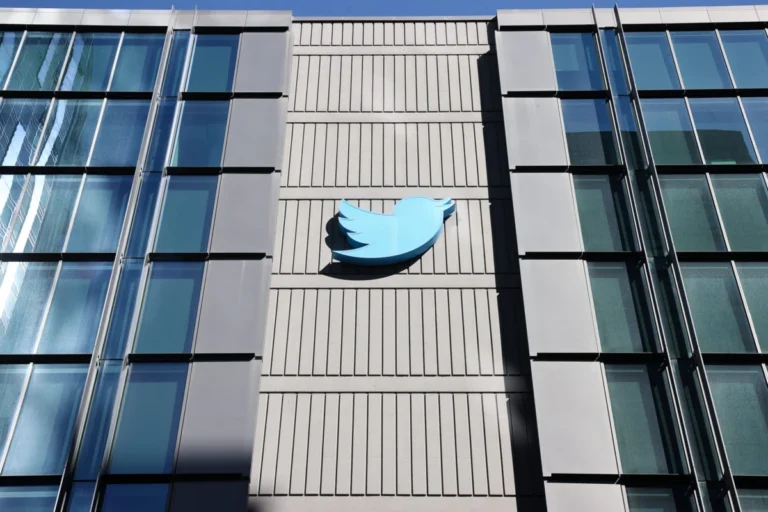
For the Twitter Africa team, the timing of the acquisition was particularly cruel. On November 1, 2022—just four days after Musk took control—the team officially moved into their new physical headquarters in Accra. Bernard Kafui Sokpe, a Senior Partner Manager, shared photos of the "Nest" on LinkedIn, celebrating the transition from remote work to a collaborative physical space. "News worth celebrating amidst all the headlines," he wrote.
The celebration lasted exactly seventy-two hours. On November 4, 2022, as part of a global "reduction in force" aimed at cutting 50% of Twitter’s 7,500-person workforce, the entire Africa team was locked out of their internal systems. The mass layoffs were executed with clinical efficiency; employees across the globe received a generic email with the subject line "Your Role at Twitter," informing them whether they still had a job.
Disparities in Treatment and Severance
While the layoffs were global, the treatment of the African staff drew specific international condemnation. Elon Musk tweeted on November 4 that "everyone exited was offered 3 months of severance, which is 50% more than legally required." However, reports from CNN and other major outlets soon revealed that this offer did not extend to the staff in Accra.
The African employees received termination notices via their personal emails from the Director of People Services in Twitter’s Dublin office. The notices stated that their employment would end on December 4, 2022, and that they would be placed on "garden leave" until that date. Unlike their counterparts in the United States and Europe, the Ghanaian staff were reportedly not offered the three-month severance package.
Legal experts noted that while Ghana’s labor laws require a "redundancy pay" negotiation, the abrupt nature of the dismissals and the lack of a formal off-boarding process appeared to bypass standard local protocols. The lack of individual communication and the reliance on an automated "send to all" broadcast from a remote office in Ireland were viewed by critics as a sign of deep institutional disrespect toward the African workforce.
Reactions and the "PR Gimmick" Critique
The fallout was immediate. High-ranking former Twitter executives, including Lara Cohen and Alphonzo Terrell, took to the platform to demand that Jack Dorsey intervene. They reminded Dorsey of his public "commitment to Africa" and urged him to "make this right." Dorsey, who remained a significant shareholder after the Musk takeover, eventually issued a public apology for growing the company "too quickly," but he offered no specific recourse for the abandoned Africa team.
The incident sparked a broader conversation about whether Big Tech’s interest in Africa is genuine or merely a "PR gimmick." Critics argued that Twitter used the Ghana launch to bolster its image as a progressive, globalist company while Jack Dorsey was at the helm, only to discard the entire operation as a "cost-saving measure" the moment the bottom line was threatened. The fact that the office was closed just days after it opened served as a stark metaphor for the volatility of Silicon Valley’s engagement with the continent.
Broader Impact and Implications for the African Tech Ecosystem
The closure of Twitter’s Africa HQ has significant implications for the continent’s digital landscape.
- Safety and Content Moderation: With the dissolution of the local team, Twitter lost its primary source of cultural and linguistic nuance for the African market. This has led to concerns about a rise in misinformation and hate speech in regional languages that automated systems often fail to catch.
- Talent Perception: The "last in, first out" approach applied to the Accra office has made some African tech professionals more cautious about joining multinational corporations. It highlighted a perceived hierarchy where satellite offices in developing markets are seen as expendable compared to core hubs in San Francisco or London.
- The Competitive Void: The exit of Twitter’s physical presence created an opening for other platforms. Since the layoffs, competitors like TikTok and Meta (Instagram/WhatsApp) have intensified their localized efforts in Africa, though they too have faced scrutiny over labor practices in content moderation hubs like Kenya.
Conclusion: A Cautionary Tale
Elon Musk’s justification for the layoffs was simple: the company was losing $4 million a day. From a purely fiscal perspective, cutting high-overhead satellite offices may have seemed logical to a new owner obsessed with "hardcore" efficiency. However, the human and reputational cost has been immense.
The story of Twitter Africa is a cautionary tale of corporate whiplash. It began with a vision of democratic empowerment and regional investment but ended in an automated email and a locked door. As the world’s richest man continues to reshape the platform, the empty "Nest" in Accra stands as a reminder of a partnership that was promised to be "beautiful" but proved to be fleeting. For the African tech sector, the lesson is clear: while global partnerships offer immense opportunity, the true path to digital sovereignty lies in building and sustaining indigenous platforms that cannot be dismantled by the whim of a distant billionaire.