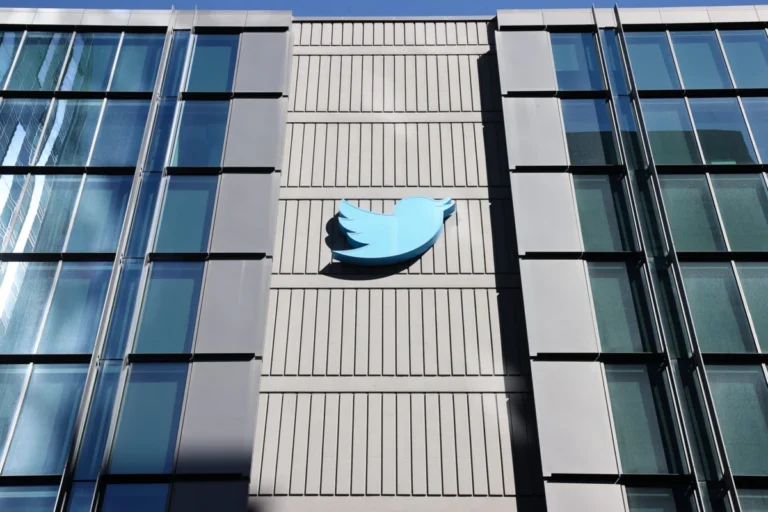
The technology sector on the African continent reached a watershed moment on April 12, 2021, when Jack Dorsey, co-founder and then-CEO of Twitter, used his personal account to make a historic announcement. Twitter was officially establishing a corporate presence in Africa, selecting Accra, Ghana, as the operational headquarters for the continent. The declaration was accompanied by a custom hashmoji featuring the colors of the Ghanaian flag, instantly dominating tech news cycles worldwide. For a region long viewed by Silicon Valley primarily as an emerging consumer base rather than a strategic development hub, the move signaled a fundamental shift. It promised localized insight, regional representation, and the inclusion of vibrant African digital communities in global online conversations.
However, less than two years later, that ambitious vision was dismantled in a matter of days. Following Elon Musk’s turbulent $44 billion acquisition of the social media platform in late 2022, Twitter’s entire African operation was abruptly dissolved. The swift closure of the newly minted Accra office not only stunned local tech communities and former employees, but it also reignited a broader, critical conversation regarding how multinational corporations approach diversity, regional investment, and labor practices in the Global South.
Background and Strategic Rationale for the African Expansion
When Twitter first announced its expansion into Ghana in April 2021, the decision was underpinned by a meticulously crafted strategic framework. According to internal company blog posts and statements released at the time, Twitter aimed to immerse itself more deeply in the rich and vibrant communities driving daily public discourse across the African continent. To truly serve the global public conversation, leadership argued, the platform needed a physical and cultural footprint within the regions shaping its growth.
Ghana was selected over several competing African nations—igniting good-natured rivalry across the continent, particularly between Ghana and Nigeria—due to specific democratic and geopolitical markers. The West African nation was recognized internationally as a champion of democracy, a staunch supporter of free speech, and an advocate for online freedom and an open internet. Ghanaian President Nana Addo Dankwa Akufo-Addo enthusiastically endorsed the partnership, describing it during virtual discussions with Dorsey as a monumental milestone for the country’s burgeoning technology sector.
In the weeks following the announcement, recruitment processes commenced rapidly. Because the physical office space was still in development, the newly hired local talents initially operated on a remote basis. This team, entirely sourced from the region, immediately began contributing critical local context to platform safety, policy enforcement, and partnership strategies. For users across Africa, the presence of a local team provided unprecedented reassurance. Issues regarding content moderation, regional safety challenges, and the amplification of top African voices could now be addressed by individuals possessing intimate knowledge of the sociopolitical landscapes of the continent. The initiative was widely lauded as a groundbreaking case study for how Big Tech could authentically integrate into emerging markets.
A Timeline of Turbulence: Leadership Shifts and the Musk Takeover
The dismantling of the African headquarters did not occur in a vacuum; it was the culmination of a rapid sequence of corporate upheavals at Twitter’s corporate headquarters in San Francisco. The first major fracture in the expansion’s foundational leadership occurred on November 29, 2021, when Jack Dorsey announced his resignation as CEO, leaving the company in the hands of then-Chief Technology Officer Parag Agrawal. Dorsey’s departure followed internal board friction regarding his dual role as CEO of both Twitter and financial services firm Block.
Despite the leadership transition, Agrawal initially maintained commitments to the company’s ongoing strategic initiatives, including the remote and physical establishment of the Ghana office. Agrawal’s tenure, however, was short-lived and exceptionally volatile. By May 2022, facing mounting revenue pressures and slowing user growth, Agrawal instituted a hiring freeze and ousted two high-ranking executives: general manager of revenue Bruce Falck and consumer product leader Kayvon Beykpour.
Concurrently, a much larger disruption was unfolding. On April 14, 2022, regulatory filings revealed that Tesla and SpaceX CEO Elon Musk had accumulated a massive stake in Twitter and made an unsolicited $44 billion cash offer to take the company private. What followed was a contentious legal and public relations saga characterized by high-stakes negotiations, public feuds over bot accounts and spam metrics, and a suspended buyout agreement that ultimately resulted in Twitter filing a lawsuit to force Musk to complete the transaction.
As legal proceedings advanced toward a scheduled Delaware court trial, Musk abruptly reversed course in early October 2022, agreeing to proceed with the original acquisition terms. On October 27, 2022, the multi-billion-dollar deal officially closed, and Elon Musk assumed total control of the platform, immediately ousting Agrawal and other top executives.
The Mass Layoffs and the Dissolution of Twitter Ghana
The arrival of new ownership brought immediate and sweeping restructuring. Musk’s publicly stated rationale for the drastic measures was severe financial strain, claiming that the company was losing approximately $4 million daily. To curb these losses, leadership initiated a massive workforce reduction, slashing roughly 50% of Twitter’s global employee base of approximately 7,500 workers on November 4, 2022.
The execution of these layoffs sent shockwaves through the tech industry due to its abruptness and lack of traditional corporate protocol. Employees awoke to locked corporate email and Slack accounts, followed by official notifications delivered via email with the subject line "Your Role at Twitter." While Musk publicly defended the layoffs by emphasizing that all departing employees were offered three months of severance pay—surpassing statutory legal requirements—the reality for the newly established African team proved starkly different.
Just days prior to the global layoffs, on November 1, 2021, members of Twitter’s Africa team had proudly celebrated a major milestone: moving out of their home offices to officially open the physical headquarters in Accra, Ghana. Senior Partner Manager Bernard Kafui Sokpe and his colleagues shared milestones online, marking a triumphant end to their first year of remote operations. Barely 72 hours later, those celebrations turned to disbelief.
Disparities in Offboarding and Global Reactions
According to reports from international journalists and statements from former high-ranking Twitter executives, the dissolution of the African division was handled with a distinct lack of localized communication and procedural fairness. Unlike their counterparts in the United States and Europe, employees at the Accra office reportedly did not receive the promised three-month severance packages or clear, individualized offboarding support.
Instead, staff members found themselves locked out of their primary communication channels before receiving an automated termination notice sent from the Director of People Services at Twitter’s Dublin office in Ireland. The notification cited corporate restructuring and cost-cutting mandates, setting their final termination date for December 4, 2022, while placing them on immediate garden leave.
The sudden termination of the entire African workforce drew sharp rebukes from prominent tech figures and former Twitter executives. Alphonzo Terrell, the former Global Head of Social and Editorial, publicly criticized the company on social media, questioning the omission of severance for Ghanaian employees and directly appealing to Jack Dorsey to intervene and rectify the situation. Lara Cohen, the former Global VP of Partners and Marketing, similarly challenged Dorsey, asking whether the abandonment of the continent aligned with his stated commitments.
Critics and regional tech advocates argued that the swift abandonment of the Accra office exposed a troubling underlying reality about corporate expansion into developing markets. For many observers, the initial fanfare surrounding Twitter’s entry into Africa risked being perceived merely as a public relations maneuver designed to burnish corporate ESG (Environmental, Social, and Governance) credentials without establishing long-term institutional accountability or regional resilience.
Broader Implications for Multinational Tech Expansion in Africa
The collapse of Twitter’s African footprint highlights broader systemic vulnerabilities regarding how multinational technology conglomerates engage with emerging markets. While Africa boasts a rapidly expanding, highly talented pool of software engineers, product managers, and digital strategists, regional offices established by foreign tech giants frequently remain acutely vulnerable to macroeconomic shifts and sudden leadership changes at distant parent companies.
The abrupt closure of the Accra hub serves as a cautionary case study for policymakers, tech entrepreneurs, and regional professionals across the continent. It underscores the limitations of relying on foreign corporate mandates for local digital capacity building and has catalyzed renewed calls to strengthen homegrown technological infrastructure, platforms, and venture ecosystems.
As platforms navigate ongoing structural transformations under private ownership, the legacy of Twitter’s brief venture in Ghana remains a complex symbol of unfulfilled potential. It demonstrated unequivocally that African talent possesses the expertise, creativity, and cultural insight to influence global digital discourse at the highest levels. Yet, it also laid bare the precarious nature of corporate commitments when subjected to sudden ideological and financial overhauls by new corporate leadership.