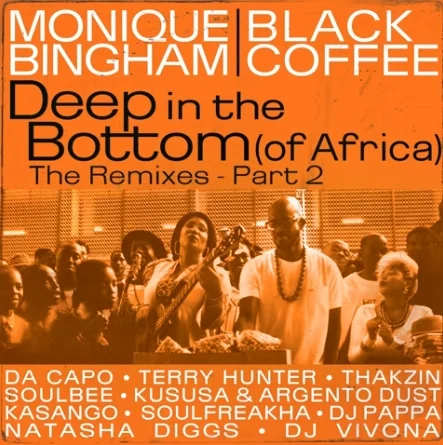
The sonic landscape of global electronic music has been further enriched by the release of “Deep In The Bottom (of Africa) (Da Capo Touch Edit),” a captivating collaboration between vocal powerhouse Monique Bingham and the internationally acclaimed DJ and producer Black Coffee, with a distinctive remix by Da Capo. This track emerges as a testament to the enduring appeal of Afro-house, weaving together evocative vocals, deeply resonant rhythms, and a rich tapestry of African-inspired instrumentation to deliver a profoundly atmospheric and emotionally charged listening experience. It is a piece that not only celebrates African identity through its elegant melodies and sophisticated electronic production but also underscores the collaborative spirit that defines contemporary music.
This release is more than just a new track; it represents a confluence of established artistry and innovative remixing within the Afro-house genre. Monique Bingham, known for her soulful vocal delivery and poignant lyrical narratives, lends her distinctive voice to a composition that resonates with a deep sense of place and cultural pride. Black Coffee, a Grammy-winning artist whose influence has propelled African electronic music onto the world stage, provides the foundational production, imbued with his signature blend of groove, atmosphere, and understated sophistication. The addition of Da Capo’s touch to this already potent combination elevates the track, adding a refined melodic sensibility that enhances its emotional depth while firmly grounding it within the hypnotic essence of deep house.
The intrinsic appeal of “Deep In The Bottom (of Africa) (Da Capo Touch Edit)” lies in its meticulously crafted production. The track is built upon a foundation of deep, resonant basslines that anchor the listener, complemented by organic percussion that evokes a sense of natural rhythm and movement. Warm piano chords add a layer of emotional resonance, while atmospheric synth textures create an immersive sonic environment. The interplay between these elements, coupled with Bingham’s soulful vocal layers and the track’s smooth, rhythmic grooves, coalesces to form a hypnotic and deeply engaging soundscape. Da Capo’s remix, in particular, is lauded for its ability to enhance the original’s emotional core without sacrificing its fundamental deep house identity, showcasing a masterful understanding of sonic architecture.
A Legacy of Soulful Expression
Monique Bingham’s contribution to “Deep In The Bottom (of Africa)” is central to its impact. Her vocal performance is characterized by its warmth, a natural inclination towards storytelling, and an undeniable emotional connection that draws the listener into the narrative. This soulful delivery, a hallmark of her career, imbues the track with a human element that resonates deeply, transforming it from mere electronic music into an experience that speaks to the soul. This is a characteristic that has defined her collaborations and solo work, earning her a dedicated following within the house music community.
Black Coffee’s involvement, as a producer and curator of sound, brings an unparalleled level of artistry and global recognition. His production style is instantly recognizable, marked by its ability to fuse the raw energy of the dancefloor with nuanced, introspective sonic palettes. For “Deep In The Bottom (of Africa),” he provides a sophisticated framework that is both rhythmically compelling and texturally rich. His signature touch ensures that the track possesses a timeless quality, capable of captivating audiences in intimate settings and grand festival stages alike. His continued dedication to showcasing African talent on a global scale makes this collaboration particularly significant.
Da Capo’s Masterful Remix
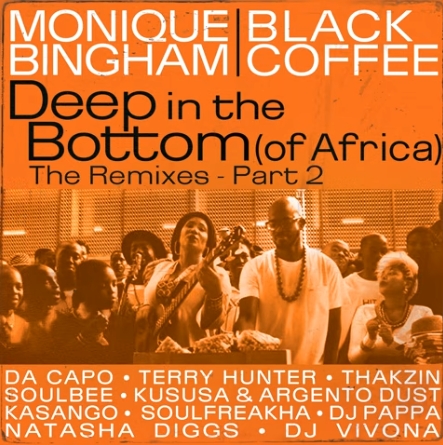
The Da Capo Touch Edit introduces a fresh dimension to the original composition. Da Capo, himself a respected figure in the Afro-house scene, brings his unique production flair to the track. His remix is characterized by a refined melodic approach, adding layers of intricate harmonies and evocative textures that further enhance the track’s emotional resonance. While respecting the core elements of Bingham’s vocals and Black Coffee’s production, Da Capo’s edit injects a renewed sense of energy and a slightly different emotional arc, making it a compelling reinterpretation that appeals to both existing fans and new listeners. This careful balance between innovation and preservation is a hallmark of a skilled remixer, and Da Capo demonstrably achieves this here.
Context and Recent Collaborations
The release of “Deep In The Bottom (of Africa) (Da Capo Touch Edit)” arrives at a time when the collaborative energy within the Afro-house and broader electronic music scenes is particularly vibrant. It is noteworthy that Monique Bingham, along with Busiswa and BERNT, recently featured on the track “Man2Man,” which also included Charisse C and “Let Me You.” This earlier collaboration, released on the digital platform Fakaza, highlights Bingham’s ongoing engagement with diverse artists and her consistent output of quality music. Such frequent collaborations suggest a thriving ecosystem of artists who are not only pushing creative boundaries but also actively supporting each other’s work, contributing to the overall growth and diversification of the genre. The presence of Charisse C and “Let Me You” on “Man2Man” further indicates a willingness to bridge different styles and sounds within the electronic music spectrum.
Sonic Architecture and Cultural Resonance
The production of “Deep In The Bottom (of Africa) (Da Capo Touch Edit)” is a masterclass in building a compelling sonic environment. The track’s foundation is laid with deep, driving basslines that provide an irresistible pulse, essential for any dancefloor-oriented track. These are interwoven with intricate layers of organic percussion, which add a tactile, earthy quality, reminiscent of traditional African rhythms. The melodic framework is built upon warm, inviting piano chords that convey a sense of introspection and soulfulness, while the atmospheric synth textures create a sense of space and depth, enveloping the listener in a rich sonic tapestry. The vocal layering, expertly handled by Monique Bingham, adds a human dimension that is both emotionally resonant and rhythmically engaging.
Da Capo’s contribution as a remixer is crucial to the track’s overall impact. His "Touch Edit" is not merely an alteration but an enhancement, carefully designed to amplify the emotional depth of the original while maintaining its core identity as a sophisticated deep house anthem. He achieves this by refining the melodic elements, introducing subtle yet impactful harmonic progressions, and ensuring that the rhythmic foundation remains both propulsive and nuanced. This approach results in a hypnotic and immersive soundscape that draws the listener in, creating a journey that is both intellectually stimulating and viscerally satisfying.
Artistic Synergy and Impact
The synergy between Monique Bingham and Black Coffee is palpable throughout the track. Bingham’s soulful vocal performance serves as the emotional anchor, conveying a sense of longing, celebration, and profound connection. Her ability to weave narratives through her lyrics and vocalizations adds a layer of depth that transcends typical electronic music vocal contributions. Black Coffee’s production, in turn, provides a sophisticated and atmospheric backdrop that perfectly complements Bingham’s voice. His signature style, which blends deep grooves with expansive sound design, creates a sonic canvas that allows both the vocals and the instrumental elements to shine.
The overall impact of “Deep In The Bottom (of Africa) (Da Capo Touch Edit)” is that of a beautifully crafted Afro-house collaboration. It stands as a powerful showcase of vocal artistry, cultural expression, and exceptional production quality. The track’s deep grooves, evocative melodies, and its embodiment of a timeless African spirit position it as a standout piece for enthusiasts of soulful electronic music. It is a track that invites introspection while simultaneously compelling movement, a rare balance that speaks to the genre’s potential for both emotional depth and universal appeal.

Broader Implications for the Genre
The continued success and recognition of artists like Black Coffee, Monique Bingham, and Da Capo are instrumental in shaping the global perception of Afro-house. Tracks like “Deep In The Bottom (of Africa) (Da Capo Touch Edit)” serve as ambassadors for the genre, demonstrating its sophistication, emotional range, and its capacity for cross-cultural appeal. The increasing prominence of these artists in international music circuits not only validates their individual talents but also signifies a broader acceptance and appreciation of African electronic music on a global scale. This trend suggests a future where distinct regional sounds are not only recognized but celebrated as integral components of the global music landscape, fostering greater diversity and innovation.
The collaborative nature of this release also highlights the interconnectedness of the music industry. The presence of multiple artists, including remixers, from different regions or with different specialties, underscores the fluid and dynamic nature of contemporary music production. It also points to the power of digital platforms and online communities in facilitating these collaborations and disseminating music to a worldwide audience. The ability to access and engage with such diverse musical offerings has never been easier, leading to a more informed and appreciative global listenership.
A Testament to African Musical Heritage
At its core, “Deep In The Bottom (of Africa) (Da Capo Touch Edit)” is a celebration of African musical heritage, reinterpreted through the lens of modern electronic music. The track’s title itself evokes a sense of rootedness and origin, suggesting a deep connection to the continent and its rich cultural tapestry. The incorporation of elements that are distinctly African, whether in the rhythmic patterns, the melodic phrasing, or the overall emotive quality, resonates with a global audience seeking authenticity and depth in their music. This fusion of traditional influences with contemporary production techniques is a defining characteristic of Afro-house and a significant contributor to its growing international appeal.
The success of such tracks also has economic implications, providing opportunities for artists, producers, and associated industries within Africa. As African artists gain more international traction, it opens doors for increased touring, licensing opportunities, and brand collaborations, further stimulating the growth of the continent’s creative economy. The global success of Black Coffee, for instance, has been a beacon for many emerging artists, demonstrating that a career in electronic music is not only viable but can reach the highest echelons of international acclaim.
Looking Ahead
The release of “Deep In The Bottom (of Africa) (Da Capo Touch Edit)” is a significant moment in the Afro-house calendar. It reaffirms the genre’s capacity for producing music that is both deeply soulful and rhythmically compelling, appealing to a wide range of listeners. The collaboration between Monique Bingham and Black Coffee, enhanced by Da Capo’s masterful remix, is a testament to the enduring power of artistic synergy and the vibrant creativity that continues to emerge from the African continent. As this track undoubtedly finds its place in playlists and dancefloors worldwide, it serves as a powerful reminder of the beauty and richness of African musical expression in the global electronic music sphere. The ongoing evolution of Afro-house, driven by such high-caliber releases, promises an exciting future for the genre and its influential artists. The track’s enduring appeal will likely stem from its emotional resonance, its sophisticated production, and its potent connection to a rich cultural heritage, making it a cornerstone of the Afro-house sound for years to come.