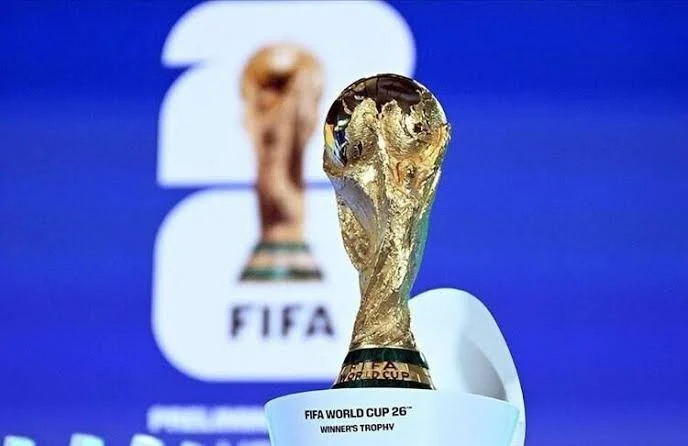
In a move that signals a significant evolution in how global footballing excellence is recognized, the Fédération Internationale de Football Association (FIFA) has announced a groundbreaking addition to the prestigious FIFA World Cup honors. For the first time in the tournament’s storied 96-year history, victorious national teams will be presented with championship rings, a tradition long synonymous with major sporting achievements, particularly in the United States. This historic decision aims to imbue the World Cup with an additional layer of tangible legacy, mirroring the celebratory customs of leagues such as the National Football League (NFL), the National Basketball Association (NBA), Major League Baseball (MLB), and the National Hockey League (NHL).
The introduction of championship rings alongside the coveted FIFA World Cup Trophy and gold medals signifies a deliberate effort by FIFA to elevate the symbolic value of its premier competition. These rings are intended to serve as enduring tokens of triumph, commemorating the immense dedication, skill, and teamwork required to conquer the pinnacle of international football. Thirty exclusive championship rings will be meticulously crafted for each winning national team. This allocation ensures that every player who contributes to the championship, along with essential coaching staff and key support personnel, receives a personal memento of their monumental achievement. This gesture acknowledges the collective effort behind a World Cup victory, recognizing that success on this scale is rarely the product of individual brilliance alone.
Beyond the official team awards, FIFA is also set to release a limited run of 1,996 commemorative rings for dedicated supporters worldwide. This specific number is not arbitrary; it serves as a poignant tribute to 1996, the year FIFA officially introduced the FIFA World Cup champions’ badge. This badge, a symbol of past glory and enduring legacy, has been worn by champions since its inception. The commemorative rings, therefore, offer fans an unparalleled opportunity to own a tangible piece of World Cup history, connecting them directly to the tournament’s evolution and its most celebrated moments. These collector’s items are anticipated to become highly sought-after, appealing not only to ardent football fans but also to memorabilia enthusiasts.
The decision to introduce championship rings marks a departure from traditional World Cup accolades, which have historically centered on the trophy and medals. While these remain paramount, the addition of rings injects a contemporary element, aligning the World Cup with the celebratory culture of elite American sports. In these leagues, championship rings are often elaborate and highly personalized, representing years of hard work, overcoming adversity, and ultimately, achieving the ultimate prize. FIFA’s adoption of this practice suggests a desire to foster a similar sense of lasting achievement and pride among its champions and their supporters.
A Deep Dive into the History and Evolution of World Cup Recognition
The FIFA World Cup, first held in 1930 in Uruguay, has always been about more than just the trophy. It is a celebration of national pride, a global spectacle that unites billions, and a testament to the enduring power of sport. For decades, the ultimate reward for triumph has been the iconic Jules Rimet Trophy (later replaced by the FIFA World Cup Trophy) and the gold medals presented to the winning team members. These have always been considered the pinnacle of footballing achievement, symbolizing global dominance and athletic supremacy.
The early days of the World Cup saw less formalized recognition beyond the trophy. However, as the tournament grew in stature and commercial appeal, so too did the emphasis on individual and team accolades. The introduction of player-of-the-tournament awards, golden boot awards for top scorers, and the recognition of individual team members on the podium became standard. Yet, the concept of a championship ring, a deeply ingrained tradition in North American professional sports, had remained absent from the World Cup landscape until now.
The genesis of the championship ring tradition can be traced back to the early 20th century, with its widespread adoption gaining momentum in the mid-20th century. Major League Baseball teams were among the first to present rings to their players, solidifying the practice as a symbol of victory. The NFL and NBA followed suit, making championship rings an indispensable part of their championship ceremonies. These rings, often adorned with diamonds and precious metals, are not merely jewelry; they are intricate works of art that encapsulate the narrative of a championship season, detailing the team’s record, playoff opponents, and significant achievements.
The Significance of the Commemorative Rings and the 1996 Tribute
The decision to produce 1,996 commemorative rings for fans is a shrewd move by FIFA, designed to foster a deeper connection between the global fanbase and the tournament. The choice of the number 1,996 is particularly symbolic. In 1996, FIFA introduced the official FIFA World Cup champions’ badge. This emblem, awarded to the winners and worn on their kits in subsequent matches, has become a hallmark of championship status. By linking the commemorative rings to this significant year, FIFA is not only offering a collectible but also reinforcing the historical context and the enduring legacy of World Cup success.
This initiative has the potential to create a new revenue stream for FIFA, while simultaneously engaging fans on a more personal level. For many supporters, owning a piece of championship memorabilia is a way to feel closer to their national team’s triumphs. The rarity and symbolic value of these rings are expected to drive demand, making them highly desirable items for collectors and dedicated followers alike. The anticipation surrounding the design and availability of these rings is already palpable, with fans eager to see how FIFA will interpret this tradition within the context of international football.
Reactions and Inferred Implications
While official statements from FIFA have been concise, the announcement has generated considerable buzz within the footballing community. Sports analysts and journalists have widely interpreted this move as a strategic alignment with global sporting trends, aiming to enhance the prestige and commercial appeal of the World Cup.
One can infer that this decision has been met with enthusiasm by players and national federations, who will now have an additional, highly personal, and lasting symbol of their ultimate achievement. For players, a championship ring offers a tangible reminder of their contribution to a historic victory, something that can be passed down through generations. For federations, it represents a new avenue for fan engagement and merchandise.
The implications of this change are multifaceted. Firstly, it elevates the perceived value and status of the World Cup by adopting a tradition that signifies ultimate sporting achievement in other major global sports. Secondly, it opens up new commercial opportunities for FIFA and potentially for the winning national teams through licensing and merchandise. Thirdly, it fosters a deeper connection with the fanbase, providing supporters with a unique way to commemorate their team’s success.
However, questions remain regarding the design, materials, and ethical considerations of producing such high-value items. FIFA has yet to unveil the specific designs of either the official championship rings or the commemorative fan editions. Details concerning their pricing, production timeline, and global availability are also pending. The industry standard for championship rings often involves precious metals and gemstones, which can lead to significant costs. FIFA will need to strike a balance between creating a prestigious and desirable product and ensuring its accessibility, particularly for the fan editions.
The environmental and ethical sourcing of materials for these rings will also likely come under scrutiny, as consumers become increasingly conscious of sustainability and ethical production practices. FIFA’s commitment to responsible sourcing will be a key factor in the public reception of these new awards.
A Look Ahead: The Future of World Cup Recognition
The introduction of championship rings is more than just a superficial addition; it represents a thoughtful evolution in how FIFA acknowledges and celebrates its most significant achievement. As the World Cup continues to grow in global reach and cultural impact, such innovations are crucial for maintaining its relevance and appeal.
The World Cup has always been a mirror of global trends, both on and off the field. This latest move reflects the increasing importance of tangible symbols of achievement and the growing desire for fans to feel a personal connection to their sporting heroes and their triumphs. The championship ring, once solely a North American sports phenomenon, is now poised to become an integral part of football’s most celebrated legacy.
The exact timeline for the distribution of these rings remains unconfirmed, but it is widely expected that the winners of the next FIFA World Cup will be the first to receive this distinguished honor. The anticipation surrounding the first-ever World Cup championship ring ceremony is sure to be immense, marking a new chapter in the storied history of the beautiful game. This historic change underscores FIFA’s commitment to innovation and its understanding of what makes sporting victories truly resonate with athletes and fans alike. The iconic trophy and medals will undoubtedly remain the ultimate symbols of World Cup glory, but the championship ring will now add another glittering layer to that unparalleled achievement.