The global health landscape is currently grappling with a paradoxical crisis: while medical technology has advanced significantly, many individuals remain unaware of life-threatening conditions until they reach a critical stage. Among these "silent killers," high cholesterol stands as a primary antagonist in the narrative of cardiovascular disease. Unlike high blood pressure or high blood sugar, which may occasionally manifest through headaches, fatigue, or excessive thirst, high cholesterol—medically known as hypercholesterolemia—rarely offers warning signs. It is a condition that often remains invisible until it manifests as a catastrophic event, such as a myocardial infarction or an ischemic stroke. As the World Health Organization (WHO) and various national health bodies intensify their campaigns against non-communicable diseases (NCDs), the focus has shifted toward the hidden dangers of lipid imbalances and the urgent need for preventative screening.
The Global Burden of Cardiovascular Disease
Cardiovascular diseases (CVDs) are the leading cause of mortality worldwide, claiming an estimated 17.9 million lives every year. According to the WHO, these deaths represent approximately 31% of all global deaths. Of these fatalities, 85% are due to heart attacks and strokes. High cholesterol is a significant contributor to these figures, acting as a precursor to atherosclerosis—the thickening and hardening of the arteries.
The Centers for Disease Control and Prevention (CDC) reinforces this concern, noting that nearly 1 in 3 American adults has high cholesterol, yet many are unaware of their status. In developing regions, including Sub-Saharan Africa, the burden is shifting. Historically, these regions focused on infectious diseases; however, rapid urbanization and the adoption of Westernized "ultra-processed" diets have led to a surge in NCDs. In Nigeria, medical experts are sounding the alarm as the prevalence of high cholesterol rises among younger populations who are increasingly sedentary and reliant on fast-moving consumer goods for nutrition.
The Biological Mechanism: How Cholesterol Becomes a Threat
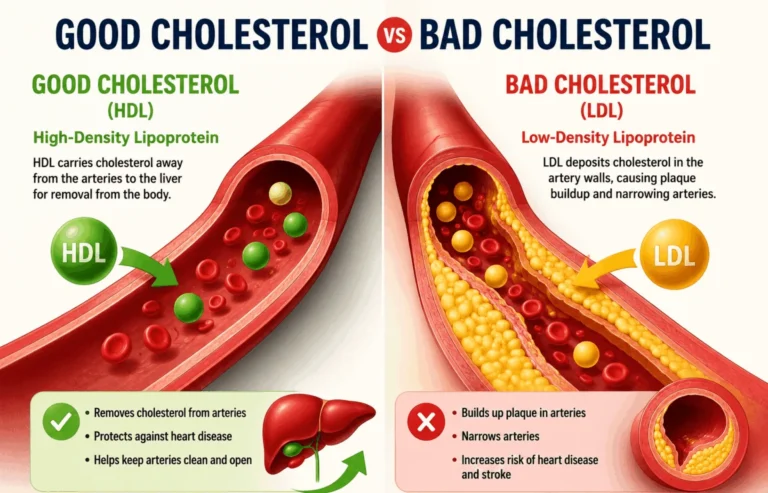
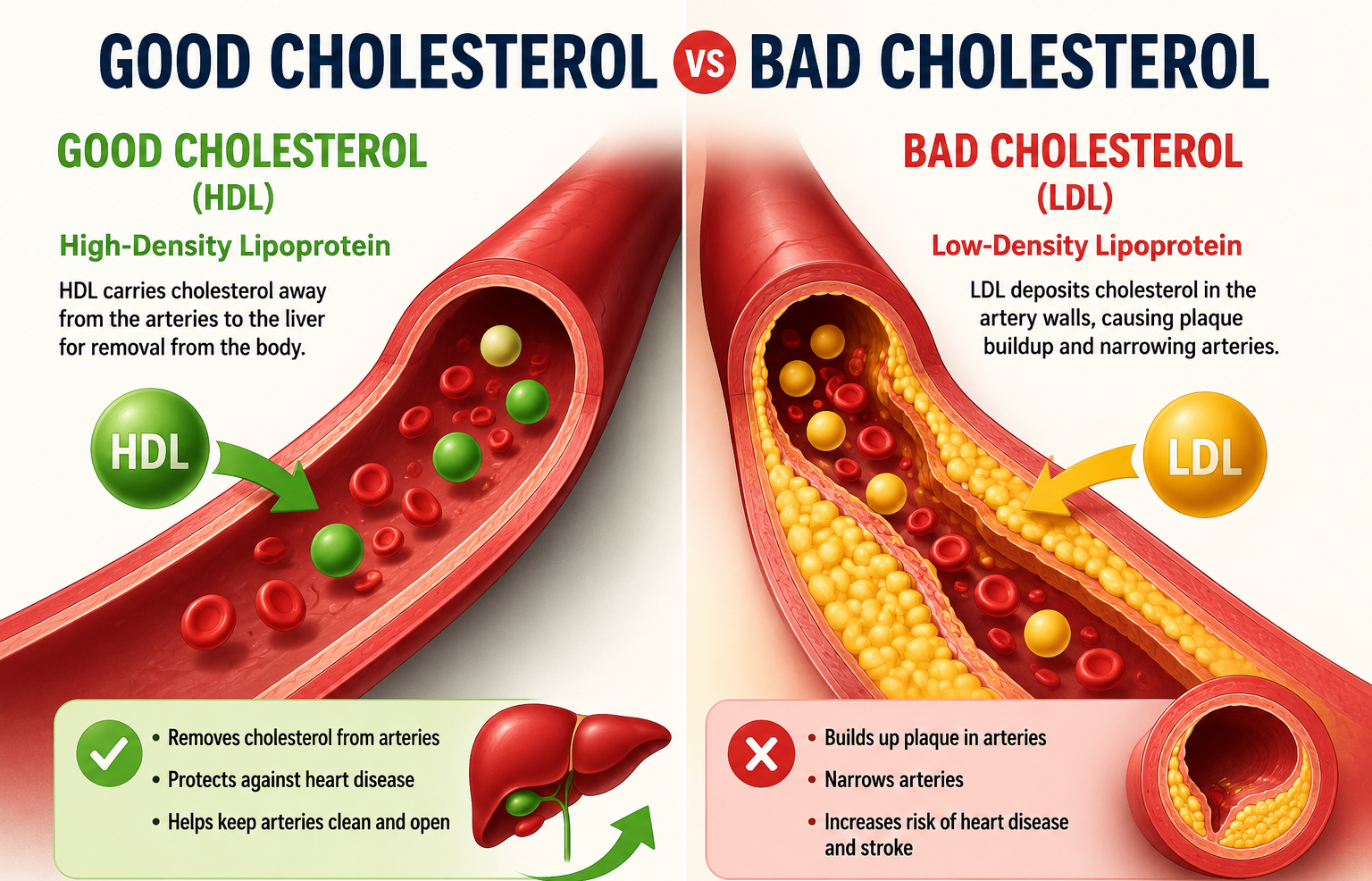
To understand the danger, one must distinguish between the types of cholesterol circulating in the blood. Cholesterol is a waxy, fat-like substance that the liver produces naturally; it is essential for building cells, producing hormones, and synthesizing vitamin D. However, problems arise when there is an imbalance between Low-Density Lipoprotein (LDL) and High-Density Lipoprotein (HDL).
LDL, often termed "bad" cholesterol, carries cholesterol to the cells. When levels are excessively high, LDL begins to deposit on the walls of the arteries. Over time, these deposits combine with other substances to form plaque. This process, known as atherosclerosis, narrows the arterial passages, restricting blood flow. Conversely, HDL, or "good" cholesterol, acts as a scavenger, carrying excess cholesterol back to the liver to be flushed from the body. A high level of LDL coupled with low HDL creates a volatile environment for the circulatory system.
When a plaque rupture occurs, a blood clot forms at the site. If this clot blocks an artery feeding the heart, it results in a heart attack. If it blocks an artery leading to the brain, it causes a stroke. Because this buildup happens over decades, an individual can feel perfectly healthy while their internal "piping" is dangerously compromised.
Identifying the At-Risk Demographics
While high cholesterol does not discriminate by age or gender, certain factors significantly elevate an individual’s risk profile. Dr. Happiness Akinde, a prominent medical professional, notes that the risk becomes more pronounced as individuals cross the age of 40. However, she warns that the "safety net" of youth is disappearing due to modern lifestyle shifts.
Key risk groups include:
- Individuals with Pre-existing Conditions: Those living with Type 2 diabetes, hypertension, or chronic kidney disease are at a higher risk because these conditions can lower HDL levels and raise LDL levels, further damaging the lining of the blood vessels.
- The Obese and Overweight: Excess body fat, particularly visceral fat around the abdomen, is closely linked to higher triglyceride levels and lower "good" cholesterol.
- Genetic Predisposition: Familial hypercholesterolemia is a genetic condition where the body is unable to remove LDL cholesterol from the blood, leading to high levels from birth.
- Lifestyle Factors: Chronic smokers and those who consume alcohol excessively face increased risks. Smoking, in particular, damages the walls of the blood vessels, making them more likely to accumulate fatty deposits.
The Nigerian Context: Reused Oil and Sedentary Habits
In Nigeria, the intersection of economic challenges and dietary habits has created a unique set of risks. Dr. Akinde highlights a specific cultural and commercial practice: the repeated reuse of cooking oil. In many households and among roadside food vendors, oil is heated to high temperatures multiple times to save costs.
"Every time cooking oil is heated to very high temperatures, it breaks down and forms harmful compounds, including oxidized fats and trans fats," Dr. Akinde explains. These compounds are notorious for increasing systemic inflammation and raising LDL levels. Health experts advise that oil should be discarded if it darkens significantly, thickens, develops a foul odor, or begins to smoke at lower temperatures than usual.
Furthermore, the "nutrition transition" in urban Nigerian centers has seen a shift away from traditional, fiber-rich meals toward "convenience foods" high in trans fats and refined sugars. When combined with the increasing prevalence of desk-bound jobs and a lack of recreational physical activity, the result is a burgeoning public health crisis.
The Timeline of Screening: When to Check Your Numbers
Because high cholesterol is asymptomatic, regular medical check-ups are the only reliable way to monitor cardiovascular health. The medical community has established a general timeline for screening to ensure early detection:
- Ages 20 to 35: Healthy adults should have a baseline cholesterol test at least once during this period. If risk factors like obesity or a family history of heart disease are present, more frequent testing is required.
- Ages 40 and Above: For men aged 45 to 65 and women aged 55 to 65, screening should occur every one to two years. For those over 65, annual testing is generally recommended.
- High-Risk Individuals: Patients already diagnosed with hypertension, diabetes, or existing heart disease should follow a schedule dictated by their physician, which may involve quarterly or bi-annual lipid profile tests.
A standard lipid profile measures total cholesterol, LDL, HDL, and triglycerides. Knowing these "numbers" allows healthcare providers to intervene with lifestyle modifications or statin therapy before a cardiac event occurs.

Dietary Interventions and Local Solutions
Managing cholesterol does not necessarily require expensive "superfoods" imported from abroad. Dr. Akinde emphasizes that locally available Nigerian foods are highly effective in maintaining heart health. Soluble fiber, found in abundance in legumes and local vegetables, is particularly effective at binding to cholesterol in the digestive system and removing it from the body.
Recommended dietary adjustments include:
- Legumes: Beans and lentils are excellent sources of protein and fiber.
- Leafy Greens: Vegetables such as Ugwu (fluted pumpkin leaves), Efo Shoko, and Okra are low in calories and high in essential nutrients.
- Whole Grains and Tubers: Swapping refined flours for oats, sweet potatoes, and whole-wheat options can improve lipid profiles.
- Healthy Fats: Reducing the intake of fatty red meats and processed sausages in favor of fish (rich in Omega-3 fatty acids) and moderate amounts of vegetable oils.
- Cooking Methods: Shifting from deep-frying to boiling, grilling, steaming, or baking can significantly reduce the intake of harmful fats.
The Role of Physical Activity
Beyond diet, physical activity is a non-negotiable component of cardiovascular health. The WHO recommends at least 150 minutes of moderate-intensity aerobic physical activity—such as brisk walking—per week. Exercise helps raise HDL cholesterol and lowers LDL and triglycerides. For the busy professional, this can be broken down into 30-minute sessions five days a week. Consistent movement improves the efficiency of the heart muscle and helps maintain a healthy weight, further reducing the strain on the circulatory system.
Analysis of Implications: A Public Health Imperative
The economic implications of ignoring high cholesterol are staggering. The cost of treating a stroke survivor or a heart attack patient—including hospitalization, surgery, long-term medication, and lost productivity—far outweighs the cost of a simple blood test and a healthy diet. For a country like Nigeria, where out-of-pocket healthcare spending is high, prevention is not just a health choice; it is a financial necessity.
Moreover, the "silent" nature of the condition means that public health authorities must move beyond clinical settings and engage in community outreach. Workplace wellness programs, school nutrition policies, and stricter regulations on trans fats in processed foods are essential pillars of a comprehensive strategy to reduce the national cardiovascular burden.
Conclusion: Taking Control of Heart Health
The message from medical experts and global health organizations is clear: do not wait for symptoms to appear. High cholesterol is a manageable condition, but it requires proactive engagement. By understanding the risks, adhering to screening schedules, and making small but consistent changes to diet and activity levels, individuals can significantly reduce their risk of life-altering cardiovascular events.
"High cholesterol is silent, but its complications are not," Dr. Akinde concludes. The path to a healthier heart begins with the simple step of "knowing your numbers." In the fight against the world’s leading killer, knowledge and early intervention remain the most powerful weapons available to the public.