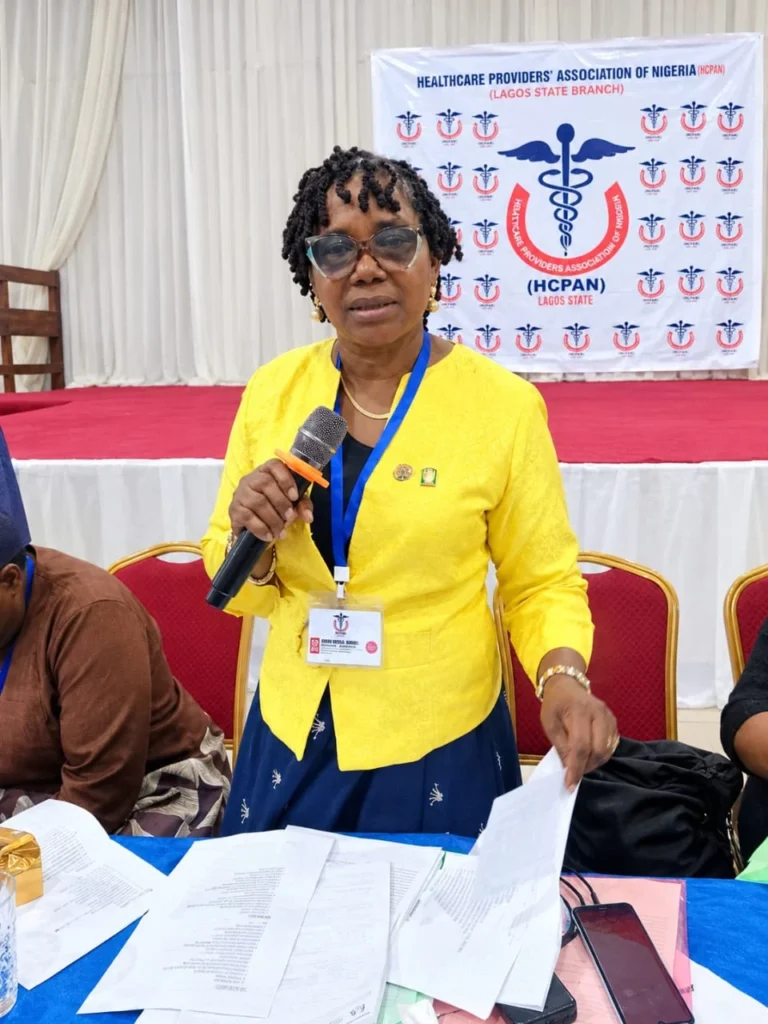
The Healthcare Providers’ Association of Nigeria (HCPAN), Lagos State Chapter, has underscored the critical need for a structural overhaul of Nigeria’s health insurance architecture, specifically targeting the informal sector to accelerate the nation’s journey toward Universal Health Coverage (UHC). This strategic call to action served as the focal point of the 2026 Scientific Conference and Annual General Meeting (AGM), held at the Lagos Chamber of Commerce and Industry in Alausa, Ikeja. The event, which served as a platform for industry experts, policymakers, and private sector stakeholders, also marked a significant leadership transition, with Medical Laboratory Scientist Abimbola Julius Adekoya stepping into the role of chairman, succeeding the outgoing Pharm. (Mrs.) Biola Paul-Ozieh.
The Informal Sector Imperative: A Contextual Overview
Nigeria’s path to universal health coverage has been historically fraught with systemic hurdles. Despite the introduction of various health insurance initiatives over the past two decades, progress remains stagnant, with out-of-pocket expenditure (OOPE) still accounting for over 70% of total health spending in many regions. The informal sector, which constitutes the majority of the Nigerian workforce, remains largely excluded from the formal insurance net due to the irregular nature of their income and a lack of trust in existing institutional frameworks.
During the conference, themed "Expanding Health Insurance Coverage in Nigeria: Improving Community-Based Insurance Schemes in the Informal Sector," experts analyzed the inherent weaknesses in current models. Outgoing chairman Pharm. Biola Paul-Ozieh highlighted that after 22 years of practice, the sector is still grappling with the same fundamental issues that hindered early adoption: limited provider participation, inadequate tariff structures, and the systemic marginalization of certain healthcare professional cadres.
Historical Timeline of HCPAN Advocacy
The trajectory of HCPAN in Lagos has been defined by a decade of persistent advocacy for the professional interests of private health providers. Since the inception of the National Health Insurance Authority (NHIA) and its subsequent expansion through state-level agencies like the Lagos State Health Management Agency (LASHMA), the association has functioned as the primary bridge between the frontline provider and the regulatory body.
The 2022–2026 tenure of Pharm. Paul-Ozieh was characterized by efforts to stabilize the provider-HMO (Health Maintenance Organization) relationship. However, the 2026 conference served as a sobering reminder of the distance yet to be covered. By identifying the specific barriers—such as the delayed reimbursement cycles that cripple small-scale clinics and the technical exclusion of specialized diagnostic and pharmacy services—the association has signaled a shift in strategy from mere representation to active, data-driven negotiation.

Official Perspectives and Policy Alignment
Representing the Lagos State Commissioner for Health, Prof. Akin Abayomi, Dr. Tolu Babatope emphasized that the government’s vision for 2027 and beyond rests on a multi-sectoral approach. The Lagos State government, through LASHMA, has been aggressively pursuing grassroots enrollment campaigns. However, the government acknowledges that enrollment alone is insufficient if the provider network lacks the capacity to deliver quality, timely, and affordable care.
"The integration of community pharmacies and diagnostic centers into the insurance net is no longer optional; it is a clinical necessity," Dr. Babatope remarked. He noted that the current digital infrastructure—while improved—requires further investment to ensure that referral systems are seamless, preventing the "bottleneck effect" often seen in public-private partnerships.
Dr. Chibuzo Opara, CEO of DrugStoc Limited, provided the keynote perspective, arguing that the "one-size-fits-all" model of health insurance has failed the Nigerian market. He proposed a shift toward micro-insurance products that mirror the economic realities of the informal sector. "When an artisan or a market trader earns daily, asking for a fixed monthly premium is an invitation to lapse in coverage. We must design products that are flexible, accessible, and, most importantly, deliver value at the point of need," he stated.
Economic Implications and Sectoral Challenges
The challenges articulated at the conference extend beyond mere policy; they touch on the economic survival of private healthcare providers. The current inflationary climate in Nigeria has led to a significant increase in the cost of medical consumables and energy, yet tariff structures for insurance providers have often lagged behind, creating a "cost-price squeeze" for private clinics.
Pharm. Olufemi Adeoye, the Lagos Zonal Coordinator of the NHIA, addressed the sub-theme regarding the participation of diverse healthcare professionals. He underscored that an interdisciplinary approach is essential for scaling insurance. By incorporating pharmacists, laboratory scientists, and physiotherapists into the formal referral pathways, the system can reduce the burden on general practitioners while improving patient outcomes. The consensus among participants was that the sustainability of the scheme relies heavily on:
- Transparent Reimbursement: Moving to real-time or automated payment systems to maintain provider liquidity.
- Digital Integration: Utilizing unified health records to minimize administrative errors and fraud.
- Tariff Realignment: Periodically adjusting insurance premiums and payouts to reflect current market rates for drugs and services.
A Transition in Leadership: The Adekoya Era
The election of Abimbola Julius Adekoya as the new chairman marks a pivotal shift for the Lagos HCPAN. Having served as the representative for medical laboratory scientists, Adekoya brings a multidisciplinary focus to the leadership, which many members believe will foster greater internal cohesion.

In his acceptance speech, Adekoya outlined an ambitious roadmap for his tenure. He signaled a move away from passive advocacy, stating, "The era of merely cataloging our complaints is over. We are moving into an era of practical solutions where we engage LASHMA and the HMOs with data, concrete evidence, and a clear vision for how private healthcare can thrive within the state’s insurance framework."
Adekoya’s administration has pledged to focus on four core pillars:
- Enhanced Visibility: Strengthening the association’s public profile to ensure providers are treated as equal partners in the health delivery chain.
- Financial Independence: Exploring collective investment opportunities for members to mitigate the risks associated with volatile payment cycles.
- Welfare and Advocacy: Ensuring that the interests of every component group—from nurses to laboratory scientists—are protected in future negotiations with regulatory agencies.
- Governmental Synergy: Working closely with the Lagos State Ministry of Health to refine the referral infrastructure, ensuring that the patient is the ultimate beneficiary of any policy adjustment.
Broader Impact and Future Outlook
The 2026 AGM was attended by a robust contingent of healthcare leaders, including Dr. Anthony Omolola, Dr. Austin Aipoh, and Prof. Daniel Odebiyi, indicating strong institutional support for the new leadership. The presence of key figures from HEFAMAA and the ACPN further highlights the importance of the conference as a regulatory-provider nexus.
As Nigeria continues to grapple with high rates of non-communicable diseases and an aging population, the role of community-based health insurance becomes even more vital. If the recommendations made at the Lagos HCPAN conference are adopted—specifically the integration of pharmacy-led health services and the implementation of flexible payment models—it could provide a blueprint for other states to follow.
The implications of this gathering are clear: for universal health coverage to move from a government slogan to a reality for the average Nigerian, the private sector must not only be involved but empowered. The success of Abimbola Adekoya’s tenure will be measured by his ability to bridge the gap between the bureaucratic requirements of health insurance and the practical, daily operational realities of the providers who keep the system running. As the association looks toward 2030, the call for reform is louder than ever, with the Lagos chapter positioning itself at the vanguard of that necessary transformation.