Abuja, Nigeria – The National Broadcasting Commission (NBC) has announced its intention to establish an independent tribunal, comprising retired judges and other impartial officials, to adjudicate cases of broadcast violations. This strategic move comes amidst the commission’s ongoing legal challenges regarding its authority to unilaterally impose financial sanctions on erring broadcast stations. The NBC has also affirmed its decision to appeal a recent Court of Appeal judgment that upheld a lower court’s ruling, nullifying the commission’s power to impose monetary fines without an independent adjudicatory process.
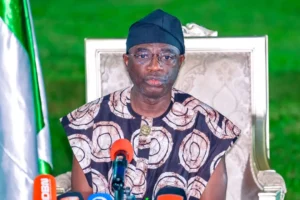
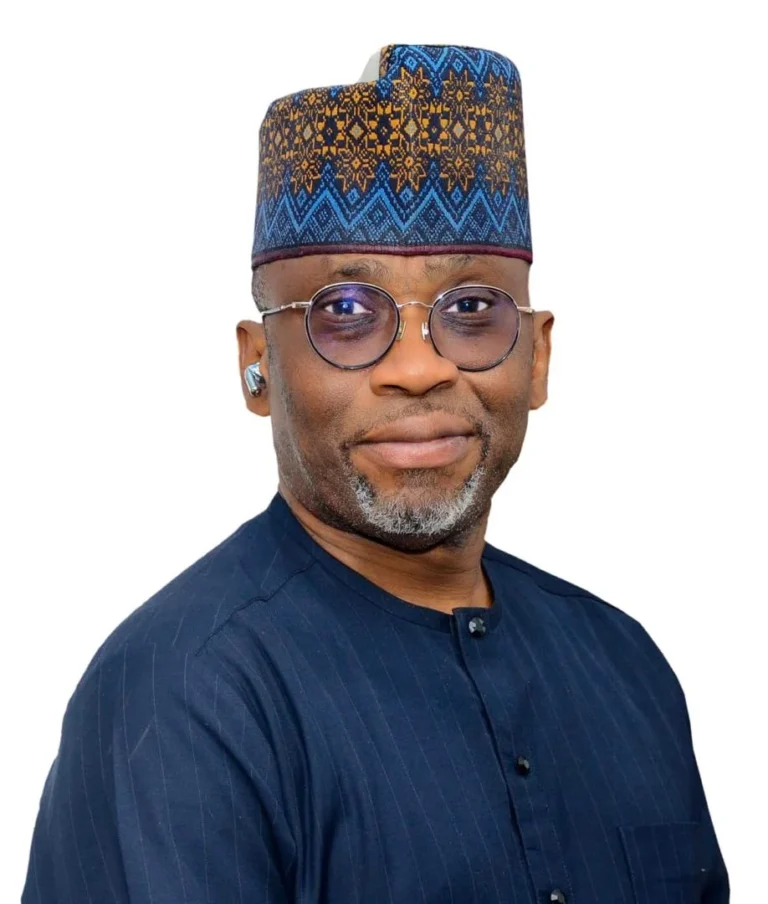
Dr. Charles Ebuebu, Director-General of the NBC, disclosed these developments in an exclusive interview in Abuja, emphasizing the commission’s commitment to robust broadcast regulation while adhering to principles of fairness and due process. Ebuebu clarified that the core issue from the court’s perspective was not the NBC’s power to sanction per se, but rather the method of imposing financial penalties without a separation of powers. "The court didn’t say NBC cannot sanction. It only said you cannot be a judge and jury in your own case," Ebuebu stated, encapsulating the judiciary’s position. He highlighted that the judgments specifically targeted financial sanctions, which the courts deemed akin to criminal penalties when imposed without an independent judicial review. The NBC, however, maintains that administrative fines, which are distinct from criminal penalties, fall within its regulatory purview, hence its decision to pursue further appeals.
The Genesis of the Legal Challenge: A Timeline of Rulings
The controversy surrounding the NBC’s sanctioning powers has been a significant point of contention within Nigeria’s media landscape for several years, pitting regulatory authority against media rights and the principles of fair hearing.
The immediate legal battle began to escalate in May 2023, when the Federal High Court in Abuja delivered a landmark judgment. The court ruled decisively that the NBC lacked the inherent power to unilaterally impose financial sanctions on broadcast stations without judicial intervention. This ruling stemmed from a suit instituted against the commission by the Incorporated Trustees of Media Rights Agenda (MRA), a prominent non-governmental organization advocating for media freedom and human rights. The court’s rationale was rooted in the fundamental principle of fair hearing, asserting that imposing monetary fines without an independent adjudicatory process constituted a breach of this constitutional right. Consequently, the judgment nullified several fines previously imposed by the NBC on various affected broadcasters. This initial ruling sent ripples across the broadcasting sector, with many media organizations hailing it as a victory for media freedom and due process.
Dissatisfied with the Federal High Court’s verdict, the NBC promptly appealed the decision, arguing that its power to impose administrative fines was crucial for effective regulation and was duly enshrined in its enabling Act. The commission contended that its role as a regulator necessitated immediate and decisive action against violations, and that subjecting every fine to a full judicial process would unduly burden the legal system and undermine its effectiveness.
However, the NBC faced another setback on April 2, 2024, when the Court of Appeal in Abuja dismissed its appeal. The appellate court affirmed the Federal High Court’s judgment, concluding that the commission’s appeal lacked merit. The Court of Appeal upheld the nullification of the fines imposed on affected broadcasters, reinforcing the stance that the NBC cannot unilaterally impose financial penalties under the existing legal framework without infringing on the rights of broadcasters to a fair hearing. This appellate ruling further solidified the judiciary’s position, underscoring the necessity of an impartial adjudicatory mechanism for financial sanctions.
In response to these successive judicial pronouncements, Dr. Charles Ebuebu has now indicated the NBC’s resolve to challenge the Court of Appeal’s decision at the Supreme Court, Nigeria’s apex court. This commitment to further legal action highlights the NBC’s firm belief in the necessity of its sanctioning powers for the effective discharge of its mandate.
NBC’s Proposed Solution: The Independent Tribunal
In parallel with its decision to pursue further legal redress, the NBC is actively designing a new regulatory framework that incorporates an independent tribunal. This tribunal, Ebuebu explained, would operate within the broader regulatory structure but remain distinct from the NBC itself, ensuring impartiality in the determination of broadcast violation cases. The proposed tribunal is envisioned to comprise retired judges and other independent officials, whose experience and objectivity would guarantee fairness and transparency in adjudicating alleged violations.
Ebuebu drew a compelling analogy between the planned tribunal and the Federal Road Safety Commission’s (FRSC) mobile court system. In the FRSC model, traffic offenders apprehended by road safety officials are presented before an independent mobile court or tribunal for immediate adjudication before sanctions are imposed. "If you’re caught, you go before a tribunal or a mobile court. You don’t really have to go before a fully-fledged magistrate court," he elaborated, suggesting a streamlined yet fair process. This comparison offers a glimpse into the NBC’s vision for a mechanism that can swiftly and impartially address violations without the full formality and potential delays of conventional courts, while still upholding the principle of an independent review of regulatory decisions. The aim is to bridge the gap identified by the courts, providing an independent forum for broadcasters to present their case before any financial penalties are finalized.
The Broader Context of Broadcast Regulation in Nigeria
The National Broadcasting Commission was established by the National Broadcasting Commission Act of 1992, subsequently amended, with a mandate to regulate and control the broadcasting industry in Nigeria. Its functions include licensing, setting standards for content, monitoring compliance, and ensuring ethical broadcasting practices. The NBC’s role is critical in a diverse nation like Nigeria, where broadcasting plays a pivotal role in public discourse, political participation, and cultural expression.
Over the years, the NBC has faced various criticisms and commendations. While credited with fostering a more organized broadcasting landscape and promoting local content, it has also been accused by media rights groups and some stakeholders of overreach, particularly concerning its powers to impose fines and suspend licenses. The current legal challenge is a culmination of these long-standing tensions, focusing squarely on the procedural fairness of its enforcement mechanisms.
The debate also touches upon the broader global trend of media regulation. Many countries grapple with balancing effective oversight with safeguarding freedom of expression. While regulatory bodies worldwide often have powers to impose sanctions, the nature and independence of the adjudicatory process vary. In some jurisdictions, administrative fines are subject to appeal before specialized administrative tribunals or judicial review, ensuring that the regulator is not the sole arbiter of its own cases. This aligns with the "judge and jury" principle cited by the Nigerian courts.
Implications for Media Freedom and Regulatory Effectiveness
The implications of these rulings and the NBC’s proposed response are multifaceted, impacting media freedom, regulatory effectiveness, and the rule of law in Nigeria.
From the perspective of media freedom advocates, the court judgments are a significant victory. Organizations like the Media Rights Agenda have consistently argued that the NBC’s unilateral power to impose fines could be abused, leading to self-censorship and stifling critical reporting. The nullification of fines and the insistence on an independent adjudicatory process are seen as crucial safeguards against arbitrary regulatory actions, fostering a more independent and vibrant media landscape. It reinforces the constitutional protection of freedom of expression and the right to a fair hearing, ensuring that broadcasters are not penalized without a robust and impartial review of their alleged infractions.
However, the NBC maintains that the removal of its direct sanctioning powers could weaken broadcast regulation and potentially lead to a decline in compliance. Dr. Ebuebu warned that some operators might disregard warning letters if they know that financial penalties cannot be swiftly imposed without a lengthy process. "We don’t want to go from warning letters to withdrawing a licence. That’s arbitrary. There must be a process, and we are going back to court to appeal that decision," he stated, highlighting the perceived need for a tiered enforcement mechanism that includes effective financial deterrents. The commission argues that administrative fines serve as a crucial intermediate step between verbal warnings and the drastic measure of license withdrawal, which can have severe economic and social consequences. Without this intermediate deterrent, regulators might be left with only extreme options, leading to less nuanced and potentially more disruptive enforcement.
The proposed independent tribunal represents a potential compromise. If structured effectively, it could address the judiciary’s concerns about fairness and due process while still allowing the NBC to maintain a degree of regulatory authority. The success of this tribunal will hinge on several factors, including the actual independence of its members, the clarity of its operational guidelines, and its capacity to handle cases efficiently. For the tribunal to gain public and industry trust, its composition must be unimpeachable, its proceedings transparent, and its decisions seen as fair and consistent.
Challenges and the Path Forward
The path ahead for the NBC and broadcast regulation in Nigeria remains complex. The ongoing appeal to the Supreme Court signifies the NBC’s determination to reclaim what it perceives as essential regulatory tools. Should the Supreme Court uphold the lower courts’ judgments, the independent tribunal will become an indispensable component of the NBC’s enforcement strategy. Conversely, if the Supreme Court rules in favor of the NBC, it would restore the commission’s power to impose fines unilaterally, though the public and media scrutiny of such powers would likely intensify.
Beyond the legal battles, the establishment of the independent tribunal itself presents significant logistical and operational challenges. The NBC will need to secure adequate funding, appoint highly qualified and truly independent officials, and develop robust procedural rules to ensure its effectiveness and credibility. The broadcasting industry, legal practitioners, and civil society organizations will be closely watching these developments. Their input and collaboration will be crucial in shaping a regulatory framework that effectively balances the need for order and standards in broadcasting with the fundamental rights to freedom of expression and fair hearing.
Ultimately, this ongoing saga underscores the delicate balance required in regulating a vital sector like broadcasting. It highlights the judiciary’s role in safeguarding constitutional rights against potential regulatory overreach and pushes the NBC to innovate its enforcement mechanisms to be both effective and demonstrably fair. The outcome of the Supreme Court appeal and the successful implementation of the independent tribunal will significantly shape the future of media regulation and freedom in Nigeria for years to come.