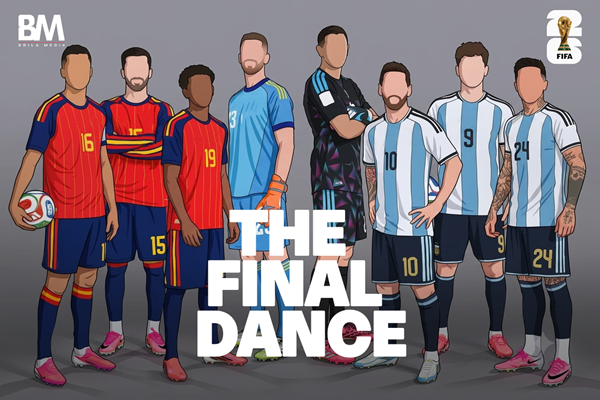
The grandest stage in international football has set the scene for a truly monumental encounter, as the 2026 FIFA World Cup Final is poised to deliver a dream showdown between two footballing giants: Spain and Argentina. On July 19th, the hallowed turf of MetLife Stadium in New Jersey will bear witness to a historic clash, pitting the reigning champions Argentina against a resurgent Spanish side hungry to etch their name into World Cup folklore once more. This championship decider is not merely a contest for the coveted trophy; it is a battle for legacy, a test of historical narratives, and a platform where individual brilliance and collective ambition will collide with unparalleled intensity.
A Duel for Supremacy: Records and Resurgence
The stakes in this 2026 World Cup Final are immeasurable, with both nations aiming to achieve significant historical milestones. Argentina, the defending champions, are on the cusp of achieving a feat rarely seen in the modern era of the tournament: securing back-to-back World Cup titles. Should they triumph, they would become the first nation since Brazil in 1962 to achieve this extraordinary accomplishment. A victory would also see them claim their fourth World Cup crown, drawing them level with footballing heavyweights Germany and Italy in the all-time standings. This pursuit of consecutive glory underscores Argentina’s enduring pedigree and their unwavering commitment to the highest echelons of international football.
For Spain, this final represents an opportunity to solidify their place among the elite and add a second star to their crest, a testament to their consistent performance and the evolution of their footballing philosophy. Their journey to the final has been marked by an impressive display of defensive solidity and tactical discipline, a hallmark of their style of play. A Spanish victory would not only add a second World Cup title to their nation’s history, following their iconic triumph in 2010, but would also place them alongside France and Uruguay, each with two World Cup victories. This shared status among footballing royalty highlights the profound significance of this potential achievement for Spanish football.
The Messi Factor: A Legendary Swan Song?
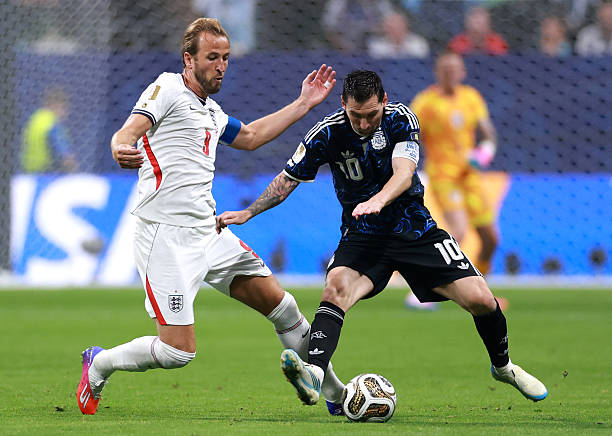
At the heart of Argentina’s pursuit of history is the undisputed maestro, Lionel Messi. Now 39 years old, this tournament represents a potential swansong for a player who has redefined the beautiful game. Another World Cup triumph would undoubtedly cement his status as the greatest player of all time, a narrative that has been debated and celebrated for years. Messi’s performance throughout the tournament has been nothing short of inspirational, with his goal-scoring prowess and playmaking ability proving instrumental in Argentina’s progress. His continued influence on the pitch at this advanced stage of his career is a testament to his unparalleled dedication and enduring genius.
Spain, conversely, has built a formidable reputation on the back of a remarkably consistent and impenetrable defense. Their journey to the final has been characterized by an almost unheard-of run of form, remaining unbeaten in normal time throughout the tournament. This defensive resilience, boasting the tournament’s stingiest defense with only a single goal conceded and a record six clean sheets, is a testament to the tactical organization and individual brilliance of their backline. This solid foundation has allowed their creative midfielders and forwards to flourish, showcasing a balanced and formidable team unit.
Contrasting Strengths: Attack vs. Defense
The final presents a compelling tactical dichotomy: Argentina’s potent and high-octane attack against Spain’s rock-solid defense. Argentina has showcased a remarkable ability to find the back of the net, emerging as the tournament’s highest-scoring team with an impressive tally of over 18 goals. Their matches have often been characterized by dramatic late comebacks and clutch performances, demonstrating a never-say-die attitude. Lionel Messi has been the driving force behind this offensive juggernaut, consistently finding the net and etching his name further into the all-time World Cup records.
Spain, on the other hand, has built its success on the bedrock of defensive excellence. Their ability to shut down opposition attacks and maintain clean sheets has been a defining characteristic of their campaign. This defensive fortitude, coupled with their control of possession and intricate passing game, presents a unique challenge for any opponent. The contrast in their primary strengths promises a captivating tactical battle, where offensive flair will be tested against defensive mastery.
Key Players to Watch: Icons and Emerging Stars
Argentina (Defending Champions – Coach: Lionel Scaloni)
The heartbeat of Argentina remains their talismanic captain, Lionel Messi. The eight-time Ballon d’Or winner has once again demonstrated his extraordinary talent, netting crucial goals and orchestrating the team’s attack with his visionary passing. As he chases the Golden Boot and the ultimate prize in what is likely his final World Cup appearance, his performance will be under intense scrutiny and admiration.
Beyond Messi, Argentina boasts a wealth of talent. The dynamic attacking partnership of Julián Álvarez and Lautaro Martínez provides a constant threat to opposition defenses, offering both pace and clinical finishing. In goal, Emiliano "Dibu" Martínez has been a commanding presence, making crucial saves and exuding an aura of confidence that inspires his teammates.
The midfield engine room is powered by the intelligent play of Alexis Mac Allister and the burgeoning talent of Enzo Fernández. Their ability to control the tempo, win possession, and initiate attacks is vital to Argentina’s strategy. The team’s path to the final has not been without its challenges, often requiring gritty comebacks and extraordinary performances, including moments of extra-time brilliance, showcasing their resilience and fighting spirit.
Spain (European Powerhouse – Coach: Luis de la Fuente)
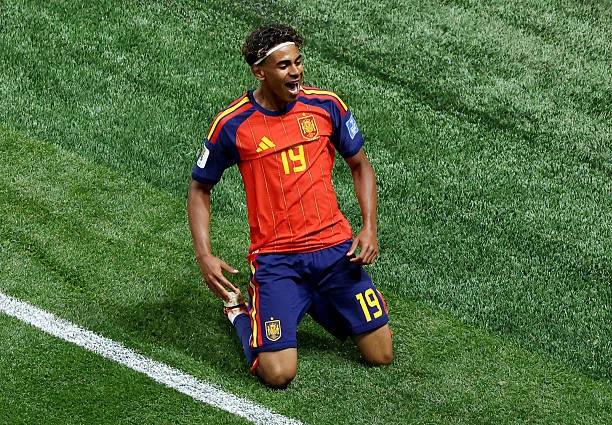
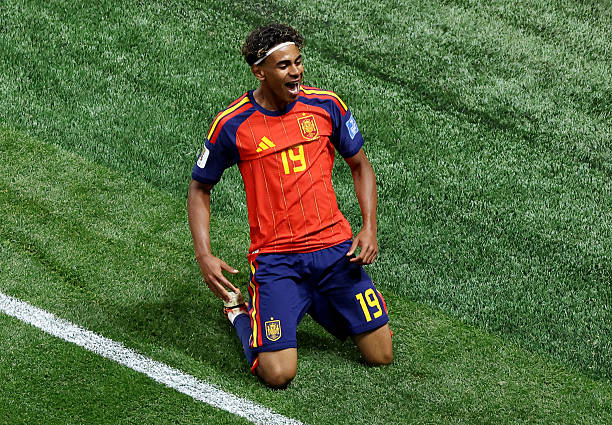
Representing the new generation of Spanish football is the electrifying Lamine Yamal. At just 19 years old, Yamal has already established himself as a sensation, his electrifying pace, dazzling dribbling skills, and creative flair making him a nightmare for defenders. His emergence is a significant storyline in itself, representing a potential "passing of the torch" moment as he faces off against the legendary Messi. Having been instrumental in Spain’s Euro 2024 triumph, Yamal’s confidence and impact are undeniable.
The midfield is anchored by the sublime Rodri, whose tactical intelligence and ability to dictate play have earned him widespread acclaim, including being a Ballon d’Or contender. Alongside him, the creative influence of Pedri and the dynamism of Dani Olmo provide Spain with a formidable and versatile midfield unit capable of controlling possession and breaking down defenses.
The Spanish defense, a cornerstone of their success, is marshaled by the impressive Pau Cubarsí, a mere 19 years old, and the experienced Aymeric Laporte. Their partnership, combined with the exceptional shot-stopping abilities of Unai Simón, forms an almost impenetrable barrier. Further forward, the attacking prowess of Mikel Oyarzabal and Ferran Torres adds the necessary cutting edge to their well-drilled system.
Tactical Nuances and Predicted Showdown
The tactical battle between these two titans promises to be a masterclass in football strategy. Spain’s signature possession-based football, characterized by high pressing and vertical passing, will aim to suffocate Argentina and control the game’s tempo. Their ability to retain the ball and exploit spaces will be crucial in breaking down Argentina’s organized defense.
Argentina, under Lionel Scaloni, has demonstrated a remarkable adaptability and a penchant for counter-attacking football. They will likely look to absorb Spain’s pressure and exploit opportunities on the break, relying on the individual brilliance of Messi and the attacking thrust of their forwards to unlock the Spanish defense. Their resilience and ability to perform under pressure, particularly in the latter stages of matches, will be a significant factor.
The midfield battle will be pivotal. Rodri’s dominance for Spain will be a key factor in controlling possession, while Argentina will seek to disrupt Spain’s rhythm and create turnovers that can be swiftly converted into attacks. Messi’s role in finding pockets of space and creating scoring opportunities against a compact Spanish defense will be closely watched.
Broader Implications and Legacy
This World Cup Final is more than just a match for silverware; it is a moment where individual legacies are forged and cemented. For Lionel Messi, another World Cup triumph would be the ultimate crowning achievement, solidifying his place in football history as the undisputed greatest. For Lamine Yamal, it represents an opportunity to announce himself on the global stage as the heir apparent, a future king of the sport.
The implications extend beyond the individual narratives. A Spanish victory would signify the continued evolution of their footballing identity and their return to the pinnacle of the sport after over a decade. An Argentinian triumph would further cement their status as a footballing dynasty, a testament to their enduring passion and talent.
The match is expected to be a tightly contested affair, with early betting odds suggesting a slight advantage for Spain. However, given the offensive firepower of Argentina and the history of high-scoring finals, an over 2.5 goals market also presents an appealing prospect for many observers.
Fans worldwide are anticipating a spectacle that could rank among the greatest FIFA World Cup Finals of all time. The question on everyone’s lips is whether the experience and defensive solidity of Spain will prevail, or if the sheer attacking brilliance and late-game magic of Argentina will crown them as champions once more. The stage is set for an unforgettable evening of football at MetLife Stadium, a true celebration of the beautiful game.