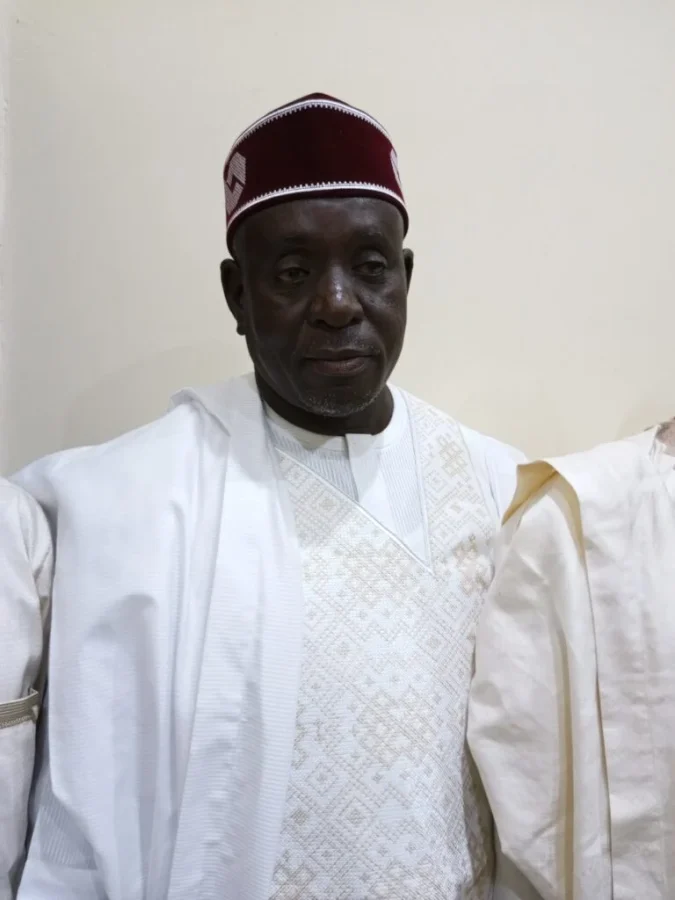
The political landscape of Kano State witnessed a fresh injection of legislative vigor on Tuesday as Yusuf Datti-Hussaini officially assumed office as the representative of the Dawakin-Kudu Constituency in the Kano State House of Assembly. Elected on the platform of the All Progressives Congress, Datti-Hussaini stepped into the hallowed chambers with a resolute commitment to redefine representation for his constituents, vowing categorically that he would neither be a passive observer nor a bench warmer during his tenure.
Addressing journalists shortly after taking his oath of office, the newly minted lawmaker outlined an ambitious legislative agenda centered on transparency, accountability, and aggressive constituency development. Datti-Hussaini’s ascension to the state legislature follows a recent vacancy created by his predecessor’s transition to the federal legislature at the House of Representatives, setting the stage for a smooth yet dynamic handover of political baton within the Dawakin-Kudu political architecture.
The ceremony, marked by traditional legislative formalities and heightened anticipation from supporters, underscores the continuous evolution of grassroots representation in Northern Nigeria’s most populous state. As Datti-Hussaini assumes his legislative responsibilities, political analysts and constituents alike are watching closely to see how the fresh legislator translates his ambitious campaign rhetoric into tangible socio-economic dividends for the people of Dawakin-Kudu.
Chronology of Events Leading to the Swearing-In
The journey to Datti-Hussaini’s inauguration was set in motion months prior following structural shifts in Kano State’s representation at the National Assembly. The seat for the Dawakin-Kudu Constituency became vacant after the former occupant successfully contested and won a higher mandate to represent the area at the House of Representatives in Abuja. This departure triggered the Independent National Electoral Commission to declare the state assembly seat vacant, mandating a by-election to ensure that the constituents of Dawakin-Kudu were not left unrepresented in the state capital.
During the electoral cycle, Datti-Hussaini emerged through the internal party mechanisms of the APC, clinching the ticket before securing a decisive victory at the polls. His campaign focused heavily on youth empowerment, infrastructural development, and effective oversight functions. The build-up culminated in Tuesday’s swearing-in ceremony, where he formally took the oath of allegiance and the oath of office administered by the leadership of the assembly, officially granting him the legal mandate to deliberate, sponsor bills, and vote on legislative matters on behalf of Dawakin-Kudu.
A Commitment to Open-Door Leadership
In his inaugural address to the press, Datti-Hussaini placed heavy emphasis on accessibility and accountability. He articulated a governance philosophy anchored on an open-door policy, asserting that effective representation requires constant communication between the elected official and the grassroots populace.
"I will not be here to sleep or abandon my seat. I will make sure I fully represent the people of my area in order to uplift their livelihoods," Datti-Hussaini stated emphatically.
The lawmaker recognized that public cynicism regarding legislative performance often stems from disconnected politicians who retreat to urban centers after securing electoral victory. To counter this perception, he urged his constituents to actively monitor the proceedings, debates, and budgetary allocations deliberated upon on the floor of the assembly. By encouraging public scrutiny, Datti-Hussaini aims to bridge the trust deficit traditionally associated with political officeholders.
"I urge them to follow all programmes and sittings of the house to ensure that all that is being allocated to them, I bring to them, and whatever is missing, I urge them to ask me," he added, signaling a collaborative approach to local governance.
Continuity and Legislative Objectives
Rather than starting completely from scratch, Datti-Hussaini has committed to building upon the policy frameworks and developmental initiatives established by his predecessor. Parliamentary continuity is often viewed as vital for sustaining long-term developmental projects, and the new lawmaker has promised to track pending motions and unresolved petitions previously introduced on behalf of the constituency.
Beyond sustaining past achievements, Datti-Hussaini intends to introduce fresh legislative frameworks tailored to the contemporary challenges facing Dawakin-Kudu. Agriculture, commerce, and basic infrastructure remain top priorities for the agrarian and trading communities within the constituency. By sponsoring targeted bills and moving impactful motions, the lawmaker hopes to attract state government interventions and development partner funding to upgrade rural roads, enhance agricultural productivity, and improve educational facilities.
"I promise them that I am not here to cheat them, but I will work to the best of my ability for the betterment of my society and the state in general," Datti-Hussaini reassured the public, framing his tenure as a sacred public trust.
Broader Assembly Developments: Confirmation of Gambo Sallau
Simultaneously, the Kano State House of Assembly handled significant administrative business during Tuesday’s plenary session. In a move reflecting the legislature’s oversight and confirmation powers, the House formally approved the reappointment of Gambo Sallau as the Chairman of the Kano State Assembly Service Commission.
Gambo Sallau, a distinguished political figure and former Speaker of the Kano State House of Assembly, brings decades of legislative experience and institutional memory to the commission. His reappointment is widely perceived as a strategic decision by the state legislature to ensure stability, professional growth, and administrative efficiency within the legislative bureaucracy. The Assembly Service Commission plays a critical role in managing the career progression, discipline, and welfare of legislative staff, ensuring that the administrative machinery supporting the lawmakers runs seamlessly.
Implications and Broader Political Context
The swearing-in of Datti-Hussaini and the confirmation of Sallau occur within a broader political climate defined by intense legislative scrutiny and high public expectations across Nigerian states. State assemblies carry the constitutional mandate of lawmaking, appropriation, and oversight of the executive branch. However, public perception of state legislatures has historically varied, with critics often pointing to a perceived subordination of legislative independence to executive authority.
For a new lawmaker like Datti-Hussaini, establishing an independent voice while maintaining a constructive working relationship with both his party and the executive arm will be crucial. His pledge not to be a "bench warmer" aligns with a growing generational demand for vibrant, articulate, and proactive representation among younger politicians entering public service in Nigeria.
Furthermore, effective local representation has direct socio-economic implications for constituencies like Dawakin-Kudu. Kano State, as a major commercial and agricultural hub in West Africa, faces multifaceted challenges ranging from youth unemployment to infrastructural deficits in rural districts. Legislative interventions that successfully channel state resources to these areas can dramatically alter the economic trajectories of local residents.
As Datti-Hussaini settles into his legislative duties, the litmus test for his tenure will not merely be the eloquence of his inaugural promises, but the legislative outputs he delivers over time—ranging from quality committee participation and robust debate contributions to tangible developmental projects visible on the streets of Dawakin-Kudu. With constituents and political observers maintaining a watchful eye, the new lawmaker faces a defining opportunity to set a high standard for legislative diligence in the Kano State House of Assembly.