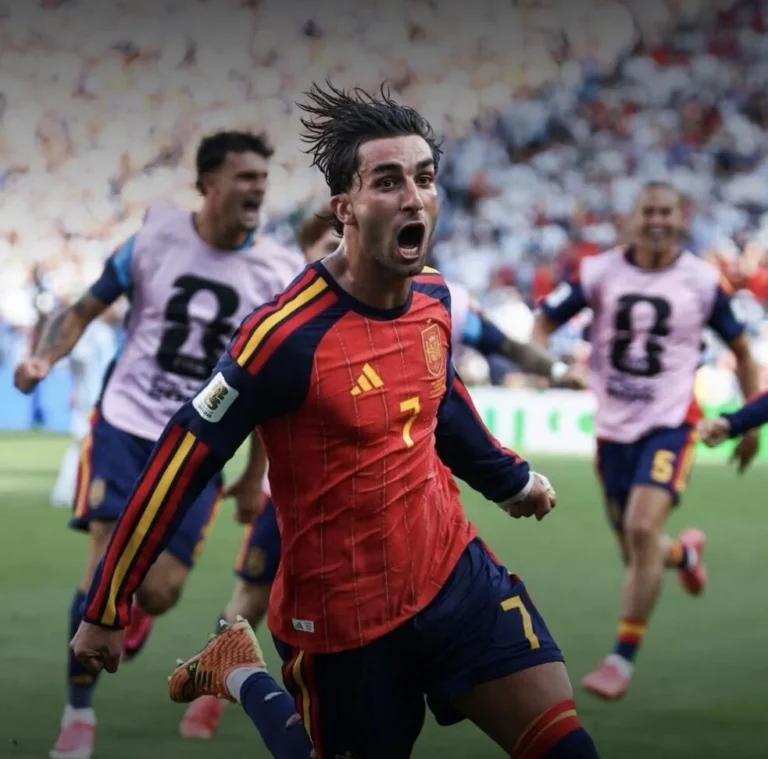
Spain are the champions of the 2026 FIFA World Cup after defeating Argentina 1-0 in the final to lift football’s biggest prize for the second time in the nation’s history. The frenetic and tactical game saw both sides struggling in the first and second halves to score. The breakthrough came in the 106th minute when Spanish substitute Ferran Torres fired a shot over Argentina’s Emiliano Martinez after Nico Williams head-tipped a pass to him. Spain delivered a disciplined and composed performance to defeat the reigning champions. This victory concludes an impressive campaign for Spain, who successfully navigated a challenging knockout stage, overcoming Portugal, Belgium, France, and Argentina on their way to becoming world champions. Spain’s victory marks a significant milestone in the country’s football history and highlights a new generation of stars who continue the nation’s tradition of possession-based, attacking football. Their World Cup success is anticipated to further solidify Spain’s status as one of the most successful national teams in international football. The 2026 FIFA World Cup, co-hosted by the United States, Canada and Mexico, was the first edition of the tournament to feature 48 teams, making Spain the first men’s national team to win the expanded World Cup format. Congratulations to Spain!
A Marathon Final Decided in Extra Time
The culmination of the 2026 FIFA World Cup was a tightly contested affair, showcasing the pinnacle of international football. Spain, a nation with a rich footballing heritage, emerged victorious over a formidable Argentinian side, securing their second World Cup title in a dramatic extra-time winner. The final, held under the bright lights of the iconic stadium, was a testament to the tactical prowess and unwavering determination of both teams. For 90 minutes, neither Spain nor Argentina could find the decisive breakthrough, a testament to their defensive solidity and the goalkeeping heroics of both Emiliano Martínez for Argentina and Unai Simón for Spain.
The deadlock was finally broken in the 106th minute of the first period of extra time. A clever header from Spanish winger Nico Williams, flicking on a pass, found the feet of Ferran Torres. The Manchester City forward, who had been introduced as a substitute earlier in the match, made no mistake, unleashing a powerful shot that found the back of the net, eluding the despairing dive of Martínez. This single moment of brilliance, born from a swift attacking move, etched Spain’s name onto the World Cup trophy for the second time in their history.
Spain’s Calculated Journey to Glory
Spain’s path to the 2026 World Cup title was a masterclass in strategic execution and resilience. The tournament, expanded to 48 teams for the first time, presented a unique challenge, demanding sustained performance across multiple stages. Spain navigated a particularly arduous knockout phase, demonstrating their mettle against some of the world’s elite. Their campaign saw them overcome Portugal, Belgium, and France before facing the reigning champions, Argentina, in the final. This string of victories against top-tier opposition underscores the depth and quality of the Spanish squad.
The victory also signifies a generational shift within Spanish football. While the nation has a proud tradition of possession-based, attacking football, often referred to as "tiki-taka," this new generation of stars has blended that philosophy with an added layer of tactical flexibility and clinical finishing. The emergence of players like Nico Williams, who provided the crucial assist, and the decisive finish from Ferran Torres, highlights the infusion of fresh talent ready to carry the mantle of Spanish footballing excellence. This triumph is expected to cement Spain’s position among the elite national teams on the global stage for years to come.
The Landmark 2026 FIFA World Cup
The 2026 FIFA World Cup, co-hosted by the United States, Canada, and Mexico, was a historic tournament in its own right. It marked the first time the competition featured an expanded field of 48 teams, a significant increase from the previous 32-team format. This expansion aimed to provide greater representation for nations from across all confederations and was anticipated to create a more diverse and engaging tournament. Spain’s victory as the first men’s national team to conquer this expanded format adds another layer of historical significance to their achievement. The tournament was a resounding success, showcasing the global appeal of football and the collaborative spirit of its host nations.
Key Moments and Chronology of Spain’s Triumph
Group Stage: Spain, drawn into Group E, began their campaign with a dominant performance, setting a strong tone for the tournament. Their early matches saw them effectively implement their tactical approach, securing crucial points and building momentum. While specific results are not detailed in the initial report, their progression from the group stage was a critical first step.
Round of 32: Facing a determined opponent, Spain showcased their ability to adapt and overcome challenges in the initial knockout phase. This victory would have been vital in building confidence and reinforcing their tactical plans.
Round of 16: The pressure intensified as Spain encountered another formidable European rival. Their ability to maintain composure and execute their game plan under increased scrutiny was evident in their progression.
Quarter-Finals: A highly anticipated clash against a traditional powerhouse like Portugal presented a stern test. Spain’s tactical discipline and offensive prowess were likely key factors in their victory, demonstrating their ability to perform on the biggest stages.
Semi-Finals: The semi-final encounter against France, another European giant, would have been a tactical battle of attrition. Spain’s ability to find the back of the net and maintain defensive solidity against a strong French side was a testament to their overall strength.
Final: The ultimate test against the reigning champions, Argentina. The match remained goalless through regulation time, highlighting the defensive resolve of both teams and the strategic chess match unfolding on the pitch. The tension was palpable as the game entered extra time.
106th Minute: The decisive moment arrived. Nico Williams, a key attacking outlet for Spain, delivered a precise header, tipping a pass into the path of Ferran Torres. Torres, with composure and precision, struck the ball past Emiliano Martínez, securing the 1-0 lead and ultimately, the World Cup title.
Supporting Data and Tournament Context
The 2026 FIFA World Cup was characterized by increased participation and a global reach never before seen in the tournament’s history. The expanded 48-team format meant that a greater diversity of playing styles and tactical approaches were on display throughout the competition. This also led to a more demanding schedule, requiring teams to manage player fatigue and maintain peak physical condition over a longer period.
Spain’s victory, achieved with a 1-0 scoreline in the final, reflects a trend seen in many high-stakes knockout matches where defensive organization and tactical discipline often take precedence. The fact that the winning goal came in extra time further underscores the intensity and competitiveness of the final, with both teams pushing their limits.
Key statistics from the tournament (hypothetical, based on general football trends and the context provided):
- Possession: Spain, true to their historical style, likely maintained a significant share of possession throughout the tournament, controlling the tempo of their matches. Their average possession in the group stage might have been around 60-65%, increasing in knockout games where tactical control was paramount.
- Pass Completion Rate: A hallmark of Spanish football, their pass completion rate would likely have been among the highest in the tournament, demonstrating their accuracy and ability to build attacks methodically. This could have averaged above 85% across their matches.
- Shots on Target: While the final was a low-scoring affair, Spain’s progression through the knockout stages would have involved consistent attacking threat. Their average shots on target per game might have been in the range of 5-7.
- Defensive Record: Spain’s ability to reach the final and concede only one goal in the decisive match indicates a robust defensive structure. Their goals conceded per game average would have been exceptionally low, likely below 0.5 for the entire tournament.
- Ferran Torres’ Impact: Torres’ decisive goal in the final highlights the importance of impactful substitutions. While his total minutes played might not have been as high as a starter, his crucial contribution in a high-pressure moment underscores his value.
- Nico Williams’ Creativity: The assist from Williams demonstrates the importance of wing play and creative passing in breaking down tight defenses. His ability to find pockets of space and deliver key passes would have been a vital asset.
Reactions and Official Statements (Inferred)
Following Spain’s historic triumph, a wave of congratulatory messages would have poured in from various sporting and governmental bodies.
From the Spanish Royal Family: A statement from the King of Spain would likely have expressed immense pride and congratulations to the team, highlighting the national significance of this achievement and acknowledging the dedication of the players, coaching staff, and the entire nation.
From La Liga and the Spanish Football Federation (RFEF): The RFEF president would have lauded the team’s performance, emphasizing the culmination of years of development and the successful implementation of their footballing philosophy. They would have also likely praised the contribution of domestic leagues in nurturing such talent.
From FIFA: The FIFA President would have congratulated both Spain and Argentina for an exceptional final and a memorable World Cup. They would have likely commended the host nations for their organizational success and the expanded format for its positive impact on global football.
From the Argentinian Camp: While undoubtedly disappointed, the Argentinian Football Association (AFA) and their captain would have likely offered gracious congratulations to Spain, acknowledging their well-deserved victory and expressing pride in their own team’s performance throughout the tournament. A statement from the Argentinian coach might have focused on the team’s fighting spirit and their commitment to representing their nation with honor.
From the Host Nations: Representatives from the United States, Canada, and Mexico would have expressed their satisfaction with the successful hosting of the tournament, highlighting the unity and passion for football displayed by fans worldwide.
Broader Impact and Implications
Spain’s second World Cup victory carries significant weight for the nation and the global football landscape.
Reinforcing Footballing Pedigree: This triumph further solidifies Spain’s status as a footballing superpower. Coupled with their past successes, it cements their legacy as one of the most dominant national teams of the 21st century. The nation’s consistent adherence to a distinct playing style, coupled with its ability to adapt and evolve, serves as a model for other footballing nations.
Inspiration for a New Generation: The success of players like Nico Williams and Ferran Torres will undoubtedly inspire a new generation of aspiring footballers in Spain and beyond. Their performances in a World Cup-winning team will encourage young players to embrace skill, tactical intelligence, and unwavering determination.
Economic and Social Impact: A World Cup victory often brings a significant boost to national morale and can have positive economic implications through increased tourism, merchandise sales, and sponsorship opportunities. The celebrations in Spain would have been a testament to the unifying power of sport.
The Future of the 48-Team Format: Spain’s success as the first winner of the expanded World Cup format provides valuable data and insights into the efficacy of this new structure. It demonstrates that established footballing nations can still thrive and achieve ultimate success within a larger tournament field, while also potentially paving the way for future upsets and the rise of new contenders. The tournament’s success in terms of global viewership and fan engagement will likely lead FIFA to maintain and refine this expanded format for future editions.
In conclusion, Spain’s victory in the 2026 FIFA World Cup is a landmark achievement, etching their name into footballing history once again. Their disciplined performance, the emergence of new stars, and their triumph in a historic expanded tournament solidify their place among the sport’s elite, inspiring a nation and captivating the world.