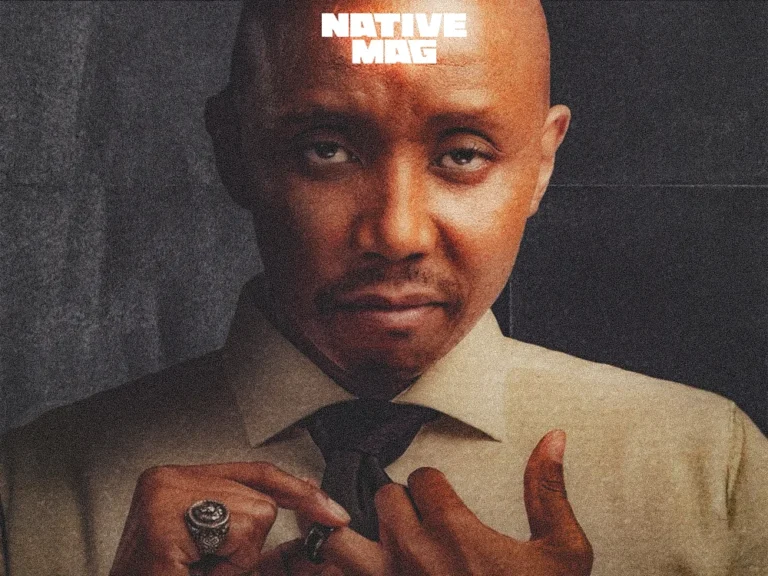
Since its debut in June 2026, the South African Netflix original series The Polygamist has transcended the typical trajectory of regional programming to become a global cultural phenomenon. While African productions have increasingly found a home on international streaming platforms over the last decade, the reception of The Polygamist marks a distinct turning point in how global audiences consume and critique content from the continent. The series, an adaptation of Sue Nyathi’s acclaimed novel, has not only dominated viewership charts but has fundamentally altered the discourse surrounding African television, moving it away from a conversation about "representation" and toward an unfiltered appreciation of high-stakes storytelling.
The scale of the show’s success is reflected in the rigorous data provided by Netflix’s internal metrics and third-party tracking services. Within weeks of its premiere, the 22-episode drama amassed 4.5 million global views and a staggering 43.8 million viewing hours. During the week of June 29 to July 5, it ranked as the third most-watched non-English television series worldwide. In its home market of South Africa, it has remained a fixture in the Top 10 list, demonstrating a rare level of sustained engagement that persists long after the initial "hype" phase of a release.
A Statistical Surge and Global Footprint
The viewership numbers for The Polygamist are indicative of a broader trend in the streaming industry where non-English language content is increasingly driving subscriber retention. To put the show’s 43.8 million viewing hours into perspective, it outpaced several high-budget European and Latin American productions during the same window. This success is not localized; while South Africa and Nigeria provided a strong base, significant viewership emerged from the United Kingdom, Brazil, and France, suggesting that the themes of the show—family betrayal, the complexities of traditional versus modern life, and romantic intrigue—possess a universal resonance.
Industry analysts point to Netflix’s strategic investment in the African continent as a primary catalyst for this surge. Since 2016, Netflix has invested an estimated $175 million in content production in South Africa, Nigeria, and Kenya. This investment has facilitated the professionalization of production pipelines, allowing local creators to utilize high-end cinematography, sophisticated sound design, and international-standard post-production facilities. The Polygamist represents the maturation of this investment, offering a product that competes aesthetically with Western prestige dramas while maintaining its unique cultural identity.
Chronology of a Cultural Milestone
The journey of The Polygamist began long before its 2026 premiere. The source material, Sue Nyathi’s debut novel, was published in 2012 and quickly became a staple of contemporary South African literature. The book’s exploration of the life of Jonasi Gomora, a wealthy man navigating the intricacies of multiple wives and the secrets that bind them, provided a rich tapestry for a long-form television adaptation.
In late 2024, Netflix announced it had greenlit the series as part of its expanded African slate. Production took place throughout 2025 across various locations in South Africa, aiming to capture the juxtaposition of Johannesburg’s urban sprawl with the traditional settings that underscore the show’s central conflict. Upon its release in June 2026, the series benefited from a synchronized global launch, allowing for the immediate formation of a worldwide fan base.
The timeline of the show’s viral spread is equally notable. Within 48 hours of its release, "Jonasi Gomora" became a trending topic on X (formerly Twitter) in over 15 countries. By the end of the first week, TikTok was flooded with "fan edits" and "POV" videos where viewers reacted to the show’s frequent cliffhangers. This organic digital momentum served as a force multiplier for Netflix’s own marketing efforts, turning a regional drama into a global conversation.
The Shift in Audience Engagement
Historically, African television on the global stage was often met with what critics call "qualified praise." Viewers and reviewers frequently evaluated these shows through a lens of developmental progress, asking whether the production was "good for an African show" or focusing primarily on the importance of local representation. The Polygamist has effectively shattered this paradigm.
Audiences are no longer preoccupied with the technical legitimacy of the production; instead, they are deeply immersed in the narrative. The online discourse is characterized by emotional investment in the characters rather than academic debates about the industry. Viewers argue over which of Jonasi’s wives deserved better, dissect the morality of the protagonist’s decisions, and share memes of dramatic confrontations. This shift signifies that African content has reached a level of "narrative normalcy" where it is judged solely on its merits as entertainment.
Kenyan-American producer and critic Kui Mwai notes that this engagement is a natural evolution. "I think it points to a longstanding defining characteristic of African TV and entertainment: sensationalized drama," Mwai explained. She argues that the show’s success stems from its unapologetic embrace of melodrama, a genre that has been a staple of African broadcasting for decades through soap operas and telenovelas, but is now being delivered with the high production values of the streaming era.
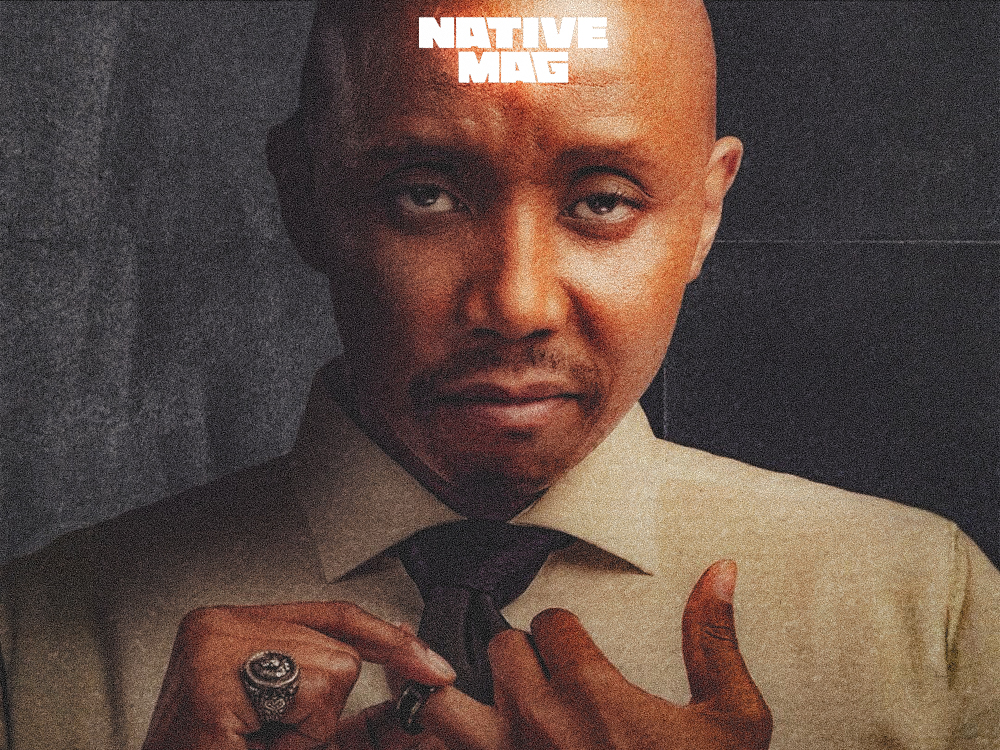
The "Binge-ability" of Melodrama
The structural design of The Polygamist is a masterclass in the "binge-watch" model. Unlike the minimalist, slow-burn approach often found in Western prestige television, The Polygamist leans into explosive confrontations and rapid-fire plot twists. Every episode is engineered to end on a revelation that compels the viewer to start the next.
This "soap opera-esque" quality, as Mwai describes it, is particularly well-suited for the modern digital landscape. In an era where "appointment viewing" is being replaced by marathon sessions, a 22-episode season with consistent high-stakes conflict provides the perfect fuel for sustained viewership. This sentiment is echoed by media specialist Tendani Selai, who observes that the show’s relatability is its greatest asset. "So many people have seen or experienced this dynamic in their own families. That mix of relatability and controversy is what drove virality," Selai said.
Impact on African Literature and the Creative Economy
The success of The Polygamist has also provided a significant boost to the African literary scene. Culture journalist Usher Takudzwa Nyambi views the series as a "vote of confidence" in African literature. The symbiotic relationship between the streaming hit and the original novel has led to a resurgence in sales for Sue Nyathi’s work, proving that successful screen adaptations can create a lifecycle for stories that spans multiple mediums.
This cross-pollination is vital for the sustainability of the African creative economy. As streaming giants look for proven intellectual property (IP), African novelists are finding new avenues to reach global audiences. This creates a virtuous cycle where literary success leads to television development, which in turn attracts more investment into the continent’s publishing and film sectors.
Furthermore, the show’s success has had a tangible impact on the local workforce. The production of a 22-episode series requires a massive crew of writers, directors, actors, and technicians. The Polygamist served as a training ground for emerging talent, further solidifying South Africa’s position as a premier hub for film and television production in the Southern Hemisphere.
Broader Implications for the Global Streaming Wars
The global performance of The Polygamist arrives at a time when major streaming platforms are facing saturation in Western markets. To find new growth, platforms like Netflix, Amazon Prime, and Disney+ are increasingly looking to the "Global South" both as a source of subscribers and a fountain of fresh content.
The Polygamist proves that African stories do not need to be diluted or "Westernized" to achieve global success. On the contrary, it is the cultural specificity of the show—the nuances of lobola (bride price), the social politics of polygamy, and the specific linguistic rhythms of South African English and Zulu—that makes it stand out in a crowded marketplace.
Usher Takudzwa Nyambi suggests that in an era of "content shock," authenticity is the ultimate differentiator. "When the industry is saturated, authenticity breaks through and the cream always rises to the top," he noted. The global audience’s willingness to engage with subtitles or unfamiliar cultural contexts suggests that the barriers to international content are lower than ever before.
Conclusion: A New Standard for African Storytelling
As the first season of The Polygamist concludes its initial run, its legacy is already being cemented. It is no longer a question of whether African television can compete with the West; it is already doing so. The show has demonstrated that when local creators are given the resources to tell their own stories with high production values, the result is a product that can capture the imagination of millions across every continent.
The Polygamist has set a new benchmark for what is possible. It has moved the needle from a conversation about "potential" to a reality of "performance." For the African film and television industry, the success of this series is not an endpoint but a beginning—a signal to the world that the continent’s stories are not just necessary for representation, but are essential for anyone seeking the very best in modern television drama. The global audience has spoken, and they are no longer asking if African TV is good; they are simply asking when the next episode begins.