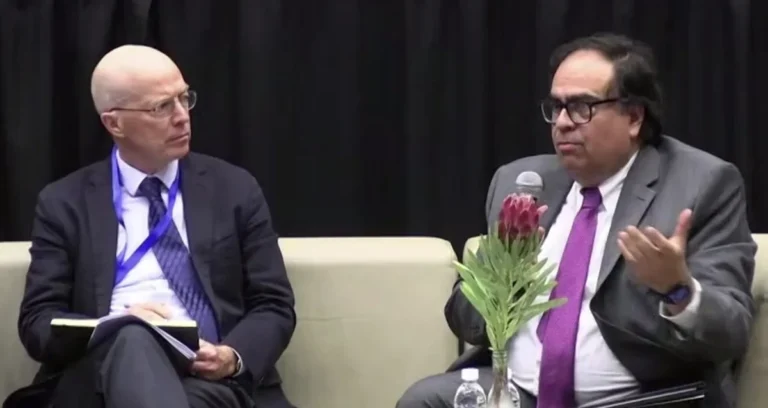
The Africa Clean Air Forum recently concluded in Pretoria, South Africa, leaving a clear and urgent mandate for the continent’s leadership: to secure the future of public health, African nations must transition from viewing air quality as a purely environmental or health concern to framing it as a sophisticated financial investment. Over the course of the three-day summit, which drew more than 500 delegates from 47 African nations, representatives from the World Bank, the United Nations Development Programme (UNDP), and various philanthropic organizations warned that the window for traditional aid is closing, necessitating a shift toward "bankable" projects that can attract private capital and multilateral development loans.
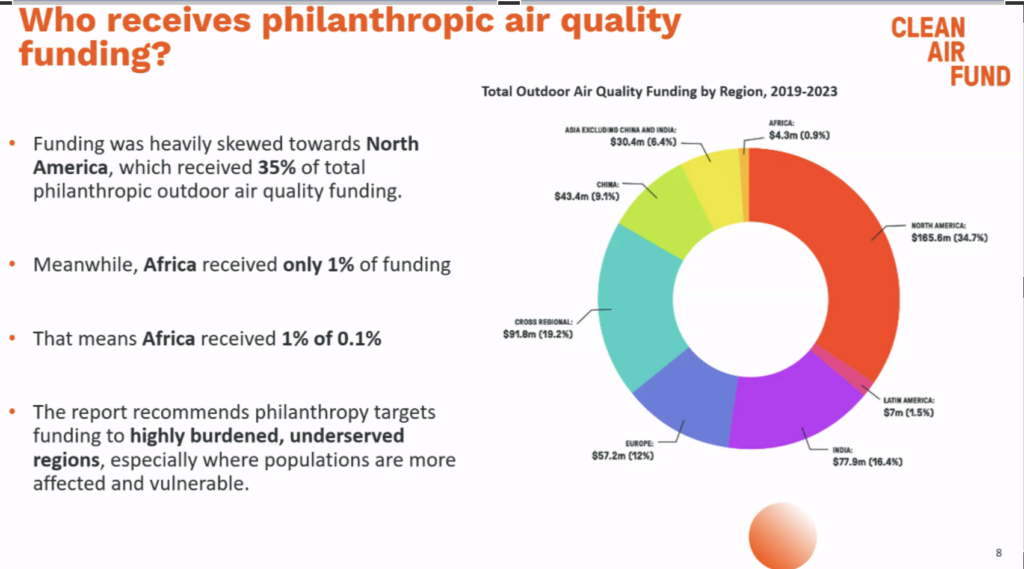
Air pollution currently represents the second leading risk factor for death across the African continent, surpassed only by malnutrition. The scale of the crisis is staggering, with recent data indicating that poor air quality contributes to approximately 1.1 million premature deaths annually in Africa. Despite this mortality rate—which exceeds the combined death toll of HIV/AIDS and malaria—international funding for air quality remains disproportionately low. Global statistics reveal that air quality initiatives receive less than 1% of all international development funding. For Africa, the share is even smaller, often described as a mere sliver of that 1% total.
The urgency of the forum was underscored by the "bleak" outlook for international aid, as described by Sean Maguire, Executive Director for Strategic Partnerships at the Clean Air Fund (CAF). Maguire noted that traditional funding streams are tightening significantly. The closure of various USAID programs and substantial aid budget cuts by major European powers, including France, Germany, and the United Kingdom, have left a vacuum in the environmental health sector. Consequently, the Clean Air Fund is now advocating for a strategic pivot. Rather than relying on dwindling grants, African cities and national governments are being encouraged to develop an "attractive investment case" that demonstrates the economic dividends of clean air.

Maguire emphasized that air quality should not be a standalone project but rather a value-added component of larger infrastructure developments. By integrating clean air objectives into existing energy, power, and transport projects, governments can increase the popularity and viability of those initiatives. For instance, a transition to renewable energy is not just a climate goal; when framed as an air quality intervention, it yields immediate, localized health benefits that reduce the burden on public healthcare systems, thereby improving the overall return on investment.
However, the path to attracting such investment is fraught with systemic hurdles, most notably the "risk perception" associated with the African market. Moortaza Jiwanji of the UNDP’s Africa Sustainable Finance Hub highlighted a persistent bias among global investors who view African projects as inherently higher risk compared to those in other regions. To counter this, Jiwanji advised African officials to adopt the "language of finance." This involves moving beyond the moral and health imperatives of clean air and focusing on three pillars of investment: rigorous cost-benefit analysis, clear projections for return on investment (ROI), and robust de-risking mechanisms.
Jiwanji suggested that governments should look beyond the traditional confines of public finance and target institutional investors such as pension funds, insurance companies, and impact investors. These entities are increasingly seeking "Environmental, Social, and Governance" (ESG) compliant opportunities, but they require standardized data and financial guarantees to commit capital.
The World Bank’s representative, Francis V. Fragano, echoed these sentiments, calling for the creation of projects that are "bankable" from the outset. Fragano pointed to Cairo, Egypt, as a successful model of this approach. In Cairo, international aid was used to address the specific issue of air pollution resulting from landfill fires and open-air waste burning. This initial intervention evolved into a pilot project for electric buses (e-buses), which not only reduced urban emissions but also stimulated local job creation in the maintenance and technology sectors. This "co-benefit" model—where environmental action creates economic opportunity—is essential for "crowding-in" private sector financing.
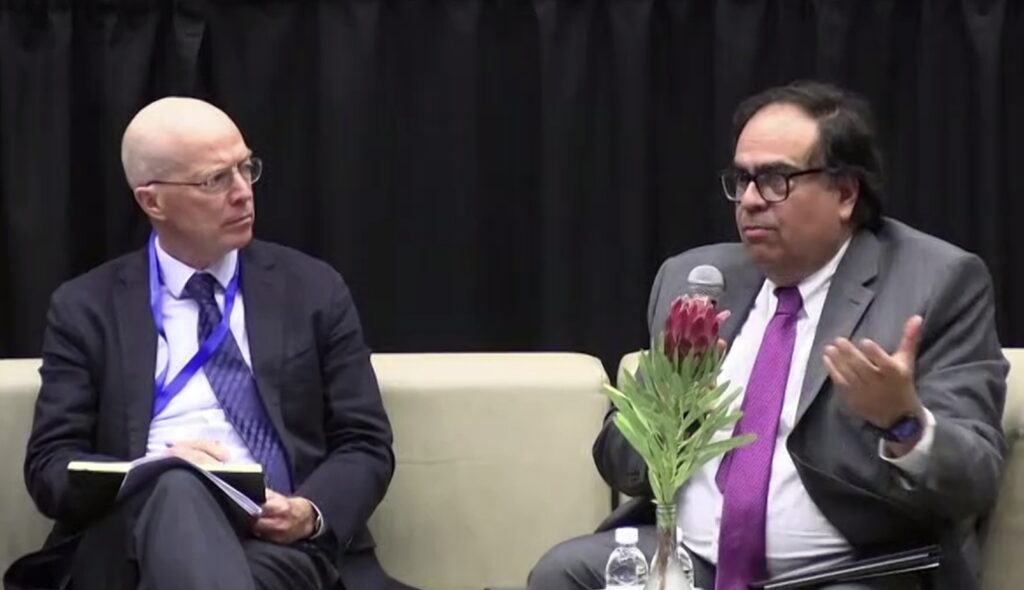
While the push for complex financial modeling dominated the high-level discussions, some experts at the conference argued that the case for investment is already self-evident and that even small-scale funding can yield transformative results. Christa Hasenkopf, who leads the air quality fund at the Energy Policy Institute at the University of Chicago (EPIC), provided a counter-perspective on the "high-cost" barrier. She noted that in many African contexts, the lack of basic data is the primary obstacle to policy change.
A poignant example of this is the Democratic Republic of Congo (DRC). Despite having a population of over 100 million people, the DRC lacked a single government-run air quality monitor until very recently. Through a relatively modest grant of $50,000 to $75,000, EPIC funded the non-profit Water & Sanitation in Rural & Urban Areas (WASARU). This organization, led by founder Paulson Kasereka, managed to install 14 air pollution monitors in the capital city of Kinshasa. The resulting data provided the first clear picture of the city’s pollution levels, prompting the Congolese government to begin developing new environmental standards and a national air quality monitoring plan.
Hasenkopf argued that the "math" of air quality investment is undeniably favorable. "One win that cuts pollution, even slightly in a single country, pays for the entire portfolio in avoided health costs," she stated. This high-upside, low-downside ratio suggests that while large-scale "bankable" projects are necessary for infrastructure, philanthropic and seed funding remains vital for the foundational work of data collection and policy advocacy.
The Pretoria forum also highlighted the geographical hotspots of pollution on the continent. Currently, four African nations—Chad, the DRC, Uganda, and Egypt—rank among the top ten most polluted countries globally. These rankings are driven by a combination of factors: rapid, unplanned urbanization; the continued reliance on biomass (wood and charcoal) for domestic cooking; the importation of older, high-emission vehicles; and industrial activities with minimal regulatory oversight.
In sub-Saharan Africa, household air pollution remains a silent killer. The lack of access to clean cooking technologies means that millions of women and children are exposed daily to high levels of particulate matter (PM2.5) within their own homes. The economic cost of this health crisis is measured not only in medical expenses but also in lost productivity and the truncation of human capital. Forum participants argued that addressing household pollution is perhaps the most direct way to improve national GDP over the long term.
As the conference concluded, the consensus among the 500 participants was that the era of viewing air quality as a "charity case" is over. For African nations to breathe cleaner air, they must integrate environmental health into the heart of their national economic strategies. This includes harmonizing regional air quality standards to prevent "pollution havens," where industries move to countries with the weakest regulations. It also requires a commitment to transparency, ensuring that air quality data is open-access and used to hold both governments and private actors accountable.
The milestone awards presented at the conference, including the recognition of WASARU’s work in the DRC, served as a reminder of the progress being made. However, as Paulson Kasereka noted, success often creates a greater need for resources. The transition from a 14-monitor pilot program to a nationwide management plan requires a scale of funding that currently eludes many African NGOs and government agencies.
The road ahead for Africa’s air quality involves a dual-track strategy. On one hand, there is a desperate need for "low-cost, high-impact" interventions that establish the data baseline. On the other, there is a structural requirement for "high-finance" projects that can overhaul the continent’s energy and transport sectors. By "speaking the language of finance," as urged by the UNDP and the World Bank, African nations may finally be able to unlock the billions of dollars in capital necessary to turn the tide against the continent’s second-largest killer. The Africa Clean Air Forum has set the stage; the challenge now lies in whether ministries of finance and environment can collaborate to turn these health imperatives into the bankable assets of tomorrow.