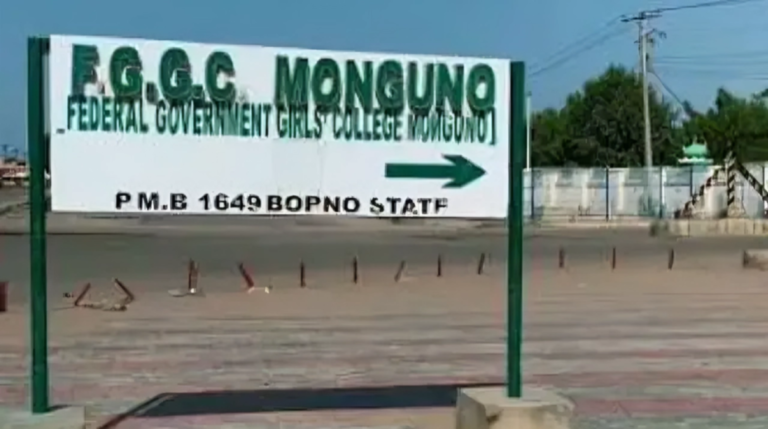
The Federal Government of Nigeria has officially debunked widespread reports suggesting that the Federal Government Girls’ College (FGGC) in Monguno, Borno State, was the target of a recent insurgent attack. In a comprehensive statement aimed at dousing tensions and correcting the narrative, the Ministry of Education clarified that the institution remains secure and that all students, faculty, and administrative staff are accounted for and safe. The clarification comes on the heels of escalating rumors on various social media platforms that had sparked significant alarm among parents, guardians, and the international community, given the volatile security history of the Northeast region.
The Director of Press and Public Relations at the Federal Ministry of Education, Mrs. Folasade Boriowo, issued a formal rebuttal on Monday, characterizing the viral reports as "entirely false, irresponsible, and capable of causing unnecessary panic, fear, and anxiety." According to the Ministry, the safety protocols established at the college have remained unbreached, and the daily operations of the school—including academic sessions and boarding activities—are proceeding without any form of interruption.
Clarifying the Incident: Remedial Students vs. FGGC Monguno
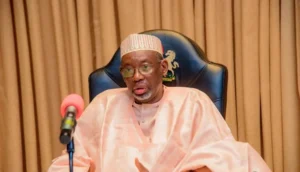
To provide clarity on the origin of the rumors, the Minister of Education, Dr. Olatunji Alausa, explained that while an incident did occur in the general vicinity of the region, it did not involve the Federal Government Girls’ College. The Minister clarified that the individuals affected by a security-related event were remedial students located at a facility outside the college’s jurisdiction. These students were not part of the FGGC enrollment, and the incident occurred in a location distinct from the heavily fortified grounds of the federal institution.
Dr. Alausa emphasized that the Borno State Government has already taken charge of the situation involving the remedial students, ensuring their welfare and implementing necessary measures to guarantee their safety. By distinguishing between the federal "Unity School" and the external remedial center, the government aims to rectify the misinformation that conflated the two separate entities. The Minister reiterated that no student of FGGC Monguno was involved, harmed, or even peripheral to the incident in question.
The Strategic Importance of Monguno and the Security Landscape
Monguno is a strategic garrison town located approximately 140 kilometers north of Maiduguri, the Borno State capital. It serves as a vital hub for humanitarian operations and is a key location for the Nigerian military’s counter-insurgency efforts against Boko Haram and the Islamic State West Africa Province (ISWAP). Because of its geographic importance and its role as a refuge for thousands of Internally Displaced Persons (IDPs), Monguno is frequently a subject of security interest.
The sensitivity of the region explains why rumors of an attack on a girls’ college would gain rapid traction. The memory of previous mass abductions in the Northeast—most notably the 2014 Chibok kidnapping and the 2018 Dapchi incident—remains a deep-seated trauma for the Nigerian public. In those instances, educational institutions were targeted, leading to the global "Bring Back Our Girls" campaign. Consequently, the Federal Government maintains that any unverified report regarding school safety in this region is not just "fake news" but a potential threat to national stability and psychological well-being.
The Federal Government’s Security Framework for Unity Schools
In response to the unique threats faced by schools in conflict-prone areas, the Federal Government has implemented a "robust security arrangement" for all Federal Government Colleges, often referred to as Unity Schools. These institutions were founded to foster national integration, and their protection is considered a matter of national priority.
FGGC Monguno, in particular, operates under a multi-layered security strategy. This includes:
- Physical Fortification: Perimeter fencing, reinforced gates, and controlled access points designed to deter unauthorized entry.
- Surveillance and Intelligence: Coordination with the Nigerian Armed Forces and the Nigeria Security and Civil Defence Corps (NSCDC) to provide real-time monitoring of the school’s surroundings.
- The Safe Schools Initiative: Launched in 2014 following the Chibok abduction, this initiative involves a collaboration between the government, the private sector, and international donors. It aims to protect schools through community-based early warning systems and the deployment of specialized security personnel.
Dr. Alausa reaffirmed that the welfare of learners remains the top priority of the current administration. He noted that the Ministry of Education is in constant communication with security agencies to ensure that the environment remains conducive for learning, even in areas that have historically faced security challenges.
A Timeline of the Government’s Response
The government’s response to the rumors was swift, following a chronological path aimed at maximum transparency:
- Early Sunday: Unverified reports began circulating on WhatsApp and X (formerly Twitter), claiming that insurgents had breached the defenses of FGGC Monguno and abducted several students.
- Sunday Evening: Local authorities in Monguno conducted a roll call and physical inspection of the college, confirming that all 100% of students and staff were present.
- Monday Morning: The Ministry of Education held an emergency briefing to verify facts from the field and coordinate with the Borno State Government regarding the separate incident involving remedial students.
- Monday Afternoon: Mrs. Folasade Boriowo released the official press statement dismissing the reports and providing the necessary context regarding the remedial students.
- Monday Evening: Minister Alausa issued a follow-up advisory, urging the public to rely only on official channels for information.
The Impact of Misinformation on Education in the Northeast
The spread of false information regarding school attacks has far-reaching consequences beyond immediate panic. Educational experts point out that such rumors contribute to the "out-of-school children" crisis in Nigeria, which is particularly acute in the North. When parents hear rumors of attacks, they are less likely to send their children, especially girls, to school, fearing for their safety.
Dr. Alausa warned that the deliberate spread of unverified information undermines public confidence in the educational system. "It distracts from our efforts to provide a safe and conducive learning environment," the Minister stated. He noted that bloggers and social media influencers have a patriotic duty to verify facts before publication, as the cost of a false report can be measured in the loss of educational opportunities for an entire generation of students.
Furthermore, the Minister highlighted that such misinformation can inadvertently serve the interests of insurgent groups by creating an atmosphere of fear and helplessness, even when the security forces have successfully maintained peace in the area.
Broader Implications and Call to Action
The Ministry of Education’s appeal to parents and guardians to "remain calm and continue to support their children with confidence" is a call for resilience. The government has reiterated its commitment to working closely with state authorities and security agencies to sustain the safety of all 115 Federal Government Colleges across the federation.
The Borno State Government, led by Governor Babagana Zulum, has also been instrumental in reinforcing school security. The state has invested heavily in the reconstruction of schools and the deployment of the "Agro Rangers" and local hunters to augment the security provided by the military. The synergy between the federal and state governments is seen as the primary defense against the encroachment of instability into the academic sector.
Analysis: The Future of Secure Learning in Borno
While the report of the attack on FGGC Monguno has been proven false, the incident highlights the ongoing challenges of maintaining education in a conflict zone. The fact that remedial students outside the college were affected indicates that while "Unity Schools" enjoy high-level federal protection, other educational centers may remain more vulnerable. This gap is an area that both state and federal authorities are reportedly looking to bridge through expanded security coverage.
The Federal Ministry of Education has advised the public to disregard the fake report in its entirety and has pledged to continue providing timely and accurate information through its official communication channels. By maintaining a transparent flow of information, the government hopes to build a "buffer of truth" that protects the public from the destabilizing effects of digital misinformation.
In conclusion, the Federal Government Girls’ College, Monguno, stands as a symbol of educational persistence in the face of adversity. The government’s firm denial of the rumored attack serves not only as a clarification of facts but as a reassurance that the "Safe Schools" mandate is being actively upheld. As academic activities continue in Monguno, the focus remains on ensuring that no Nigerian child is denied an education due to either the reality of conflict or the shadow of false reports.