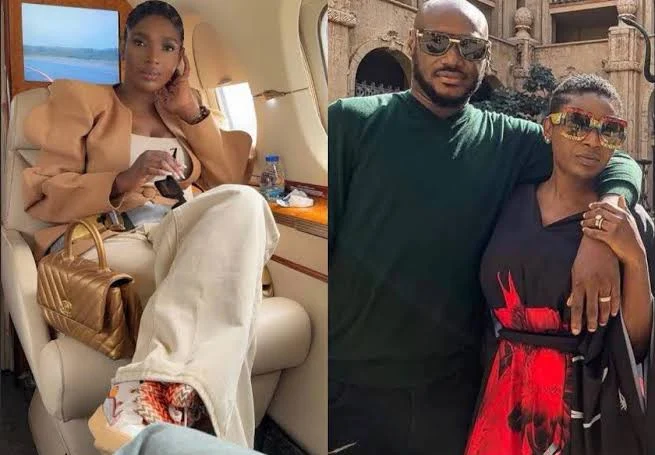
The Nigerian entertainment landscape was recently set abuzz following the circulation of a video featuring renowned actress Annie Idibia and her husband, legendary Afrobeats pioneer Innocent "2Baba" Idibia, which many social media users interpreted as a sign of a romantic reconciliation. However, the actress has moved swiftly to dismantle these narratives, characterizing the viral footage as outdated and intentionally misleading. Through a series of official statements, Annie Idibia clarified that the video, which shows the couple in a seemingly intimate and celebratory moment, does not reflect the current status of their relationship but is instead a relic from a past event that has been repurposed by digital content creators for engagement and traffic.
The Genesis of the Viral Speculation
The rumors began to gain significant momentum across platforms such as TikTok, Instagram, and X (formerly Twitter) early this week. The video in question depicted Annie and 2Baba dancing together, sharing smiles, and appearing to be in high spirits. Given the couple’s highly publicized marital challenges and the frequent reports of a separation, the footage was quickly seized upon by fans and gossip enthusiasts as definitive proof that the pair had resolved their differences.
Within hours of the video’s emergence, it had been shared thousands of times, often accompanied by captions suggesting a "new beginning" or a "happy reunion." The speed with which the content traveled highlights the intense public interest in the personal lives of the Idibias, who have been a staple of African celebrity culture for over two decades. However, the lack of a timestamp or context in the original posts allowed for a vacuum of information that was rapidly filled by speculation.
Official Clarification and Public Rebuttal
Recognizing the potential for the rumor to spiral out of control, Annie Idibia took to her verified Instagram account to address her millions of followers directly. In a firm and unambiguous tone, she urged the public to disregard the reports, labeling them as "falsehoods" designed to generate clicks. She explained that the footage was several years old and belonged to a period long before the recent developments in their domestic life.
The actress expressed her frustration with the "recycled" nature of social media content, pointing out that many blogs and influencers deliberately omit the date or context of a video to create a sensational narrative. She emphasized that such actions not only mislead the public but also place undue pressure on the individuals involved. By issuing a direct statement, Annie aimed to regain control of her narrative and discourage the further spread of what she termed "unnecessary public attention."
A History of Public Scrutiny: Contextualizing the Idibia Marriage
To understand why a single video of the couple dancing could trigger such a massive reaction, one must look at the historical context of their relationship. Annie and 2Baba’s union has been one of the most scrutinized in the history of the Nigerian entertainment industry. The couple officially wed in a high-profile ceremony in Dubai in 2013, following a long-term relationship that famously inspired 2Baba’s global hit "African Queen."
Despite their status as a "power couple," their marriage has faced numerous public trials. These have ranged from issues regarding 2Baba’s children from previous relationships to public outbursts on social media. In 2021, the couple’s private life became the subject of intense debate after Annie voiced concerns regarding her husband’s family and his interactions with his ex-partners. This incident led to a significant rift that was played out in the public eye, resulting in what many believed was a permanent separation.
Because of this history of volatility and high-stakes drama, any sign of peace or reconciliation is treated as major news by the Nigerian populace. The viral dancing video tapped into this collective desire for a "happily ever after," even if the reality was far more complex.
The Role of Digital Misinformation in Modern Celebrity Culture
The incident involving Annie Idibia serves as a potent case study in the mechanics of modern digital misinformation. In the "attention economy," engagement—measured in likes, shares, and comments—is the primary currency for blogs and social media influencers. Re-uploading an old video with a misleading caption is a common tactic used to exploit the emotional investment fans have in their favorite celebrities.
The "click-driven" nature of contemporary media often bypasses traditional journalistic ethics, such as fact-checking and context-providing. In this instance, the video was presented as "new" simply because it was being seen by a new audience or because it fit a current trending topic. This phenomenon of "recycled content" creates a distorted reality where past events are constantly being relived as if they are occurring in the present, making it difficult for public figures to move past certain chapters of their lives.
The Impact of Recycled Content on Public Figures
For celebrities like Annie Idibia, the constant resurgence of old content can have significant personal and professional implications. From a personal perspective, being forced to relive past moments—especially those that may now be tinged with pain or regret—can be emotionally taxing. From a professional standpoint, misleading rumors can affect brand endorsements, public image, and the perception of one’s stability.
Annie’s decision to address the rumors immediately reflects a growing trend among public figures to act as their own "PR managers." Rather than waiting for a formal press release or allowing the rumors to die down naturally, modern celebrities often use their social media platforms to perform "real-time" damage control. This direct-to-consumer communication model allows them to speak in their own voice, but it also highlights the constant state of vigilance required to maintain a public persona in the digital age.
Navigating the ‘Click-Driven’ Media Landscape
The Idibia reunion rumor also sheds light on the responsibilities of the audience. Annie Idibia’s statement included an appeal for fans to verify information before accepting sensational headlines. In an era of deepfakes, AI-generated content, and clever editing, the burden of discernment has increasingly shifted to the consumer.
Industry analysts suggest that the Nigerian entertainment media landscape is particularly prone to these types of rumors due to the high volume of "gossip blogs" that operate without editorial oversight. These platforms often prioritize speed over accuracy, leading to a cycle of misinformation that requires constant debunking by the subjects of the news.
The Psychological Appeal of Celebrity Reconciliations
There is a deep-seated psychological reason why the public is so eager to believe in celebrity reunions. For many fans, celebrities serve as avatars for their own hopes, fears, and desires. A reconciliation between a beloved couple like Annie and 2Baba represents the triumph of love over adversity, a narrative that resonates deeply with audiences.
However, when this desire for a positive outcome clashes with the reality of a situation, it creates a "confirmation bias" where fans see what they want to see in a video, regardless of its age or context. Annie Idibia’s clarification serves as a cold splash of reality, reminding the public that their personal lives are not scripts written for public entertainment, but real-world situations with real-world consequences.
Implications for 2Baba’s Public Image
While 2Baba himself has remained relatively quiet regarding this specific viral video, his brand as a legendary musician remains inextricably linked to his personal life. As one of Africa’s most decorated artists, his every move is analyzed for deeper meaning. The recurring rumors of his marital status often overshadow his musical contributions, a common challenge for veteran artists whose personal narratives become as famous as their discography.
The fact that Annie felt the need to clarify the situation suggests a mutual interest in maintaining a clear public record. Whether they are together, separated, or co-parenting, the Idibias appear to be prioritizing the truth over the convenient fictions created by the internet.
Conclusion: A Call for Digital Literacy and Responsible Reporting
As the Annie Idibia reunion rumors continue to fade following her direct intervention, the episode leaves behind a critical lesson regarding the state of digital media in the 21st century. The viral dancing video was not a sign of a new chapter, but a ghost from the past, resurrected by the algorithms and influencers that thrive on celebrity drama.
Annie Idibia’s proactive stance underscores the importance of digital literacy. For the public, it is a reminder that "trending" does not equate to "true." For the media, it is a call to return to the fundamentals of context and verification. As the actress noted, not every video accurately represents the present-day situation, and in the fast-paced world of social media, the truth is often the first casualty of the chase for clicks. Moving forward, the Idibias remain a focal point of African pop culture, but for now, the rumors of their reconciliation remain firmly in the realm of social media fiction.