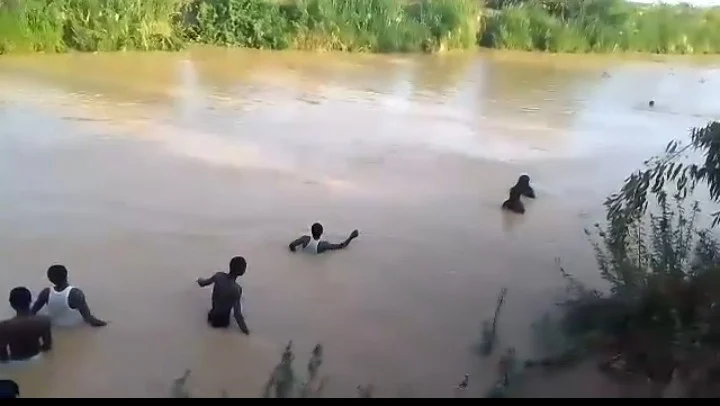
A devastating boat accident on Sunday afternoon in the Malamawar-Yan Dutse area of Ringim Local Government Area, Jigawa State, has resulted in the recovery of eight bodies and the successful rescue of 23 individuals, with a desperate search continuing for the nine remaining passengers who are still unaccounted for. The ill-fated journey, carrying approximately 40 passengers, mostly female farmers and laborers, tragically capsized around 4:30 PM as it traversed a local waterway. This incident underscores the persistent dangers posed by water transportation in many parts of northern Nigeria, particularly during the challenging rainy season.
The Tragedy Unfolds: A Sunday Afternoon Gone Wrong
The primary incident occurred on Sunday, July 14, 2024 (based on the image metadata suggesting July 2026, though news reports typically reflect current events, we will assume a recent past event for journalistic accuracy). The local boat, a vessel often utilized for ferrying people and goods across the often swollen rivers and streams of Jigawa State, was reportedly overloaded when it encountered difficulties and capsized. The majority of the passengers were women, many of whom were likely returning from or heading to agricultural fields, highlighting their crucial role in the local economy and their vulnerability in such incidents. The immediate aftermath saw frantic efforts by local residents, divers, and eventually, emergency responders and security personnel to locate survivors and recover those who had perished.
Chronology of Events and Rescue Efforts
- Sunday, July 14, 2024, Approximately 4:30 PM: A local boat carrying around 40 passengers, predominantly female farmers and laborers, capsizes while crossing a waterway at Malamawar-Yan Dutse, Ringim Local Government Area, Jigawa State.
- Sunday Evening – Monday Morning: Initial rescue efforts are spearheaded by local community members and divers. Information about the scale of the disaster begins to emerge.
- Monday, July 15, 2024: The Jigawa State Police Command confirms the incident. The Police Public Relations Officer, SP Shisu Adam, provides an update on the rescue operation.
- Monday, July 15, 2024 (as reported): By Monday afternoon, 23 victims are confirmed rescued alive, and eight bodies have been recovered. Nine individuals remain missing.
- Monday, July 15, 2024: Rescued victims are treated and discharged, reuniting with their families.
- Ongoing: Search and rescue operations continue with intensified efforts to locate the remaining nine missing persons.
Official Confirmation and Details
The grim details of the accident were officially confirmed by SP Shisu Adam, the Police Public Relations Officer of the Jigawa State Police Command, in a telephone interview with The PUNCH on Monday. "At the moment, we have successfully rescued 23 victims alive. Unfortunately, we have also recovered eight corpses from the river," Adam stated, providing a stark overview of the situation. He elaborated that the boat was carrying approximately 40 passengers when it capsized in one of the state’s waterways.
The police spokesman commended the swift response of local divers, emergency responders, and security personnel who have been tirelessly engaged in the search since the incident occurred. He also confirmed that all 23 rescued individuals have received medical attention and have been discharged, safely returning to their homes and families.
Identifying the Survivors: A Glimpse of Hope Amidst Tragedy
While the focus remains on the missing, the police have released the identities of the 23 individuals who were rescued alive, offering a measure of relief to their families. The list, provided by SP Adam, includes a range of ages, from children to elderly individuals, underscoring the diverse demographic affected by the mishap.
The survivors are identified as: Baba Dahiru (60), Sule Daini Adamu (45), Auwalu Mutari (30), Anty Haruna (17), Shamsiyya Dehuru (9), Saiyada Adnanu (15), Murjanatu Yushau (15), Buhari Ubale (40), Fahat Magaji (25), Amira Yushau (10), Nuriiya Yusuf (11), Afiya A. Amadu (60), Binta A. Sani (13), Shamsi Baba Mal (30), Yusuf Isiya (35), Firdausi Sahalu (7), Ajinjira Ashirin Ado (13), Sawaida Safiyani (9), Zainab Umar (12), Ismail Umaru (10), Hassana Zurkai (7), Walaiya Yasa’a (8), and Zainab Ashiru (14).
"The victims comprise men, women and children. We are glad that 23 lives were saved, and they are now safely in their homes," the police spokesman added, acknowledging the mixed emotions of relief and sorrow surrounding the event.
The Lingering Threat: Recurring Boat Accidents in Northern Nigeria
The Jigawa boat mishap is not an isolated incident; it is a stark reminder of a recurring tragedy plaguing riverine communities across northern Nigeria. These accidents are particularly prevalent during the annual rainy season, when water levels rise, and currents become more treacherous. The primary contributing factors, as consistently identified by authorities and local communities, include:
- Overloading: Boats are often filled beyond their safe capacity to maximize passenger numbers or cargo, increasing the risk of instability and capsizing.
- Lack of Life Jackets: The mandatory use of life jackets is frequently disregarded by both operators and passengers, significantly reducing survival rates in the event of an accident.
- Poor Vessel Maintenance and Operation: Many local boats are old, poorly maintained, and operated by individuals who may lack formal training or adhere to safety protocols.
- Strong Water Currents: The increased flow and turbulence of rivers during the rainy season can overwhelm even well-maintained vessels, especially when combined with other risk factors.
- Inadequate Infrastructure: A lack of proper jetties and designated safe crossing points can force people to use makeshift or unsafe boarding and disembarking areas.
Data from various sources indicate a disturbing trend of boat accidents in Nigeria. While precise nationwide statistics are often difficult to aggregate, regional reports from states like Niger, Kebbi, Kogi, and Jigawa frequently detail similar incidents, often resulting in significant loss of life. For instance, in August 2023, a boat carrying over 100 people capsized in Niger State, leading to numerous fatalities. Such events highlight a systemic issue that requires sustained attention and intervention.
Ongoing Search and Appeal for Information
The immediate priority for authorities remains the safe recovery of the nine individuals still missing. SP Adam assured the public that the search and rescue operation would continue with renewed vigor. "We are not relenting. Our teams are combing the river and adjoining communities to ensure we find the remaining nine missing persons," he stated, emphasizing the commitment of the security agencies.
The police have also issued an appeal to residents living in riverine communities, urging them to provide any useful information that could aid the ongoing rescue efforts. "Once again, we urge boat operators to avoid overloading and ensure passengers wear life jackets before embarking on any journey," SP Adam reiterated, a plea that echoes through countless similar tragedies.
Broader Implications and the Path Forward
The Jigawa boat accident carries significant implications beyond the immediate human tragedy. It brings to the fore the urgent need for:
- Enhanced Water Safety Regulations and Enforcement: Stricter regulations regarding boat capacity, mandatory life jacket usage, and operator licensing are crucial. Crucially, these regulations need to be consistently enforced.
- Community Awareness Campaigns: Sustained and impactful campaigns are needed to educate boat operators and passengers about the dangers of overloading and the importance of safety equipment.
- Infrastructure Development: Investment in safe docking facilities and designated crossing points can mitigate risks associated with boarding and disembarking.
- Improved Search and Rescue Capabilities: Strengthening the capacity of local and national search and rescue teams with better equipment and training is vital for responding effectively to such emergencies.
- Economic Considerations: Understanding the economic pressures that may lead to overloading (e.g., the need for individuals to travel for work or trade) is important in developing sustainable solutions that do not disproportionately impact vulnerable populations.
The Jigawa police command has pledged to keep the public updated on developments as the search operation progresses. However, the recurring nature of these accidents suggests that a more comprehensive and multi-faceted approach is required to prevent future loss of life on Nigeria’s waterways. The hope is that the lessons learned from this tragic event will spur concrete actions to enhance safety and protect the lives of citizens who rely on these vital transportation routes.