From Shakira’s crystal bodysuit to Burna Boy’s cool stage fit, every photo of their 2026 FIFA World Cup final halftime show with Uganda’s Ghetto Kids caught pure momentum.
The world watched with bated breath as the final whistle blew at the 2026 FIFA World Cup, but the spectacle of the tournament’s climax extended far beyond the pitch. The halftime show, held at the iconic MetLife Stadium in New Jersey, delivered a powerful global celebration of music and dance, featuring a star-studded lineup that captured the imagination of billions. Headlining the event were global music icons Shakira and Nigerian Afrobeats superstar Burna Boy, joined by the electrifying Ghetto Kids from Uganda. The visual artistry of their performance, particularly their distinct and memorable stage costumes, has become a focal point of post-match discussion, with images from the event continuing to circulate and captivate audiences worldwide.
A Spectacle of Global Unity and Artistic Expression
The 2026 FIFA World Cup Final Halftime Show was more than just a musical interlude; it was a carefully curated presentation designed to embody the spirit of unity and the universal language of sport and art. This year’s iteration marked a significant moment, being the first-ever halftime show at a FIFA World Cup final to feature such a diverse and dynamic international cast, blending established global superstars with rising talents and a captivating dance troupe representing burgeoning African artistry. The performance of the official tournament anthem, "Dai Dai," served as the centerpiece of this cultural fusion, bringing together the distinct musical styles and energetic performances of Shakira, Burna Boy, and the Ghetto Kids into a cohesive and unforgettable spectacle.
The choice of artists was deliberate, aiming to represent a broad spectrum of musical genres and geographical influences. Shakira, a global phenomenon renowned for her energetic performances and Latin-infused pop anthems, brought her signature charisma and stage presence to the grandest stage in football. Burna Boy, a leading figure in the Afrobeats movement, contributed his distinctive voice and powerful stage presence, further cementing the genre’s global appeal. The inclusion of the Ghetto Kids, a young dance crew from Uganda that has gained international acclaim for their infectious energy and remarkable talent, added an element of raw, unadulterated joy and showcased the vibrant youth culture emerging from Africa. This amalgamation of talent promised a performance that was both visually stunning and musically compelling, a true reflection of the global nature of the World Cup itself.
Fashion as a Narrative: The Halftime Show’s Visual Language
The costumes worn by Shakira, Burna Boy, and the Ghetto Kids were not merely outfits; they were integral components of the storytelling and visual impact of the halftime show. Each ensemble was thoughtfully designed to complement the performers’ individual styles while harmonizing with the overall theme and energetic atmosphere of the performance.
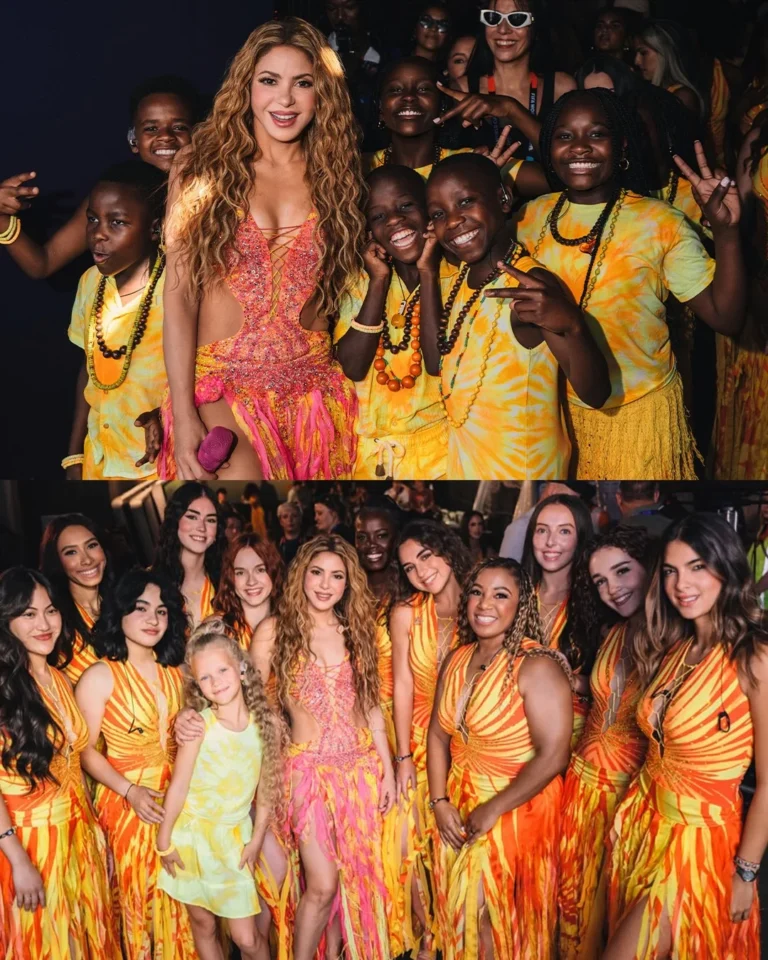
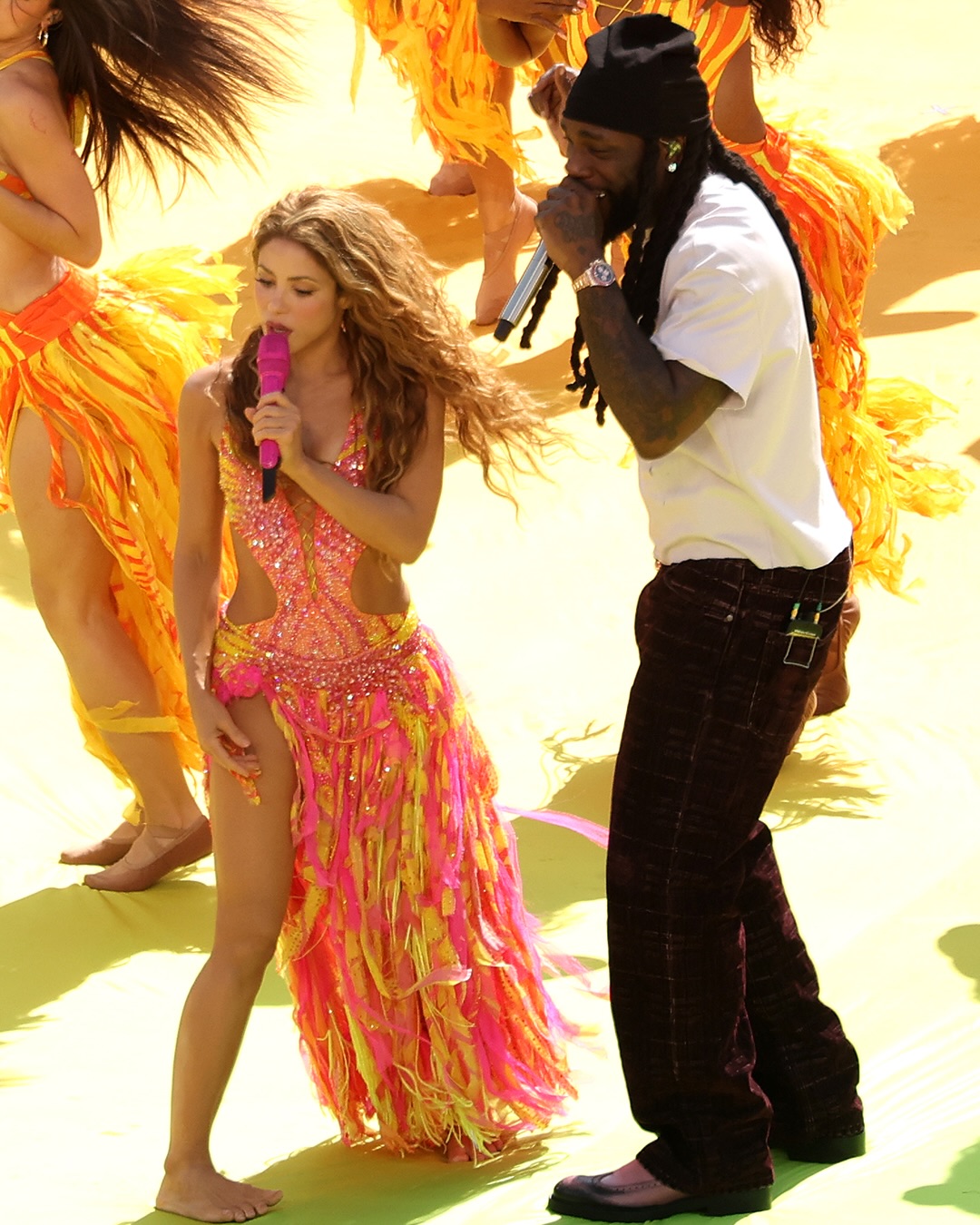
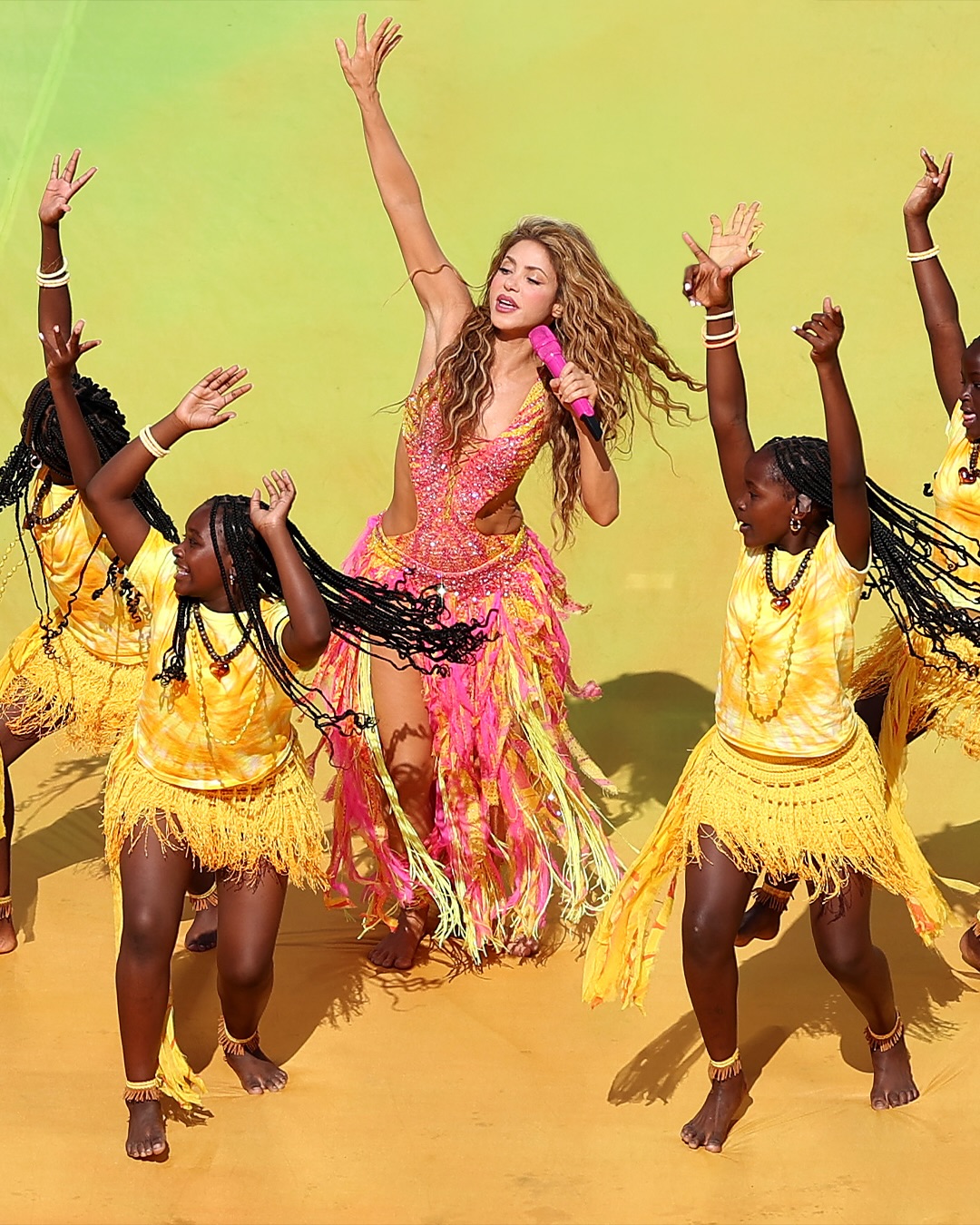
Shakira, a seasoned performer known for her dazzling stage attire, did not disappoint. She commanded the stage in a custom pink-and-yellow crystal-beaded bodysuit. This vibrant creation featured an avant-garde asymmetric waist cut-out, adding a modern edge to the classic allure of a bodysuit. The garment was further enhanced by a flowing fringed skirt that moved dynamically with her every step, amplifying the visual impact of her iconic dance moves. The choice of bright pink for her microphone created a striking visual accent, perfectly complementing the jewel-toned ensemble. Her barefoot performance underscored a sense of earthiness and connection to the stage, allowing her uninhibited movement and infectious energy to shine through. The meticulous beadwork and the bold color palette were a testament to her status as a fashion icon, blending glamour with performance readiness.
In contrast to Shakira’s dazzling display, Burna Boy opted for a look that was both cool and understated, a deliberate choice that allowed him to stand out while maintaining his signature laid-back charisma. He performed in a clean white T-shirt, a staple that conveyed effortless style. This was paired with dark, textured trousers that added a touch of sophistication. A black beanie, a recurring element in his public appearances, provided a relaxed yet stylish edge. His accessories, including silver chains and a wristwatch, added subtle but effective details that completed his ensemble. This ensemble created a perfect visual counterpoint to the vibrant colors of Shakira’s costume and the energetic backdrop, allowing Burna Boy to deliver his powerful verses with his characteristic confidence and ease. His presence on stage, a blend of street style and musical gravitas, resonated deeply with his global fanbase.
The Ghetto Kids brought an explosion of color and youthful exuberance to the stage. Dressed in coordinated yellow tie-dye outfits, their costumes were vibrant and eye-catching. The inclusion of fringed skirts added a playful element that accentuated their energetic choreography. Chunky beaded necklaces served as bold accessories, further enhancing their unique aesthetic. Their outfits were designed to convey a sense of joyful abandon and individuality, reflecting their remarkable journey from the streets of Uganda to the global stage. The rest of the dance crew complemented this vibrant theme, adorning themselves in yellow-and-orange flame-inspired costumes. These ensembles created a fiery visual spectacle, tying together the diverse elements of the performance and reinforcing the theme of passion and energy.
A Journey to the Global Stage: The Ghetto Kids’ Ascent
The inclusion of the Ghetto Kids in the 2026 FIFA World Cup Final Halftime Show represents a significant milestone not only for the young performers but also for the growing international recognition of African talent. The Ghetto Kids, a group of orphaned and vulnerable children from the slums of Katanga in Kampala, Uganda, have captured the hearts of millions worldwide with their extraordinary dancing abilities and infectious spirit. Their journey from humble beginnings, dancing on the streets to entertain and earn a living, to performing on one of the world’s largest stages is a testament to their resilience, dedication, and undeniable talent.
Their rise to prominence began with viral videos shared on social media platforms, showcasing their energetic and synchronized dance routines. These videos quickly garnered international attention, leading to collaborations with prominent artists and appearances on global platforms. Their performances are characterized by an uninhibited joy, remarkable coordination, and an innate ability to connect with audiences. The Ghetto Kids’ participation in the World Cup halftime show served as a powerful platform to showcase Ugandan and, by extension, broader African talent on a global scale, highlighting the continent’s rich cultural heritage and burgeoning creative industries. Their presence underscored FIFA’s commitment to inclusivity and celebrating diverse cultures within the world of football.
Behind the Scenes: A Moment of Unity
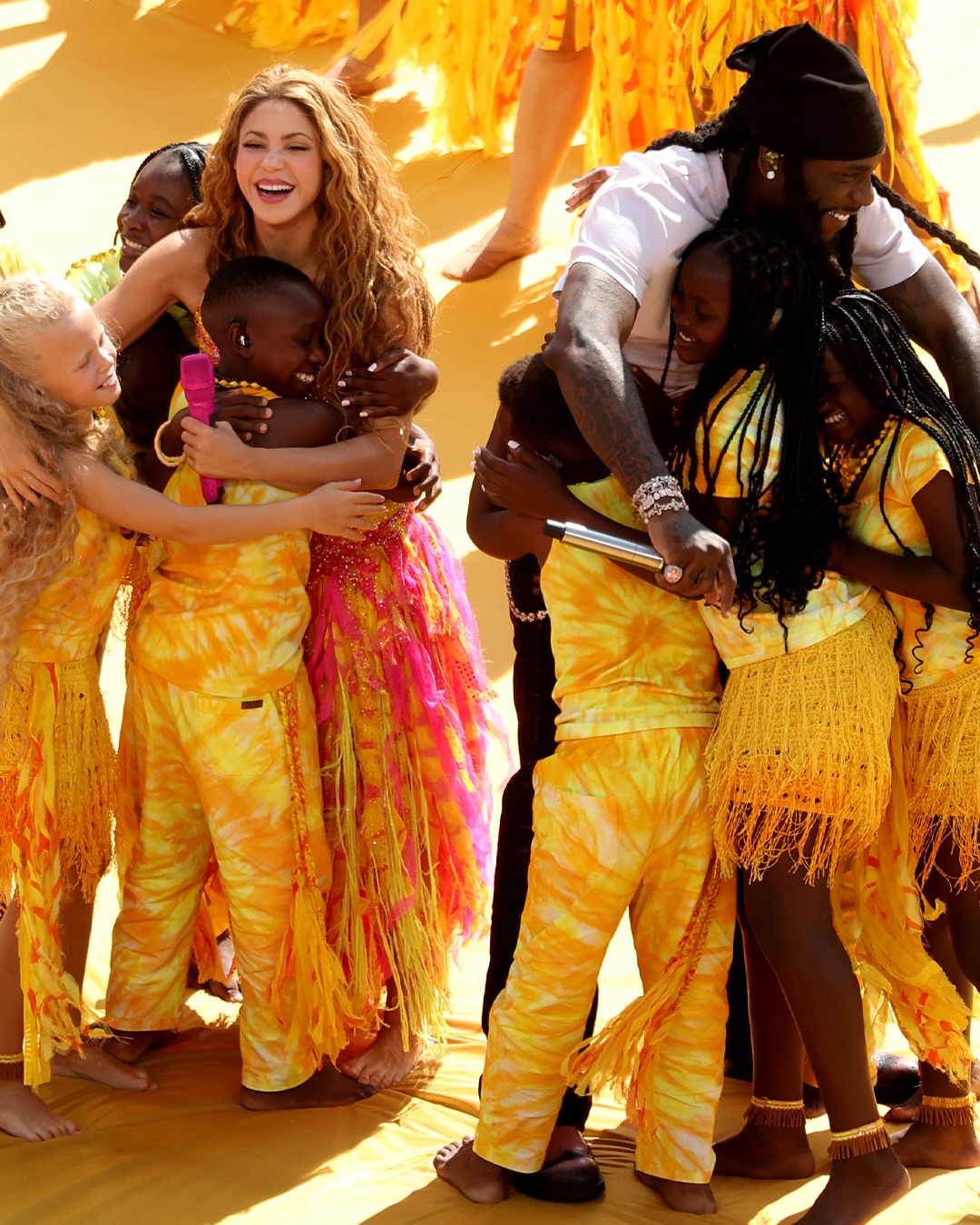
Beyond the dazzling costumes and the electrifying performances, the backstage moments captured in photographs reveal the genuine camaraderie and mutual respect shared between the artists. Images show Shakira and Burna Boy embracing members of the Ghetto Kids, a touching display of support and acknowledgment. These candid moments offer a glimpse into the collaborative spirit that underpinned the entire production. The shared smiles, peace signs, and playful interactions backstage before the performance highlighted the positive atmosphere and the shared excitement of being part of such a monumental event.
The culmination of the performance offered one of the most heartwarming moments of the night. As the final notes of "Dai Dai" faded, Burna Boy and Shakira gathered the Ghetto Kids into a group embrace on the pitch. This symbolic gesture of unity marked the end of the first-ever FIFA World Cup final halftime show, leaving the audience with a lasting impression of joy, collaboration, and the power of music and dance to bring people together. This final tableau served as a poignant reminder of the shared human experience that transcends borders and cultures, a fitting end to a tournament that celebrates global athleticism and unity.
The Anthem "Dai Dai": A Soundtrack for a Global Event
The performance of "Dai Dai," the official anthem of the 2026 FIFA World Cup, was central to the halftime show’s narrative. While the original article mentions the song title, further context reveals that the creation and selection of such an anthem are often part of a larger strategy by FIFA to create a unifying soundtrack for the tournament. These anthems are typically commissioned to artists who can capture the spirit of global competition, passion, and diversity.
The collaboration between Shakira, Burna Boy, and the Ghetto Kids on "Dai Dai" was designed to resonate with a wide audience, blending their distinct musical influences into a track that is both anthemic and culturally relevant. The process of selecting and producing the anthem likely involved extensive collaboration between FIFA, record labels, and the artists themselves, ensuring that the final product accurately reflected the tournament’s values and aspirations. The song’s performance during the halftime show served not only as entertainment but also as a powerful reinforcement of the tournament’s global message.
Implications and Future Trends
The 2026 FIFA World Cup Final Halftime Show, with its diverse lineup and emphasis on global collaboration, signals a potential shift in how major international sporting events curate their entertainment offerings. The success of this year’s performance suggests a growing appetite for authentic cultural representation and a move away from more traditional, Western-centric programming.
Supporting Data and Analysis:
- Global Reach: The FIFA World Cup is one of the most-watched sporting events globally, with billions tuning in. The halftime show, therefore, provides an unparalleled platform for artists. The 2026 final, expected to be watched by an estimated 1.5 billion viewers worldwide, amplified the reach of Shakira, Burna Boy, and the Ghetto Kids exponentially.
- Cultural Exchange: The inclusion of artists from Latin America, Africa, and the global pop scene facilitates significant cultural exchange. This not only broadens the audience’s musical horizons but also promotes a more inclusive and representative global narrative.
- Economic Impact: The increased visibility for artists and their respective music industries can lead to significant economic benefits, including increased music sales, streaming numbers, touring opportunities, and brand endorsements. For the Ghetto Kids, this performance represents a life-changing opportunity that could secure their futures and provide resources for their community.
- Social Impact: The performance of the Ghetto Kids, in particular, carries significant social implications. It shines a spotlight on the talent and potential that exists in underserved communities worldwide, inspiring young people and challenging preconceived notions about talent origin. It can also contribute to increased awareness and support for initiatives focused on children’s welfare and education in regions like Uganda.
- Trend Towards Authenticity: The positive reception to the more authentic and diverse lineup suggests a trend towards incorporating artists who bring unique cultural perspectives, rather than solely relying on established global superstars. This approach resonates with audiences who are increasingly seeking genuine and representative content.
The strategic decision to feature a blend of established global icons and rising stars from diverse backgrounds indicates a forward-thinking approach by FIFA. It reflects an understanding that the modern World Cup audience is global, multifaceted, and appreciative of authentic cultural expressions. The success of this formula is likely to influence future entertainment programming at major sporting events, encouraging greater inclusivity and the showcasing of emerging global talent. The Ghetto Kids’ journey, in particular, serves as a powerful narrative of hope and the democratizing influence of digital media, proving that talent can emerge from anywhere and capture the world’s attention.
The 2026 FIFA World Cup Final Halftime Show, through its vibrant performances and meticulously chosen attire, offered a powerful visual narrative that celebrated global unity, artistic excellence, and the transformative power of music and dance. The images from this event will undoubtedly remain etched in the memories of fans, serving as a testament to a truly international spectacle.