The landscape of international public health is currently undergoing its most significant structural shift since the turn of the millennium, as the era of expansive donor-led health initiatives gives way to a period of managed contraction. At the Global Health Campus in Geneva, which serves as the headquarters for leading organizations such as Unitaid and the Global Fund to Fight AIDS, Tuberculosis and Malaria, the rhetoric of "self-reliance" has become the primary tool for operationalizing a widespread retreat by Western donors. This transition, framed by institutional leaders as a move toward national empowerment, is being tested by severe funding shortfalls and escalating health emergencies in the Global South, most notably in the Democratic Republic of Congo and Sudan.

The Global Fund’s Board recently concluded a series of strategic meetings intended to navigate this changing landscape. Faced with an inability to mobilize the necessary capital to sustain its previous trajectory, the Board approved a series of measures that many observers characterize as a "machinery of retreat." Central to this strategy is a new policy allowing countries to utilize the Global Fund’s procurement platform as a bridge-financing facility. While presented as a mechanism for nations "moving toward self-reliance," the policy underscores a future where direct grants are replaced by facilitated purchasing. The scale of this transition is significant: in the current three-year cycle, 61 health programs across 35 countries are scheduled to lose Global Fund support, while only 21 new programs are slated to enter the portfolio.
The Fiscal Foundation of Global Retreat
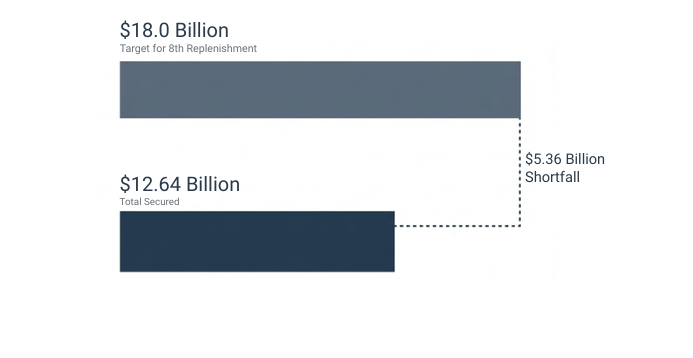
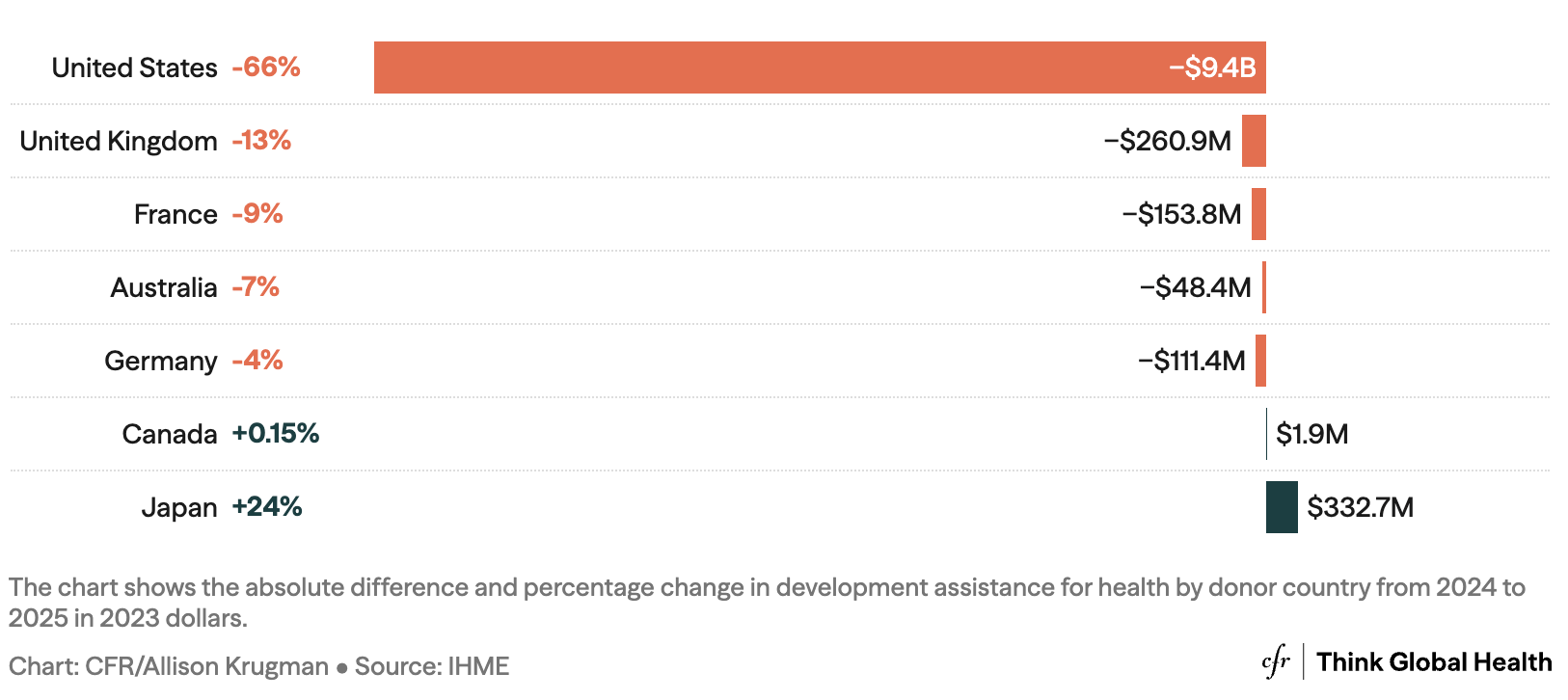
The current crisis is rooted in a year of significant financial setbacks, largely driven by shifts in American foreign policy and a cooling of European commitment to global health development. The Global Fund’s eighth replenishment cycle, which concluded in early 2026, secured $12.64 billion—a substantial figure, yet one that falls nearly $5.5 billion short of the $18 billion target deemed necessary to stay on track for ending the three epidemics by 2030. This shortfall was exacerbated by France’s decision to reduce its contribution and delays in pledges from the European Union, signaling a broader fatigue among traditional donor nations.

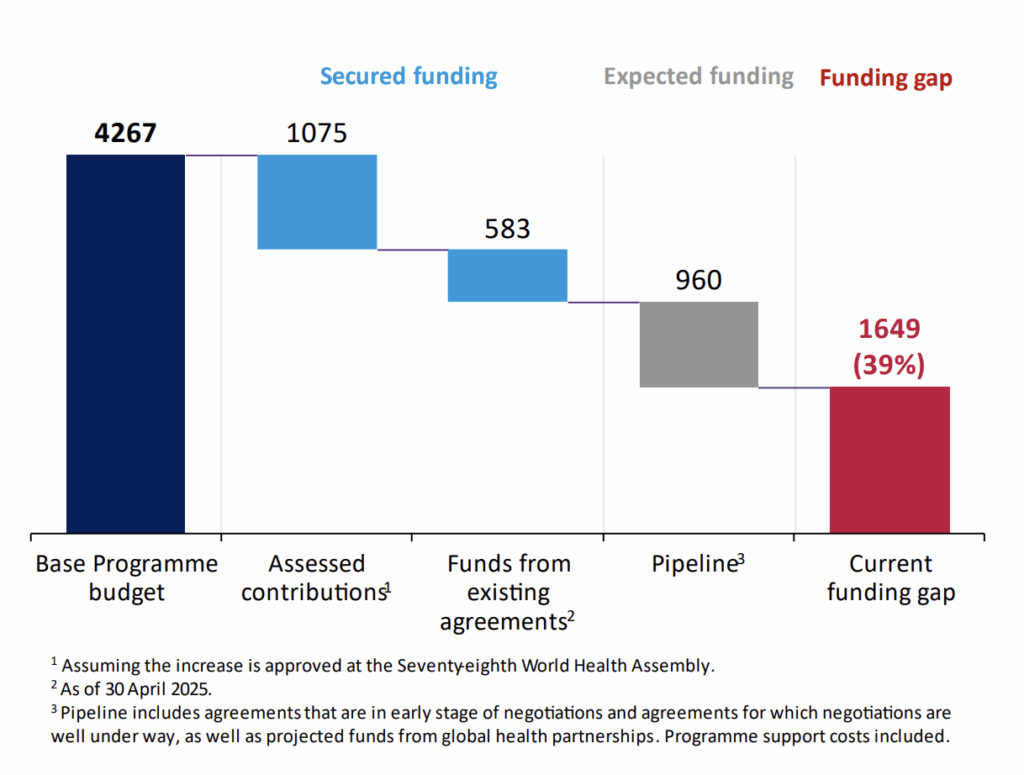
The World Health Organization (WHO) is facing a similarly precarious financial future. Following the formalization of the United States’ withdrawal from the organization in January 2025, the WHO has struggled to bridge a $420 million gap in its 2025–2027 base budget. The impact on the organization’s human resources has been profound; by March 2026, the WHO had shed nearly a quarter of its workforce, totaling 2,507 posts. Furthermore, the organization’s Emergencies budget, which relies on separate donor appeals, currently faces a $553 million deficit. This hollowing out of the world’s primary normative health authority occurs at a moment when its technical guidance and coordination are increasingly required to manage cross-border threats.
While institutional leaders argue that dependence on a handful of Western capitals was always a structural vulnerability, the pace of the current transition has raised alarms. The ambition to build health financing on domestic revenue and to strengthen regional institutions—such as the Africa Centres for Disease Control and Prevention (Africa CDC)—is widely supported in principle. However, critics argue that a transition dictated by donor budget cycles rather than the actual readiness of national health systems risks becoming a form of abandonment.
Real-World Consequences in Eastern Congo and Sudan
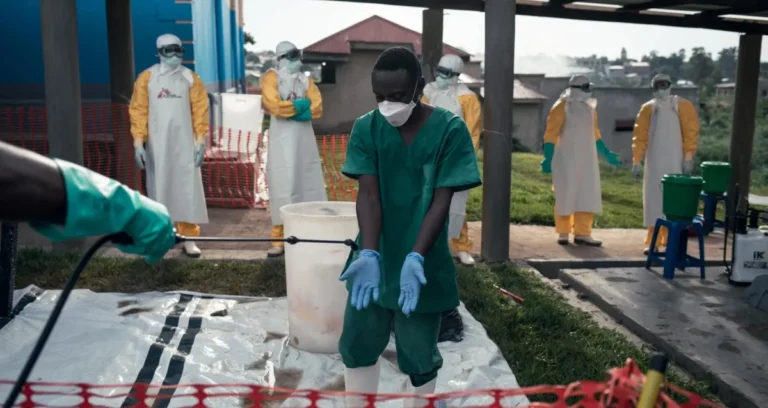
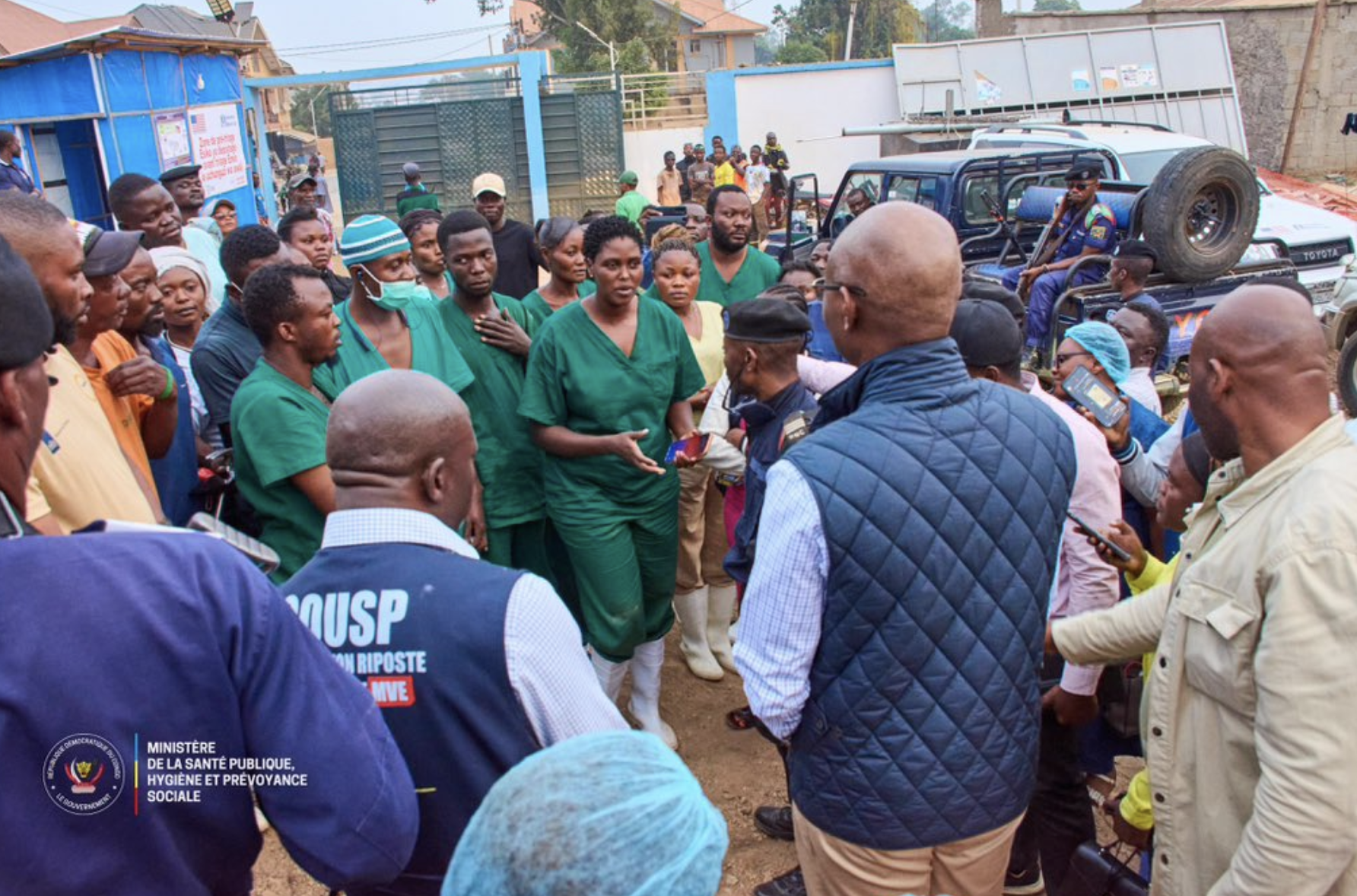
The theoretical debates over "country ownership" and "self-reliance" are being met with grim reality in the field. In the eastern Democratic Republic of Congo (DRC), the Bundibugyo Ebola outbreak has emerged as the fastest-growing Ebola event on record. As of mid-July 2026, the outbreak reached 2,073 confirmed cases and 796 deaths, representing a case-fatality rate of approximately 37%.
The WHO has admitted that its response is struggling to keep pace with the virus’s spread, noting that roughly 80% of new cases are occurring outside of established contact-tracing lists. The response is further hampered by severe funding gaps and labor unrest; frontline responders in Ituri recently walked off the job over unpaid wages. Surveillance teams, burial staff, and community mobilizers—the backbone of any outbreak response—are currently on strike, leaving the virus to spread largely unchecked in high-risk zones.
Simultaneously, Sudan is grappling with a resurgence of cholera in the Darfur and Kordofan regions. With 1,330 reported cases and a staggering case-fatality rate of 13.7%, the situation in Sudan highlights the collapse of care delivery in conflict-affected areas where international support has dwindled. These mortality figures serve as a stark reminder that budget deficits in Geneva translate directly into lives lost in regions where health systems are too fragile to absorb the shock of donor withdrawal.
The Pandemic Agreement and the Power Struggle of PABS
The crisis in funding is mirrored by a crisis in global health diplomacy. The Intergovernmental Working Group on the WHO Pandemic Agreement held its seventh meeting in July, but once again failed to reach a consensus on the Pathogen Access and Benefit-Sharing (PABS) system. The PABS system is considered the "heart" of the treaty, designed to ensure that countries that share pathogen samples during an outbreak receive a guaranteed share of the vaccines and therapeutics developed from those samples.
Two competing models remain at an impasse. One model, favored by many low- and middle-income countries, demands legally binding guarantees of equitable access to health products. The opposing model, preferred by nations with large pharmaceutical sectors, emphasizes voluntary contributions and market-based mechanisms. This dispute is fundamentally about the balance of power in global health security. The experience of the COVID-19 pandemic, where high-income nations secured the lion’s share of early vaccine supplies, remains a central point of contention. A year after the Pandemic Agreement was adopted with much fanfare in May 2025, the failure to resolve the PABS mechanism leaves the treaty as a largely symbolic document without the enforcement teeth necessary to prevent future inequities.
Institutional Reshuffling and the Need for Transparency
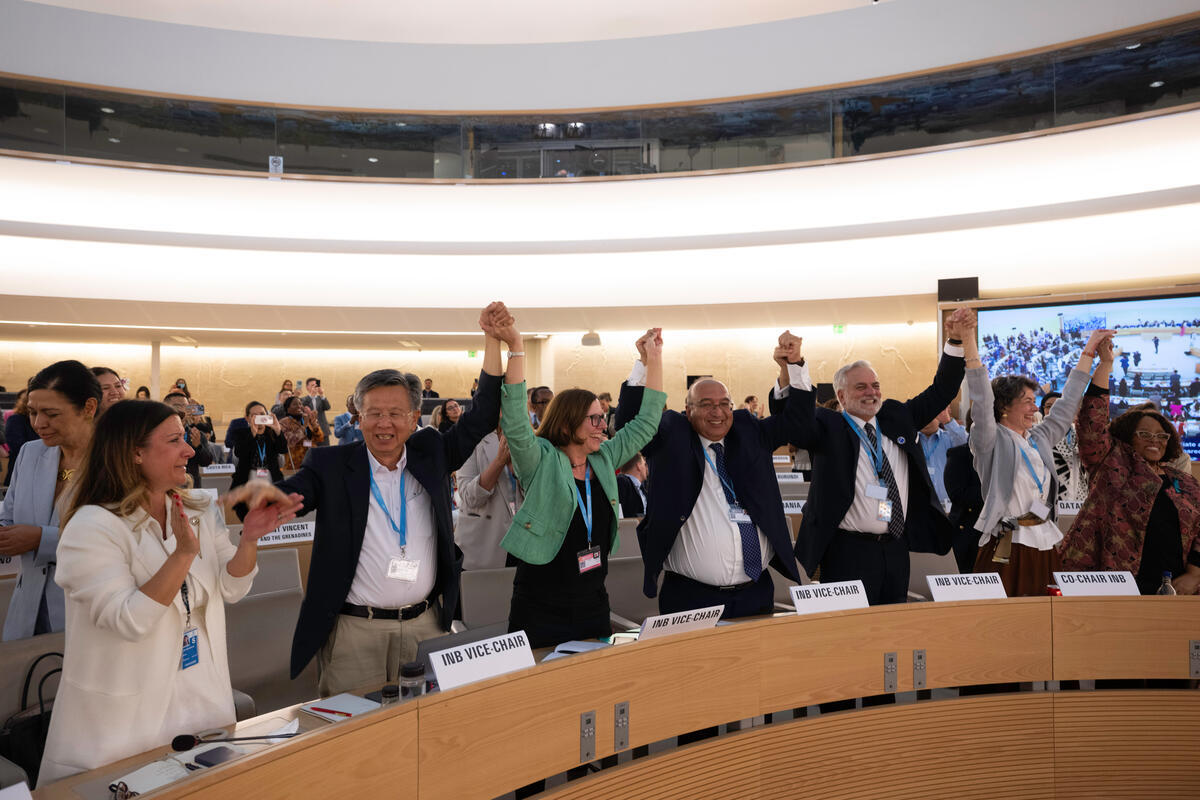
Amidst these crises, global health agencies are undergoing internal reshuffles that have largely escaped public scrutiny. Unitaid is currently conducting a search for new leadership behind closed doors, even as it navigates significant budget cuts. Similarly, the Global Fund is seeking a new Executive Director, with many looking to Germany to fill the leadership and funding vacuum left by the United States.
The WHO also faces ongoing criticism regarding its "shadow workforce." Despite significant cuts to official staff positions, the organization continues to rely on an unreported number of consultants and individuals on Special Service Agreements. Some estimates suggest this shadow workforce is nearly as large as the remaining formal staff. This lack of transparency complicates efforts to assess the organization’s true operational capacity and efficiency.
Austerity measures within these organizations have historically led to increased opacity, as leaders seek to manage perceptions of decline. However, as the global health system becomes leaner, the questions of governance, accountability, and transparency become more critical. The upcoming election process for the next Director-General of the WHO will likely serve as a referendum on how the organization intends to manage its diminished resources while maintaining its global mandate.
The Verdict on Transition
The shift toward self-reliance is not without its proponents. Many argue that leaner institutions can be more focused and that co-financing requirements can deepen national political commitment to health. Proponents of the current strategy suggest that the "brutal shock" of the funding crisis could finally force the structural reforms that years of comfortable funding deferred.
However, the history of reform under fiscal duress suggests that the most vulnerable populations often bear the brunt of the "efficiency" gains. The true test of the current transition in global health will not be found in the language of strategy documents or board communiqués. Instead, it will be found in the epidemiological data coming out of places like Ituri and Darfur.
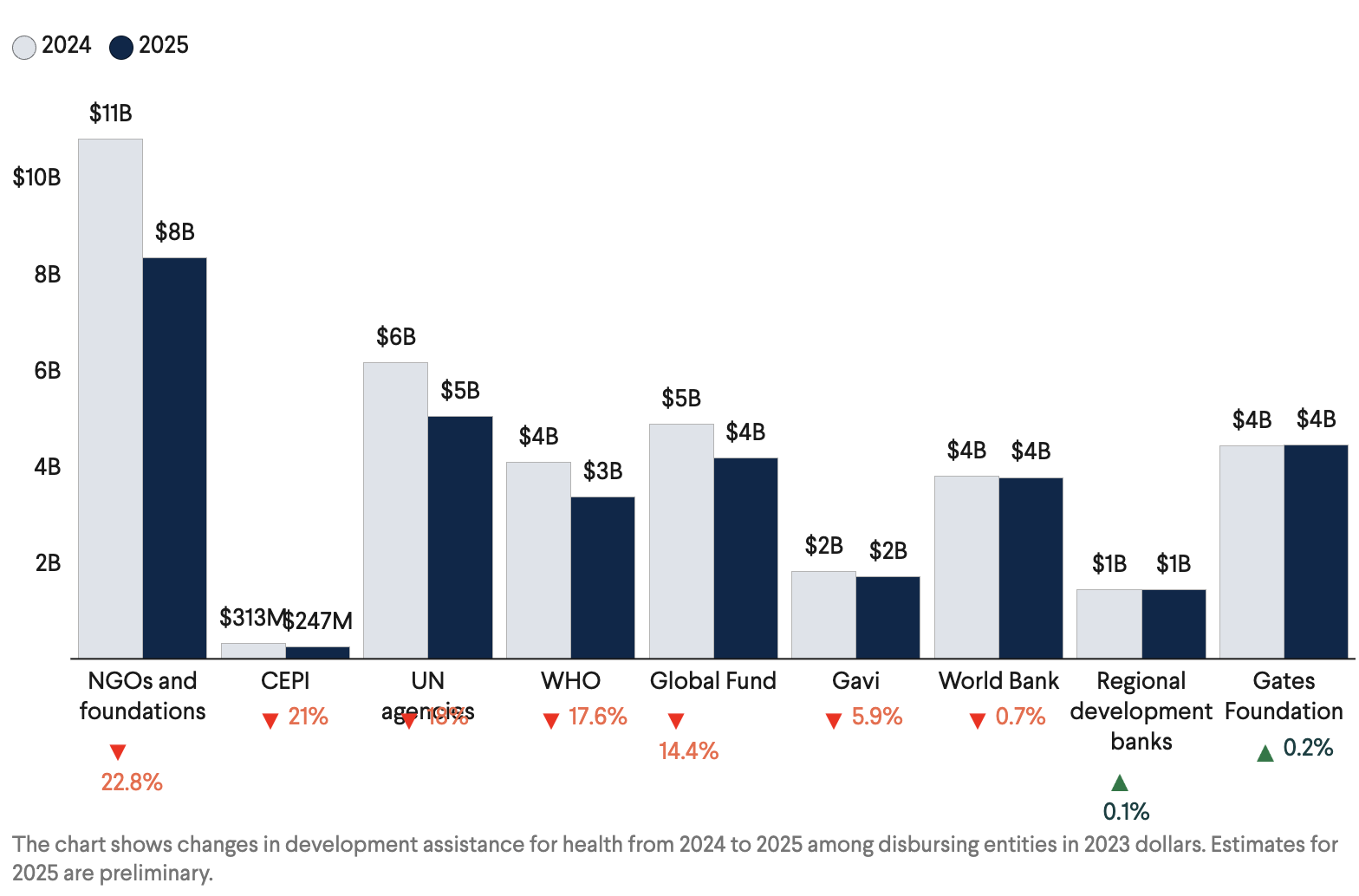
If "self-reliance" is to be more than a euphemism for abandonment, it must be accompanied by a genuine transfer of power and resources to regional bodies like the Africa CDC and a sustained commitment to bridge the gap until national systems are truly ready to stand alone. As of mid-2026, the data suggests that the transition is occurring at a pace that outstrips the capacity of recipient nations to adapt, leaving a vacuum in global health security that pathogens are all too ready to fill. The throughline of the current era is a system negotiating its own contraction, attempting to frame a retreat as a strategy, while the arithmetic of the ledger is increasingly written in human mortality.