Lagos is poised to become the epicenter of fencing excellence as Team Nigeria athletes express unwavering confidence and meticulous preparation for the upcoming 2026 Commonwealth Fencing Championships. Scheduled to unfold from August 9th to 14th, the prestigious event will see Nigerian fencers vying for medal glory on home turf, a prospect that has ignited a palpable sense of anticipation and determination within the national squad. In exclusive interviews with the News Agency of Nigeria (NAN) on Tuesday in Lagos, several key members of the team and their officials articulated a shared vision of success, underscoring their readiness to confront and overcome formidable international competition.
The Nigerian contingent is spearheaded by a cadre of seasoned athletes, including Adebodunri Thomas and Alex Chizim Aninyei, both of whom represented the nation with distinction at the 2025 African Fencing Championships. Their prior experience on the continental stage has undoubtedly honed their skills and instilled a competitive spirit that is expected to shine brightly in the Commonwealth Games.
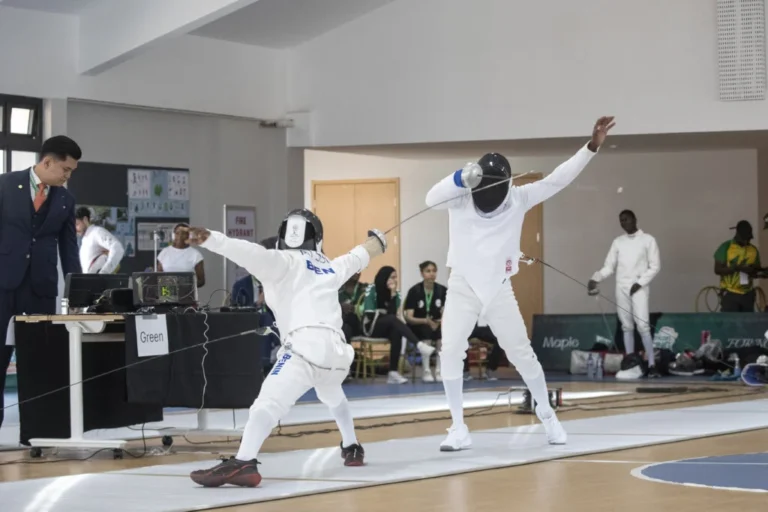
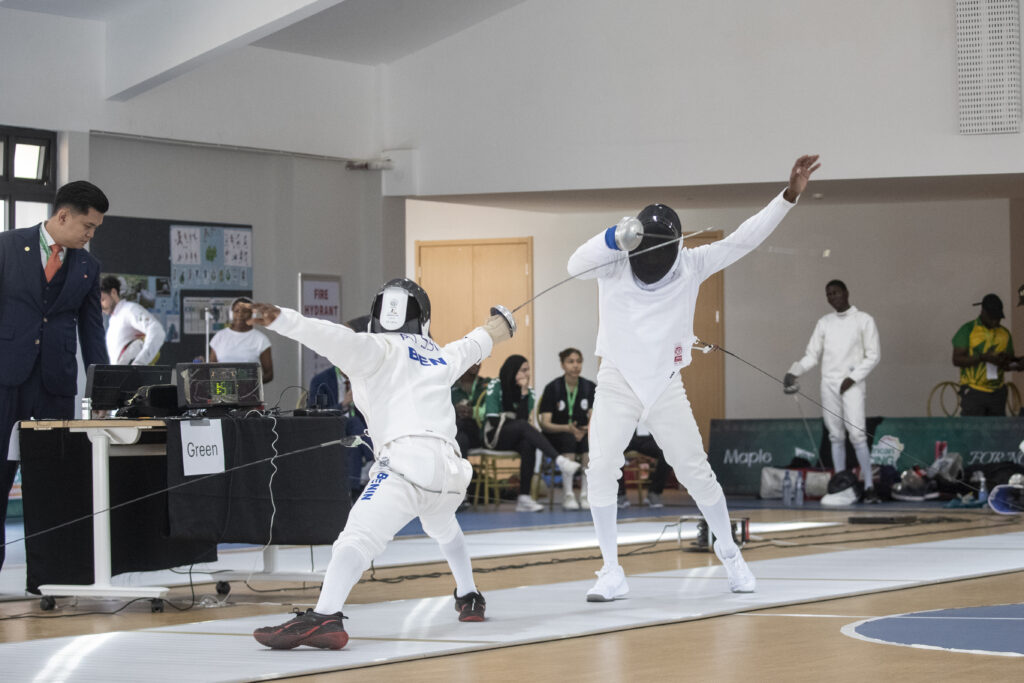
Adeboddunri Thomas, a formidable force in Nigerian fencing and the nation’s top-ranked female épée fencer, articulated a measured yet optimistic outlook. "I have very high expectations, and I think it is going to be really challenging," Thomas stated, acknowledging the elevated level of competition anticipated at the Commonwealth Championships. "This will not be like the African Championships." Her ambition is to replicate and surpass her previous performance at the Junior African Championships, where she reached the round of 16. "I hope to reach the last 16 again, as I did at the Junior African Championships," she affirmed. Beyond individual achievements, Thomas views the championship as a profound opportunity for growth and exposure. "More importantly, fencing against some of the world’s top athletes is a great opportunity," she emphasized. Her dedication to refining her craft is evident in her rigorous training regimen. "I have trained every day since returning from school, working with my coach on new techniques, and I am eager to put them into practice," she added, highlighting her commitment to continuous improvement.
Complementing Thomas’s resolve, Alex Chizim Aninyei echoed the sentiment of opportunity and the pursuit of excellence. He perceives the Commonwealth Championships as a pivotal platform for international exposure and a stern test of his developed abilities. "It is a wonderful opportunity to represent Nigeria," Aninyei stated with enthusiasm. "I look forward to competing against different fencers from around the world, gaining experience and testing the skills I have developed over the years." His strategic approach to the competition is clear: "My goal is to qualify from the pool stage, reach the direct elimination rounds, and, of course, win a medal." This ambition reflects a desire not only to compete but to contend for podium finishes.
The confidence radiating from the athletes is mirrored by the unwavering support and strategic guidance of the national coaching staff. Ibrahim Alogba, the National Coach, expressed profound assurance in the team’s preparedness and their capacity to deliver a stellar performance. "We are very ready, and we still have time to prepare further," Alogba declared, underscoring the ongoing commitment to peak performance. He acknowledged the significance of the event: "The Commonwealth Championships are no small event." However, he firmly believes in the current strength and unity of the Nigerian squad. "But our team is stronger now and more united than before," he asserted. Alogba attributed this enhanced team dynamic to the valuable exposure gained from participating in world-class tournaments. "With the chemistry we have built and the exposure we have gained from world-class tournaments, I believe we can win medals for Nigeria," he concluded, projecting a strong belief in the team’s potential.
Background and Significance of the Commonwealth Fencing Championships
The Commonwealth Fencing Championships represent a significant quadrennial event that brings together fencers from across the Commonwealth of Nations. Fencing, a sport steeped in history and characterized by its demanding blend of physical prowess, strategic thinking, and split-second reflexes, has been a part of the Commonwealth Games program in various forms. However, the dedicated Commonwealth Fencing Championships provide a distinct platform for athletes to compete against peers from a diverse array of nations united by a common historical and cultural bond. This event serves as a crucial stepping stone for many athletes, offering them invaluable international experience and the opportunity to measure their skills against a broad spectrum of global talent.
For Nigeria, hosting this prestigious championship is a landmark achievement. It signifies a growing recognition of the nation’s commitment to developing and promoting fencing as a competitive sport. Home advantage, while not always a guarantee of victory, can provide a significant psychological boost, allowing athletes to perform under the familiar roar of their home crowd. This familiarity can translate into enhanced focus, reduced pressure, and a greater sense of national pride.

A Glimpse into Fencing’s Disciplines and Nigerian Talent
Fencing encompasses three distinct weapons: foil, épée, and sabre. Each weapon demands a unique set of techniques, strategies, and physical attributes.
- Foil: A thrusting weapon with a flexible blade, where points are scored by hitting the opponent’s torso, excluding the arms, legs, and head. It is often considered the entry-level weapon, emphasizing precision and timing.
- Épée: A thrusting weapon where the entire body is a valid target. Unlike foil and sabre, there is no right-of-way, meaning the first fencer to score a valid hit is awarded the point, or both fencers score simultaneously if their hits are within 1/25th of a second of each other. This discipline demands a high degree of tactical awareness and defensive capability. Adebodunri Thomas excels in this discipline.
- Sabre: A cutting and thrusting weapon, where points are scored by hitting the opponent from the waist up, including the arms and head. This is the fastest of the three weapons, requiring explosive movements and rapid reactions.
The presence of athletes like Adebodunri Thomas, a top-ranked épée fencer, highlights Nigeria’s strength in specific disciplines. The success of the team will likely depend on the collective performance across all three weapons, requiring a well-rounded squad capable of adapting to different styles and demands.
The Road to the Championships: Preparation and Training
The Nigerian athletes have been engaged in intensive training regimes, a testament to their dedication. The mention of training every day since returning from school by Adebodunri Thomas indicates a significant personal commitment. This is further corroborated by the National Coach’s assertion that the team is "very ready" and has "time to prepare further." This suggests a structured approach to training, likely involving:
- Technical Skill Refinement: Working on specific fencing techniques, footwork, and blade work relevant to each weapon.
- Physical Conditioning: Enhancing stamina, agility, speed, and strength, all crucial for the demanding nature of fencing.
- Tactical Training: Developing strategic approaches to bouts, understanding opponents’ styles, and implementing effective counter-strategies.
- Mental Preparation: Building resilience, focus, and confidence to perform under pressure in a competitive environment.
The exposure gained from participating in "world-class tournaments," as mentioned by Coach Alogba, is invaluable. This likely includes international competitions where Nigerian fencers have had the opportunity to face athletes from various countries, learning from their experiences and adapting their own game plans. This prior exposure helps demystify international competition and allows athletes to perform at their best when the stakes are highest.

Broader Implications and Future Outlook
The 2026 Commonwealth Fencing Championships in Lagos is more than just a sporting event; it is an opportunity to showcase Nigeria’s growing prowess in international sports and its capability to host significant global competitions. A strong showing by Team Nigeria could have several positive implications:
- Inspiration for Future Generations: Success on the international stage often inspires young Nigerians to take up new sports, fostering a healthier and more active youth population.
- Development of Fencing Infrastructure: Hosting such an event can spur investment in fencing facilities and coaching programs across the country, leading to long-term development of the sport.
- Economic Benefits: International sporting events attract visitors, media, and sponsors, contributing to the local economy through tourism, hospitality, and media coverage.
- Enhanced International Standing: A successful hosting and competitive performance can bolster Nigeria’s reputation as a capable sporting nation on the global stage.
The journey of Team Nigeria at the 2026 Commonwealth Fencing Championships is keenly anticipated. With athletes like Adebodunri Thomas and Alex Chizim Aninyei leading the charge, backed by a determined coaching staff and the advantage of home support, the stage is set for a compelling display of fencing prowess. The nation will be watching, hoping for a medal haul that reflects the dedication, talent, and unwavering spirit of its athletes. The championship promises to be a thrilling spectacle, celebrating sportsmanship, international camaraderie, and the relentless pursuit of excellence.