The Kano State House of Assembly has initiated a comprehensive investigation into the utilization of monthly security allocations disbursed to local government councils, a decisive move aimed at bolstering accountability and addressing the escalating wave of insecurity plaguing its border communities. This legislative directive underscores a growing concern over the efficacy of current security strategies and the transparent management of public funds earmarked for community protection.
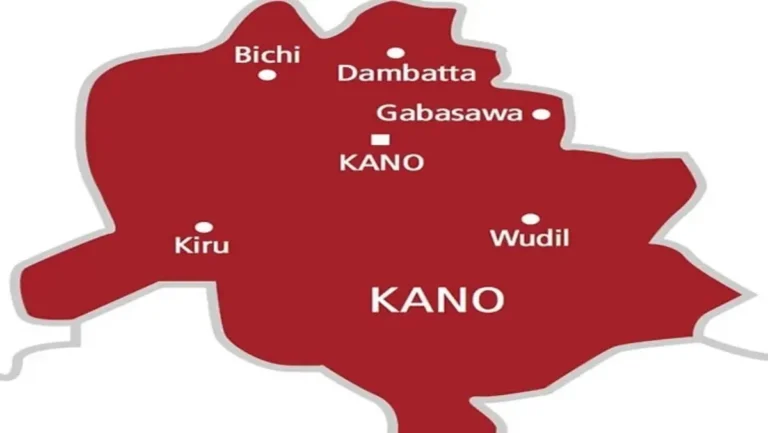
The resolution, adopted during a recent plenary session presided over by the Speaker, Rt. Hon. Isma’il Falgore, followed a motion of urgent public importance sponsored by Garba Gwarmai, the representative for Ghari/Tsanyawa Constituency. Gwarmai’s impassioned plea highlighted the dire security situation, particularly the renewed and increasingly brazen attacks by suspected bandits in communities within the Tsanyawa Local Government Area, a region strategically vulnerable due to its proximity to the Kano-Katsina border.
Escalating Insecurity and its Multifaceted Impact
Moving the motion, Honourable Gwarmai articulated profound concern over the deteriorating security landscape, emphasizing how the persistent threat has severely disrupted the fundamental fabric of life in the affected areas. Farming, the primary economic activity and lifeline for many rural residents, has been brought to a standstill as fear of attacks prevents farmers from accessing their lands. This disruption not only threatens food security but also exacerbates poverty and unemployment, creating a fertile ground for further instability.
The educational sector has also suffered immense setbacks. Numerous schools in Tsanyawa and neighboring communities have been forced to close their doors, with teachers and students fleeing for safety, thereby denying countless children access to learning and jeopardizing their future. Similarly, healthcare services have been severely hampered; health workers are reluctant to operate in volatile areas, and medical facilities often lack essential supplies or have been abandoned, leaving residents without critical medical attention, especially for those injured in attacks. Commercial activities, including local markets and trade routes, have been paralyzed, further isolating these communities and stifling economic growth. The cumulative effect is a profound humanitarian crisis, driving displacement and exacerbating vulnerabilities among the population.
Gwarmai further informed the House about the most recent and particularly harrowing incident that unfolded in Yan Cibi community, located within Yan Kamaye Ward. Suspected bandits launched an assault, allegedly attempting to abduct residents and rustle livestock, before a swift response from security operatives managed to repel them. However, the attack was not without tragic consequences. It claimed the life of Yusuf Adamu, a respected community leader and dedicated vigilante member, whose bravery in defending his community will be remembered. Several other residents sustained grievous gunshot injuries during the ordeal and are currently undergoing treatment at the Murtala Muhammad Specialist Hospital, highlighting the severe human cost of this ongoing violence.
The Broader Context of Banditry in North-West Nigeria
The situation in Kano’s border communities is not an isolated phenomenon but rather a microcosm of a larger, more complex security crisis gripping Nigeria’s North-West region. For over a decade, states like Zamfara, Katsina, Kaduna, Niger, Sokoto, and parts of Kano have been under siege by heavily armed criminal groups, often referred to as ‘bandits’. These groups, distinct from Boko Haram/ISWAP in their primary motivations but increasingly overlapping in tactics, primarily engage in large-scale cattle rustling, mass kidnappings for ransom, extortion, and targeted killings.
The origins of this crisis are multi-layered, often traced back to long-standing farmer-herder clashes, environmental degradation, proliferation of small arms, weak governance, and socio-economic marginalization. Over time, these localized conflicts metastasized into sophisticated criminal enterprises, exploiting vast ungoverned spaces, particularly dense forests and difficult terrains that span state and international borders. The Kano-Katsina border, characterized by such challenging topography, provides bandits with strategic routes for ingress and egress, making pursuit by security forces particularly arduous.
According to various reports from organizations such as the Council on Foreign Relations’ Nigeria Security Tracker and the Armed Conflict Location & Event Data Project (ACLED), the North-West region has witnessed a staggering number of casualties and displacements in recent years. Estimates suggest that thousands of civilians have been killed, and hundreds of thousands have been internally displaced, forced to abandon their homes, farms, and livelihoods. This humanitarian catastrophe is compounded by the psychological trauma inflicted upon survivors and the breakdown of social cohesion within affected communities. The economic toll is immense, with agricultural production severely hampered, trade routes disrupted, and investments deterred, further entrenching poverty in an already vulnerable region.
Commendation and Calls for Enhanced Security
Despite the tragic loss of life, Honourable Gwarmai extended commendation to the military and the police for their prompt response during the Yan Cibi attack, which led to the recovery of many of the rustled cattle. This demonstrates the commitment and often heroic efforts of individual security personnel. However, the lawmaker also underscored a critical operational challenge: the inability of security forces to effectively pursue the fleeing attackers due to the difficult and often impenetrable terrain along the Kano-Katsina border. This highlights a persistent logistical and tactical disadvantage faced by state actors against agile, locally entrenched criminal networks.
In light of these challenges, Gwarmai issued an urgent appeal to both the Kano State and Federal Governments. He called for a significant reinforcement of security infrastructure in the affected communities, advocating for the deployment of additional personnel—both military and police—and the provision of improved logistics, including specialized vehicles suitable for rugged terrain, advanced communication equipment, and enhanced intelligence gathering capabilities. Such measures, he argued, are crucial not only for reactive responses but also for proactive deterrence and sustained presence.
The Nexus of Funds and Operational Effectiveness: A Question of Accountability
A central tenet of Gwarmai’s motion, and perhaps the most contentious, revolved around the utilization of the monthly security allocations reportedly released to local government councils. He openly questioned the transparency and effectiveness of how these funds are managed, alleging that despite the apparent availability of these allocations, security operatives on the ground frequently lack adequate logistical support, resources, and even basic operational necessities. This disconnect between allocated funds and visible impact on security operations has fueled public skepticism and calls for greater accountability.
Local government councils, as the third tier of government in Nigeria, are constitutionally mandated to play a crucial role in local security architecture, often serving as the primary interface between communities and state/federal security agencies. Monthly security allocations are typically disbursed from state treasuries to LGAs, intended to support local vigilante groups, provide logistical aid to police divisions and military detachments within their jurisdiction, facilitate intelligence gathering, and fund community security initiatives. The alleged mismanagement or misdirection of these funds directly undermines these critical objectives, potentially leaving communities more vulnerable.
The lawmaker recalled that the Assembly had previously issued a directive to the affected local government councils, instructing them to submit detailed reports outlining how these security allocations were utilized. This earlier directive aimed to pre-empt the current crisis by instituting a mechanism for transparency. However, Gwarmai lamented that this crucial directive had yet to be complied with, suggesting either a deliberate disregard for legislative oversight or systemic challenges in financial reporting at the local government level. This non-compliance further amplified the urgency for a full-scale investigation.
Legislative Action and Path Forward
Following extensive deliberations among members, the Kano State House of Assembly unanimously mandated its relevant committee to conduct a thorough investigation into the utilization of these security funds by the affected local government councils. This investigation is expected to delve into financial records, audit expenditures, and potentially interview local government officials, security personnel, and community leaders to ascertain the true state of affairs. The overarching goal is to ensure stringent accountability in the management of these critical resources, ensuring that funds meant for security genuinely translate into enhanced safety for citizens.
In parallel to the investigation, the Assembly also reiterated its urgent appeal to both the Kano State and Federal Governments. It called for immediate and decisive steps to reinforce security measures across all border communities, with particular emphasis on Tsanyawa and Bagwai local government areas. The resolution stressed the imperative to prevent further attacks and, crucially, to contain the spread of insecurity to other parts of the state. This comprehensive approach recognizes that while accountability for past expenditures is vital, proactive measures to safeguard current and future security are equally paramount.
Implications and Broader Impact
The Kano State House of Assembly’s decision carries significant implications, both for local governance and the broader fight against insecurity in Nigeria.
1. Strengthening Local Governance and Accountability: This investigation represents a critical test for local government autonomy and accountability. If funds are indeed being diverted or mismanaged, it points to systemic weaknesses in financial oversight and the potential for corruption to undermine national security efforts. A successful investigation and subsequent reforms could set a precedent for greater transparency in local government administration across the state and potentially beyond. It could restore public trust in the allocation of resources and improve the effectiveness of local security initiatives.
2. Impact on Community Safety and Livelihoods: The direct consequence of ineffective security funding is the continued vulnerability of rural communities. When security allocations fail to reach their intended purpose, it leaves residents exposed to banditry, exacerbating economic hardship, and fueling displacement. Enhanced accountability, conversely, could lead to better-equipped security forces, more robust local vigilante networks, and ultimately, safer communities where farming, education, and commerce can thrive once more.
3. Inter-Governmental Cooperation: The Assembly’s call for federal and state intervention underscores the multi-faceted nature of the security challenge. Local governments alone cannot effectively combat sophisticated bandit groups. Effective solutions require seamless collaboration and intelligence sharing between local, state, and federal security agencies. The investigation could highlight gaps in this cooperation and lead to more integrated security strategies.
4. Economic and Humanitarian Crisis: The continued insecurity in the North-West contributes significantly to Nigeria’s ongoing humanitarian crisis. Food insecurity, internal displacement, and the disruption of essential services place immense strain on government resources and humanitarian organizations. Addressing the root causes, including financial mismanagement, is crucial for mitigating this crisis and facilitating long-term recovery.
5. Erosion of Public Trust: When communities perceive that funds meant for their protection are not being utilized effectively, it erodes trust in government institutions and can lead to disillusionment, or even a resort to self-help measures. Rebuilding this trust through transparent governance and demonstrable improvements in security is essential for fostering stability and civic participation.
6. Precedent for Legislative Oversight: The proactive stance of the Kano State House of Assembly serves as a vital example of legislative oversight in a democratic system. By scrutinizing the executive arm, particularly at the local government level, the Assembly reaffirms its role in ensuring good governance and the responsible use of public resources. This could inspire similar actions in other states facing comparable challenges.
The investigation by the Kano State House of Assembly marks a crucial juncture in addressing both the immediate threats of banditry and the underlying issues of governance and resource management. Its outcome will not only determine the fate of the accused local government officials but will also significantly influence the effectiveness of future security operations and the overall well-being of Kano State’s vulnerable border communities. The expectation is that this rigorous inquiry will pave the way for a more secure, accountable, and prosperous future for the affected regions.