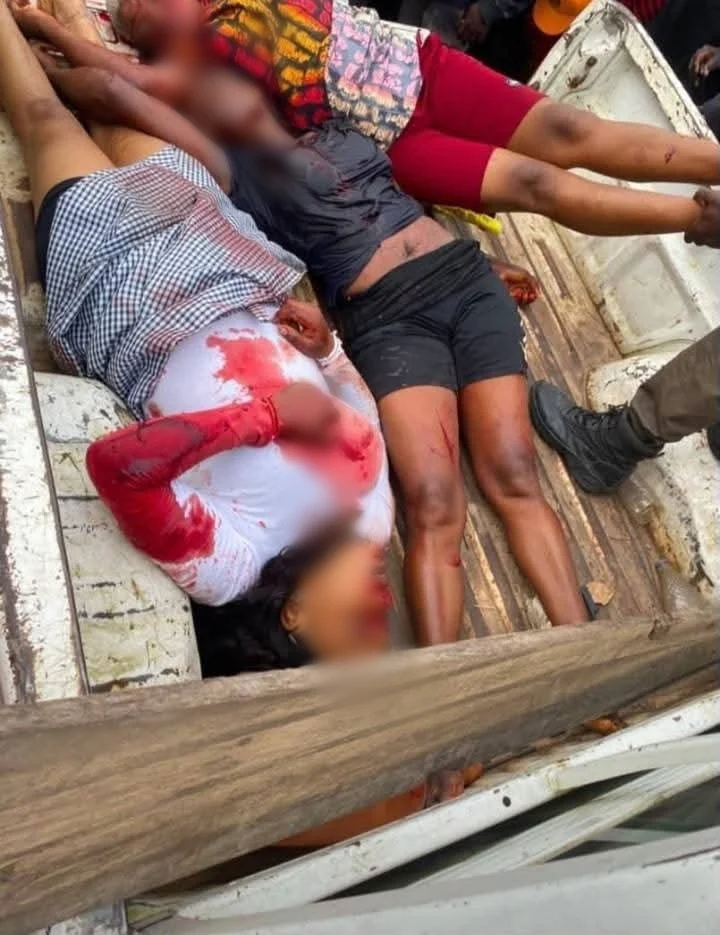
Residents of Omoku, a bustling community in the Ogba/Egbema/Ndoni Local Government Area (ONELGA) of Rivers State, have been plunged into a state of profound fear and uncertainty following a brutal attack that claimed the lives of four individuals, including the Commander of the local Organised Security Peace and Advisory Committee (OSPAC) unit. The tragic incident, which unfolded on Wednesday, July 22, 2026, has sent shockwaves through the region, exacerbating existing security concerns and raising urgent questions about the escalating levels of violence in the area.
The deceased OSPAC operative has been identified as Ozoemela Stephen Wokocha, widely known and respected within the community as "Boski." At the time of his death, Wokocha held the critical position of Commander for the OSPAC Omoku Unit, a local vigilante group tasked with complementing the efforts of conventional security forces in maintaining peace and combating crime. His violent demise, alongside that of three women, underscores the severity and indiscriminate nature of the attack. Reports indicate that two other individuals sustained severe injuries during the onslaught and are currently receiving medical attention.
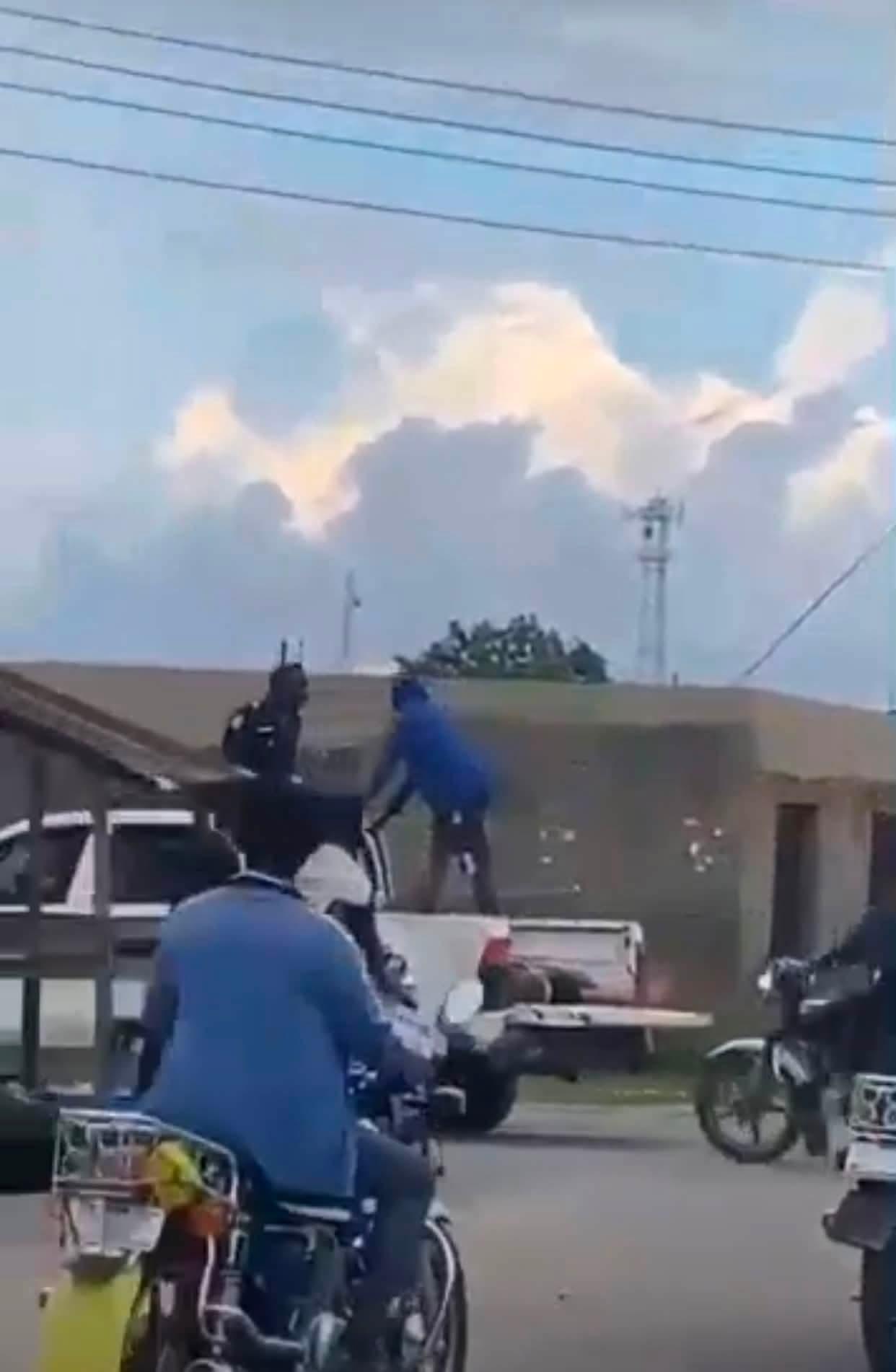
Details surrounding the precise circumstances and the perpetrators of this heinous act remain largely elusive as of press time. Security agencies have yet to issue an official statement, leaving a vacuum of information that has inevitably fueled speculation and amplified the anxieties of the local populace. The lack of immediate clarity from authorities has, in many respects, compounded the sense of vulnerability experienced by the residents of Omoku.
A resident, who preferred to remain anonymous due to understandable safety concerns, painted a grim picture of the aftermath. "The attack has instilled a palpable fear across the community," the source stated. "Many people are staying indoors, worried about what might happen next. You can feel the tension in the air." This sentiment was starkly reflected in the sudden and dramatic shift in the community’s usual rhythm. Streets that are typically vibrant with commercial activity and the movement of people became eerily deserted in the hours following the incident. Businesses, sensing the heightened danger, reportedly shut down earlier than their usual operating times, leading to a significant curtailment of economic activities and a drastic reduction in movement throughout the town. The usual hum of daily life in Omoku was abruptly silenced, replaced by an unsettling quiet born of fear.
Background and Context: The OSPAC Initiative and Security Challenges in ONELGA
The Organised Security Peace and Advisory Committee (OSPAC) emerged in Rivers State as a community-driven initiative aimed at bolstering internal security, particularly in areas grappling with high crime rates and perceived inadequacies in conventional policing. These local security outfits are often formed with the support of community leaders and local government authorities, drawing members from within the community itself. Their mandate typically includes intelligence gathering, community policing, and assisting in the apprehension of criminals.

The Ogba/Egbema/Ndoni Local Government Area, where Omoku is situated, has historically been an area of significant security challenges. These challenges have often been linked to various factors, including cultism, illegal oil bunkering activities, and inter-communal disputes, which can sometimes escalate into widespread violence. The presence of OSPAC units in such volatile environments is a testament to the ongoing efforts by communities to find localized solutions to persistent security threats. The killing of an OSPAC commander, therefore, represents not only a loss of life but also a direct assault on the community’s efforts to secure itself.
The year 2026 has seen a fluctuating security landscape across Nigeria, with various regions experiencing different forms of insecurity. While national security concerns often dominate headlines, localized incidents like the one in Omoku highlight the persistent and often brutal nature of crime and violence at the community level. The effectiveness and legitimacy of community security outfits like OSPAC are often debated, with some hailing them as essential bulwarks against crime and others raising concerns about potential overreach or involvement in extrajudicial actions. However, in communities facing dire security situations, such initiatives are often seen as a necessary, albeit sometimes imperfect, response.
Chronology of the Incident (as reported)
While a precise timeline is difficult to establish without official confirmation, the available information suggests the following sequence of events:

- Wednesday, July 22, 2026: The attack occurs in Omoku, Ogba/Egbema/Ndoni Local Government Area, Rivers State.
- During the attack: Gunmen target and kill Ozoemela Stephen Wokocha (Boski), the OSPAC Commander for Omoku Unit. Three women are also killed during the same incident. Two other individuals sustain injuries.
- Immediate aftermath: Residents express shock and fear. Many opt to remain indoors, and commercial activities are significantly disrupted. Streets become deserted.
- Ongoing: Security agencies are reportedly investigating the incident. The community awaits an official statement.
The timing of the attack, mid-week, would have typically seen Omoku engaged in its usual economic and social activities, making the sudden disruption all the more jarring. The fact that the OSPAC commander was specifically targeted suggests a potential motive related to his role in combating crime or to a dispute involving his vigilante group.
The Victims: A Commander and Innocent Civilians
The death of Ozoemela Stephen Wokocha, "Boski," is a significant blow to the OSPAC Omoku Unit and the broader security architecture of the community. As a commander, he was likely a focal point of the local security apparatus, his leadership and experience crucial in navigating the complex security challenges of the region. His killing could be interpreted as an attempt to decapitate or demoralize the OSPAC’s operational capacity.
The inclusion of three women among the fatalities is particularly tragic and points towards a brutal and indiscriminate act of violence. Their identities have not yet been officially released, but their deaths highlight the devastating impact such attacks can have on innocent civilians, shattering families and communities. The presence of injured individuals further underscores the violence and chaos that must have ensued during the attack.

Broader Impact and Implications for Community Security
The Omoku attack has profound implications for community security in Rivers State and beyond. Firstly, it raises serious questions about the vulnerability of local security operatives to organized criminal elements. If vigilante leaders are targeted with such impunity, it could create a climate of fear that hinders their ability to effectively discharge their duties.
Secondly, the incident is likely to fuel a cycle of fear and potential retaliation. In the absence of swift and decisive action from security agencies, communities might feel compelled to take matters into their own hands, potentially leading to further escalation of violence. The deserted streets and shut businesses are tangible indicators of the immediate economic and social costs of such insecurity.
Thirdly, the attack could have a chilling effect on community engagement with security initiatives. If residents perceive that even those actively involved in maintaining peace are not safe, they may become more hesitant to cooperate with security forces or participate in community watch programs.

The fact that security agencies have not yet issued a statement is also noteworthy. While investigations take time, timely communication from authorities is crucial in managing public perception, dispelling rumors, and reassuring the populace. The delay, however understandable from an investigative standpoint, can contribute to a sense of abandonment or official indifference.
Potential Investigations and Official Response
The Nigerian Police Force and other relevant security agencies are expected to launch a comprehensive investigation into the Omoku killings. This would typically involve:
- Crime Scene Investigation: Securing the scene, collecting forensic evidence, and documenting the attack.
- Intelligence Gathering: Working with local informants, OSPAC members, and community leaders to identify potential perpetrators and motives.
- Interviews: Speaking with witnesses, victims’ families, and community members.
- Manhunt: Launching operations to apprehend those responsible for the attack.
The nature of the perpetrators – whether they are cultists, bandits, or involved in other criminal enterprises – will heavily influence the investigative approach and the challenges faced. The involvement of cult groups, a persistent issue in parts of Rivers State, often makes investigations complex due to their clandestine nature and internal security mechanisms.

The Rivers State Government, through its security council, is also expected to respond to this grave incident. Such a response would typically involve condemning the act, commiserating with the families of the deceased, and pledging to bring the perpetrators to justice. Promises of increased security presence or support for OSPAC units might also be forthcoming. However, the long-term effectiveness of such measures will depend on sustained commitment and strategic implementation.
Looking Ahead: The Urgent Need for Enhanced Security and Justice
The Omoku killings serve as a stark reminder of the persistent security challenges plaguing many communities in Nigeria. The targeted elimination of a community security commander and innocent civilians demands a robust and multifaceted response. This includes not only apprehending the culprits but also addressing the underlying socio-economic and political factors that contribute to insecurity.
For the residents of Omoku, the immediate future is one of apprehension. The restoration of peace and confidence will require visible and effective security interventions, coupled with transparent communication from authorities. The community’s ability to heal and rebuild will be contingent upon the assurance that justice will be served and that measures are in place to prevent such tragedies from recurring. The lives lost represent a significant void, and their memory underscores the urgent imperative to prioritize and strengthen the safety and security of all citizens. The silence that has fallen over Omoku is a testament to the deep wounds inflicted by this act of violence, wounds that will require time, concerted effort, and a commitment to justice to begin to heal.